
How to Know If Milk Is Ethical: Check Animal Care

To know if milk or ghee comes from an ethical dairy, you must evaluate how the farm treats non-milking cows, manages calf nursing, maintains housing, and handles animal retirement rather than relying on packaging badges.
Most consumers assume that standard organic seals or quality marks automatically guarantee high animal welfare. However, standard food safety regulations in India focus primarily on milk composition, bacterial limits, and fat content rather than animal emotion, lifespan care, or calf sharing. Determining whether a dairy operates ethically requires looking beyond marketing terms like natural or fresh to examine the daily reality of the herd.
What happens to cows when they stop producing milk?
The clearest test of a dairy's ethics is what occurs when a cow reaches the end of her milking years. In standard commercial dairy operations, maintaining a cow that no longer produces milk is viewed as an unprofitable expense, often leading to animals being sold, traded, or sent away. An ethical dairy views milk as a secondary yield of animal care rather than the sole reason for a cow's existence. On an ethical farm, cows that stop milking remain part of the herd, occupying the same comfortable sheds, eating the same nutrient-dense feed, and receiving ongoing veterinary support for the remainder of their natural lives.
How do ethical dairies handle calf care and feeding?
Ethical milk production prioritizes the nutrition and physiological needs of young calves before any milk is collected for human use. In intensive commercial dairies, newborn calves are frequently separated from their mothers early so that all milk can be diverted into commercial processing. In contrast, traditional and ethical dairies follow a balanced approach rooted in ayurvedic principles, where the calf nurses first from its mother. Only after the calf has eaten its fill is the remaining milk collected for traditional bilona ghee or direct consumption. This practice ensures strong growth for the young animal and respects the maternal bond.
Why are official certifications rare for ethical animal welfare in India?
No universal government certification or third-party badge currently measures lifelong cow care, open grazing conditions, or retirement policies across Indian dairy farms. While agencies certify organic feed inputs or hygienic packaging facilities, these badges do not audit whether older cows are kept on the farm or sold away. Because formal ethical badges do not exist for these specific practices, reliance on a stamp on a jar is insufficient. Ethical standards must instead be verified through farm transparency, open visitor policies, and direct communication regarding herd management.
| Aspect of Care | Standard Commercial Dairy | Ethical Bilona Dairy |
|---|---|---|
| Non-Milking Cows | Often sold, traded, or removed from the farm to cut costs | Retained on the farm for life with full feed and medical care |
| Calf Feeding | Calves separated early; milk replaced with commercial feed | Calves nurse directly from the mother before milk is collected |
| Herd Living Space | Confined tie-stalls designed primarily for milking speed | Open sheds and free movement designed for animal comfort |
| Verification Method | Safety and processing labels on retail packaging | Direct farm visits, public care policies, and open access |
What questions should you ask a dairy brand before buying?
When selecting a brand for milk or traditional bilona ghee, asking specific operational questions helps reveal the true conditions behind the product. You can inquire directly about the following details:
First, ask what specific policy the farm follows when a cow stops yielding milk. Second, ask whether male calves and older female cows remain on the property. Third, ask if calves are allowed to nurse freely before milking begins each day. Finally, check whether the farm maintains an open door policy allowing customers to visit the sheds, inspect the living conditions, and observe how feed and care are delivered.
How does Organic Farmz handle herd care and rescue?
At Organic Farmz, animal welfare dictates every operational decision we make. A cow that stops giving milk is still our cow: she stays on the farm with the same feed, the same shed, and the same medical care she had while she was milking, and she is never sold on. We treat every animal in our herd as a lifelong member of our farm family regardless of her current milk output.
Looking beyond our own home herd, our long-term goal is to establish a chain of Organic Farmz gaushalas across multiple locations rather than operating a single shed in one city. This planned expansion aims to take in street cows—those left vulnerable to traffic injuries, eating plastic, and wandering with nobody coming to care for them. To support these ongoing care and rescue efforts, public contributions go directly toward feed, medical treatment, and protective shelter. Anyone wishing to assist can send contributions via UPI or bank transfer directly from our homepage. You can read more about our Gau Seva work on our main site and follow our ongoing care initiatives.
Taste the difference
Small-batch A2 Gir cow ghee, hand-churned to order and delivered across India. Read how we make it if you want the detail first.
Order a jarKeep reading
-
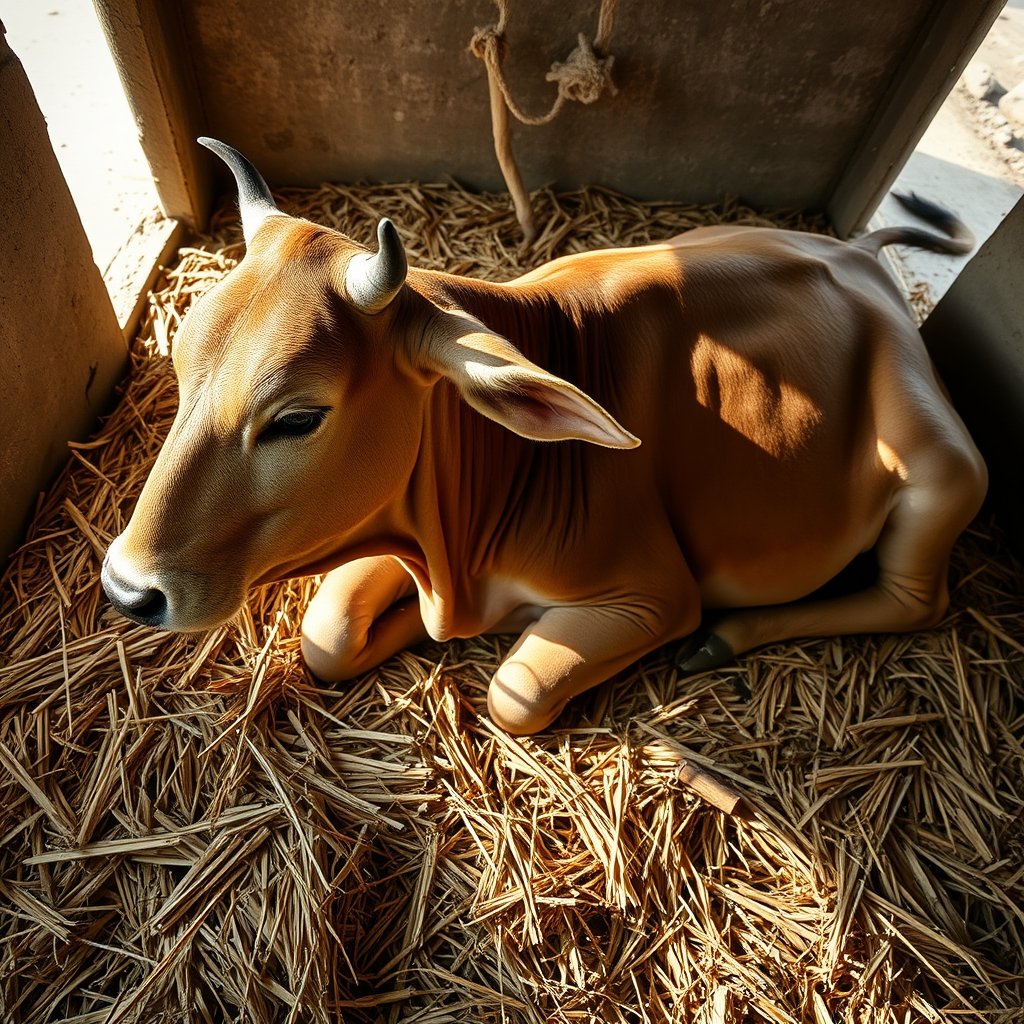 When a Cow Stops Milking: She Stays on the Farm
When a cow stops giving milk, standard dairies often sell her, but on our farm she remains housed, fed, and…
-
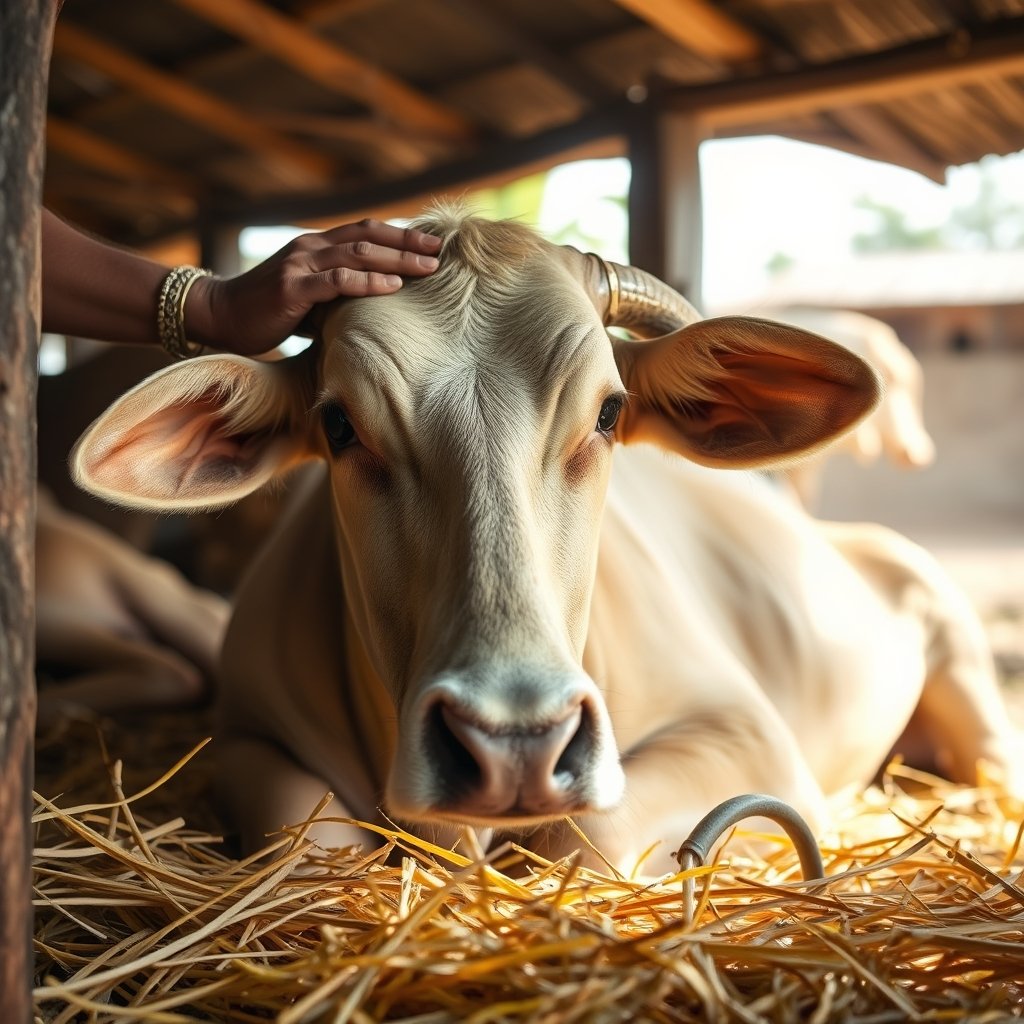 Gau Seva Meaning: Lifetime Care for Cows Beyond Milk
Gau Seva means serving and providing lifelong shelter, feed, and medical care to cows regardless of whether…
-
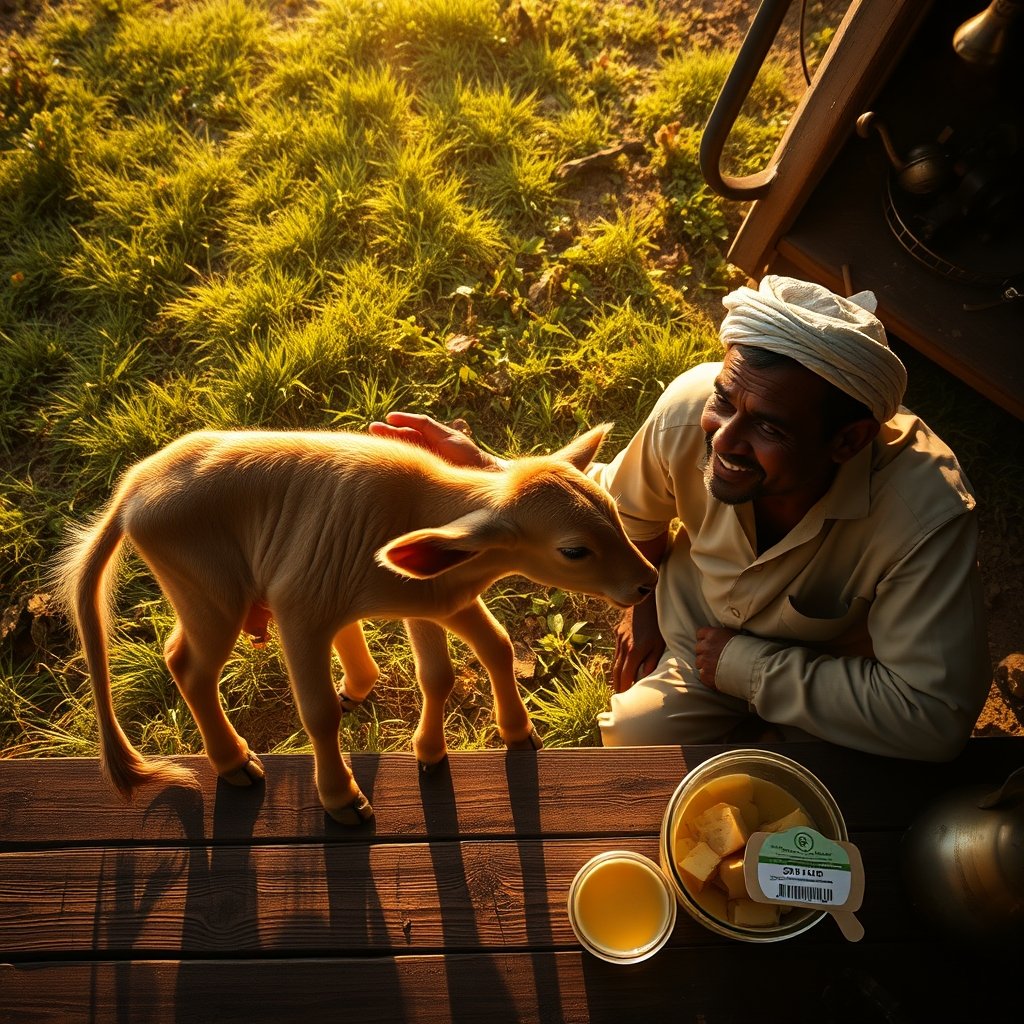 Why We Let Calves Drink First
Discover why allowing the calf to feed first is the cornerstone of ethical A2 dairy. Learn how this…


