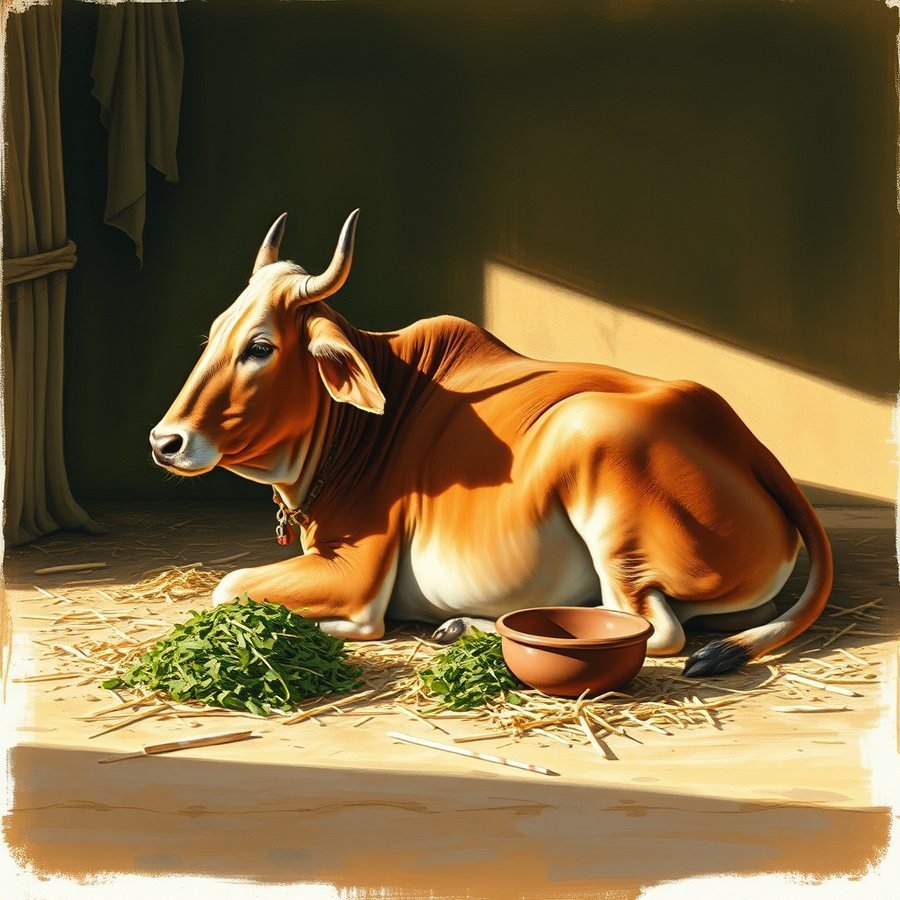
Does the Calf Get Milk? Ethical Farms Feed First

In an ethical Indian dairy system, calves get milk by suckling directly from two of the cow's four teats before any human milking begins. This traditional practice ensures that the calf receives warm, fresh mother's milk to build its natural strength before any milk is collected for human consumption or churned into A2 Gir cow ghee.
What does calves feed first mean in daily practice?
In daily farm routine, feeding the calf first is a structured physical process rather than a vague philosophy. When milking time arrives, the calf is brought to its mother to nudge her udder and nurse. This physical contact triggers the natural release of oxytocin in the cow, initiating milk letdown without chemical interventions. The farm allows the calf to drink fully from two quarters of the udder. Only after the calf has nursed are the remaining two quarters milked by hand for domestic use or traditional bilona churnings. This quarter-by-quarter division ensures the calf receives its required nutrients daily while human handlers harvest only what remains.
Why does calf feeding reduce the amount of milk a farm can sell?
Reserving milk for the calf directly reduces the liquid volume and butterfat a dairy can take to market. When half of every cow's yield goes directly to her calf, the total milk collected for curd setting and butter churning is halved. Intensive industrial operations often separate calves shortly after birth and feed them milk substitutes or restricted pails so that all four quarters of the udder can be harvested for sale. By contrast, traditional Indian practices prioritize calf nourishment over maximum output. Because less milk is harvested per animal, farms that maintain calf-first feeding incur higher operational costs per jar of finished fat, reflecting the true agricultural value of shared milk.
How does traditional calf feeding compare to commercial dairy practices?
Comparing traditional herd care with industrial dairy methods highlights how calf management impacts daily operations and farm output.
| Operational Aspect | Traditional Calf-First Dairy | Intensive Commercial Dairy |
|---|---|---|
| Milking Order | Calf suckles directly before human milking | Calf separated; fed replacer or bucket milk |
| Teat Allocation | Two quarters reserved exclusively for calf | All four quarters harvested for commercial sale |
| Milk Letdown | Triggered naturally by calf suckling | Triggered by routine schedule or synthetic hormones |
| Herd Retirement | Non-milking cows remain on farm for life | Cows culled or sold when milk yield declines |
How can you ask a dairy about their calf feeding practices?
To determine whether a dairy genuinely follows calf-first principles, ask specific questions about daily herd routines rather than general welfare commitments. Ask how many udder quarters are left for the calf during morning and evening milkings, whether calves nurse directly from the cow, and how long calves remain with their mothers. A transparent producer can explain the exact sequence of bringing the calf to the udder to stimulate milk letdown naturally. Be cautious of vague answers such as general statements about animal care, which often mask early calf separation. Asking direct questions about teat allocation and non-milking cattle care quickly reveals how a dairy operates on the ground.
What happens to cows after their milking years end?
In a responsible dairy system, animal care continues long after a cow's lactation years finish. A cow that stops giving milk is still Organic Farmz's cow: she stays on the farm with the same feed, the same shed, and the same medical care she had while she was milking, and she is never sold on. Responsibility for the herd spans the natural life of every animal, independent of milk output. Beyond its own herd, the brand intends to establish a network of gaushalas across multiple locations to shelter and treat street cows injured in road accidents or suffering from plastic ingestion. Direct contributions assist with feed supplies, veterinary care, and shed maintenance for these rescued animals. To learn more about these ongoing care initiatives or to support feed supplies directly, you can read about our Gau Seva work and contribute via UPI or bank transfer.
Taste the difference
Small-batch A2 Gir cow ghee, hand-churned to order and delivered across India. Read how we make it if you want the detail first.
Order a jarKeep reading
-
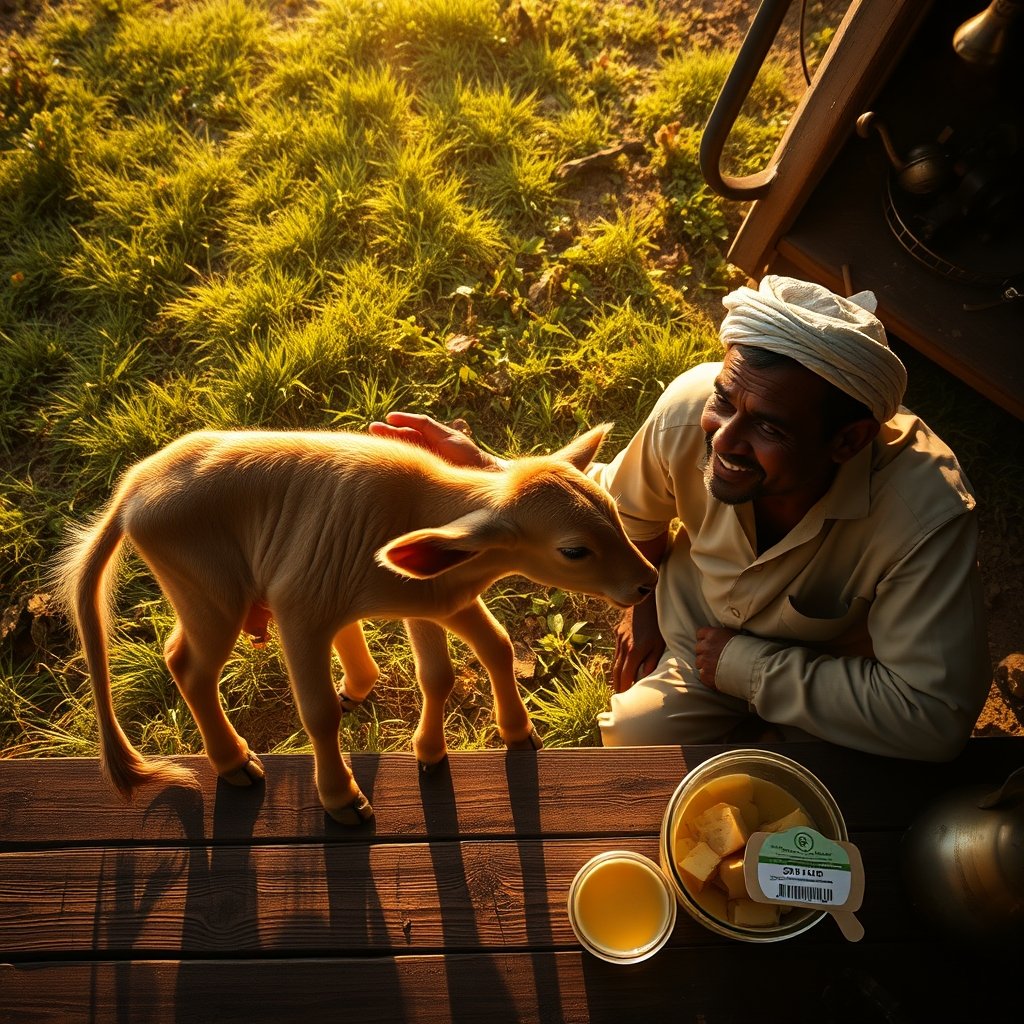 Why We Let Calves Drink First
Discover why allowing the calf to feed first is the cornerstone of ethical A2 dairy. Learn how this…
-
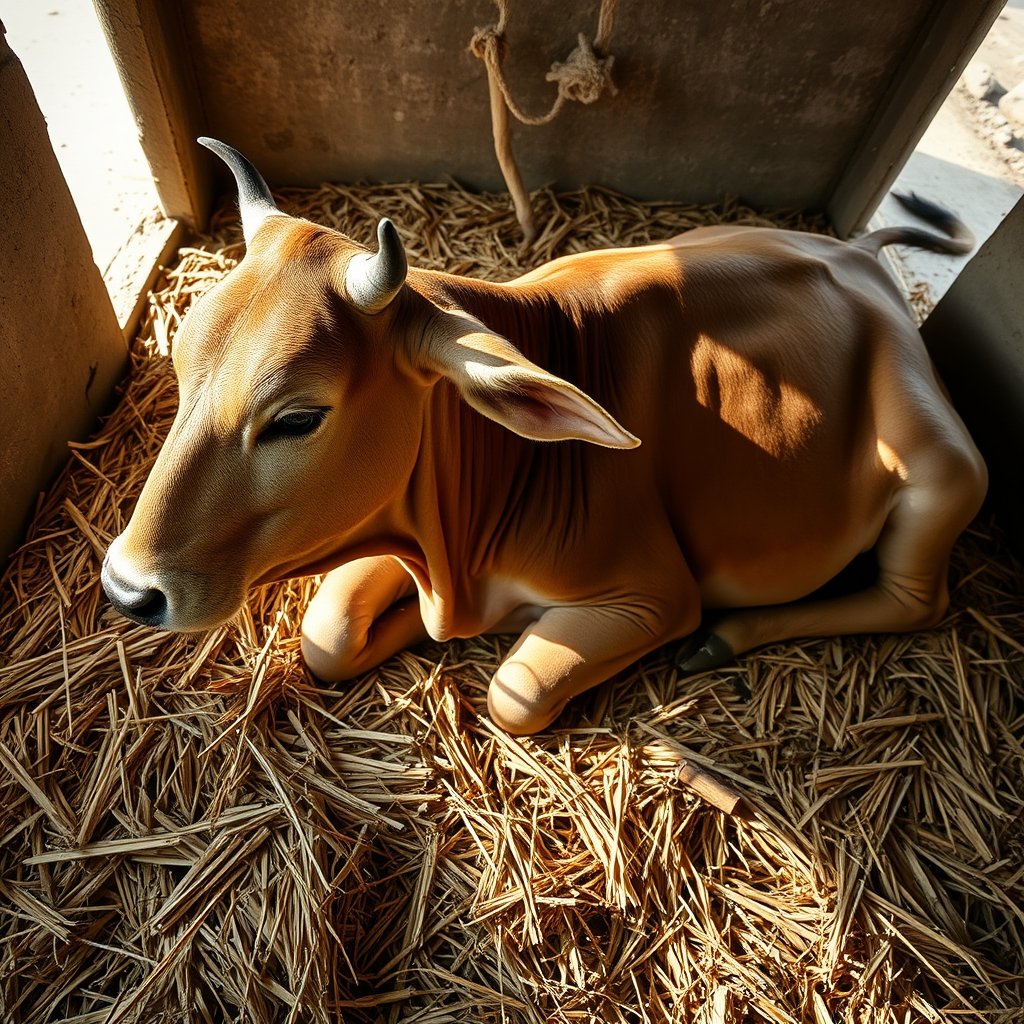 When a Cow Stops Milking: She Stays on the Farm
When a cow stops giving milk, standard dairies often sell her, but on our farm she remains housed, fed, and…
-
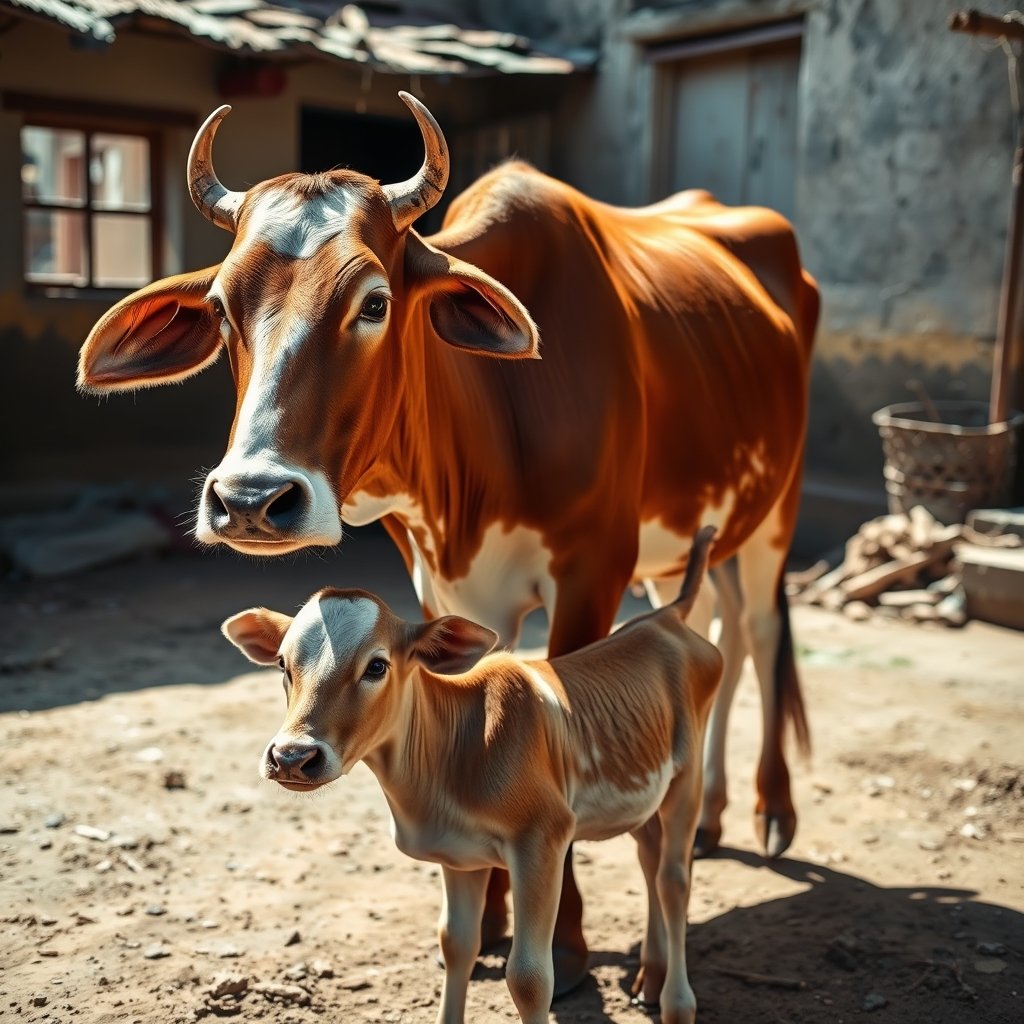 How to Know If Milk Is Ethical: Check Animal Care
An ethical dairy allows calves their share of milk, keeps non-milking cows for life, avoids forced breeding…