
Monthly Grocery List Ghee: Buy 500ml Per Person
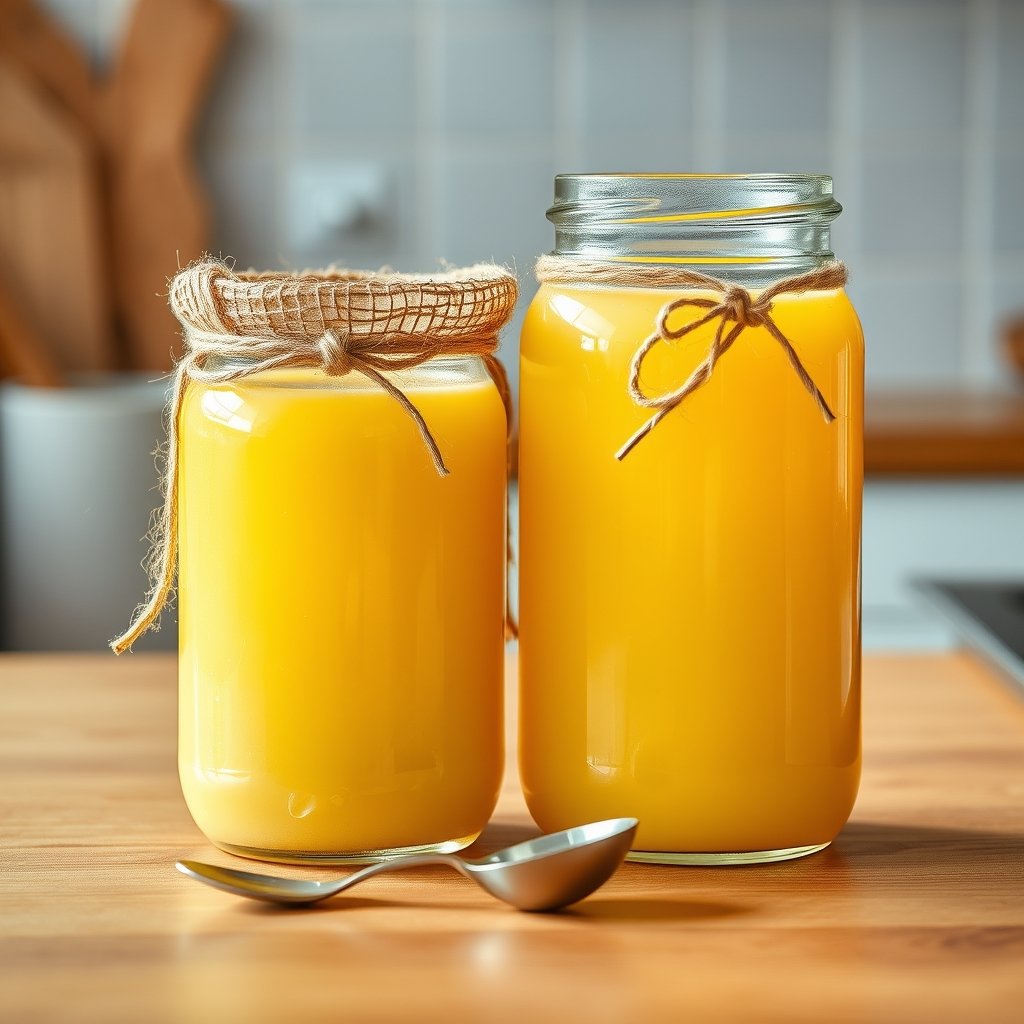
In a monthly ration order, place pure ghee under your core pantry staples alongside dal and rice, allocating roughly 500ml per adult each month for daily tempering, roti smearing, and finishing. Managing kitchen supplies requires treating natural fat as a primary ingredient rather than an occasional garnish, ensuring your stove-side dani never runs dry mid-month.
How much ghee should you add to a monthly grocery list?
A standard Indian household of two adults requires approximately 1 litre of ghee per month for daily phulkas, dal tadka, morning khichdi, and light evening roasting. If your family cooks three hot meals a day at home, planning 500ml per person ensures you do not run out before the next ration cycle. Families with young children or elderly grandparents often use slightly more, as a spoonful of warm fat over soft grains aids comfort and digestion according to traditional ayurvedic kitchen practices. When drawing up your monthly kirana list, keep fat calculations separate from frying oils, treating traditional A2 Gir cow ghee as a daily finishing and tempering fat.
Why do most households misjudge their monthly cooking fat needs?
Most households misjudge cooking fat because they calculate volume based on commercial vegetable oils used for deep frying rather than measured spoonfuls of pure ghee. Refined seed oils are poured generously into broad kadhais, leading families to overbuy liquid oils while underestimating how steadily genuine bilona ghee is consumed across daily meals. A single teaspoon applied to a hot phulka or stirred into boiling arhar dal seems small, but over thirty days, those quiet spoonfuls add up to precise monthly volumes. When fat is chosen for aroma and richness, small amounts deliver deep flavor, meaning you use less by volume than neutral oils while requiring a steady, predictable spot on your monthly invoice.
Our cows are not use and throw

A cow that stops giving milk is still our cow. She stays on the farm, with the same feed, the same shed and the same medical care she had when she was milking. We do not sell her on and we do not let her go. That is the whole basis of the ghee we make — you cannot ask an animal for her milk and then abandon her for it.
Our mission goes further than our own herd. There are cows on the street who are injured every day, who eat plastic, who cry through the night with nobody coming. We want to take them in. The plan is a chain of Organic Farmz gaushalas in several places, so that help is not one shed in one city but something a hurt animal can actually reach.
This takes more than we can carry alone — land, fodder, vets, hands. Come and join our initiative. Anything you give goes to feed, treat and shelter these cows.

Scan with any UPI app
Bank transfer
- Account name Organic Farmz
- Bank Indian Bank
- Account number 8133177322
- IFSC code IDIB000K555
- UPI ID organicfarmz@ptaxis
On a phone, the button above opens your UPI app directly — a QR on the screen you are reading cannot be scanned by that same screen. On a laptop, scan the code with your phone instead.
Should you buy ghee monthly or order larger jars quarterly?
Buying ghee monthly in 500ml or 1-litre jars keeps your kitchen supplied with fresh batches, but ordering 1-litre glass jars every quarter in multi-jar packs reduces overall shipping frequency and guarantees standard pantry stock. Traditional bilona ghee made from cultured A2 Gir cow milk has a natural shelf life of twelve months at room temperature when kept away from moisture and direct sunlight. If you buy quarterly, you store unopened glass jars in a cool, dark pantry cupboad and transfer small amounts into a stainless steel or brass ghee dani on your kitchen counter for daily cooking. Monthly orders suit smaller kitchens with limited storage shelf space, whereas quarterly orders suit established households looking for consistent kitchen routine.
How does monthly ghee buying compare to quarterly pantry stocking?
Deciding between a monthly restock and a quarterly pantry order depends on your household storage capacity, daily consumption speed, and budget rhythm. Both approaches maintain fat quality if stored correctly in airtight glass containers.
| Pantry Planning Strategy | Monthly Grocery Restock | Quarterly Pantry Order |
|---|---|---|
| Typical Order Volume | 500ml to 1 Litre | 2 Litres to 3 Litres (in 1L Jars) |
| Best For | Couples, compact kitchens, trial usage | Joint families, regular home cooks, steady savings |
| Shelf Space Needed | Minimal stove-side shelf space | Cool, dark pantry cupboard storage |
| Freshness & Rotation | New batch arrives every 30 days | Rotate sealed glass jars sequentially |
How do you store ration ghee to keep the bilona grain intact?
Store your primary supply jar in a dry, dark pantry cabinet away from the heat of the gas stove, keeping the lid tightly closed to protect the natural aroma. Heat from continuous cooking causes liquid fat to stay melted, which can alter the classic danedaar texture over several weeks. To protect the batch, scoop out a five-day supply into a smaller stainless steel vessel or glass bowl kept near your cooking counter. Always use a dry, clean spoon when dipping into the main jar, as moisture introduced into ghee encourages spoilage and ruins the granular character of traditionally churned butter fat.
Taste the difference
Small-batch A2 Gir cow ghee, hand-churned to order and delivered across India. Read how we make it if you want the detail first.
Order a jarKeep reading
-
 Ghee or Butter on the Monthly Grocery Bill: Ghee Lasts Longer
Ghee is the more efficient choice for a monthly grocery budget because its 100% fat content and lack of…
-
 When to Reorder Ghee: Buy When Jar Hits One-Quarter
Reorder ghee when your current jar drops to one-quarter full, giving five to seven days for fresh A2 bilona…
-
 Ghee Quantity for a Couple: A 500ml Jar Works
A 500ml jar of ghee is the ideal quantity for a couple, lasting about four to six weeks across daily tadkas…
