
Besan Ladoo Ghee Ratio: Use 1 Part Ghee to 2 Besan
Making besan ladoo at home is a simple yet exacting traditional sweet-making practice in Indian kitchens. The balance between gram flour (besan) and ghee determines whether the final sweet retains a delicate, melt-in-the-mouth crumble or collapses into a heavy, greasy ball. Understanding the correct proportions and heat control allows you to prepare firm, aromatic ladoos that hold their shape naturally at room temperature without requiring artificial binders or excess sugar.
What is the ideal ghee ratio for besan ladoo?
The reliable traditional standard for classic besan ladoo is one part ghee to two parts besan measured by volume. For example, if you use two cups of coarsely ground besan, you will need exactly one cup of melted bilona ghee. Measured by weight, this translates to roughly 250 grams of ghee for every 400 grams of gram flour, depending on how coarsely the flour is milled. Using too little ghee leaves raw, dry patches of flour that cause an uncomfortable dry stickiness on the palate, while using too much prevents the warm mixture from setting into neat round spheres once cooled. Measuring your ingredients carefully before placing the pan on the stove ensures consistent results every batch.
Why does besan absorb ghee differently during roasting?
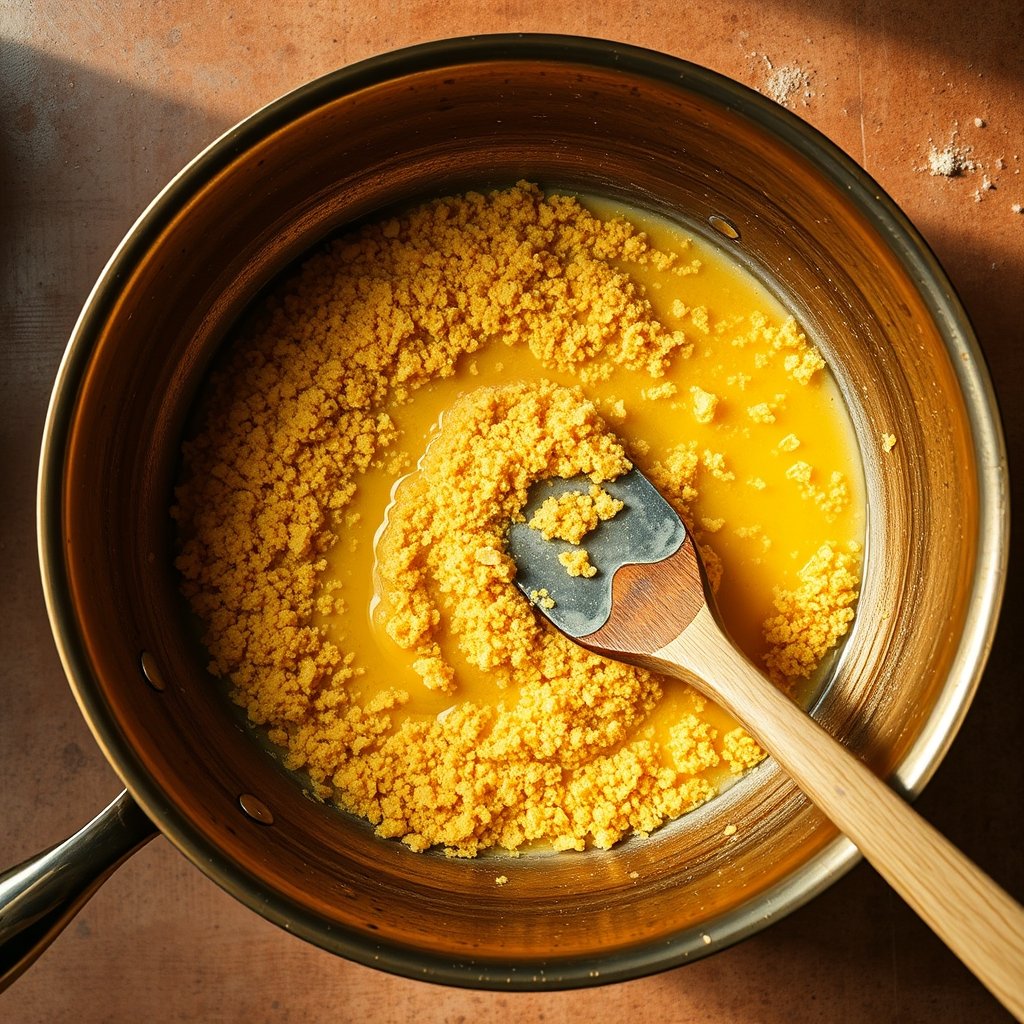
Raw gram flour is dry and dense, initially absorbing all the ghee immediately when mixed in a warm pan. During the first ten minutes of low-heat roasting, the mixture appears thick, heavy, and somewhat dry, making it feel as though more fat is needed. However, as heat continuously penetrates the flour particles, the raw starches transform and release the absorbed fat back into the pan. This physical transition causes the thick paste to loosen, bubbling smoothly and moving easily against your spatula. Recognizing this natural releasing stage prevents the common mistake of adding extra ghee prematurely when the flour first hits the heat.
Our cows are not use and throw
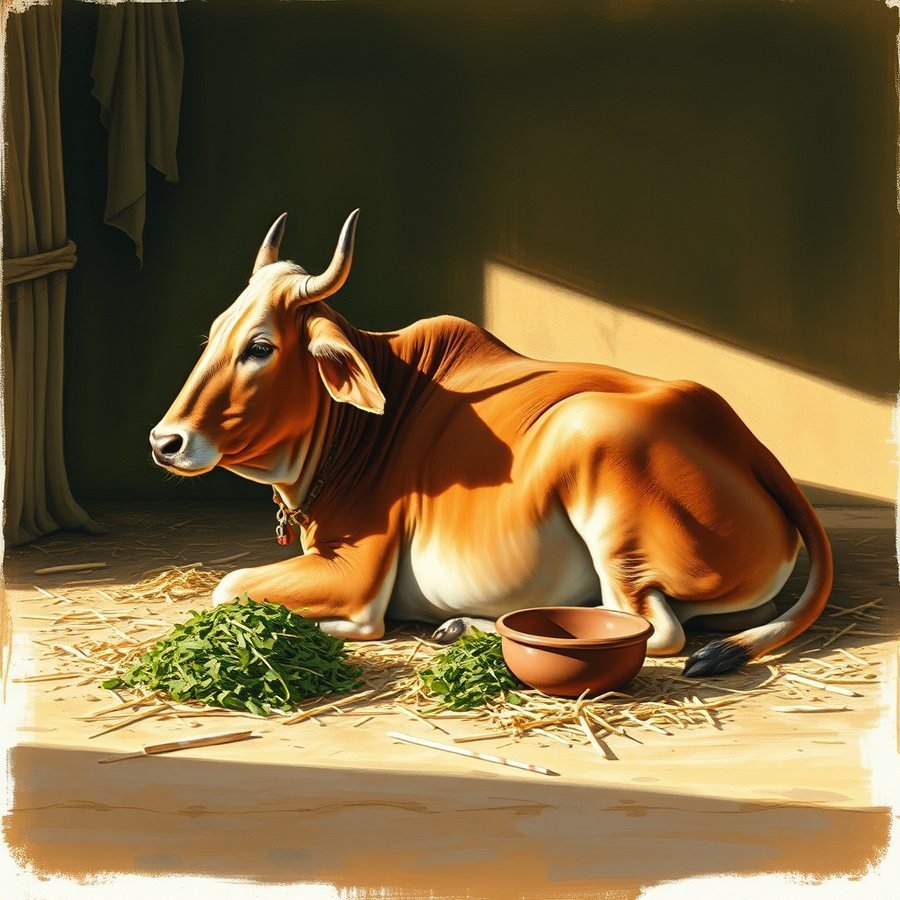
A cow that stops giving milk is still our cow. She stays on the farm, with the same feed, the same shed and the same medical care she had when she was milking. We do not sell her on and we do not let her go. That is the whole basis of the ghee we make — you cannot ask an animal for her milk and then abandon her for it.
Our mission goes further than our own herd. There are cows on the street who are injured every day, who eat plastic, who cry through the night with nobody coming. We want to take them in. The plan is a chain of Organic Farmz gaushalas in several places, so that help is not one shed in one city but something a hurt animal can actually reach.
This takes more than we can carry alone — land, fodder, vets, hands. Come and join our initiative. Anything you give goes to feed, treat and shelter these cows.

Scan with any UPI app
Bank transfer
- Account name Organic Farmz
- Bank Indian Bank
- Account number 8133177322
- IFSC code IDIB000K555
- UPI ID organicfarmz@ptaxis
On a phone, the button above opens your UPI app directly — a QR on the screen you are reading cannot be scanned by that same screen. On a laptop, scan the code with your phone instead.
How do you know when besan is fully roasted in bilona ghee?
Roasting besan requires steady low heat and continuous stirring for approximately 20 to 25 minutes. You know the flour is thoroughly cooked when three distinct signposts appear: color shift, aroma release, and texture change. The pale yellow flour turns into a warm golden-brown shade, while the raw chickpea smell yields to a deep, nutty aroma that fills the room. Near the end of roasting, traditional cooks often sprinkle a few drops of water into the pan. If the mixture sizzles immediately and foams up into light grains, the besan has reached the ideal stage to turn off the flame and cool down.
What causes besan ladoo to become soft or lose shape?
Besan ladoos lose their firm shape primarily when sugar is added while the roasted flour is still hot, or when finely powdered sugar containing excess moisture is used. If sugar is mixed into hot besan, it melts instantly into liquid syrup, turning the dry crumb into a soft paste that fails to firm up as it rests. Always allow the roasted flour to cool in the pan until it feels warm to the touch rather than hot before kneading in coarse ground sugar, tagar, or boora. Furthermore, using traditional A2 Gir cow ghee prepared through the bilona churn method provides solid fat structures that firm up naturally at room temperature, helping the sweet maintain its shape without needing refrigeration.
How does traditional bilona ghee affect the texture of sweet ladoos?
Traditional bilona ghee is made by culturing fresh A2 Gir cow milk into curd and churning it with a wooden bilona before gently melting the butter. This slower method preserves natural graininess, known as danedaar texture, which directly improves the mouthfeel of homemade sweets. When combined with coarse gram flour, the tiny grains of cultured ghee coat each flour particle evenly, preventing the finished ladoo from sticking to the roof of the mouth. In classical Ayurvedic culinary thought, cooking grains and legumes thoroughly with cultured ghee renders sweet foods easier to digest, balancing the heavy nature of chickpea flour while highlighting its natural roasted flavor.
Taste the difference
Small-batch A2 Gir cow ghee, hand-churned to order and delivered across India. Read how we make it if you want the detail first.
Order a jarKeep reading
-
 Besan Ladoo and Why It Needs Real Ghee
Making the perfect besan ladoo requires the right fat. Learn why real, traditional A2 Gir cow bilona ghee is…
-
 Makar Sankranti, Til and Ghee
Discover why sesame seeds, jaggery, and A2 Gir cow ghee are the cornerstones of traditional Makar Sankranti…
-
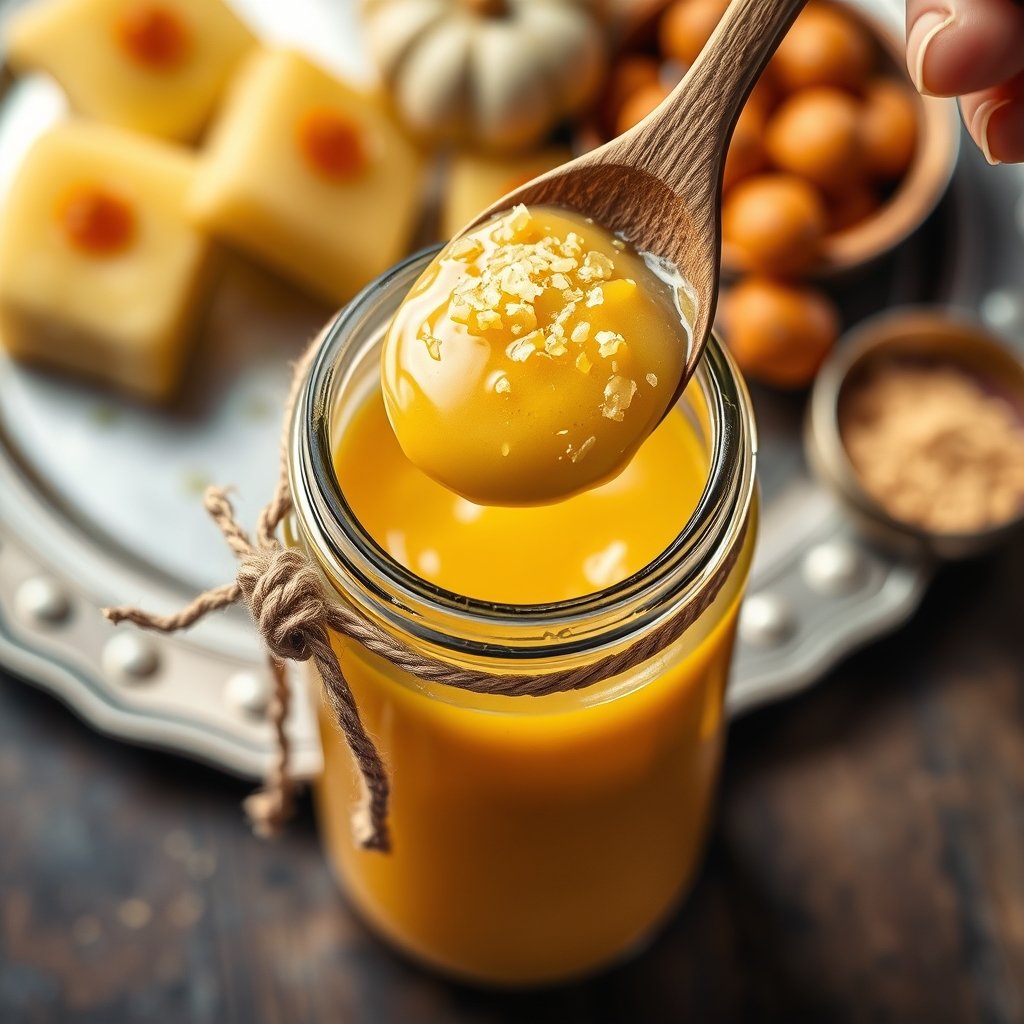 Best Ghee for Sweets: A2 Bilona Ghee Is the Gold Standard
A2 Gir cow bilona ghee is the best for sweets because its cultured aroma and high smoke point ensure a rich…
