
Ghee for Sweets: Barfi, Peda and Mysore Pak
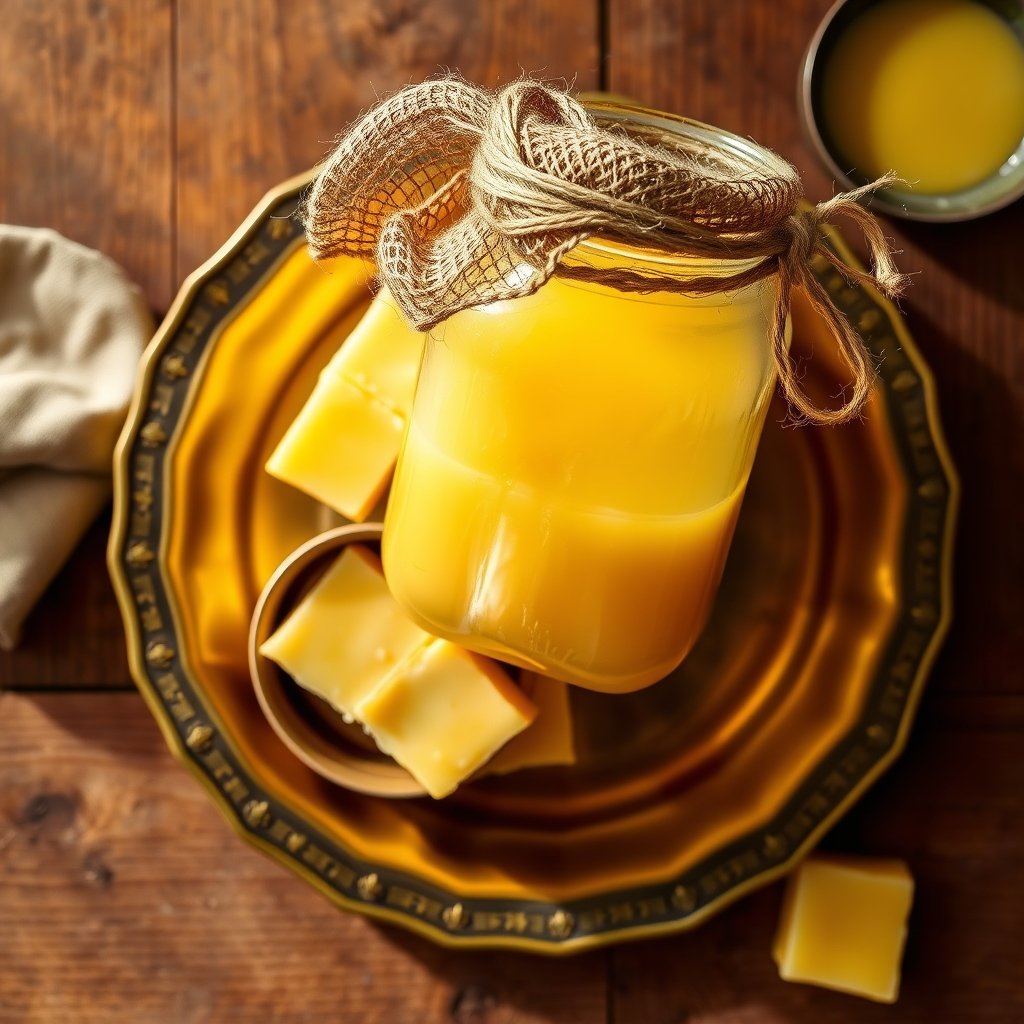
Using real bilona A2 cow ghee in traditional Indian sweets like barfi, peda, and Mysore Pak provides the stable fat required to bind ingredients, roast flours evenly, and create distinct textures ranging from velvety soft to delicately crisp without leaving a greasy coating on the palate.
Why Is Fat So Central to Traditional Indian Mithai?
In Indian sweet making, fat is not merely an ingredient added for richness; it is the primary cooking medium and structural foundation. Sweets made with milk solids, nut powders, or legume flours depend on fat to transfer heat evenly during the roasting process. When you brown chickpea flour or reduce milk solids, the fat coats individual particles, preventing them from scorching against the bottom of heavy brass or iron pans.
Fat also acts as an aroma carrier. The natural fat-soluble aromatic compounds present in cardamom, saffron, nutmeg, and caramelized milk dissolve into ghee during cooking. As the sweet sets and cools, these flavours are held stable within the fat matrix, releasing evenly when eaten. Furthermore, because ghee contains practically no moisture once fully clarified, sweets prepared with pure ghee have a natural stability at room temperature that water-based or milk-heavy preparations lack.
How Does Ghee Behave Differently in Barfi, Peda, and Mysore Pak?
Each traditional sweet demands a completely different technical behavior from the fat used to make it. Understanding these differences explains why replacing genuine cultured ghee with refined oils or hydrogenated fats alters the final dish so noticeably.
Barfi: Whether made from reduced milk solids (khoya), cashews, or coconut, a good barfi requires a fat that remains solid at room temperature yet melts precisely at body temperature. When small quantities of warm ghee are worked into the base, the fat coats the proteins and sugars, allowing the mixture to be pressed flat into trays. As it cools, the ghee firms up, enabling clean, sharp square cuts without crumbling.
Peda: Pedas rely on the gentle, slow caramelization of milk solids cooked alongside ghee over a low flame. The traditional bilona ghee acts as a lubricant during the continuous stirring process, keeping the khoya from sticking and allowing the natural sugars in the milk to brown slowly. The result is a dense, smooth, velvety sweet that holds its rounded shape while offering a tender bite.
Mysore Pak: Few sweets test the properties of fat quite like traditional South Indian Mysore Pak. Here, roasted chickpea flour (besan) and sugar syrup are cooked together before hot, molten ghee is poured in stage by stage. The intense heat causes the moisture in the syrup to boil off rapidly while the hot fat creates tiny bubbles throughout the flour mixture. This process gives authentic Mysore Pak its prized honeycomb interior, firm outer structure, and rich, toasted aroma.
How Do Bilona Ghee and Refined Fats Compare in Sweets?
The type of fat chosen directly dictates the texture, aroma, and mouthfeel of festival sweets. The table below outlines how traditional bilona cow ghee performs compared to commercial refined fats or vanaspati when preparing mithai.
| Property | Traditional Bilona A2 Ghee | Refined Fat / Vanaspati |
|---|---|---|
| Aroma & Flavour | Deep, nutty, naturally sweet aroma from cultured curd churning | Neutral, flat, or artificially flavoured |
| Mouthfeel | Melts cleanly at body temperature without waxy residue | Leaves a noticeable coating on the roof of the mouth |
| Heat Stability | High smoke point, ideal for high-temp sweets like Mysore Pak | Varies; prone to breakdown under repeated heating |
| Ayurvedic View | Considered a nourishing fat that balances sweet ingredients | Processed fat lacking traditional dietary harmony |
What Role Does Bilona A2 Gir Cow Ghee Play in Sweet Making?
The traditional bilona method begins by fermenting whole A2 Gir cow milk into curd, which is then bi-directionally churned to yield butter before being slowly simmered into pure ghee. This slow, small-batch process preserves subtle milk solids that undergo gentle caramelization during clarification. These microscopic toasted granules give bilona ghee its characteristic nutty scent and natural grain (danedara texture).
In sweet making, these natural aromatic notes complement ingredients like roasted besan, semolina, cooked khoya, and raw cane sugar. Because A2 Gir cow ghee is crafted carefully without chemical refining or high-pressure bleaching, its natural fatty acid balance yields a low melting point that feels light on the palate. In classical Ayurveda, ghee cooked into sweet preparations is regarded as a carrier (anupana) that helps nourish the tissues, making festive treats satisfying in modest portions.
How Can You Get the Best Results When Cooking Sweets at Home?
To achieve professional mithai results in your own kitchen using Organic Farmz A2 Gir cow ghee, pay attention to temperature control and timing:
First, always roast flours like besan or wheat flour on low heat with a generous ladle of ghee from the start. The flour should swim slightly in the fat; if the mixture looks dry or chalky, add a little more ghee to ensure every grain cooks uniformly to a deep golden hue.
Second, when making sweets that call for pouring hot fat into syrup—such as Mysore Pak—ensure your ghee is kept warm in a separate saucepan beside your main cooking pot. Adding cold fat to hot sugar syrup causes the sugar to crystallize prematurely, destroying the delicate honeycomb texture.
Finally, allow your barfi and peda trays to cool completely at ambient room temperature rather than chilling them in the refrigerator. Natural bilona ghee sets gradually, forming a stable, tender structure that cuts cleanly while preserving its rich aroma for days.