
Ghee for Subscription Boxes: What Curators Need

Curating ghee for a subscription box requires secured lead times with the maker, outer box cushioning for glass jars, precise FSSAI label compliance, and an understanding of seasonal melting during transit.
When building a curated hamper or monthly subscription box around artisan foods, traditional A2 Gir cow ghee made by the bilona method brings daily utility to Indian home cooking. However, pure milk fat behaves differently from dry goods or baked treats, requiring clear co-packing practices between the subscription curator and the producer.
What should a curator check before placing ghee in a box?
Curators must evaluate jar sealing, label durability, transit packaging, and batch production schedules before adding ghee to a subscription cycle. Because bilona ghee is prepared by slow-churning cultivated curd into butter and clarifying it over low heat, fresh batches require planned scheduling rather than immediate off-the-shelf dispatch. The curator needs clear lead planning with the maker so box assembly deadlines are met consistently.
How does A2 bilona ghee handle seasonal texture changes in transit?
Ghee naturally shifts between solid and liquid states depending on room temperature, and a jar that arrives liquified during warm weather transit is completely normal and undamaged. Pure milk fat melts into a smooth liquid during summer shipping and solidifies with its characteristic granular texture when cooled. Curators can include a brief insert in their hamper explaining that heat during courier transit changes only the physical texture, not the quality, aroma, or shelf stability of traditional bilona ghee.
Our cows are not use and throw

A cow that stops giving milk is still our cow. She stays on the farm, with the same feed, the same shed and the same medical care she had when she was milking. We do not sell her on and we do not let her go. That is the whole basis of the ghee we make — you cannot ask an animal for her milk and then abandon her for it.
Our mission goes further than our own herd. There are cows on the street who are injured every day, who eat plastic, who cry through the night with nobody coming. We want to take them in. The plan is a chain of Organic Farmz gaushalas in several places, so that help is not one shed in one city but something a hurt animal can actually reach.
This takes more than we can carry alone — land, fodder, vets, hands. Come and join our initiative. Anything you give goes to feed, treat and shelter these cows.

Scan with any UPI app
Bank transfer
- Account name Organic Farmz
- Bank Indian Bank
- Account number 8133177322
- IFSC code IDIB000K555
- UPI ID organicfarmz@ptaxis
On a phone, the button above opens your UPI app directly — a QR on the screen you are reading cannot be scanned by that same screen. On a laptop, scan the code with your phone instead.
Should curators fill jars themselves or source pre-sealed jars?
Sourcing ready-to-ship, factory-sealed glass jars directly from the manufacturer protects food safety and avoids extra handling for the subscription fulfillment team. Receiving sealed, code-stamped glass jars ensures that the tamper-evident cap remains unopened from the farm facility straight to the final recipient's kitchen.
| Factor | Pre-Sealed Glass Jars | Bulk Fat for Self-Jarring |
|---|---|---|
| Food Safety Seals | Applied at facility with batch codes | Requires curator to run clean filling line |
| Curator Labor | Zero repacking; direct box placement | High packaging labor and material waste |
| Transit Safety | Fitted cap seals prevent oil seepage | Risk of lid leaks if closed manually |
How do artwork and FSSAI details work on white-label jars?
White-label packaging requires both the curator's brand identity and mandatory regulatory declarations printed clearly on the jar label. The subscription curator provides print-ready artwork carrying their brand design alongside their registered FSSAI number and customer support contact details. The maker prints and applies these customized labels directly to the finished glass jars prior to shipping.
What is the ordering process for subscription box partners?
Partnering with a specialized producer begins with a sample batch to evaluate aroma, grain, and flavor before signing commercial terms. The initial enquiry is submitted by email or WhatsApp detailing the brand name, required jar size, estimated monthly volume, and target launch date. Once the sample is approved, a formal written agreement captures the settled unit rate, batch volume, label artwork ownership, and quality criteria. For complete details on custom packaging options and supply arrangements, visit our white-label partnership page to submit your hamper requirements.
Taste the difference
Small-batch A2 Gir cow ghee, hand-churned to order and delivered across India. Read how we make it if you want the detail first.
Order a jarKeep reading
-
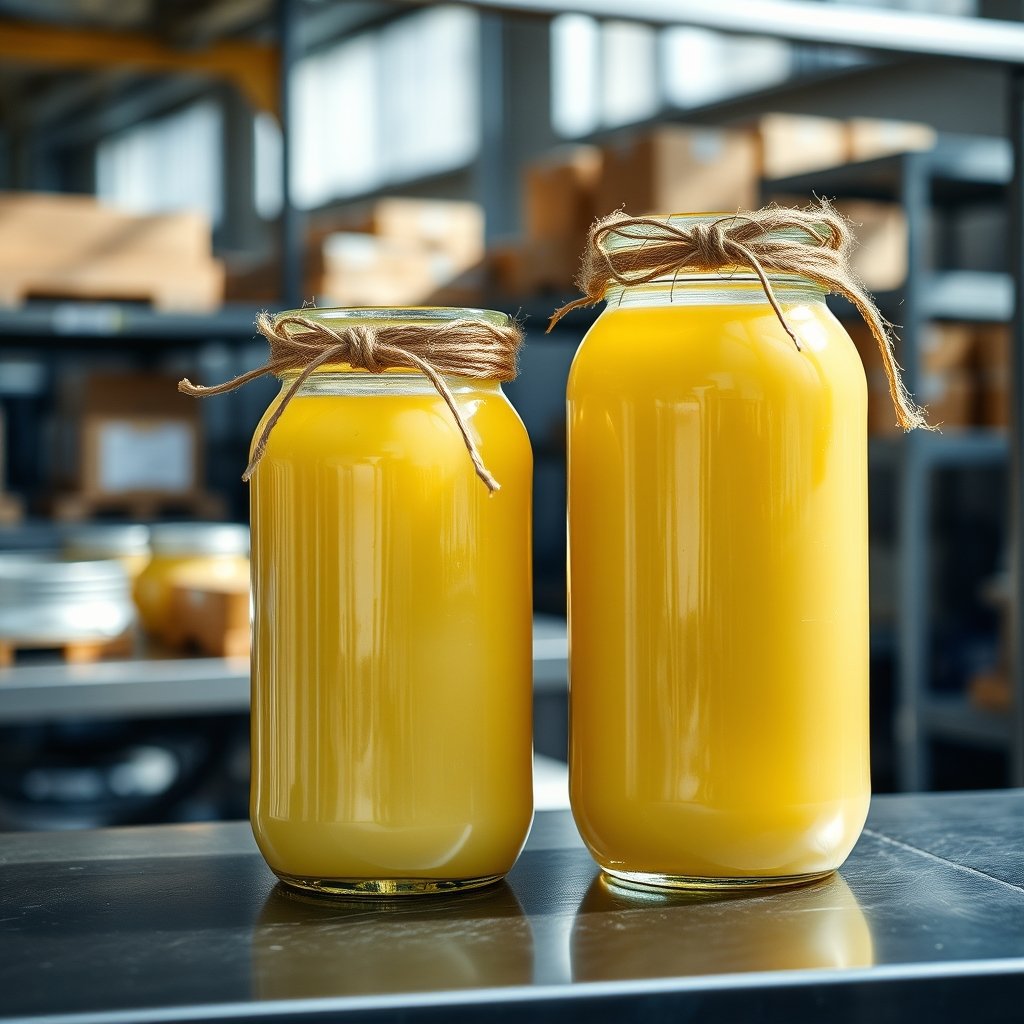 Ghee Jar Sizes for Brands: Use Small Jars for Trial
Small ghee jar sizes lower checkout prices to drive customer trial, while larger jars improve courier…
-
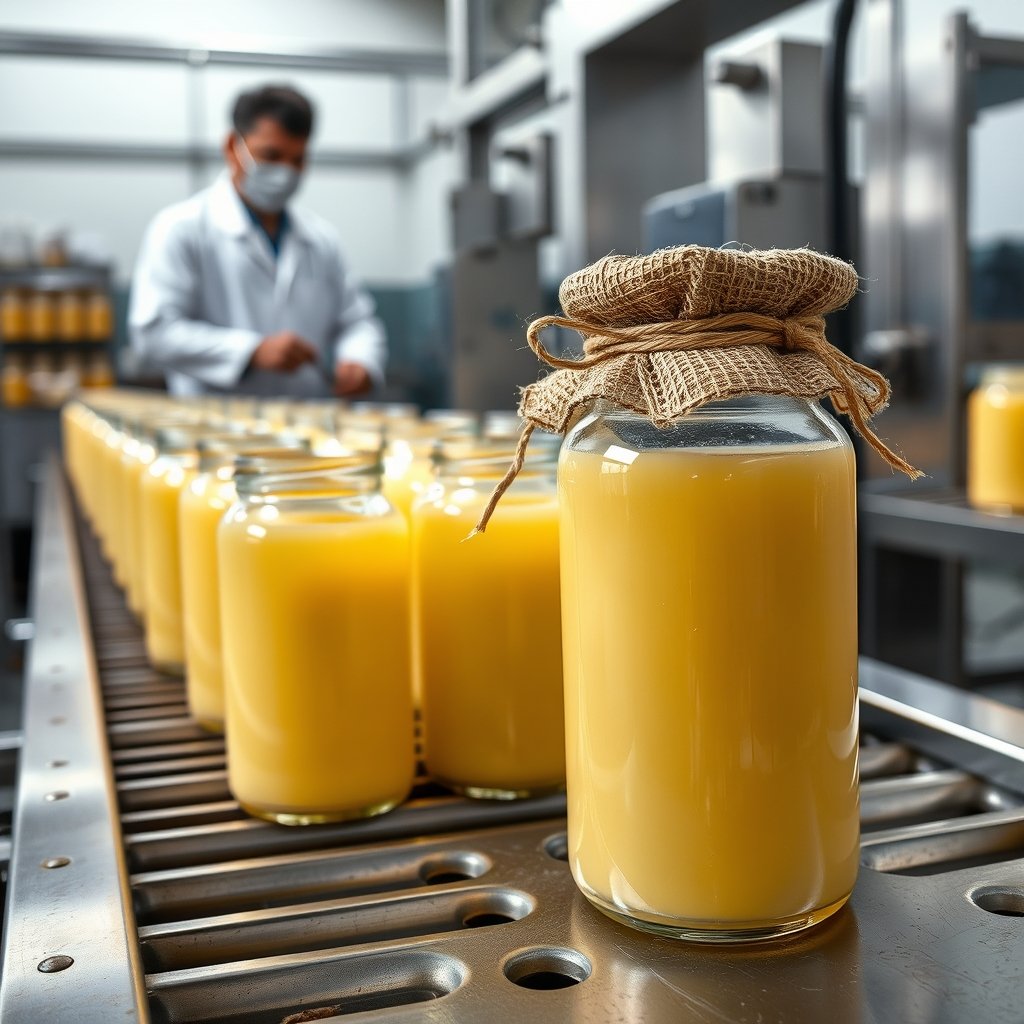 Ayurvedic Ghee Manufacturer: Sourcing Bilona Direct
Ayurvedic brands source A2 Gir cow bilona ghee from custom manufacturing partners to maintain authentic…
-
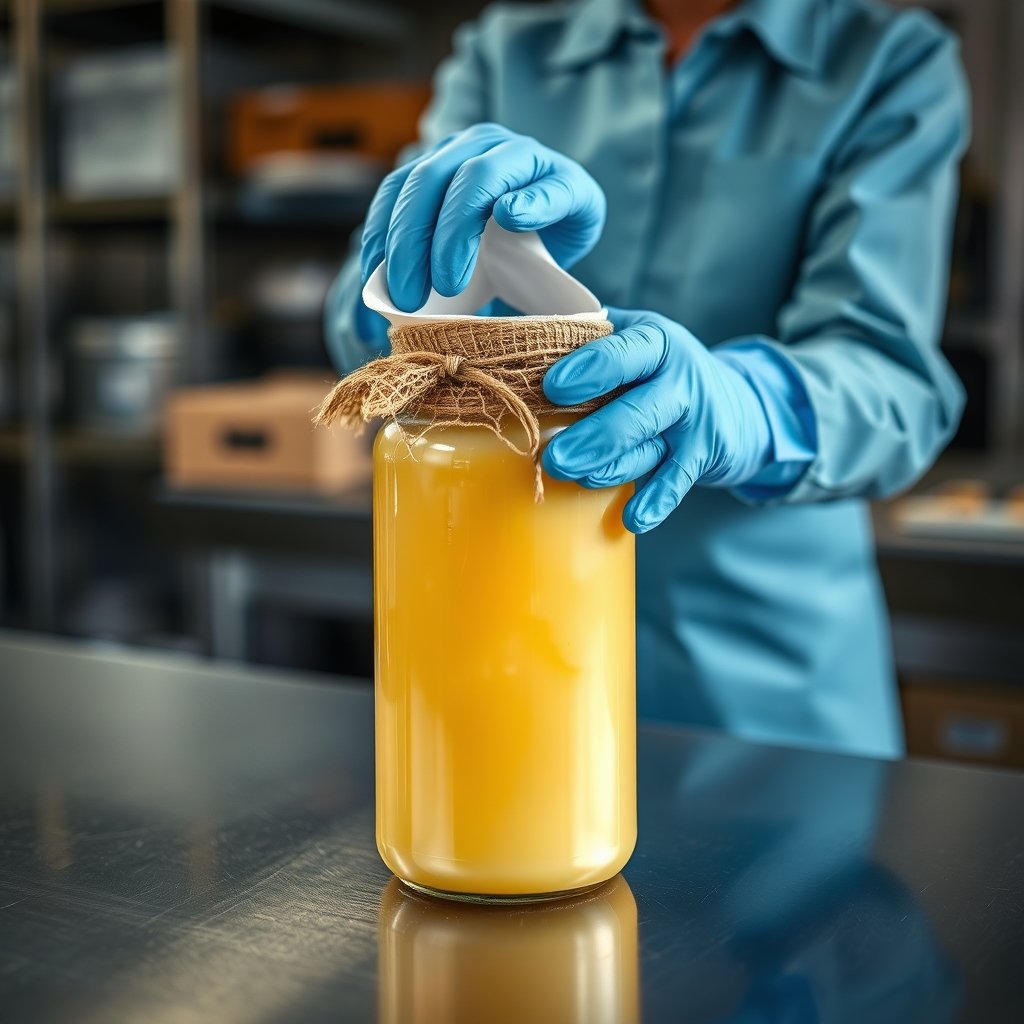 Custom Branded Ghee Jars: Yes, with Your Own Artwork
You can put your brand name on a ghee jar by submitting artwork and your FSSAI number. Fresh A2 bilona ghee…