
What Is a Gaushala? A Shelter for Homeless Cattle

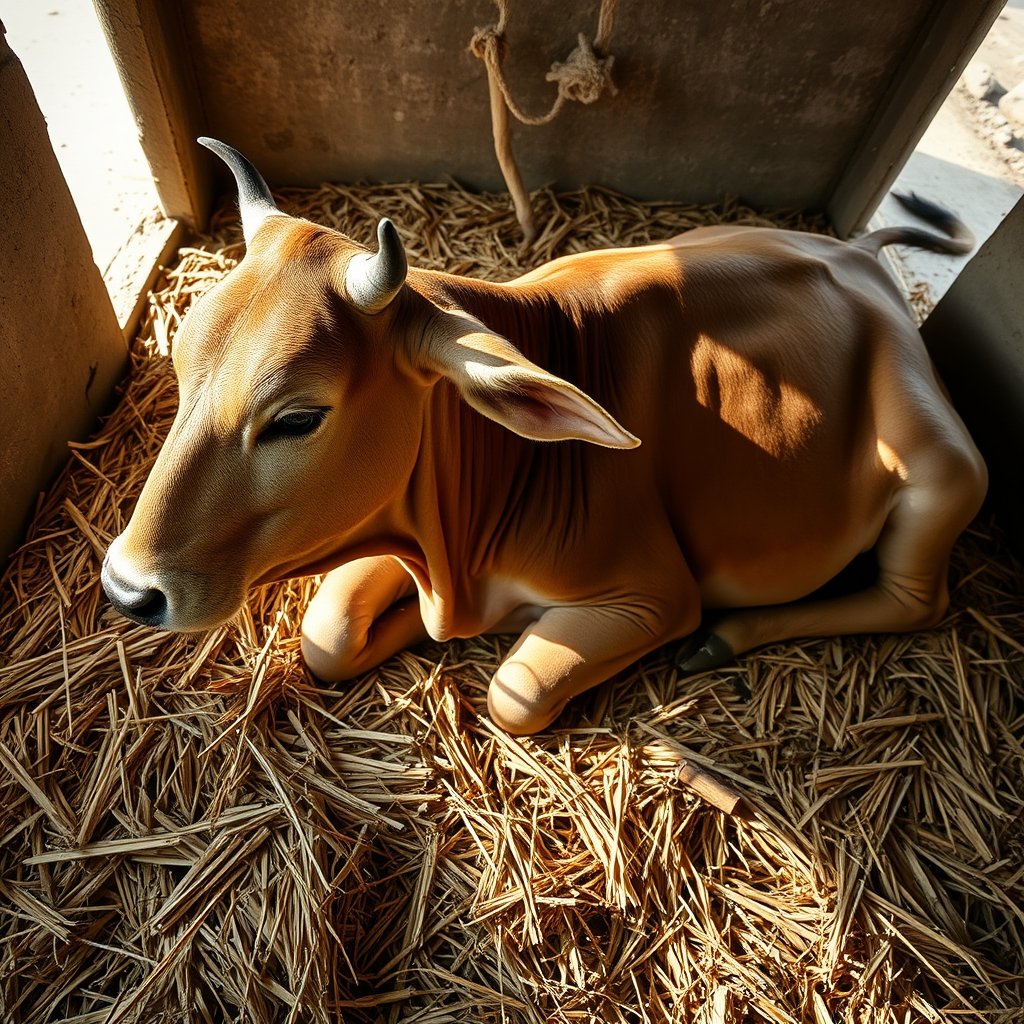
A gaushala is a protective shelter dedicated to housing, feeding, and caring for cows, particularly those that are old, sick, injured, or no longer producing milk.
In India, cattle have historically held a vital role in rural agriculture and household economies. However, as dairy farming modernized and urban areas expanded, managing cattle that are beyond their productive years became a challenge for many farmers. A gaushala operates as a non-profit sanctuary designed to protect these animals from neglect, starvation, traffic accidents, and abandonment, ensuring they receive lifelong care and safe shelter.
What is the primary purpose of a gaushala?
The primary purpose of a gaushala is to provide permanent care, nutrition, and medical protection to cattle regardless of their milk output or monetary value. Commercial dairy farming often treats animals based on yield, meaning that when a cow ages or ceases to lactate, she represents an unviable expense to a small dairy operation. A gaushala removes this economic filter entirely. It welcomes abandoned stray cattle, animals injured in street accidents, aged cows, and male calves that would otherwise face abandonment. The core ethos of a gaushala is rooted in animal welfare and respect, offering cattle a comfortable environment to spend their natural lives.
What daily work happens inside a working gaushala?
Daily work inside an active gaushala revolves around structured routine labor to maintain herd health, sanitation, and physical nutrition. Attendants begin early every morning by mucking out shed floors, removing manure, and spreading dry straw or sand to maintain a dry, hygienic resting surface. Feeding involves gathering, cutting, and distributing fresh green grass, dry fodder, and essential mineral supplements to ensure balanced nutrition. Medical care forms another crucial portion of daily tasks, as staff and visiting veterinarians treat infected wounds, administer routine health checkups, and care for urban cattle recovering from foreign body ingestions such as plastic bags. Attendants also collect dung and urine to produce organic compost and natural farm inputs.
What distinguishes a working gaushala from a nominal one?
A working gaushala actively provides full-time care, proper nutrition, and medical facilities for its herd, whereas a nominal gaushala may operate primarily on paper to secure land grants or public funds without offering adequate welfare. Evaluating the difference comes down to observing animal health, floor space, cleaning routines, and medical response.
| Feature | Working Gaushala | Nominal Gaushala |
|---|---|---|
| Veterinary Care | Regular visits, on-site wound treatment, and isolation pens for sick animals | Infrequent care, untreated injuries, and no dedicated medical isolation space |
| Feeding Practices | Daily green fodder, dry straw, clean water, and tailored mineral feed | Irregular feeding, heavy reliance on public scrap, or insufficient rations |
| Space and Hygiene | Clean, ventilated sheds with periodic dung clearance and dry bedding | Overcrowded paddocks, uncleared manure, and poor drainage |
| Long-Term Care | Lifelong sanctuary for unproductive, aged, or injured cattle | Selective care or high mortality due to neglect and overcrowding |
How is a working gaushala funded?
A working gaushala is funded through community donations, corporate social responsibility initiatives, public grants, and revenue generated from natural cattle byproducts. Because unproductive cattle generate no income from milk, running a humane sanctuary relies heavily on voluntary contributions. These funds directly cover bulk fodder purchases, emergency medical supplies, veterinarian visits, shed construction, and staff wages. Some shelters offset operational expenses by preparing and selling vermicompost, bio-gas, or organic fertilizers, but continuous community support remains essential for maintaining basic daily feeding and medical standards.
How does Organic Farmz handle retired cows and gau seva?
At Organic Farmz, caring for our cattle is a lifelong commitment rather than a short-term agricultural decision. When a Gir cow stops producing milk, she remains on our farm with the exact same feed, shed accommodations, and medical care she received during her milking years, and she is never sold or moved off the land. Beyond our own herd, our long-term plan is to establish a broader network of Organic Farmz gaushalas across multiple locations to shelter street cows that are injured in traffic or suffering from eating plastic waste. Donations collected go directly toward feed, medical treatment, and shelter infrastructure, and can be sent easily via UPI or bank transfer. To find out more about these initiatives or support the project, you can read about our Gau Seva work on our homepage.
Taste the difference
Small-batch A2 Gir cow ghee, hand-churned to order and delivered across India. Read how we make it if you want the detail first.
Order a jarKeep reading
-
 When a Cow Stops Milking: She Stays on the Farm
When a cow stops giving milk, standard dairies often sell her, but on our farm she remains housed, fed, and…
-
 How Ghee Is Adulterated: Vegetable Oils and Vanaspati
Adulterated ghee is made by blending vanaspati, refined palm oil, or starches with artificial butter…
-
 Can Bilona Ghee Be Made at Volume? Yes, by Adding Pots
Bilona ghee scales by repeating small-batch churning across more pots rather than using industrial tanks.…

