
Ghee Packaging for Brands: Glass Preserves Aroma Best

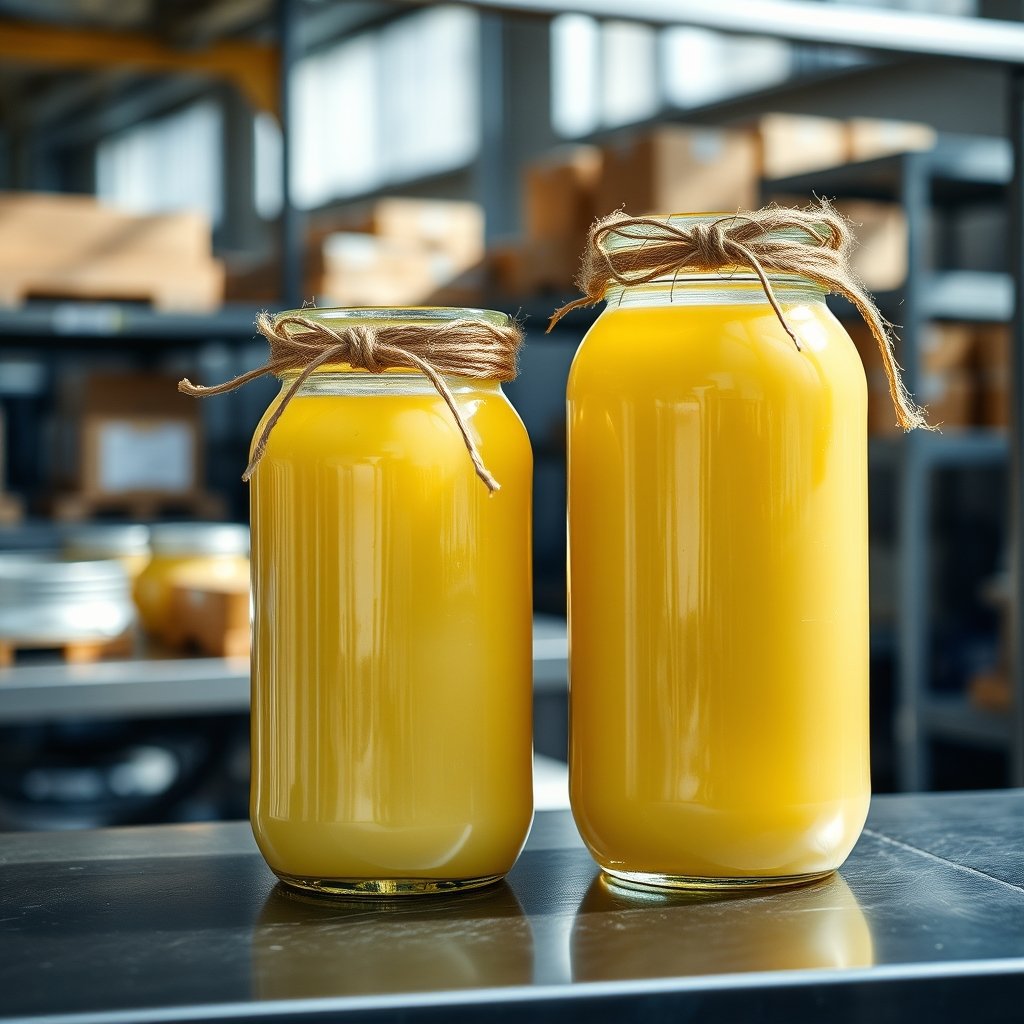
Glass is the preferred packaging for premium A2 bilona ghee brands because it is non-reactive, showcases the natural golden grain, and prevents aroma loss, while tin containers offer lower transit weight and zero breakage risk for long-distance courier shipping. Choosing between the two comes down to balancing product presentation against logistics expenses.
Should a ghee brand choose glass or tin packaging?
A brand should choose glass packaging when positioning a premium bilona ghee for local retail or direct-to-consumer delivery where visual texture matters, and choose tin packaging when minimizing parcel weight and eliminating transit breakage during long-distance shipping. Glass provides a completely non-reactive barrier that preserves delicate cultured aroma notes and allows customers to inspect the fat's natural grain through the jar. Tin, on the other hand, blocks all light, weighs far less than glass, and withstands rough handling in courier networks without requiring heavy bubble cushioning.
| Factor | Glass Packaging | Tin Packaging |
|---|---|---|
| Transit Weight | Heavier tare weight, increasing unit courier cost | Lightweight, reducing overall parcel weight |
| Breakage Risk | Requires protective corrugated outer boxes | Durable, non-fragile during transit shocks |
| Shelf Presence | High visibility showing granular ghee texture | Opaque surface requiring printed exterior artwork |
| Light Barrier | Requires UV protection or dark storage space | Complete light block preventing photo-oxidation |
| Kitchen Reuse | Highly valued in Indian kitchens for spice storage | Recyclable or reused for dry pantry goods |
How does packaging material affect ghee aroma and shelf stability?
Glass packaging protects ghee aroma and shelf stability by providing an inert, impermeable barrier that does not leach compounds or absorb essential volatile aromatic oils over extended storage periods. Because bilona ghee made by hand-churned curd possesses distinct nutty notes derived from traditional Indian kitchen practices, non-reactive containers prevent off-flavours. Tin containers coated with food-grade linings also protect ghee from light-induced oxidation, though tin lids must fit tightly to prevent moisture entry during humid seasons, as stray water droplets lead to mould growth.
Our cows are not use and throw

A cow that stops giving milk is still our cow. She stays on the farm, with the same feed, the same shed and the same medical care she had when she was milking. We do not sell her on and we do not let her go. That is the whole basis of the ghee we make — you cannot ask an animal for her milk and then abandon her for it.
Our mission goes further than our own herd. There are cows on the street who are injured every day, who eat plastic, who cry through the night with nobody coming. We want to take them in. The plan is a chain of Organic Farmz gaushalas in several places, so that help is not one shed in one city but something a hurt animal can actually reach.
This takes more than we can carry alone — land, fodder, vets, hands. Come and join our initiative. Anything you give goes to feed, treat and shelter these cows.

Scan with any UPI app
Bank transfer
- Account name Organic Farmz
- Bank Indian Bank
- Account number 8133177322
- IFSC code IDIB000K555
- UPI ID organicfarmz@ptaxis
On a phone, the button above opens your UPI app directly — a QR on the screen you are reading cannot be scanned by that same screen. On a laptop, scan the code with your phone instead.
What are the courier shipping costs associated with glass versus tin?
Courier shipping costs for glass packaging are higher than tin due to both the tare weight of heavy glass walls and the additional protective outer wrapping required to prevent transit cracks. A glass jar requires double-walled corrugated boxes and internal dividers, which increases the volumetric weight of every shipment. Tin containers weigh significantly less per unit volume and do not shatter under drop stress, which lowers freight charges per parcel and eliminates transit breakage loss claims.
How does container choice influence retail customer perception and reuse?
Retail customer perception favors glass jars because transparent packaging allows buyers to verify the coarse, granular texture of authentic A2 Gir cow ghee before purchase. In Indian home kitchens, glass jars are routinely washed and reused for storing spices, salt, or homemade pickles, extending brand exposure long after the ghee is consumed. Tin containers evoke nostalgic kitchen charm and historical bulk dairy transport, but opaque walls require consumers to open the lid to evaluate product consistency.
How does Organic Farmz package custom white-label ghee orders?
Organic Farmz packages white-label A2 Gir cow ghee in sealed, labelled, and code-stamped glass jars that arrive ready to ship directly to buyers, so brand owners never have to repackage fat themselves. When a brand partner sends an enquiry via email or WhatsApp detailing their preferred jar size, estimated monthly volume, target timeline, and brand concept, a sample batch is prepared and tasted before any commercial commitment is made. Unit rates, total batch quantities, jar selection, and supply schedules are settled directly during these initial discussions rather than published as fixed figures. The purchasing brand supplies print-ready artwork displaying their own licensed FSSAI number and mandatory regulatory declarations. To explore how our hand-churned bilona production fits your product roadmap, visit our white-label partnership page.
Taste the difference
Small-batch A2 Gir cow ghee, hand-churned to order and delivered across India. Read how we make it if you want the detail first.
Order a jarKeep reading
-
 Glass or Tin for a Ghee Brand: Choosing the Pack
Glass jars provide visibility and premium shelf presence for bilona ghee, while food-grade tins offer…
-
 Glass vs Tin Ghee Packaging: Glass Protects Fat Best
Glass jars preserve bilona ghee aroma and appearance best, while tin handles long transit without breaking.
-
 Ghee Jar Sizes for Brands: Use Small Jars for Trial
Small ghee jar sizes lower checkout prices to drive customer trial, while larger jars improve courier…