
Glass vs Tin Ghee Packaging: Glass Protects Fat Best

Choosing between glass jars and tin containers for a ghee brand depends on balancing product shelf visibility, aroma protection, courier freight costs, and transit risk. When establishing a private label fat brand, the container chosen directly affects how retail customers view the product and how safely it travels through logistics networks. Both glass and tin offer distinct advantages for housing hand-churned bilona fat, but each introduces different operational considerations for a brand owner.
Which packaging material protects bilona ghee quality best?
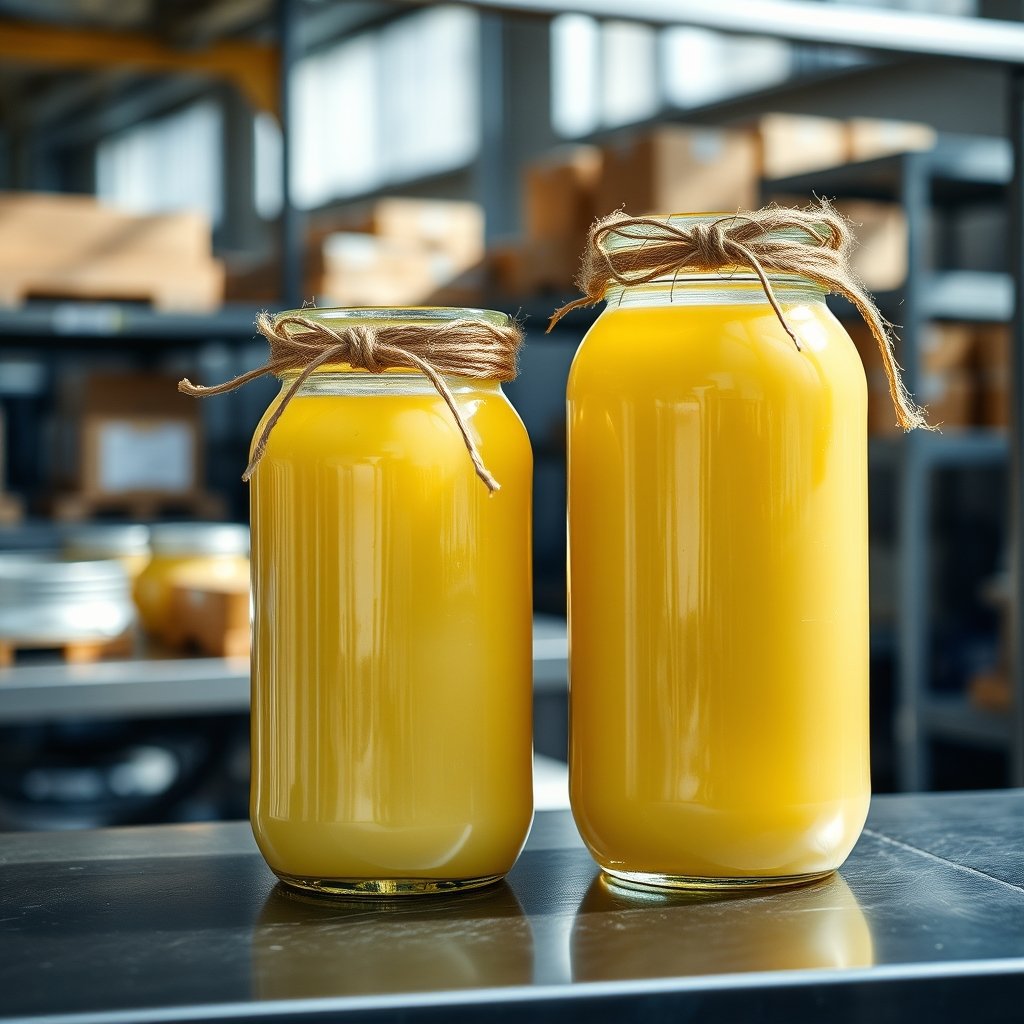
Glass jars provide an entirely non-reactive barrier that preserves the natural aroma and granular texture of A2 Gir cow ghee without absorbing ambient kitchen odours or transferring metallic notes over time. Because glass is transparent, buyers can immediately see the golden colour and coarse grain formed during traditional slow cooking, which builds trust on retail shelves or in digital storefronts. Tin containers, made of food-grade coated metal, also protect the fat from ambient air and light exposure, preventing light-induced oxidation. However, tin containers do not allow consumers to inspect the physical grain of the ghee before opening, relying entirely on exterior label branding to convey quality.
How do glass and tin compare on transit safety and freight costs?
Tin containers handle rugged transit conditions with minimal risk of shattering, making them resilient for long-distance courier shipping across varied transit routes. Glass jars require heavier protective packaging, such as double-walled outer corrugated cartoning and internal dividers, to prevent breakage during handling. This extra protective packing material, combined with the inherent weight of glass, increases the total billable freight weight for each order. Tin is noticeably lighter, which can reduce courier charges per shipment, but metal can dent under heavy physical impact, affecting shelf presentation even if the seal remains intact.
Our cows are not use and throw

A cow that stops giving milk is still our cow. She stays on the farm, with the same feed, the same shed and the same medical care she had when she was milking. We do not sell her on and we do not let her go. That is the whole basis of the ghee we make — you cannot ask an animal for her milk and then abandon her for it.
Our mission goes further than our own herd. There are cows on the street who are injured every day, who eat plastic, who cry through the night with nobody coming. We want to take them in. The plan is a chain of Organic Farmz gaushalas in several places, so that help is not one shed in one city but something a hurt animal can actually reach.
This takes more than we can carry alone — land, fodder, vets, hands. Come and join our initiative. Anything you give goes to feed, treat and shelter these cows.

Scan with any UPI app
Bank transfer
- Account name Organic Farmz
- Bank Indian Bank
- Account number 8133177322
- IFSC code IDIB000K555
- UPI ID organicfarmz@ptaxis
On a phone, the button above opens your UPI app directly — a QR on the screen you are reading cannot be scanned by that same screen. On a laptop, scan the code with your phone instead.
What are the main structural differences between glass and tin containers?
The structural characteristics of glass and metal containers shape both customer experience and logistics handling.
| Packaging Feature | Glass Jars | Tin Containers |
|---|---|---|
| Aroma & Fat Protection | Non-reactive surface preserves pure bilona aroma | Sealed metal blocks light exposure effectively |
| Visual Appeal | Transparent glass shows natural grain and color | Opaque wall hides fat texture until opened |
| Breakage & Handling | Requires robust shock-absorbing courier cartoning | Durable under shock, though subject to exterior denting |
| Transit Weight Impact | Heavier tare weight increases total courier fees | Lighter tare weight keeps shipping weight lower |
How does white-label production handle packaging and delivery?
When partnering with Organic Farmz for custom-branded A2 Gir cow ghee made by the hand-churned bilona method near Delhi, the packaging workflow follows a clear, structured sequence. The arrangement begins when an enquiry arrives via WhatsApp or email stating the brand name, desired jar size, estimated monthly volume, and requested delivery date for the initial batch. A sample batch is then provided and tasted to confirm quality before moving forward. Once approved, a written agreement is drafted to lock in the rate, order volume, container specifications, artwork ownership, and clear procedures for resolving any batch concerns. The brand partner provides print-ready artwork carrying their own FSSAI number and required regulatory declarations. Organic Farmz then manufactures the ghee to order and delivers fully finished, sealed, labelled, and code-stamped glass jars that are ready for immediate customer dispatch, eliminating any need for the buyer to handle or repack the fat.
How do you start a white-label ghee partnership?
Starting a custom-labelled ghee product line requires selecting container formats that match your target market's preferences and logistics requirements. Because minimum order quantities, unit rates, and delivery lead times are determined individually for each partner during the initial sampling phase, these details are established directly during consultation rather than fixed in advance. To review how our team near Delhi churns pure bilona ghee and prepares ready-to-ship glass jars for your brand, visit our white-label partnership page and send your initial batch details to initiate a tasting sample.
Taste the difference
Small-batch A2 Gir cow ghee, hand-churned to order and delivered across India. Read how we make it if you want the detail first.
Order a jarKeep reading
-
 Glass or Tin for a Ghee Brand: Choosing the Pack
Glass jars provide visibility and premium shelf presence for bilona ghee, while food-grade tins offer…
-
 Ghee Packaging for Brands: Glass Preserves Aroma Best
Glass packaging protects bilona ghee aroma and shelf appeal best, whereas tin lowers transit weight and…
-
 Ghee Jar Sizes for Brands: Use Small Jars for Trial
Small ghee jar sizes lower checkout prices to drive customer trial, while larger jars improve courier…