
Writing Quality Terms Into a Ghee Supply Contract: Sensory, Retention, and Rejection Clauses

How should quality terms be written into a ghee supply contract?
Quality terms in a ghee supply contract must be written as specific, checkable standards rather than vague promises of purity, using clear sensory descriptions, designated sample retention protocols, agreed testing responsibilities, and unambiguous steps for handling rejected batches. When two businesses agree to trade food products under a private label, general words like premium or high-grade leave too much room for disagreement. A proper contract replaces adjectives with actions.
At Organic Farmz, we make A2 Gir cow ghee using the traditional hand-churned bilona method for various partner brands. Through our experience in white-label partnerships, we have learned that clear expectations prevent disputes before the first glass jar is filled and packed.
What sensory checks belong in a ghee supply agreement?
Sensory checks in a ghee supply agreement should specify the expected aroma, colour, and grain structure of the fat at standard room temperature. A well-written clause notes that pure bilona ghee smells naturally rich and nutty, shows a golden-yellow hue influenced by the seasonal grasses grazed by the Gir cows, and develops a fine granular texture as it cools. The contract should state that the buyer or their designated team will inspect a pre-production sample against these exact sensory markers before any bulk production begins.
Our cows are not use and throw

A cow that stops giving milk is still our cow. She stays on the farm, with the same feed, the same shed and the same medical care she had when she was milking. We do not sell her on and we do not let her go. That is the whole basis of the ghee we make — you cannot ask an animal for her milk and then abandon her for it.
Our mission goes further than our own herd. There are cows on the street who are injured every day, who eat plastic, who cry through the night with nobody coming. We want to take them in. The plan is a chain of Organic Farmz gaushalas in several places, so that help is not one shed in one city but something a hurt animal can actually reach.
This takes more than we can carry alone — land, fodder, vets, hands. Come and join our initiative. Anything you give goes to feed, treat and shelter these cows.

Scan with any UPI app
Bank transfer
- Account name Organic Farmz
- Bank Indian Bank
- Account number 8133177322
- IFSC code IDIB000K555
- UPI ID organicfarmz@ptaxis
On a phone, the button above opens your UPI app directly — a QR on the screen you are reading cannot be scanned by that same screen. On a laptop, scan the code with your phone instead.
How are sample retention rules handled in the contract?
Sample retention rules require both the maker and the buyer to keep sealed reference jars from the exact same production batch for the duration of the product's shelf life. If a dispute arises regarding a delivered shipment, these retained reference samples serve as the physical baseline for comparison. The agreement must state where these jars are stored, how they are labelled with batch numbers and production dates, and who has the authority to open them if a quality question is raised.
Who pays for laboratory testing if a dispute occurs?
The contract must explicitly state who pays for laboratory testing when a batch's quality is questioned, typically dictating that the party requesting the test covers the initial cost unless the sample fails to meet agreed specifications, in which case the producing dairy covers the expense. Because testing involves specific parameters like moisture content and fatty acid profiles, the agreement should also name the accredited laboratory acceptable to both parties to avoid arguments over testing methods.
What happens when a batch is rejected under the contract?
A rejection clause must outline the exact timeline for inspecting delivered goods, the method for notifying the maker of a defect, and whether the remedy is a replacement batch, a credit note, or a contract termination. In practical terms, because our ghee arrives as sealed, labelled, code-stamped glass jars ready for direct shipment to customers, any inspection must happen promptly upon delivery before the jars are dispatched to end consumers. Clear procedures ensure both parties understand their liabilities without unnecessary friction.
If you are exploring private-label production for your own brand, you can learn more about how we handle sample approvals, custom artwork, and batch schedules by visiting our white-label partnership page.
Taste the difference
Small-batch A2 Gir cow ghee, hand-churned to order and delivered across India. Read how we make it if you want the detail first.
Order a jarKeep reading
-
 White-Label Ghee Agreement: 7 Essential Clauses
A white-label ghee agreement must define rates, batch volume, artwork rights, glass jar specs, quality…
-
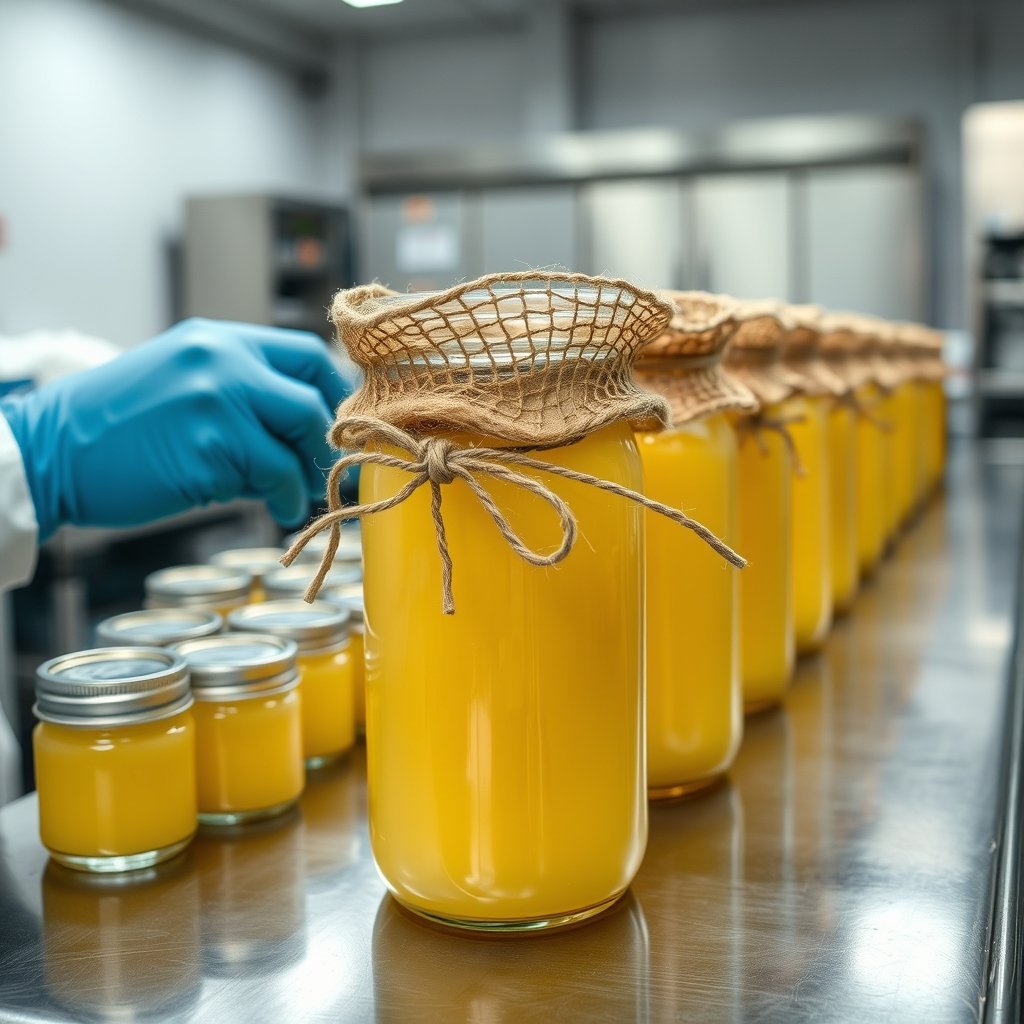 Making Own Ghee vs Contracting: An Honest Comparison
Making your own ghee gives full control but takes heavy capital, while contract manufacturing speeds launch…
-
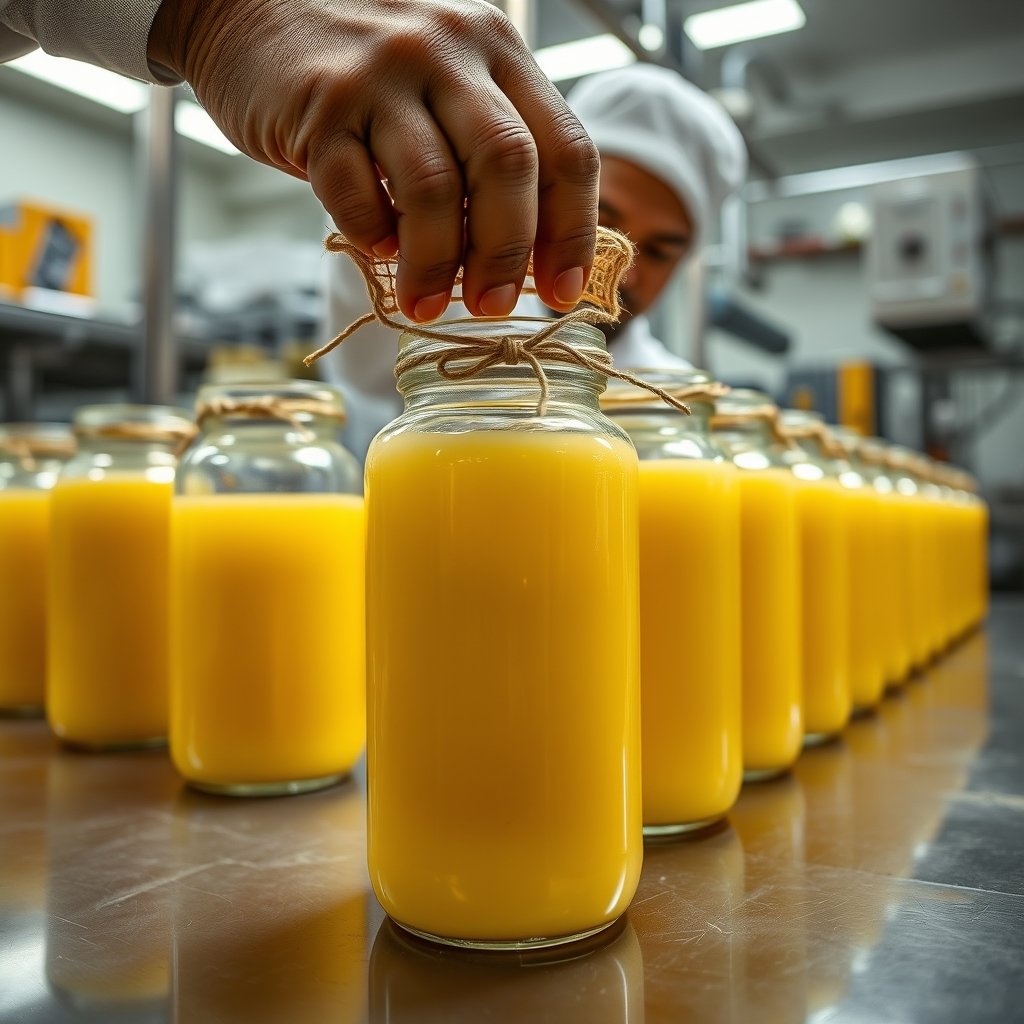 Private Label Ghee: Both FSSAI Numbers Required
A private label ghee jar must show both the brand owner's FSSAI license number and the manufacturer's FSSAI…
