
Choosing a Ghee Manufacturer: Fifteen Things to Settle
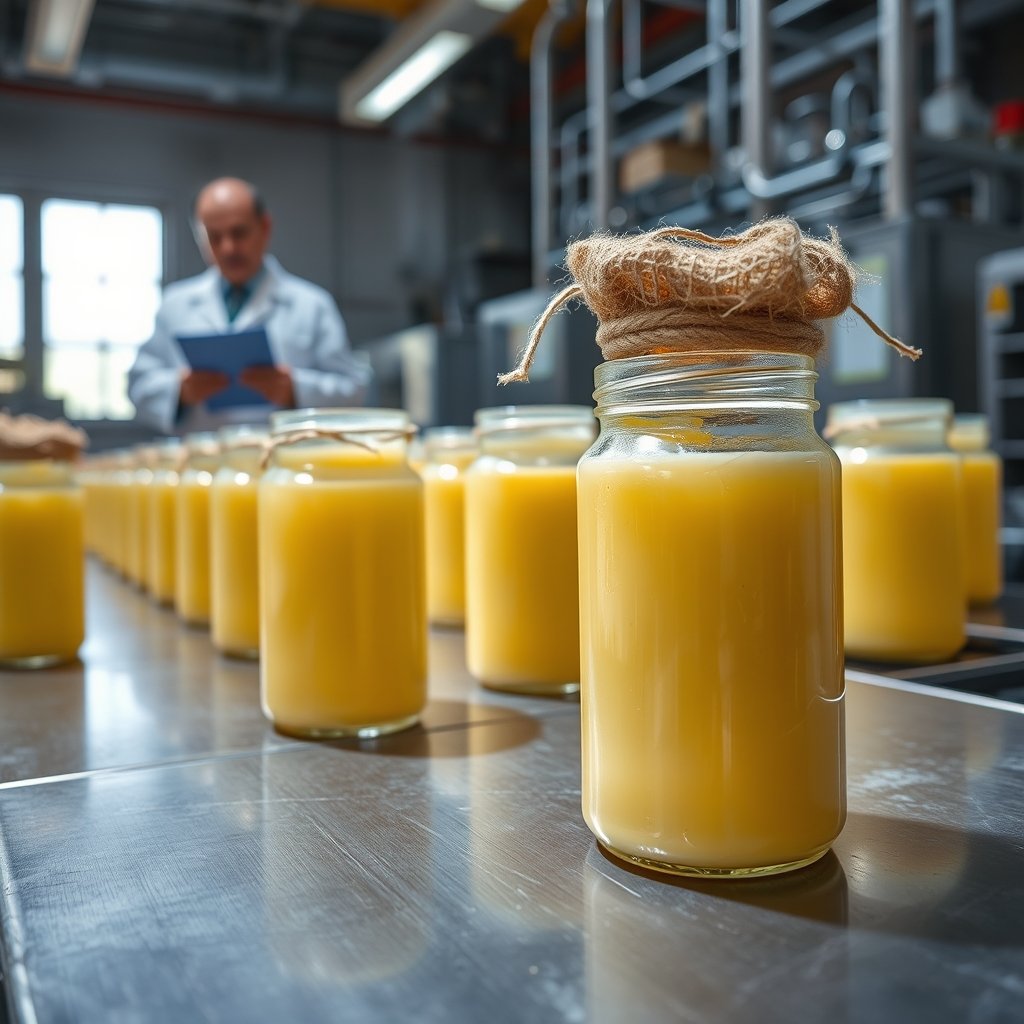
Choosing a ghee manufacturer requires settling fifteen specific operational points before any supply agreement is signed, covering everything from the origin of the milk to the final jar seal.
What is the source and breed of the cattle?
The herd's breed dictates the starting fat. A buyer must confirm whether the maker uses specific dairy breeds like indigenous Gir cows known for A2 milk, or mixed breeds. Understanding the feed and living conditions on the farm sets the baseline for the fat you intend to put your brand name on.
How is the butter churned from the milk?
The manufacturing method shapes flavor, grain, and aroma. A traditional bilona method involves boiling milk, setting it to curd, churning that curd with a wooden churner to extract makkhan, and slowly melting that butter down. A maker using industrial direct-cream methods uses high-speed separators instead, which yields a very different fat profile.
Who gets the milk first?
The timeline from milking to boiling affects freshness. A dedicated dairy unit processes its own milk on-site or nearby daily, whereas a processor buying surplus milk from open mandis handles a fluid that has already traveled and aged before production begins.
Are batch records maintained for every production run?
Traceability demands documentation. Every batch should have records showing the production date, the volume of butter melted, and the specific milk lot used so that any variation can be traced back to its origin.
How are sample batches handled before commercial orders?
A maker should always supply a trial sample for tasting and testing before any bulk contract is signed. This allows the brand owner to check aroma, texture, and grain under real kitchen conditions before committing capital.
What is the agreed pricing structure and rate?
Rates depend on seasonal milk yields, jar sizes, and total volumes. The exact price per litre or kilogram is settled directly with the manufacturer during the sample stage rather than listed on a public tariff sheet.
How is the minimum order quantity determined?
Order minimums vary by production scheduling and packaging availability. Rather than a blanket rule across all accounts, the MOQ is negotiated individually based on your launch scale and storage capacity.
What are the lead times from order to delivery?
Production schedules depend on whether the ghee is made to order or drawn from standing inventory. The lead time is decided during the initial enquiry based on current batch cycles and delivery distances.
Our cows are not use and throw

A cow that stops giving milk is still our cow. She stays on the farm, with the same feed, the same shed and the same medical care she had when she was milking. We do not sell her on and we do not let her go. That is the whole basis of the ghee we make — you cannot ask an animal for her milk and then abandon her for it.
Our mission goes further than our own herd. There are cows on the street who are injured every day, who eat plastic, who cry through the night with nobody coming. We want to take them in. The plan is a chain of Organic Farmz gaushalas in several places, so that help is not one shed in one city but something a hurt animal can actually reach.
This takes more than we can carry alone — land, fodder, vets, hands. Come and join our initiative. Anything you give goes to feed, treat and shelter these cows.

Scan with any UPI app
Bank transfer
- Account name Organic Farmz
- Bank Indian Bank
- Account number 8133177322
- IFSC code IDIB000K555
- UPI ID organicfarmz@ptaxis
On a phone, the button above opens your UPI app directly — a QR on the screen you are reading cannot be scanned by that same screen. On a laptop, scan the code with your phone instead.
Who supplies and holds the jar label artwork?
The brand owner provides print-ready artwork carrying their own mandatory FSSAI registration number and statutory declarations. The manufacturer ensures these labels are applied cleanly to every jar before dispatch.
What packaging materials are used?
Glass jars protect fat flavor and aroma best over tin or plastic containers. A quality manufacturer packs into food-grade glass with tamper-evident seals to ensure the product arrives at the destination in pristine condition.
How are batches tested for purity and quality?
Sensory checks for aroma, grain, and melting point happen at the farm level. Buyers can also request independent laboratory testing reports for specific parameters if required for their retail compliance.
What happens when a batch fails quality expectations?
A clear contract clause must dictate the procedure if either the buyer or the maker is unhappy with a delivered batch. This includes rules for inspection, rejection, replacement, or credit notes.
Are both parties' FSSAI licences verified?
Selling packaged food requires valid regulatory paper. The manufacturer must hold a valid manufacturing licence, and the marketing brand must hold its own repackaging or marketer FSSAI licence printed clearly on the label.
Who handles secondary packaging and transit safety?
Ghee jars require sturdy outer cartons and bubble protection to prevent breakage during transport, especially across long distances. The agreement must state whether secondary transit packaging is included in the quote.
How does the partnership agreement protect both sides?
A written contract should bind all the points above into legal clarity. It should cover rates, volumes, artwork ownership, dispute resolution, and batch rejection terms. For a clear view of how these partnerships operate in practice, you can review our white-label partnership page.
Comparing these variables helps brand owners build a resilient supply chain.
| Criteria | Industrial Direct-Cream Ghee | Traditional Bilona Ghee |
|---|---|---|
| Starting Fat | Cream skimmed directly from raw milk | Curd churned using the bilona process |
| Aroma & Taste | Mild, neutral, standardized factory profile | Rich, nutty, distinct traditional aroma |
Settling these fifteen points ensures that when your branded jars reach a home kitchen, they consistently deliver the authentic quality your customers expect.
Taste the difference
Small-batch A2 Gir cow ghee, hand-churned to order and delivered across India. Read how we make it if you want the detail first.
Order a jarKeep reading
-
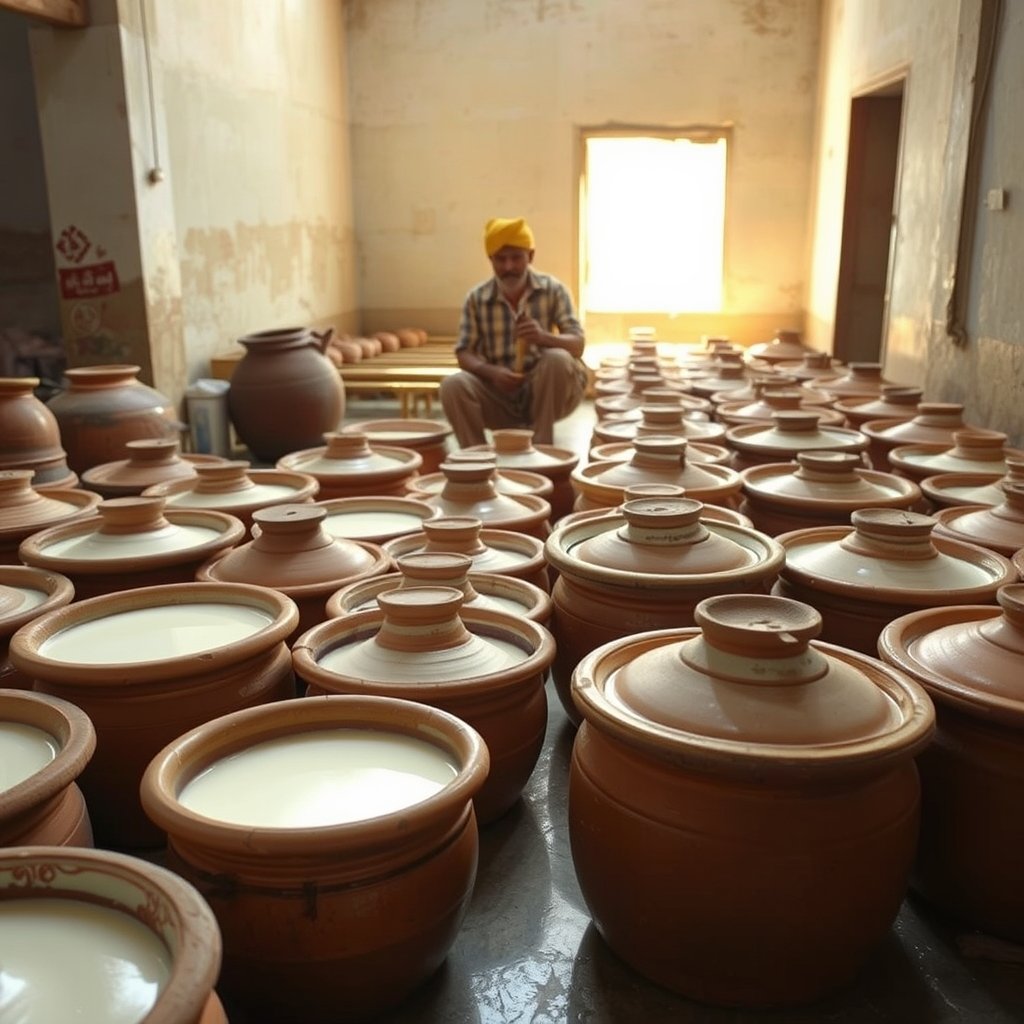 Can Bilona Ghee Be Made at Volume? Yes, by Adding Pots
Bilona ghee scales by repeating small-batch churning across more pots rather than using industrial tanks.…
-
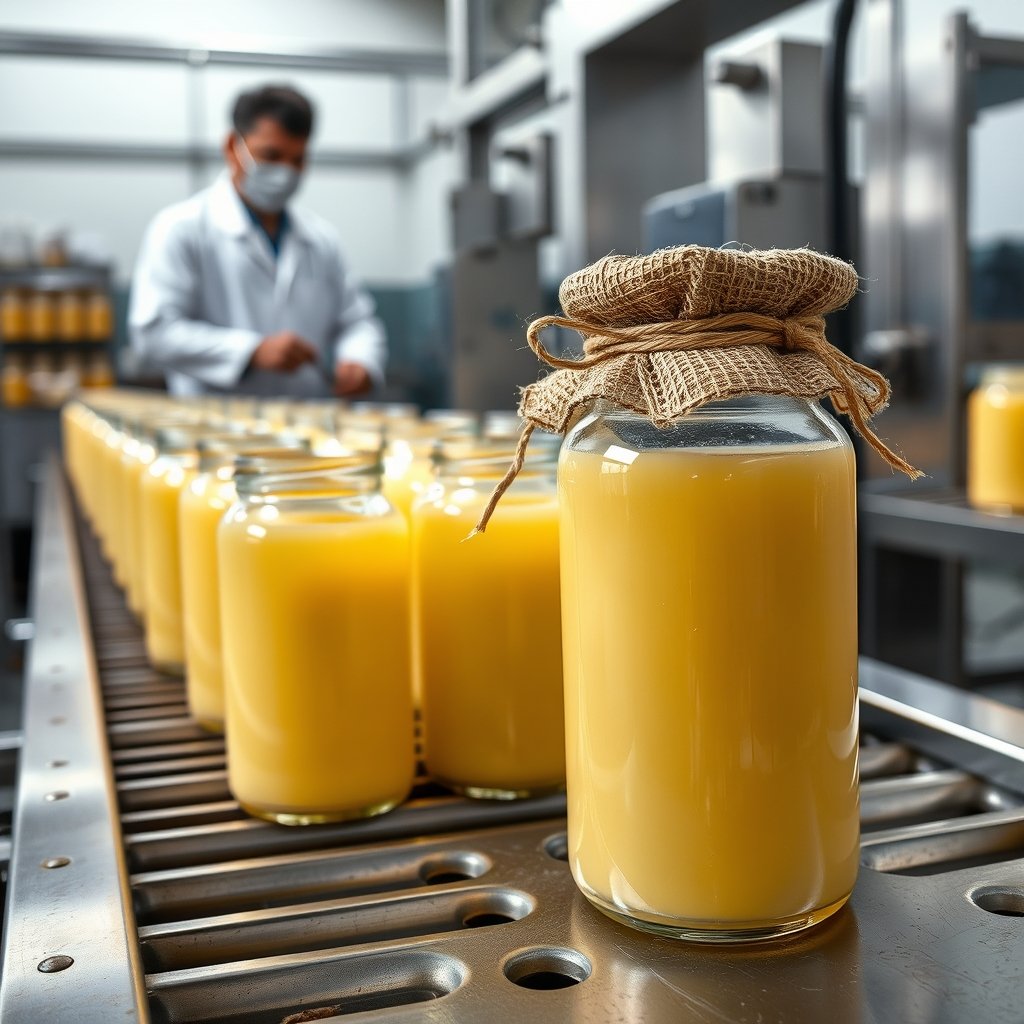 Ayurvedic Ghee Manufacturer: Sourcing Bilona Direct
Ayurvedic brands source A2 Gir cow bilona ghee from custom manufacturing partners to maintain authentic…
-
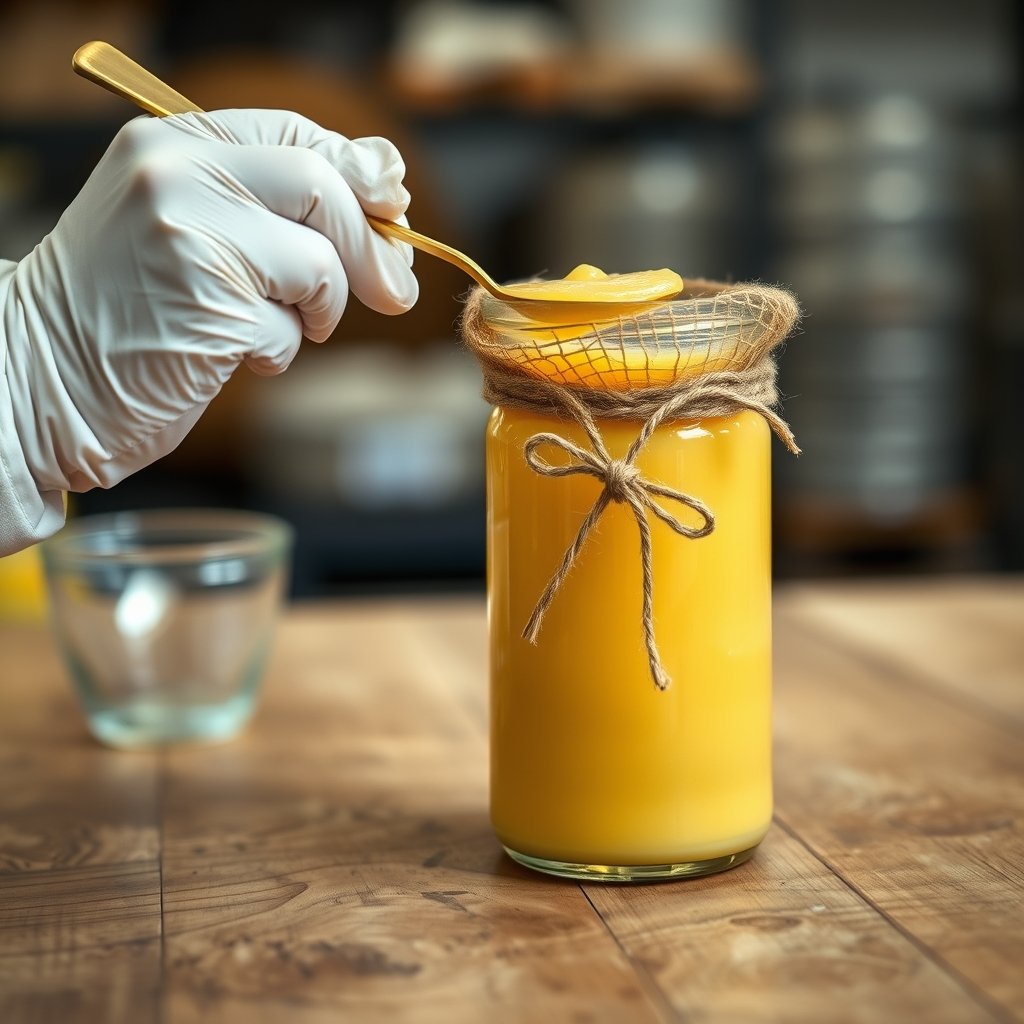 Ghee Sample Batch Before Order: Taste Before You Sign
A ghee sample batch before order allows you to verify aroma and texture before signing. Tasting a physical…
