
Switching From Refined Oil to Ghee: Start with Sautéing
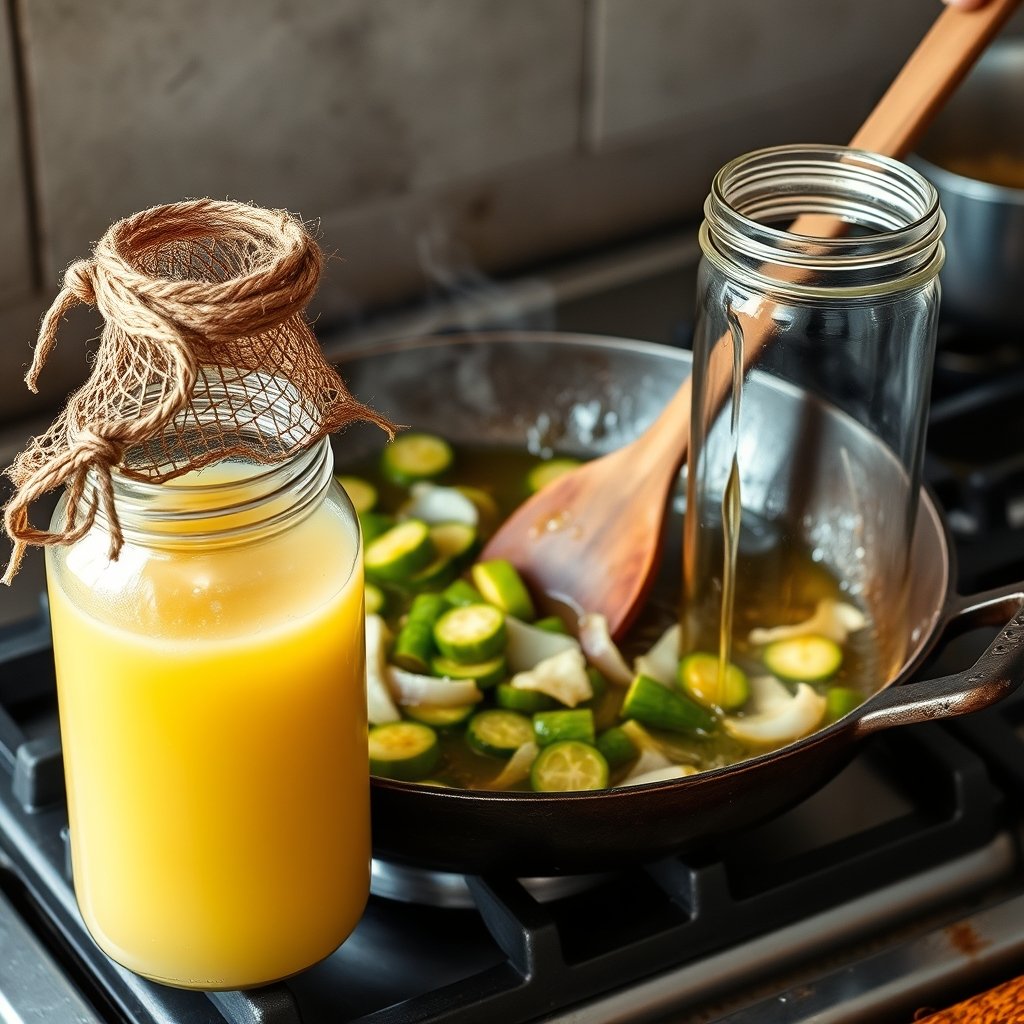
How do I begin the transition to cooking with ghee?
You can start switching from refined oil to ghee by replacing oil in your daily tadkas and dry vegetable sautés where the fat's aroma enhances the spices. Many people find it easiest to start with dishes that already have a strong spice profile, such as a dal tadka or a cumin-heavy aloo sabzi. Because ghee is a solid or semi-solid fat at room temperature in many Indian climates, it behaves differently in the pan than liquid vegetable oils. In the first week of switching, focus on using ghee for finishing touches—smearing it on rotis or stirring a spoonful into hot rice—to get accustomed to the richer flavor profile before using it as your primary cooking medium.
Which dishes should I swap first?
The most seamless way to transition is to use ghee for Indian stovetop cooking, specifically for tempering (tadka). Refined oils are often processed to be neutral in smell and taste, whereas A2 Gir cow ghee made by the bilona method carries a distinct, nutty aroma and a buttery flavor. When you use it for a tadka, the heat releases these aromatics, which complement mustard seeds, curry leaves, and dried chilies. Dry vegetable stir-fries, such as sautéed bhindi or cauliflower, also benefit from the switch because the ghee coats the vegetables more thickly than oil, helping the spices adhere better to the food. Avoid starting with delicate Western pastries or cold salads where a neutral, liquid oil might be structurally necessary, until you are more comfortable with how ghee solidifies.
How do quantities differ between oil and ghee?
When switching from refined oil to ghee, you will typically find that you need slightly less ghee to achieve the same level of flavor and 'mouthfeel' in a dish. Refined oils are often used in larger volumes because they lack inherent flavor. Because bilona ghee is concentrated milk fat with the moisture removed, a single tablespoon can carry the flavor profile of nearly one and a half tablespoons of refined oil. In Ayurvedic tradition, the quality of the fat is prioritized over the quantity. When making a typical subji for four people, if you usually use three tablespoons of refined oil, try starting with two tablespoons of ghee. You can always add a small 'top-up' at the end of cooking if the dish looks dry.
What will taste different when I make the switch?
The most immediate difference you will notice is the aroma and the 'heaviness' on the palate. Refined oils are stripped of their natural scents during the refining process, which often involves bleaching and deodorizing. In contrast, A2 Gir cow ghee made through the traditional bilona method—where curd is churned into butter and then slow-cooked—retains the toasted notes of the milk solids. This means your kitchen will smell like toasted butter during cooking. Some people who are used to the 'clean' or nonexistent taste of vegetable oils may find ghee quite intense at first. However, this intensity is what allows you to use less fat overall while making the food feel more satisfying.
Our cows are not use and throw

A cow that stops giving milk is still our cow. She stays on the farm, with the same feed, the same shed and the same medical care she had when she was milking. We do not sell her on and we do not let her go. That is the whole basis of the ghee we make — you cannot ask an animal for her milk and then abandon her for it.
Our mission goes further than our own herd. There are cows on the street who are injured every day, who eat plastic, who cry through the night with nobody coming. We want to take them in. The plan is a chain of Organic Farmz gaushalas in several places, so that help is not one shed in one city but something a hurt animal can actually reach.
This takes more than we can carry alone — land, fodder, vets, hands. Come and join our initiative. Anything you give goes to feed, treat and shelter these cows.

Scan with any UPI app
Bank transfer
- Account name Organic Farmz
- Bank Indian Bank
- Account number 8133177322
- IFSC code IDIB000K555
- UPI ID organicfarmz@ptaxis
On a phone, the button above opens your UPI app directly — a QR on the screen you are reading cannot be scanned by that same screen. On a laptop, scan the code with your phone instead.
Refined Oil vs. Bilona Ghee: A Quick Comparison
| Feature | Refined Vegetable Oil | Bilona A2 Gir Cow Ghee | |||
|---|---|---|---|---|---|
| Extraction Method | Chemical solvents or high heat | Hand-churned curd (Bilona) | Flavor Profile | Neutral / Tasteless | Rich, Nutty, and Aromatic | Texture at 25°C | Always Liquid | Semi-solid and Grainy | Common Source | Seeds (Soy, Sunflower, Palm) | A2 Gir Cow Milk |
Can I use ghee for deep frying?
Ghee is suitable for deep frying because it has a high smoke point, typically around 250°C (482°F), which is higher than many refined vegetable oils. In Indian homes, special occasion snacks like puri, kachori, or pakoras were traditionally fried in ghee. When you switch to ghee for deep frying, the main difference is the cost and the richness of the final product. Food fried in ghee tends to stay crisp for a slightly different duration than food fried in oil, and it will carry the scent of the ghee. If you are deep frying, ensure you do not let the ghee reach its smoke point repeatedly, as this can eventually degrade the fat, just as it would with any cooking oil.
What should I keep refined oil for?
While ghee can replace oil in most Indian cooking, there are a few instances where you might want to keep a bottle of neutral oil in your pantry. For example, if you are making a traditional mayonnaise or a cold salad dressing, ghee is not suitable because it will solidify when refrigerated. Similarly, some modern baking recipes for cakes or chiffon sponges rely on the liquid nature of vegetable oil to create a specific crumb texture. If you are making a dish where the characteristic 'nutty' smell of ghee would clash with the ingredients—such as certain delicate seafood preparations or specific types of fusion cooking—refined oil remains a practical choice. However, for the vast majority of pulses, grains, and vegetables in the Indian kitchen, the switch is straightforward.
How do I store ghee after opening the jar?
Unlike many refined oils that come in plastic bottles and can go rancid if exposed to light and air over long periods, ghee is highly stable. When you switch, you should store your ghee in a cool, dry place away from direct sunlight. There is no need to refrigerate it, as long as you keep moisture out of the jar. Always use a clean, dry spoon to scoop out the ghee. If water droplets from a wet spoon enter the jar, it can lead to spoilage. Because bilona ghee contains various fatty acids that can change texture with the temperature, you might notice it becomes hard in the winter and liquid in the summer; this is a natural characteristic of pure cow ghee and does not mean the product has gone bad.
Taste the difference
Small-batch A2 Gir cow ghee, hand-churned to order and delivered across India. Read how we make it if you want the detail first.
Order a jarKeep reading
-
 Who Should Not Buy Bilona Ghee: Three Main Reasons
You should not buy bilona ghee if you prefer neutral flavors, need a cheap cooking oil for deep-frying, or…
-
 New Kitchen Essentials: Ghee Replaces Cooking Oils
A single jar of cultured A2 bilona ghee belongs on the counter in a new kitchen, replacing specialized…
-
 Your Ghee Has No Smell at All: It Is Refined or Cold
Ghee lacks aroma when it has been industrially refined, stored in cold conditions, or made from cream. Pure…
