
Your Ghee Has No Smell at All: It Is Refined or Cold

Why does your ghee have no aroma?
Ghee has no smell at all when it has been industrially refined to remove impurities, when it is stored at very cold temperatures that lock in aromatic compounds, or when it was produced using a cream-stripping method rather than the traditional bilona process. In modern dairy production, many brands use high-speed centrifuges to separate cream from milk, which is then boiled directly into ghee. This shortcut skips the essential step of turning the milk into curd and then churning that curd into butter. Without the fermentation process that curd undergoes, the natural diacetyl—the organic compound responsible for that characteristic buttery, nutty aroma—never develops. If your jar smells like nothing, it is often because the fat was never allowed to develop its sensory profile or has been processed to be a neutral cooking medium.
Does the bilona method produce a stronger aroma?
The traditional bilona method produces a deep, multilayered aroma because it relies on the slow fermentation of whole milk into curd. At Organic Farmz, we follow this Vedic sequence: boiling the A2 Gir cow milk, setting it into curd overnight, and then churning that curd with a wooden bilona to extract the makhana (butter). This makhana is then simmered over a low fire. During this slow heating, the milk solids caramelize slightly, releasing a complex scent that ranges from toasted nuts to sweet cream. When you open a jar of bilona ghee, the aroma is often the first thing you notice. If a brand skips the curd stage and uses industrial cream, the resulting fat is much flatter and quieter on the nose.
How does temperature affect the scent of ghee?
Temperature plays a significant role in how we perceive the scent of any fat, including desi ghee. When ghee is in its solid state, particularly during the colder months in Northern India, the volatile aromatic molecules are trapped within the solidified fat crystals. If you put your nose to a cold jar of even the highest quality A2 Gir cow ghee, the scent might seem faint or non-existent. However, as soon as a spoonful hits a hot tawa or is stirred into steaming dal, those molecules are released into the air. This is why a sensory test should always be conducted with warm ghee rather than cold, solid fat from the pantry.
Is refined ghee intentionally made to have no smell?
Many mass-produced vegetable oils and some industrial ghees are refined, bleached, and deodorized (RBD) to create a neutral product. This is done to ensure a long shelf life and to make the fat suitable for a wide variety of cooking styles where a strong buttery scent might not be desired. However, in the context of Indian home cooking and Ayurveda, the aroma is considered a sign of the fat's vitality and purity. A completely neutral or odorless ghee has often been stripped of its natural character through chemical or high-heat refining processes. This results in a product that lacks the soul of traditional desi ghee.
Our cows are not use and throw

A cow that stops giving milk is still our cow. She stays on the farm, with the same feed, the same shed and the same medical care she had when she was milking. We do not sell her on and we do not let her go. That is the whole basis of the ghee we make — you cannot ask an animal for her milk and then abandon her for it.
Our mission goes further than our own herd. There are cows on the street who are injured every day, who eat plastic, who cry through the night with nobody coming. We want to take them in. The plan is a chain of Organic Farmz gaushalas in several places, so that help is not one shed in one city but something a hurt animal can actually reach.
This takes more than we can carry alone — land, fodder, vets, hands. Come and join our initiative. Anything you give goes to feed, treat and shelter these cows.

Scan with any UPI app
Bank transfer
- Account name Organic Farmz
- Bank Indian Bank
- Account number 8133177322
- IFSC code IDIB000K555
- UPI ID organicfarmz@ptaxis
On a phone, the button above opens your UPI app directly — a QR on the screen you are reading cannot be scanned by that same screen. On a laptop, scan the code with your phone instead.
How can you test the aroma of your ghee at home?
To accurately judge if your ghee is truly odorless or just cold, you should perform a simple heat test. Take one teaspoon of the ghee and place it on a clean, warm pan over low heat. As the fat melts and reaches a liquid state, lean in and inhale. Pure bilona ghee will immediately fill the air with a rich, toasted scent. If the liquid fat remains completely odorless even when hot, it is a strong indicator that the ghee was made from uncultured cream or has been heavily processed. You can also rub a drop of ghee on the back of your palm; the warmth of your skin should trigger a faint, pleasant nutty smell within seconds.
| Feature | Industrial Cream Ghee | Traditional Bilona Ghee |
|---|---|---|
| Primary Ingredient | Fresh cream or malai | Cultured curd (Dahi) |
| Aroma Profile | Neutral, flat, or milky | Deep, nutty, and toasted |
| Fermentation Step | Skipped | Mandatory (Overnight) |
| Aroma Compounds | Low diacetyl levels | Rich in natural diacetyl |
Why does the aroma of ghee change over time?
While fresh bilona ghee has a vibrant and robust scent, the aroma can soften as the jar stays open and is exposed to air. This is a natural process of oxidation. However, even an older jar of pure ghee should never become completely odorless; it will simply move from a sharp, fresh scent to a more mellow, subdued one. If your ghee starts with no smell and never develops one even when heated, it is not a matter of age but a matter of how it was manufactured. True A2 Gir cow ghee, made with the patience of the bilona method, carries the scent of the fire and the curd from the first scoop to the last.
Does the cow's diet influence the final scent?
The scent of ghee is also a reflection of what the Gir cows are eating. Cows that graze on natural pastures and seasonal greens produce milk with a different fatty acid profile than those kept on dry fodder. These nuances are captured in the fat. When you use the bilona method, you preserve these subtle environmental notes. Industrial processing tends to homogenize everything, removing the specific scent of the farm and the season to create a product that is identical every time. For those used to the rich, variable aroma of farm-fresh bilona ghee, a neutral industrial jar can feel like it has no smell at all.
Taste the difference
Small-batch A2 Gir cow ghee, hand-churned to order and delivered across India. Read how we make it if you want the detail first.
Order a jarKeep reading
-
 Ghee Smells Bad: Discard Fat If Sour or Rancid
Ghee with a sour, paint-like, or metallic smell is rancid and unsafe to eat, so you should discard it…
-
 Switching From Refined Oil to Ghee: Start with Sautéing
Start switching from refined oil to ghee by using it for tempering and vegetable sautés, where a small…
-
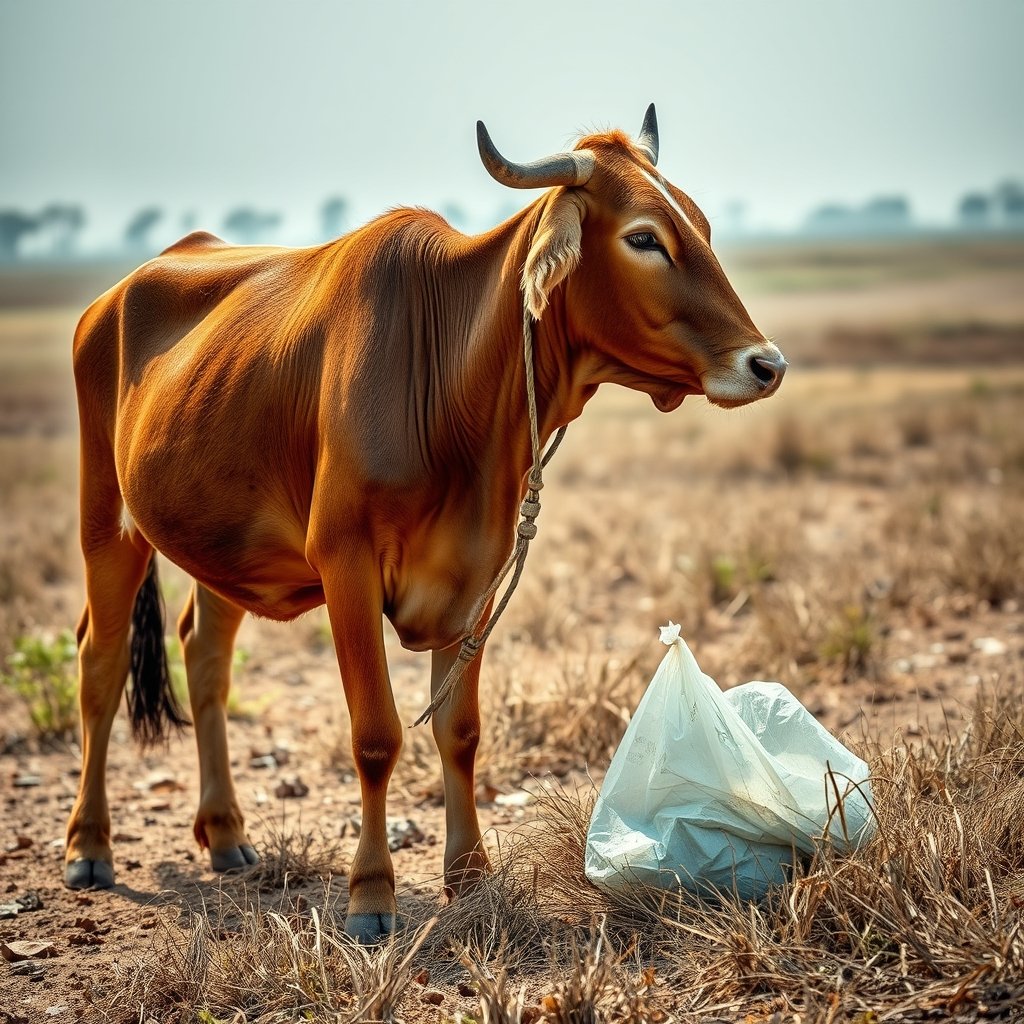 Cows Eat Plastic Because of Food Smells: It Blocks the Rumen
Cows eat plastic because they smell food scraps in discarded bags, leading to a rumen blockage. This…
