
Ghee Tastes Too Strong: Why It Happens and How to Fix It

Ghee tastes too strong when your household is accustomed to mild, industrial dairy fats and you introduce an authentic A2 bilona ghee that carries natural lactic acidity, deeply caramelized curd solids, and pasture-grazed aromatics. When someone in the family pushes their plate away or asks why the dal smells pungent, their palate is not defective. Modern palates have been trained on neutral refined oils and bland commercial ghee, making the rich, earthy profile of slow-simmered hand-churned fat feel startling at first.
Why does traditional bilona ghee taste and smell so intense?
Traditional bilona ghee tastes robust because it is made by fermenting whole A2 Gir cow milk into curd before churning it into butter. This fermentation produces organic compounds, particularly diacetyl and lactic acids, which give the butter a distinctly tangy, nutty baseline. When that cultured butter (makkhan) is simmered slowly over a gentle flame, the residual milk solids brown gradually at the bottom of the vessel. That caramelization releases nutty, toasty aromatic notes. In contrast, most commercial brands extract raw cream directly from milk using mechanical separators and boil it immediately without any fermentation, yielding a flat, sweet, almost odorless fat.
The breed and forage of the cow also alter the flavor profile. Indigenous Gir cows that graze freely on natural grasses, wild herbs, and regional green fodder produce milk rich in carotene and diverse fatty acids. These compounds concentrate during clarification, producing an earthy, robust dairy note that factory-farmed cows raised purely on dry cattle feed never produce.
Is a strong ghee taste a sign that the jar has spoiled?
A strong flavor is normal for cultured ghee, but it is important to distinguish between authentic bilona intensity and rancidity. Fresh, well-made bilona ghee has a savory, roasted, slightly nutty aroma with a subtle lactic tang that cleans up cleanly on the tongue without leaving a greasy coating. The fat melts smoothly at body temperature.
Rancid ghee, on the other hand, tastes sour, bitter, or chemical, resembling stale oil, old wax, or metallic paint. It will also produce an acrid tickle in the back of your throat. If your jar simply smells richer and more roasted than commercial dairy tins, the fat is wholesome and stable; it is merely an unrefined, traditionally fermented product.
How do commercial cream ghee and traditional bilona ghee compare?
The culinary difference between mass-market ghee and bilona ghee comes down to how each fat is extracted and heated during production.
| Feature | Commercial Cream-Based Ghee | Traditional A2 Bilona Ghee |
|---|---|---|
| Fat Source | Direct industrial cream separated from milk | Cultured curd churned into makkhan |
| Fermentation | None; sweet cream process | Overnight whole-milk curd culture |
| Heat Profile | High-temperature industrial boiling | Low, slow simmer on controlled heat |
| Aroma | Faint, mildly sweet, or completely neutral | Deeply nutty, toasted, slightly fermented |
| Palate Feel | Smooth, light, often lacks lingering depth | Warm, granular (danedar), savory finish |
Our cows are not use and throw

A cow that stops giving milk is still our cow. She stays on the farm, with the same feed, the same shed and the same medical care she had when she was milking. We do not sell her on and we do not let her go. That is the whole basis of the ghee we make — you cannot ask an animal for her milk and then abandon her for it.
Our mission goes further than our own herd. There are cows on the street who are injured every day, who eat plastic, who cry through the night with nobody coming. We want to take them in. The plan is a chain of Organic Farmz gaushalas in several places, so that help is not one shed in one city but something a hurt animal can actually reach.
This takes more than we can carry alone — land, fodder, vets, hands. Come and join our initiative. Anything you give goes to feed, treat and shelter these cows.

Scan with any UPI app
Bank transfer
- Account name Organic Farmz
- Bank Indian Bank
- Account number 8133177322
- IFSC code IDIB000K555
- UPI ID organicfarmz@ptaxis
On a phone, the button above opens your UPI app directly — a QR on the screen you are reading cannot be scanned by that same screen. On a laptop, scan the code with your phone instead.
How can you soften strong ghee flavor in everyday cooking?
You do not need to discard the jar or force your family to tolerate an aroma they find overwhelming; simple adjustments in the pan will temper the pungency while keeping the nutritional benefits intact.
First, cook with the ghee rather than using it as a raw garnish. Drizzling strong bilona ghee raw over steaming rice or boiled lentils concentrates the aroma right beneath the nose. Instead, use the ghee as your cooking base or in a hot tadka. Sautéing whole cumin seeds, black mustard seeds, freshly grated ginger, crushed garlic, or a pinch of hing directly in the hot fat breaks down volatile lactic compounds and melds the ghee into the spices.
Second, fold the ghee into warm carbohydrates during prep. Kneading two teaspoons of bilona ghee into whole wheat chapati dough mellows the fat completely, yielding tender rotis with a gentle, nutty richness instead of a sharp scent. You can also mix it half-and-half with a milder cold-pressed oil, like groundnut or sesame, for the first two weeks while your household gets used to the profile.
How does ayurveda view the sharp flavor of cultured ghee?
Classical Ayurvedic texts, including the Charaka Samhita, specifically recommend dadhija ghrita—ghee made from curdled milk—over ksheeraja ghrita, which is ghee made from direct cream. Ayurveda notes that curd-derived bilona ghee preserves deepana and pachana properties, meaning it naturally stimulates the digestive fire (agni) without aggravating pitta.
The slightly sharp, fermented notes that some family members notice are the sensory signatures of this traditional culture. In classical dietary practice, pure cow ghee is regarded as yogavahi, a carrier substance that absorbs and amplifies the properties of whatever spices it is heated with. When tempered properly with everyday kitchen spices, its assertive profile resolves into a balanced, warming finish that nourishes the body comfortably.
What should you do if family members still resist the taste?
If children or elders still resist the aroma after you have tried tempering it in curries, dedicate the jar to roasted and baked foods where nutty fat is naturally welcome. Use it to roast suji for halwa, pan-toast besan laddus, or shallow-fry parathas on a hot tawa. High-carbohydrate, sweet, and roasted preparations absorb strong dairy notes and turn them into a prized, bakery-style richness that even sensitive palates enjoy.
Taste the difference
Small-batch A2 Gir cow ghee, hand-churned to order and delivered across India. Read how we make it if you want the detail first.
Order a jarKeep reading
-
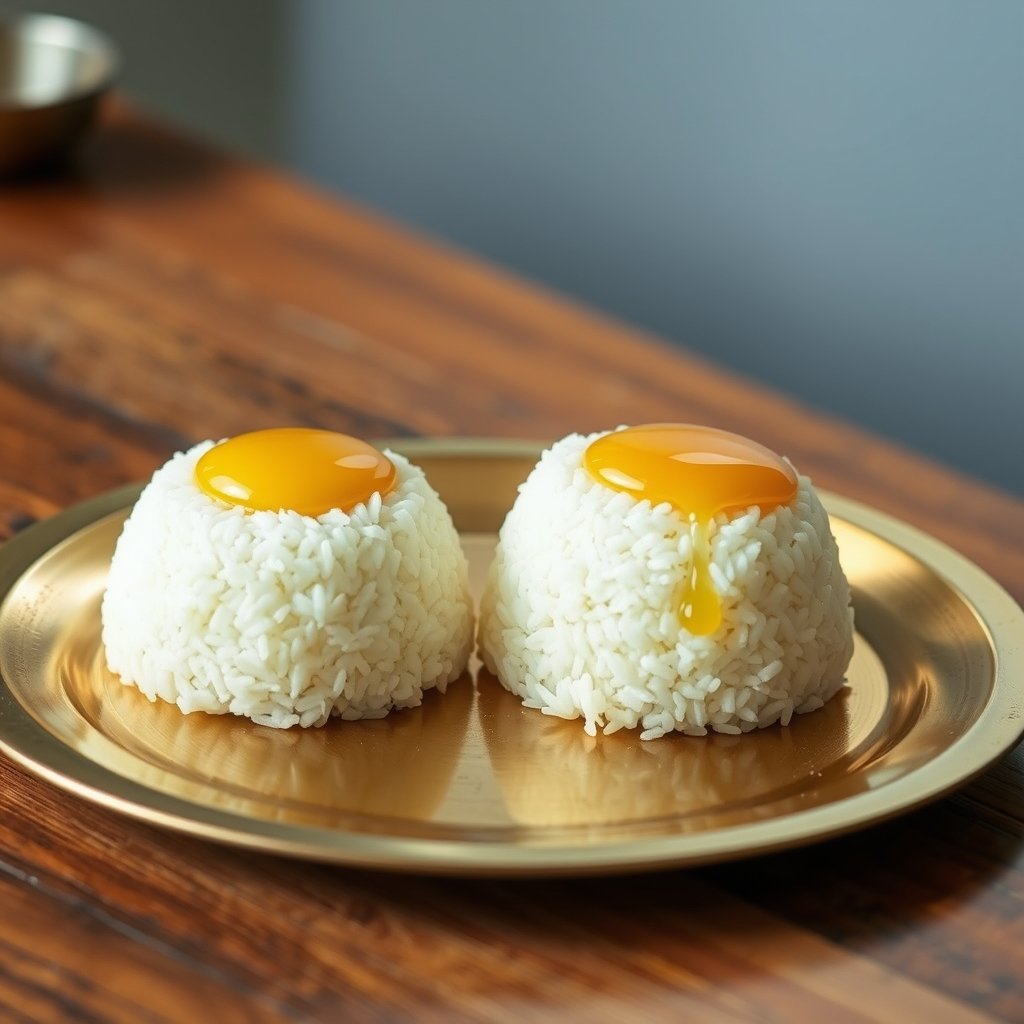 Changing Ghee Brand: Compare Two Side by Side
To compare ghee brands without guessing, test equal amounts on warm roti and room-temperature rice on the…
-
 Ghee Sample Batch Before Order: Taste Before You Sign
A ghee sample batch before order allows you to verify aroma and texture before signing. Tasting a physical…
-
 A2 vs Regular Ghee: Buy A2 for Taste, Regular for Frying
Buy A2 bilona ghee if you spoon it over warm dal or roti; standard commercial ghee suits heavy deep-frying…