
Changing Ghee Brand: Compare Two Side by Side
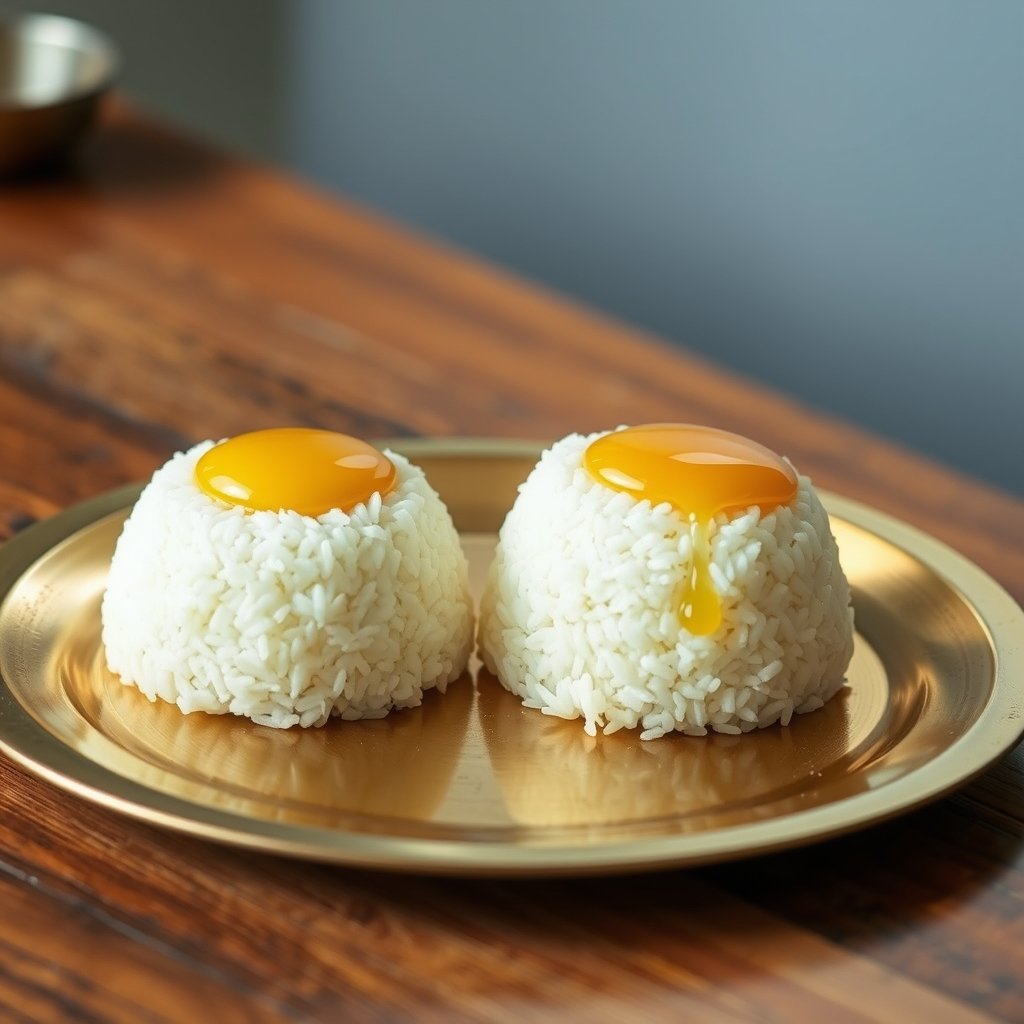
When changing your ghee brand, compare two options by tasting equal amounts melted over the same neutral warm food on the same day. Evaluating ghee in isolation often leads to misjudgments based on memory rather than direct flavor, aroma, and texture. By creating a side-by-side comparison in your own kitchen using basic home staples like fresh phulkas or steamed rice, you can determine whether a new jar offers the depth, aroma, and richness your family prefers without relying on marketing claims.
Why should you compare two ghee brands on the same day?
Tasting two jars of ghee side by side on the same day removes variables like ambient temperature, humidity, and atmospheric freshness that alter how fat releases its aroma. Ghee changes physically with the weather; in cooler months, fats consolidate into firm grains, whereas summer heat turns the jar liquid. If you try one brand in July and another in November, your perception of texture and mouthfeel will be skewed by room temperature. Sampling both at the same time ensures both jars are at identical temperatures and that your palate compares them on equal terms.
How do you set up a side-by-side ghee taste test at home?
Setting up a fair comparison requires simple neutral foods, identical quantities, and clean utensils to avoid cross-contamination. Take two plain, unseasoned warm phulkas or two small bowls of freshly steamed hot rice. Measure exactly half a teaspoon of each ghee brand onto the separate portions. Avoid using heavily spiced dals or seasoned curries during the initial comparison, as strong spices like cumin, cloves, and chilli mask subtler dairy notes. Allow the heat of the food to melt the ghee naturally for ten seconds before smelling and tasting each sample.
| Evaluation Metric | Industrial Processed Ghee | A2 Gir Cow Bilona Ghee |
|---|---|---|
| Aroma upon heating | Mild, slightly flat, or intense cooked milk note | Rich, nutty, toasted aroma with subtle cultured notes |
| Grain structure (Danedaar) | Uniform fine particles or smooth greasy paste | Distinct, golden, natural grains suspended in liquid fat |
| Warm taste on roti | Slightly oily, clean fat coat on the tongue | Deep, rounded dairy richness that enhances wheat flavor |
| Room temperature mouthfeel | Waxy or heavy residual feel on the palate | Clean melt with no sticky film remaining on tongue |
Our cows are not use and throw

A cow that stops giving milk is still our cow. She stays on the farm, with the same feed, the same shed and the same medical care she had when she was milking. We do not sell her on and we do not let her go. That is the whole basis of the ghee we make — you cannot ask an animal for her milk and then abandon her for it.
Our mission goes further than our own herd. There are cows on the street who are injured every day, who eat plastic, who cry through the night with nobody coming. We want to take them in. The plan is a chain of Organic Farmz gaushalas in several places, so that help is not one shed in one city but something a hurt animal can actually reach.
This takes more than we can carry alone — land, fodder, vets, hands. Come and join our initiative. Anything you give goes to feed, treat and shelter these cows.

Scan with any UPI app
Bank transfer
- Account name Organic Farmz
- Bank Indian Bank
- Account number 8133177322
- IFSC code IDIB000K555
- UPI ID organicfarmz@ptaxis
On a phone, the button above opens your UPI app directly — a QR on the screen you are reading cannot be scanned by that same screen. On a laptop, scan the code with your phone instead.
What should you look for when tasting ghee warm versus cold?
Ghee reveals different characteristics depending on whether it is warm and liquid or solid at room temperature. When warm, heat volatilizes aromatic compounds, releasing the sweet, nutty scent characteristic of slow-clarified butter. A high-quality cultured bilona ghee made from A2 Gir cow milk will release a mild, pleasant aroma that fills the immediate space above the hot food without smelling burnt or artificial. When tasted slightly cool or at room temperature, a good ghee should melt smoothly on the tongue without leaving a thick, waxy, or paraffin-like film behind. A heavy coating on the roof of your mouth often indicates fast high-heat processing or improper clarification.
Why does the base food matter when changing your ghee brand?
Using a neutral grain base like warm wheat bread, plain rice, or boiled potatoes allows you to isolate the true flavor profile of the butterfat. Strong ingredients obscure off-notes, high acidity, or lack of aroma in lower-grade fats. In traditional Indian kitchens and ayurvedic practices, ghee is valued not just as a cooking fat, but as a carrier of flavors and nutrients. When tested on simple rice or a warm phulka, genuine bilona ghee displays a delicate cultured tang from the curd fermentation stage, balanced by a gentle nuttiness earned from slow simmering over low heat.
How does traditional bilona ghee perform in everyday Indian cooking?
Traditional bilona ghee behaves predictably in daily cooking because it is prepared by churning curd rather than cream, leaving behind balanced fat solids and low moisture. When added to hot dal as a final tadka, it crackles evenly with mustard seeds and cumin without spitting excessively. On parathas, it absorbs evenly into the dough layers, imparting a golden crust and distinct aroma without making the bread feel greasy. For sweet preparations like besan halwa or rava ladoo, the distinct graininess of bilona ghee holds together the roasted flour while providing a traditional aroma that lingers pleasantly. Making the switch to a handcrafted A2 Gir cow ghee becomes clear once you experience how these subtle physical and culinary qualities improve simple daily meals.
Taste the difference
Small-batch A2 Gir cow ghee, hand-churned to order and delivered across India. Read how we make it if you want the detail first.
Order a jarKeep reading
-
 Comparing Ghee Brands in a Shop: Check Method and Aroma
Compare ghee brands by checking the label for the bilona method and observing the grain size and aroma to…
-
 D2C Ghee Brand India: The Work Is Front of House
Launching a D2C ghee brand in India succeeds or fails on customer service, packaging, and brand reach rather…
-
 Start Your Own Ghee Brand in India: The 5 Steps
Starting a ghee brand in India requires choosing your buyer, tasting producer samples, securing FSSAI…
