
Bhai Dooj Sweets Ghee: Pick Bilona for Texture

Traditional Bhai Dooj sweets made at home taste cleanest and hold their texture best when prepared with cultured A2 bilona ghee. Because home-cooked sweets like besan ladoo, ata halwa, and panjiri rely on ghee as both the cooking medium and the primary binder, using a fat with a high smoke point and low moisture content keeps the sweets soft without letting them turn greasy or stiff overnight.
What Ghee Works Best for Bhai Dooj Sweets?
A cultured A2 Gir cow ghee made through the traditional bilona method works best for festival sweets because it contains minimal residual water and carries a natural, rounded aroma. When whole milk is cultured into curd, churned into butter, and clarified slowly over a gentle flame, the resulting fat separates cleanly from the milk solids. This thorough clarification prevents sugar from crystallising prematurely and stops flour-based sweets from becoming heavy as they cool down.
How Does Bilona Ghee Affect Besan Ladoo Texture?
Bilona ghee allows gram flour to roast evenly across low heat without clumping or scorching, which produces a light, granular texture in finished besan ladoos. Gram flour absorbs fat continuously during the roasting stage. If the cooking fat contains excess moisture or unclarified milk solids, the flour steams rather than roasts, leading to a raw paste feel on the palate. A well-clarified bilona fat lets the besan turn golden-brown while releasing a nutty aroma, ensuring the ladoos hold their shape at room temperature without bleeding oil onto the plate.
Why Does Halwa Taste Different the Next Day?
Halwa tastes different the next day because the fat absorbed by roasted flour or semolina sets as the sweet dish cools down to ambient room temperature. When prepared with commercial cream ghee or refined oils, the fat can congeal into a firm layer or oxidise quickly, leaving a heavy or waxy coating in the mouth after twenty-four hours. Traditional bilona ghee remains stable at room temperature, allowing sweets like wheat halwa or moong dal halwa to retain their soft crumble and fresh aroma when reheated gently a day after cooking.
Our cows are not use and throw

A cow that stops giving milk is still our cow. She stays on the farm, with the same feed, the same shed and the same medical care she had when she was milking. We do not sell her on and we do not let her go. That is the whole basis of the ghee we make — you cannot ask an animal for her milk and then abandon her for it.
Our mission goes further than our own herd. There are cows on the street who are injured every day, who eat plastic, who cry through the night with nobody coming. We want to take them in. The plan is a chain of Organic Farmz gaushalas in several places, so that help is not one shed in one city but something a hurt animal can actually reach.
This takes more than we can carry alone — land, fodder, vets, hands. Come and join our initiative. Anything you give goes to feed, treat and shelter these cows.

Scan with any UPI app
Bank transfer
- Account name Organic Farmz
- Bank Indian Bank
- Account number 8133177322
- IFSC code IDIB000K555
- UPI ID organicfarmz@ptaxis
On a phone, the button above opens your UPI app directly — a QR on the screen you are reading cannot be scanned by that same screen. On a laptop, scan the code with your phone instead.
How Do Bilona and Commercial Ghee Compare in Sweets?
Choosing the right cooking fat directly impacts the shelf life, texture, and aroma of homemade festival sweets. The table below outlines how traditional bilona ghee compares to standard commercial cream ghee when making sweet dishes at home.
| Property | A2 Bilona Ghee | Commercial Cream Ghee |
|---|---|---|
| Moisture Content | Very low; thoroughly clarified | Variable; higher moisture risks sogginess |
| Roasting Quality | Even heat distribution, nutty aroma | Prone to foaming or scorched solids |
| Next-Day Texture | Soft, non-greasy crumble | Can set stiff or feel waxy on palate |
| Flavor Profile | Naturally rich and mildly sweet | Flat or heavy milky note |
How Should You Store Homemade Sweets After Bhai Dooj?
Homemade sweets made with pure ghee should be cooled completely before being placed into clean, airtight glass or stainless steel containers stored away from direct sunlight. Never cover warm ladoos or halwa with a tight lid, as trapped moisture will ruin the grain and shorten shelf life. Sweets made with dry roasted grains—such as besan ladoo, panjiri, or roasted flour pedas—keep comfortably at room temperature for up to two weeks. For richer, moist dishes like badam halwa, store them in a cool pantry and warm them lightly before serving to let the fat soften into the grain, much like the hearty dishes prepared in a Delhi winter kitchen during the cooler months.
Taste the difference
Small-batch A2 Gir cow ghee, hand-churned to order and delivered across India. Read how we make it if you want the detail first.
Order a jarKeep reading
-
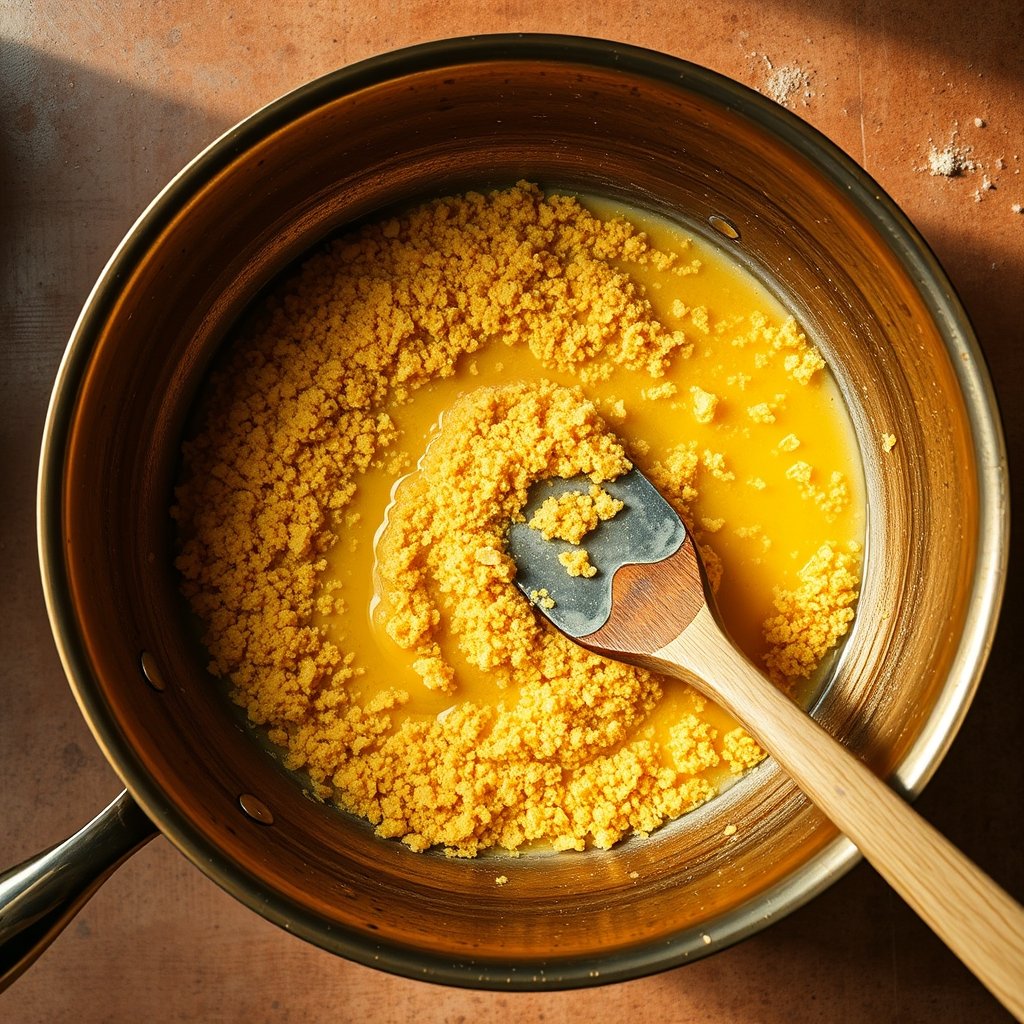 Besan Ladoo Ghee Ratio: Use 1 Part Ghee to 2 Besan
A balanced besan ladoo requires 1 part ghee to 2 parts besan by volume to roast the gram flour slowly…
-
 Makar Sankranti, Til and Ghee
Discover why sesame seeds, jaggery, and A2 Gir cow ghee are the cornerstones of traditional Makar Sankranti…
-
 Ghee at Diwali: The Sweets That Depend on It
Discover why traditional Diwali sweets depend on pure A2 Gir cow ghee for their signature textures, festive…
