
Why Institutions Own Cow Herds: Reliable Ghee Supply
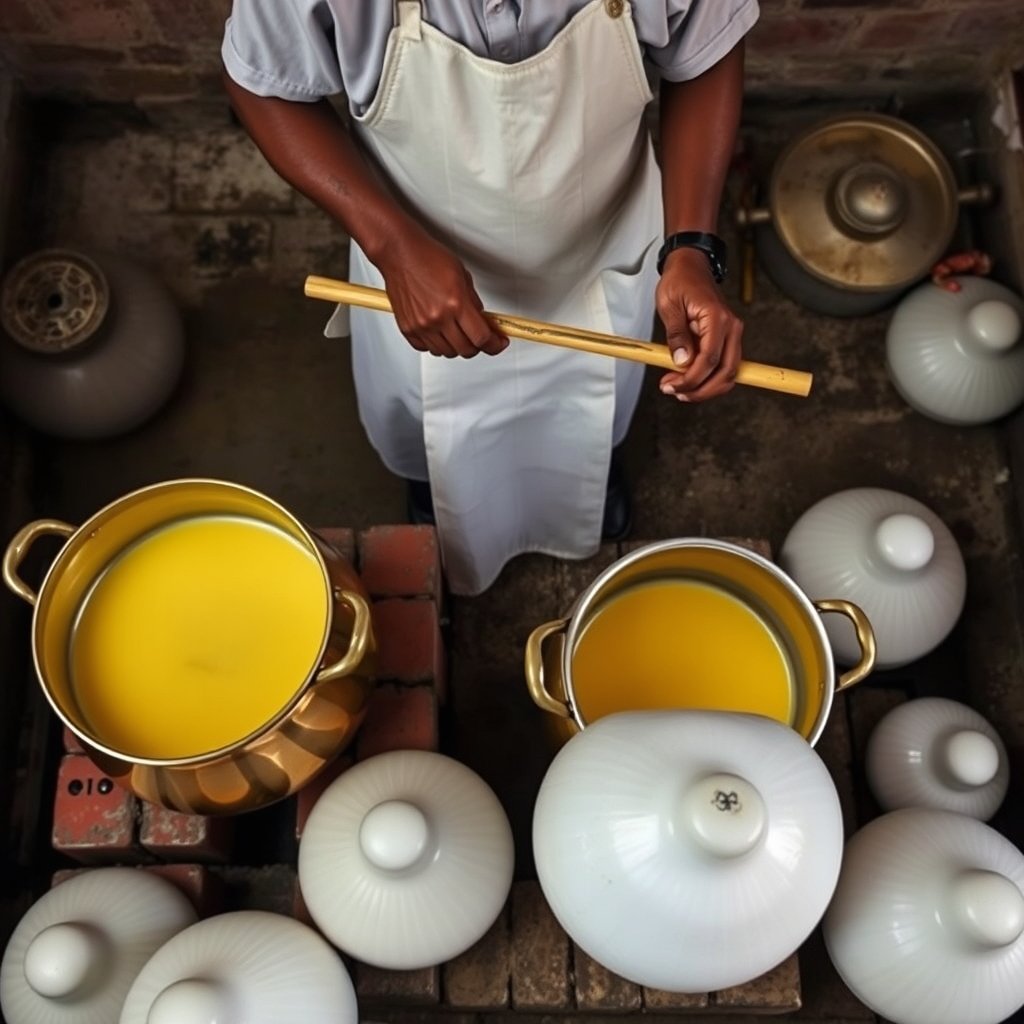
Large kitchens maintain dedicated herds of indigenous cattle to guarantee absolute clarity over their milk fat supply from animal fodder to simmering pan. When a kitchen prepares community meals or daily offerings at scale, relying on open wholesale markets carries persistent risks of adulteration, seasonal fat blending, and inconsistent aroma. By housing indigenous breeds like Gir, Sahiwal, or Tharparkar on managed land, an establishment controls feed quality, calf care, milking hygiene, and every subsequent step of clarified butter production. Recent news about major community trusts investing directly in indigenous cow herds highlights how vital this custody of ingredients has become for organisations that refuse to compromise on kitchen standards.
Why do large kitchens choose to manage their own dairy herds?
Large kitchens run their own dairies because direct custody over milking eliminates the risk of adulteration before processing even begins. When raw milk is purchased from brokers or multi-source chilling centres, fats from varied breeds, different animals, or non-dairy additives can enter the stream without easy detection at the unloading dock. A managed herd allows kitchen administrators to oversee soil health, green grazing, clean resting sheds, and ethical calf nursing. Milk sourced directly from healthy cows browsing clean forage delivers consistent curd formation, which is the foundational starting point for genuine clarified butter.
What makes indigenous cow milk fat different for traditional cooking?
Indigenous cow milk fat contains A2 beta-casein proteins and a distinct fatty acid balance that yields clean, granular clarified butter with a balanced nutty fragrance. The milk from humped zebu cattle carries fat globules that churn evenly when cultured into whole milk curd. In slow cooking, this fat withstands prolonged simmering without developing the greasy aftertaste or scorched bitterness typical of industrial cream butter. Cooks who prepare traditional regional recipes rely on this specific aroma to bloom spices, coat roasted grains, and seal festive sweets without overwhelming the delicate natural flavors of pulses and flours.
Our cows are not use and throw

A cow that stops giving milk is still our cow. She stays on the farm, with the same feed, the same shed and the same medical care she had when she was milking. We do not sell her on and we do not let her go. That is the whole basis of the ghee we make — you cannot ask an animal for her milk and then abandon her for it.
Our mission goes further than our own herd. There are cows on the street who are injured every day, who eat plastic, who cry through the night with nobody coming. We want to take them in. The plan is a chain of Organic Farmz gaushalas in several places, so that help is not one shed in one city but something a hurt animal can actually reach.
This takes more than we can carry alone — land, fodder, vets, hands. Come and join our initiative. Anything you give goes to feed, treat and shelter these cows.

Scan with any UPI app
Bank transfer
- Account name Organic Farmz
- Bank Indian Bank
- Account number 8133177322
- IFSC code IDIB000K555
- UPI ID organicfarmz@ptaxis
On a phone, the button above opens your UPI app directly — a QR on the screen you are reading cannot be scanned by that same screen. On a laptop, scan the code with your phone instead.
How does the bilona method work inside institutional dairies?
The bilona method works in institutional dairies by culturing whole raw milk into earthen or stainless vessels of dahi before churning the fermented curd into butter. Unlike industrial dairies that spin raw chilled cream out of milk using high-speed mechanical separators, the traditional process allows bacterial cultures to convert milk sugars across several hours. The resulting curd is churned with two-way wooden or food-grade churners until solid butter, known as makkhan, floats to the surface of the buttermilk. Staff wash this fresh cultured butter in cool water and clarify it slowly over gentle fires until moisture evaporates and golden milk fat separates from amber milk solids. You can read more about understanding bilona curd yield ratios to see how much whole milk goes into each ladle of finished fat.
Why is commercial ghee sourcing difficult for high-volume kitchens?
Commercial sourcing is difficult for high-volume kitchens because bulk market supplies frequently mix industrial cream ghee, imported butter oils, and vegetable fats during seasons of low milk yields. When festivals or large gatherings drive sudden spikes in ingredient demand, standard commercial distributors struggle to meet volume without thinning their inventory. High-volume kitchens that prepare food for thousands of diners cannot risk serving adulterated fats that smoke early, foul cookware, or ruin the aroma of traditional slow-cooked foods. Operating a captive herd insulates institutional pantries from market shortages, volatile wholesale price swings, and the silent dilution of pure dairy fat.
How does direct herd management protect ghee aroma and shelf life?
Direct herd management protects aroma and shelf life because fresh curd is converted to butter and cooked without prolonged cold storage or chemical preservatives. When butter sits in refrigeration for weeks before melting, oxidation begins, imparting stale and sour notes to the finished jar. An on-site dairy allows staff to boil freshly drawn milk, set fresh curd daily, and clarify the butter within hours of churning. Cooking fresh butter until milk solids turn a light hazelnut color ensures complete moisture removal, which keeps the granular fat stable at room temperature in pantries for months without spoilage.
What should home cooks take away from institutional herd practices?
Home cooks should take away the principle that the purity of clarified butter depends entirely on how the original milk fat was sourced and cultured. While household pantries cannot house a herd of indigenous cows, buyers can select bottled butterfat from farms that practice single-breed dairy management, culture whole milk curd, and avoid machine-skimmed industrial cream. Checking for granular texture, a warm caramel scent, and clear farm sourcing mirrors the standards that the country's most respected institutional kitchens demand for their daily cooking pots.
Taste the difference
Small-batch A2 Gir cow ghee, hand-churned to order and delivered across India. Read how we make it if you want the detail first.
Order a jarKeep reading
-
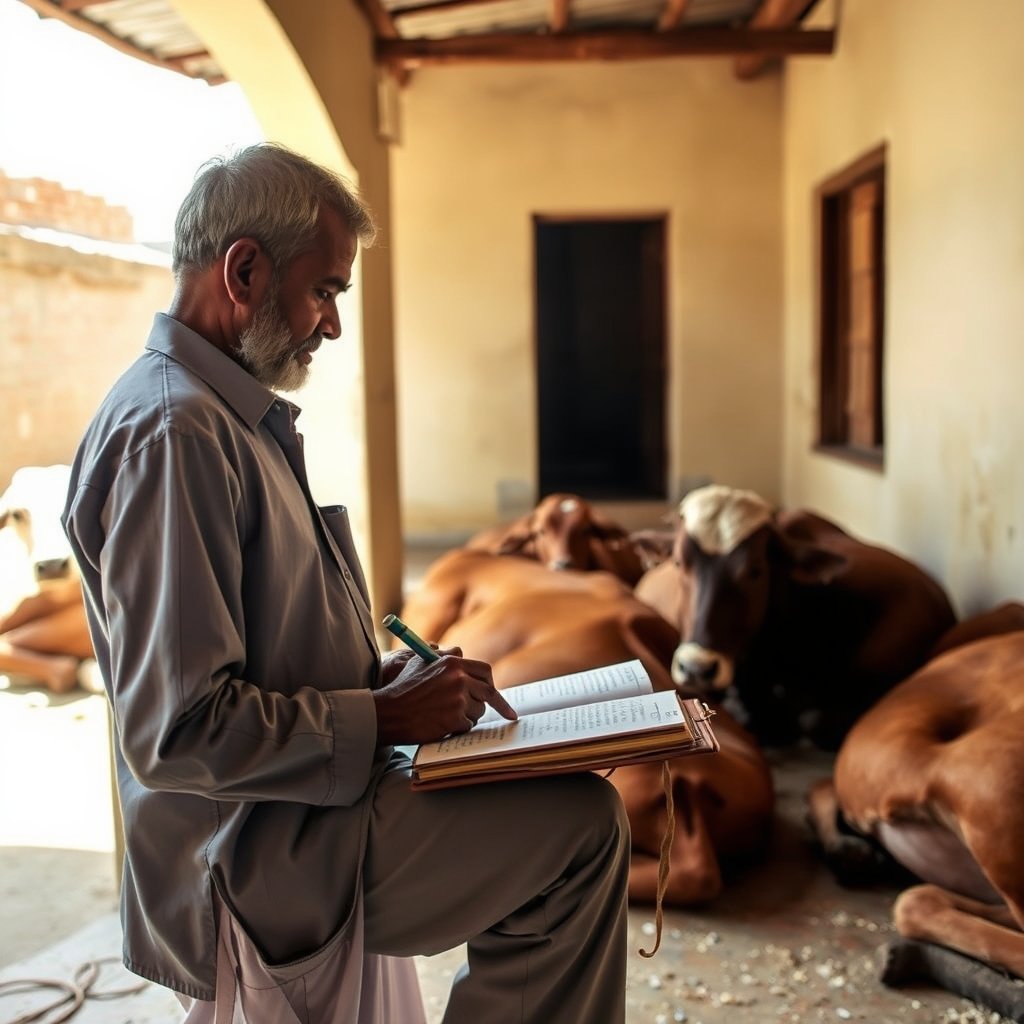 Unclear Ghee Herd Origin: It Signals Mixed Dairy Fat
A ghee seller who will not name the herd source is usually buying pooled cream from commercial aggregators.…
-
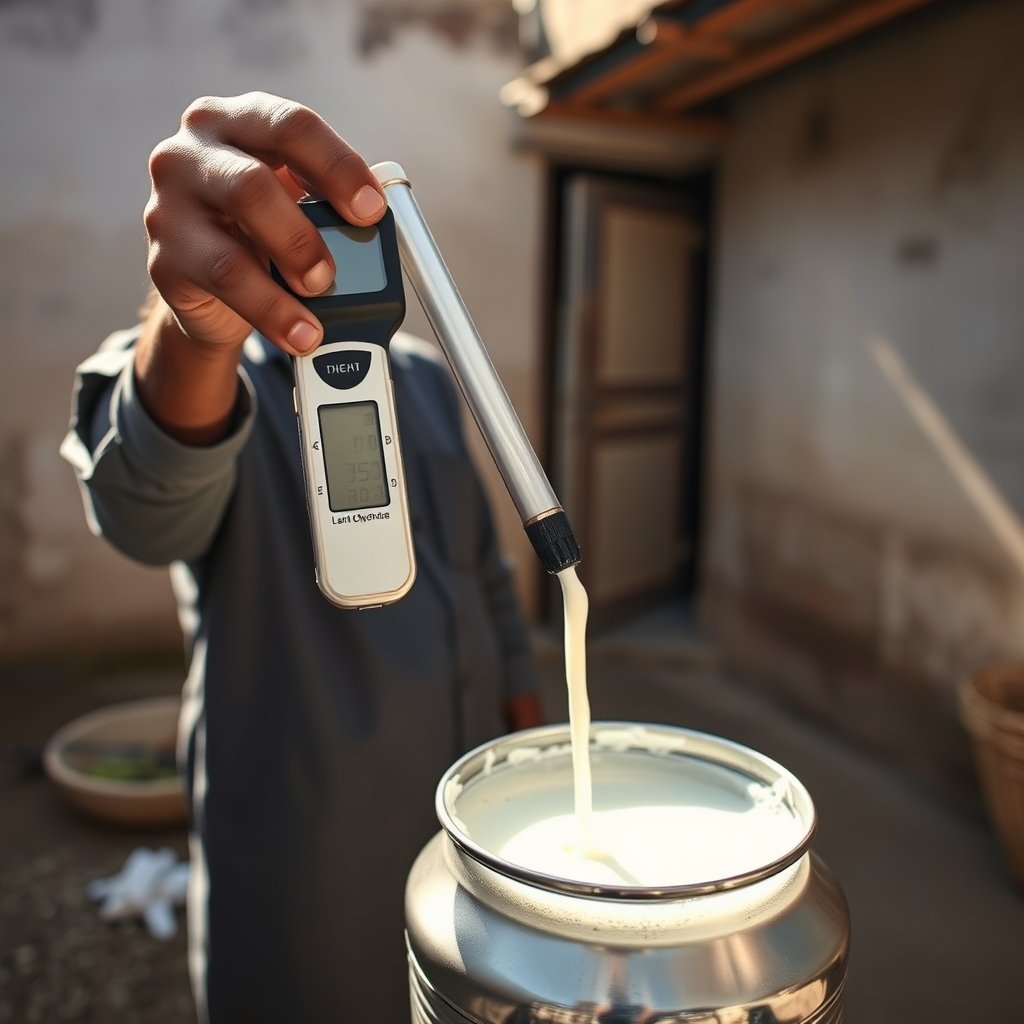 Raw Milk Procurement Pricing: FAT and SNF Set Rates
Raw milk procurement rates in India depend on butterfat and solids-not-fat measurements, directly…
-
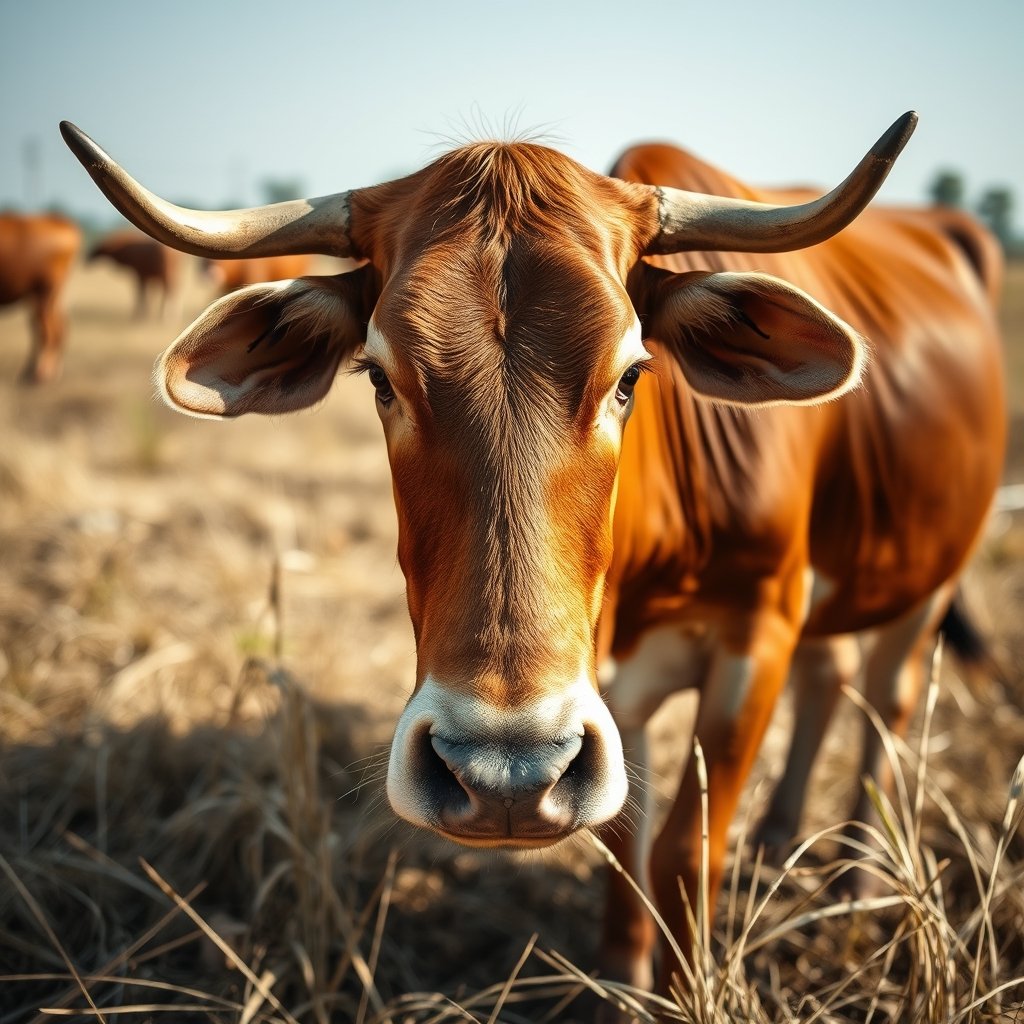 Why Indigenous Cow Breeds Decline: Dairy Yields
Indigenous Indian cow breeds declined as high-yield crossbred cattle replaced low-volume native cows in…
