
Unclear Ghee Herd Origin: It Signals Mixed Dairy Fat
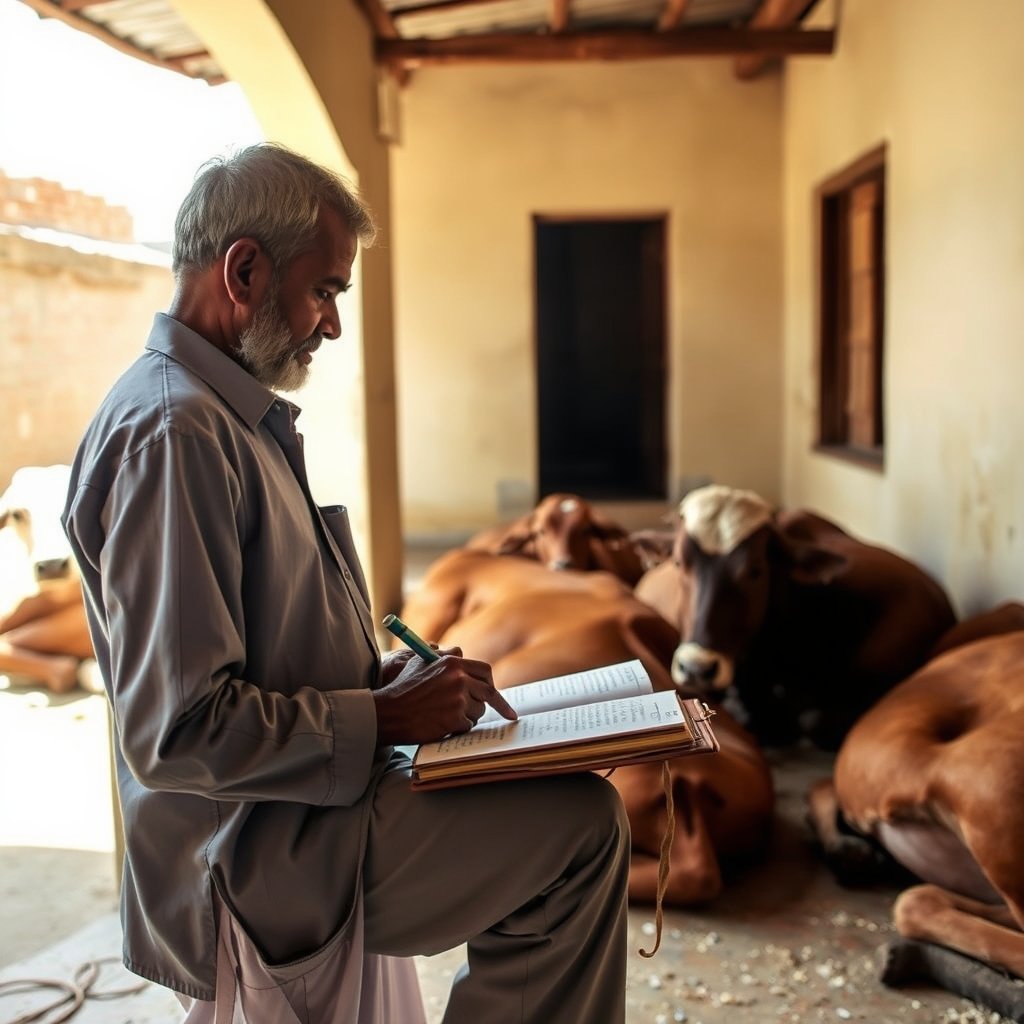
When a ghee seller refuses or fails to disclose which herd their milk comes from, it almost always means they are purchasing pooled dairy fat from third-party aggregators rather than working with specific, traceable cows. In Indian dairy markets, milk collected from hundreds of smallholders, mixed-breed herds, and commercial dairies is routinely skimmed for cream in centralized facilities. When you buy a jar of traditional A2 Gir cow ghee, knowing the exact source of the milk is not a secondary detail; it is the fundamental proof that the fat inside comes from indigenous Gir cattle raised under monitored conditions.
What does a vague answer about milk origin actually tell you?
A seller who responds to origin questions with broad claims like sourced from rural farmers or 100 percent pure desi cow milk without providing farm locations or herd details relies on supply chain opacity. In mass collection networks, milk from various breeds is poured into common chilling tanks, making it impossible to guarantee that crossbred animals were excluded. Furthermore, commercial fat is typically extracted by centrifuging fresh milk directly, skipping the traditional fermentation step. A vague answer tells you that the vendor operates as a brand marketer buying bulk fat on the open market, where low price dictates purchasing over breed purity and animal care.
What three questions can a genuine bilona ghee maker always answer?
A transparent producer who takes accountability for their ghee can answer three specific operational questions without hesitation. First, they can state the farm location and verify that only Gir cows make up the herd. Second, they can describe their bilona process—confirming that fresh whole milk is cultured into curd overnight before being churned with a bi-directional wooden churn to yield butter. Third, they can explain their herd care policy, detailing how non-lactating cows and calves are cared for on the farm. If a vendor stumbles on any of these three points, the ghee is likely made from industrial industrial cream rather than farm-churned curd.
Our cows are not use and throw
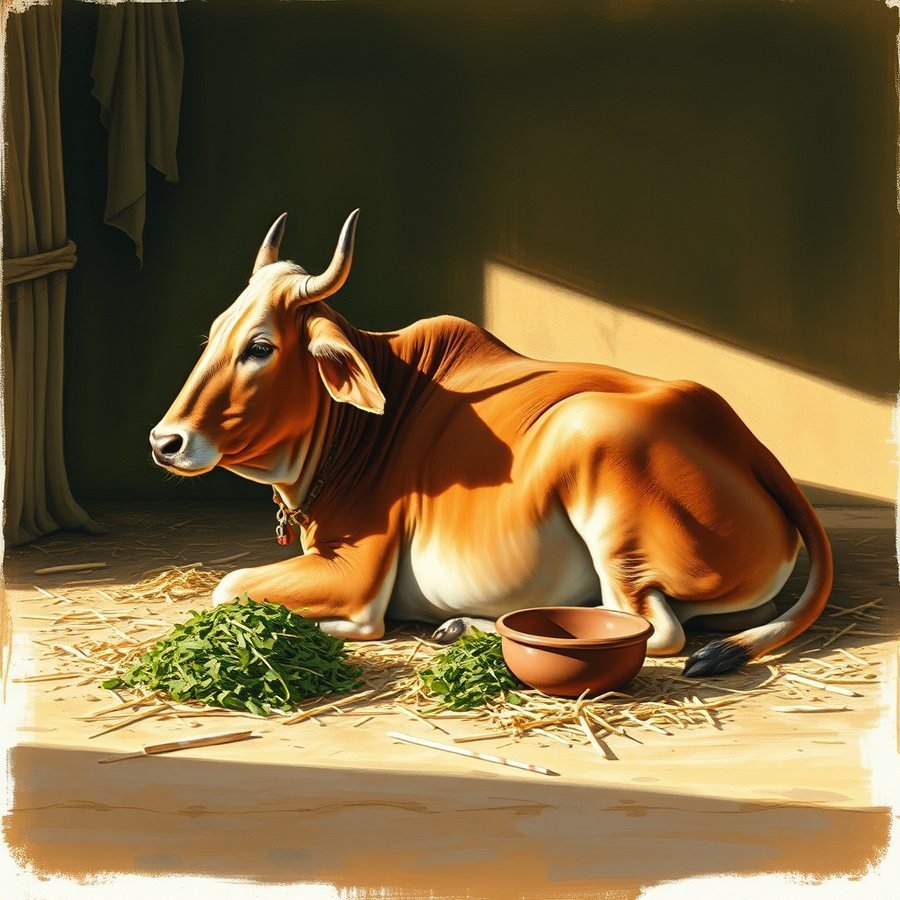
A cow that stops giving milk is still our cow. She stays on the farm, with the same feed, the same shed and the same medical care she had when she was milking. We do not sell her on and we do not let her go. That is the whole basis of the ghee we make — you cannot ask an animal for her milk and then abandon her for it.
Our mission goes further than our own herd. There are cows on the street who are injured every day, who eat plastic, who cry through the night with nobody coming. We want to take them in. The plan is a chain of Organic Farmz gaushalas in several places, so that help is not one shed in one city but something a hurt animal can actually reach.
This takes more than we can carry alone — land, fodder, vets, hands. Come and join our initiative. Anything you give goes to feed, treat and shelter these cows.

Scan with any UPI app
Bank transfer
- Account name Organic Farmz
- Bank Indian Bank
- Account number 8133177322
- IFSC code IDIB000K555
- UPI ID organicfarmz@ptaxis
On a phone, the button above opens your UPI app directly — a QR on the screen you are reading cannot be scanned by that same screen. On a laptop, scan the code with your phone instead.
How does traceable herd ghee compare to aggregated fat?
| Feature | Traceable Herd Bilona Ghee | Aggregated Commercial Cream Ghee |
|---|---|---|
| Milk Source | Single-origin or verified Gir cow herds | Pooled milk from mixed breeds and regions |
| Fat Extraction Method | Cultured curd churned with wooden bilona | Direct mechanical cream separation from raw milk |
| Supply Chain Transparency | Specific farm location and care practices shared | Vague regional labeling with undisclosed sourcing |
| Aroma and Texture | Naturally nutty aroma with soft, grainy texture | Uniform texture often requiring added aromas |
Why is milk traceability a better buying test than price?
Price alone is a misleading indicator of ghee quality because heavy marketing and decorative packaging can easily disguise low-cost aggregated fat. Producing genuine A2 Gir cow ghee through the traditional bilona method requires roughly 25 to 30 liters of whole milk to yield a single kilogram of finished ghee. Because indigenous Gir cows produce modest daily milk volumes compared to high-yield foreign crossbreeds, genuine production costs remain high. A low price strongly points to high-yield crossbred milk or direct cream separation. However, even an expensive jar can contain pooled butterfat if the brand spends on marketing while hiding its source. Traceability cuts through pricing noise by proving exactly where your money goes—toward dedicated Gir cow care and traditional craft.
How does traditional bilona processing protect herd-level quality?
The traditional bilona method begins with whole milk from a known herd, setting the foundation for authentic taste and aroma in home cooking. Fresh milk is boiled, cooled, and inoculated with curd starter to undergo natural lactic fermentation overnight. This step converts natural milk sugars and creates rich flavor compounds. The fermented curd is then churned to separate white butter, which is slowly clarified in heavy vessels over low heat. When milk originates from a well-tended Gir cow herd grazing on quality fodder, the resulting ghee carries a golden tint from beta-carotene and a clean, pleasant aroma when brushed over hot rotis or stirred into warm dal.
Taste the difference
Small-batch A2 Gir cow ghee, hand-churned to order and delivered across India. Read how we make it if you want the detail first.
Order a jarKeep reading
-
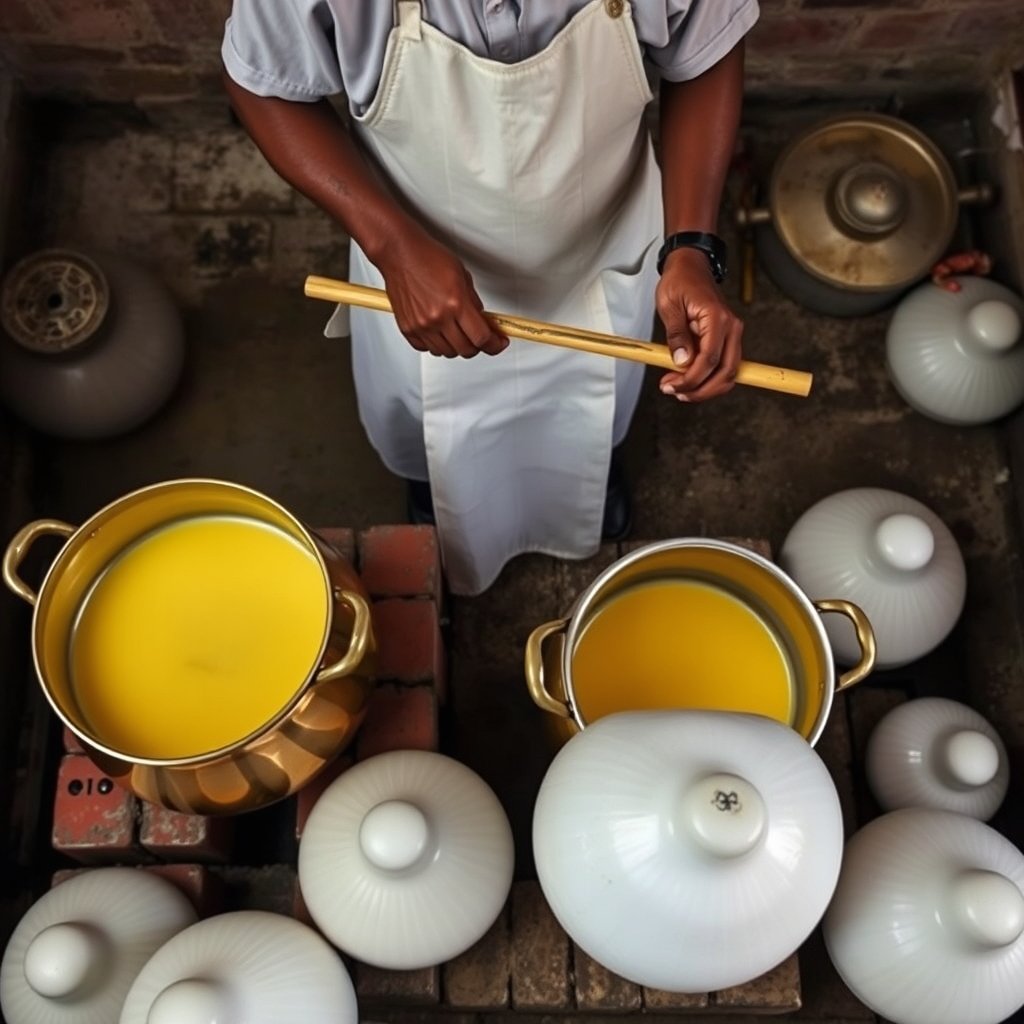 Why Institutions Own Cow Herds: Reliable Ghee Supply
Institutions manage indigenous cow herds to secure unadulterated milk fat and ensure traditional bilona ghee…
-
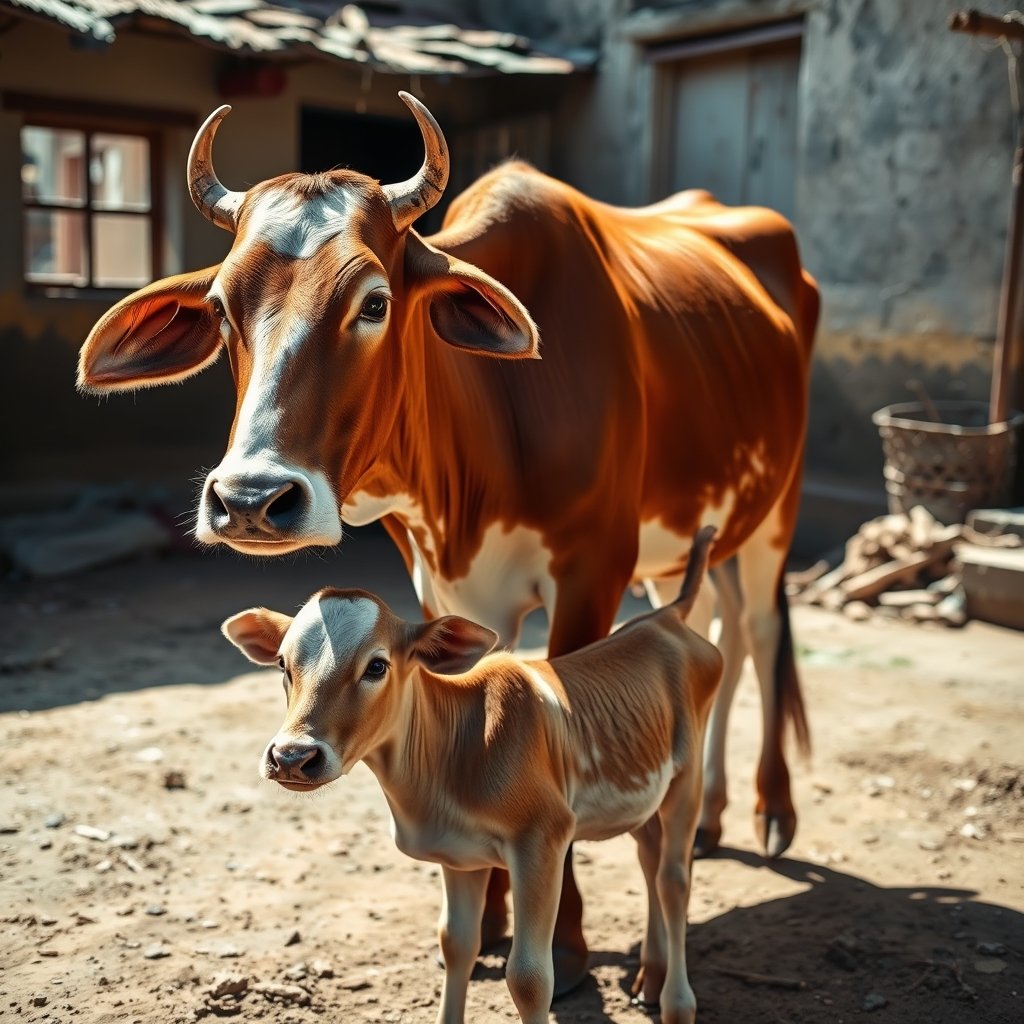 How to Know If Milk Is Ethical: Check Animal Care
An ethical dairy allows calves their share of milk, keeps non-milking cows for life, avoids forced breeding…
-
 Raw Milk Procurement Pricing: FAT and SNF Set Rates
Raw milk procurement rates in India depend on butterfat and solids-not-fat measurements, directly…
