
Raw Milk Procurement Pricing: FAT and SNF Set Rates
How is the price of raw milk calculated at dairy collection centers?
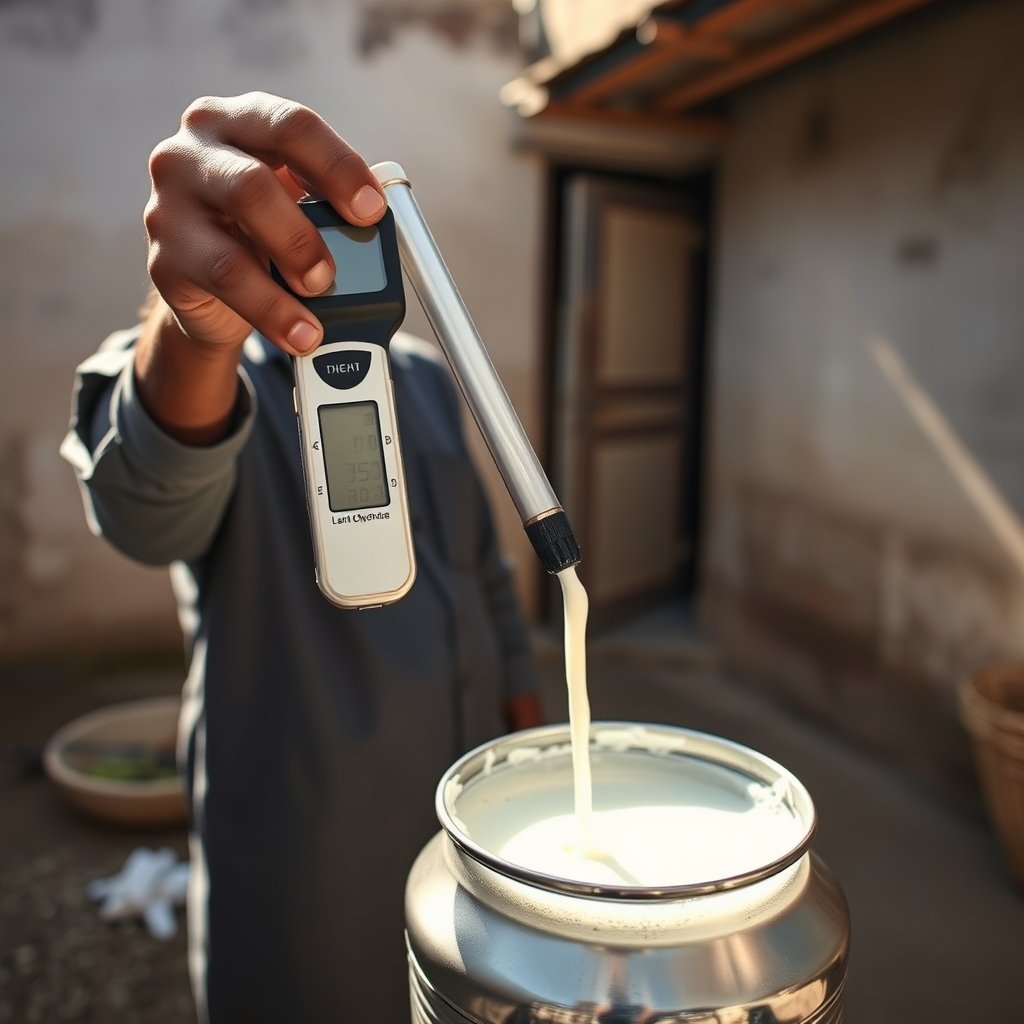
Raw milk procurement rates at dairy collection centers across India are determined through a standardized two-parameter pricing system based on butterfat and solids-not-fat content. When local farmers bring fresh milk to village collection booths twice daily, testing instruments evaluate small samples to measure fat percentage alongside non-fat solids like protein, lactose, and minerals. A baseline rate is established for a standard fat and non-fat solid ratio, with incremental increases or deductions applied based on the exact test results of each farmer's batch. This system ensures that milk with higher cream content receives a higher purchase price, directly rewarding dairy farmers who invest in balanced cattle feed, green fodder, and proper animal care. Because the farmgate payout is tied to these laboratory measurements, any shift in procurement rates quickly reflects across all downstream dairy products, including cream, butter, and traditional clarified butter.
Why do butterfat levels fluctuate throughout the year?
Butterfat concentration in dairy milk varies continuously based on weather patterns, cattle diet, water intake, and lactation cycles. During winter and early spring, cows typically graze on abundant green forage such as berseem, oats, and legumes, which encourages healthy digestion and raises the natural fat content in their milk. In contrast, during dry summer months, heat stress can reduce a cow's feed intake while increasing water consumption, naturally diluting the fat percentage in fresh milk. Additionally, indigenous cattle breeds like Gir maintain distinct fat ratios compared to high-yielding commercial breeds. Farm management practices, such as feeding balanced oilcake supplements and maintaining clean shelter, help stabilize fat levels across seasons, but natural environmental shifts mean procurement pricing must adjust to reflect the real butterfat yielded by the herd week by week.
Our cows are not use and throw

A cow that stops giving milk is still our cow. She stays on the farm, with the same feed, the same shed and the same medical care she had when she was milking. We do not sell her on and we do not let her go. That is the whole basis of the ghee we make — you cannot ask an animal for her milk and then abandon her for it.
Our mission goes further than our own herd. There are cows on the street who are injured every day, who eat plastic, who cry through the night with nobody coming. We want to take them in. The plan is a chain of Organic Farmz gaushalas in several places, so that help is not one shed in one city but something a hurt animal can actually reach.
This takes more than we can carry alone — land, fodder, vets, hands. Come and join our initiative. Anything you give goes to feed, treat and shelter these cows.

Scan with any UPI app
Bank transfer
- Account name Organic Farmz
- Bank Indian Bank
- Account number 8133177322
- IFSC code IDIB000K555
- UPI ID organicfarmz@ptaxis
On a phone, the button above opens your UPI app directly — a QR on the screen you are reading cannot be scanned by that same screen. On a laptop, scan the code with your phone instead.
How does whole-milk churned ghee differ from direct-cream ghee in milk usage?
Whole-milk churned ghee and direct-cream ghee require vastly different volumes of raw milk, which changes how raw milk price swings affect their final production costs. Direct-cream ghee is produced by passing raw milk through industrial separators to pull off cream instantly, leaving behind skimmed milk that dairies sell separately as liquid milk or dry powder. Traditional bilona ghee, on the other hand, converts the entire volume of raw milk into curd first, allowing natural lactic fermentation to transform the dairy proteins before churning out white butter. Because no skimmed milk by-product is separated or sold off during authentic bilona processing, the total cost of the raw milk remains tied entirely to the yield of clarified butter. This direct reliance on full-cream curd means that farmgate raw milk prices play an exceptionally direct role in determining the cost structure of traditionally crafted bilona ghee.
How do raw milk price shifts impact traditional bilona ghee production?
Because traditional bilona ghee is prepared by boiling whole milk, setting it into curd, and hand-churning the curd into butter before slow-clarifying, raw milk pricing serves as the foundational cost of every jar produced. Liquid milk procurement price adjustments have been in the news recently as feed expenses, fuel costs, and seasonal fodder shortages impact dairy regions. When farmgate procurement rates rise, small-batch bilona makers cannot alter their ratio or skip fermentation steps without compromising the distinctive granular texture and fermented aroma of the finished ghee. Understanding how milk butterfat sets production output highlights why authentic bilona ghee pricing tracks raw milk market realities so closely.
What can kitchen cooks do when raw dairy procurement prices rise?
Home cooks can manage their kitchen budgets effectively without compromising on food quality by altering how they incorporate bilona ghee into daily meals. Instead of using high-grade ghee as a bulk cooking fat for long sautéing or deep frying, reserve your pure bilona ghee for finishing touches at the table. Adding a small warm spoon over steaming rice, hot phulkas, khichdi, or freshly tempered dal releases rich aromas immediately, delivering full flavor while using a fraction of the quantity. Storing ghee in a clean glass jar inside a cool, dry kitchen cabinet away from sunlight and steam keeps the fat stable for many months. Using clean, completely dry spoons every time you scoop from the jar prevents moisture contamination, ensuring that every batch retains its pristine quality down to the last spoonful.
Taste the difference
Small-batch A2 Gir cow ghee, hand-churned to order and delivered across India. Read how we make it if you want the detail first.
Order a jarKeep reading
-
 Why Dairy Brands Raise Ghee Prices: Cream Supply
Ghee prices rise when whole milk procurement costs increase and festive butter demand reduces available…
-
 Desi Ghee Cost Factors: Milk Butterfat Levels Set Output
Milk butterfat concentration determines how much raw milk is needed for ghee, causing production expenses to…
-
 Why Ghee Prices Change: Dairy Yields and Fat Supply
Ghee prices shift when raw milk costs change, as making one litre of traditional bilona fat requires…
