
Desi Ghee Cost Factors: Milk Butterfat Levels Set Output

Ghee production costs are tied directly to the butterfat content of raw milk, because every jar requires extracting and clarifying fat from a substantial volume of whole milk. Milk fat availability has been in the news recently as dairies navigate shifts in farm supply, but the fundamental relationship between milk fat and finished ghee remains constant across seasons. Understanding how raw milk composition dictates output clarifies why prices move and how traditional production methods maintain quality despite market shifts.
How does milk fat content affect ghee production?
Whole milk contains water, milk solids, and butterfat. When making ghee, water is completely evaporated, leaving behind pure milk fat. If the initial fat percentage in raw milk drops even slightly, a producer must process significantly more litres of fresh milk to yield the exact same quantity of ghee. This direct ratio means raw milk costs and fat percentages determine the baseline expense of production before any heating, churning, or packaging begins.
In small-batch production, indigenous cows like the Gir breed produce milk with natural butterfat suited for traditional preparation. However, total milk volume per animal is naturally lower than commercial crossbred cattle. When feed supplies change or weather conditions alter cattle diet, the natural fat concentration in fresh milk shifts. Farm kitchens must adjust their processing to ensure each batch achieves proper density and aroma without altering traditional steps.
Why does butterfat availability change across seasons?
Cattle milk yields follow natural seasonal cycles in India, commonly divided into flush and lean seasons. During winter months, fodder is abundant, green, and high in nutrition, leading cows to produce higher volumes of milk with richer butterfat content. Dairies experience an increased availability of fat during this period, which stabilizes production expenses for butter and clarified fat.
Conversely, during summer and monsoon months, ambient heat reduces cattle feed intake, causing milk yields and butterfat percentages to dip across regions. As ambient temperature rises, keeping fresh milk cool requires additional handling infrastructure, adding to daily operational costs. Because total butterfat availability drops across the dairy market in warm months, competition for raw milk fat increases, driving up the expense of securing pure fat for clarification.
Our cows are not use and throw

A cow that stops giving milk is still our cow. She stays on the farm, with the same feed, the same shed and the same medical care she had when she was milking. We do not sell her on and we do not let her go. That is the whole basis of the ghee we make — you cannot ask an animal for her milk and then abandon her for it.
Our mission goes further than our own herd. There are cows on the street who are injured every day, who eat plastic, who cry through the night with nobody coming. We want to take them in. The plan is a chain of Organic Farmz gaushalas in several places, so that help is not one shed in one city but something a hurt animal can actually reach.
This takes more than we can carry alone — land, fodder, vets, hands. Come and join our initiative. Anything you give goes to feed, treat and shelter these cows.

Scan with any UPI app
Bank transfer
- Account name Organic Farmz
- Bank Indian Bank
- Account number 8133177322
- IFSC code IDIB000K555
- UPI ID organicfarmz@ptaxis
On a phone, the button above opens your UPI app directly — a QR on the screen you are reading cannot be scanned by that same screen. On a laptop, scan the code with your phone instead.
What is the difference between bilona ghee and industrial butterfat processing?
Commercial ghee manufacturing often uses industrial separators to extract cream directly from fresh milk, which is then boiled at high temperatures. This continuous method reduces time and labor, allowing large processors to standardise fat content by blending cream from multiple dairy sources. While efficient, direct-cream processing bypasses the natural culturing phase that defines traditional Indian kitchen preparation.
Traditional bilona ghee follows a multi-step process: whole milk is boiled, set into curd, and churned using a wooden stirrer to separate butter. This cultured butter is then gently simmered over a low flame to clarify the fat and form distinct golden grains. Because bilona ghee requires whole milk curd rather than raw cream, it requires a larger volume of raw milk per jar of finished fat. This labor-intensive method yields a distinct aroma and granular texture, making its cost structure different from industrial direct-cream butterfat.
How can home kitchens adapt when dairy prices fluctuate?
When ghee costs shift, home cooks can manage their kitchen pantry by matching different fats to specific culinary uses. Pure A2 Gir cow bilona ghee carries a distinct toasted aroma and fine grain, making it ideal for finishing dishes, drizzling over hot dal, or switching to ghee for daily sautéing where flavor is central. Using small spoonfuls at the end of cooking preserves the aroma while extending the jar’s shelf life.
For high-heat deep frying or dish preparations that require large volumes of fat, households often choose neutral cooking oils, reserving traditional bilona ghee for recipes where its taste makes a clear difference. Storing ghee jars in a cool, dry cupboard away from direct stove heat prevents quality loss and retains its natural texture, ensuring every batch delivers full value in daily family meals.
Taste the difference
Small-batch A2 Gir cow ghee, hand-churned to order and delivered across India. Read how we make it if you want the detail first.
Order a jarKeep reading
-
 Why Ghee Prices Change: Dairy Yields and Fat Supply
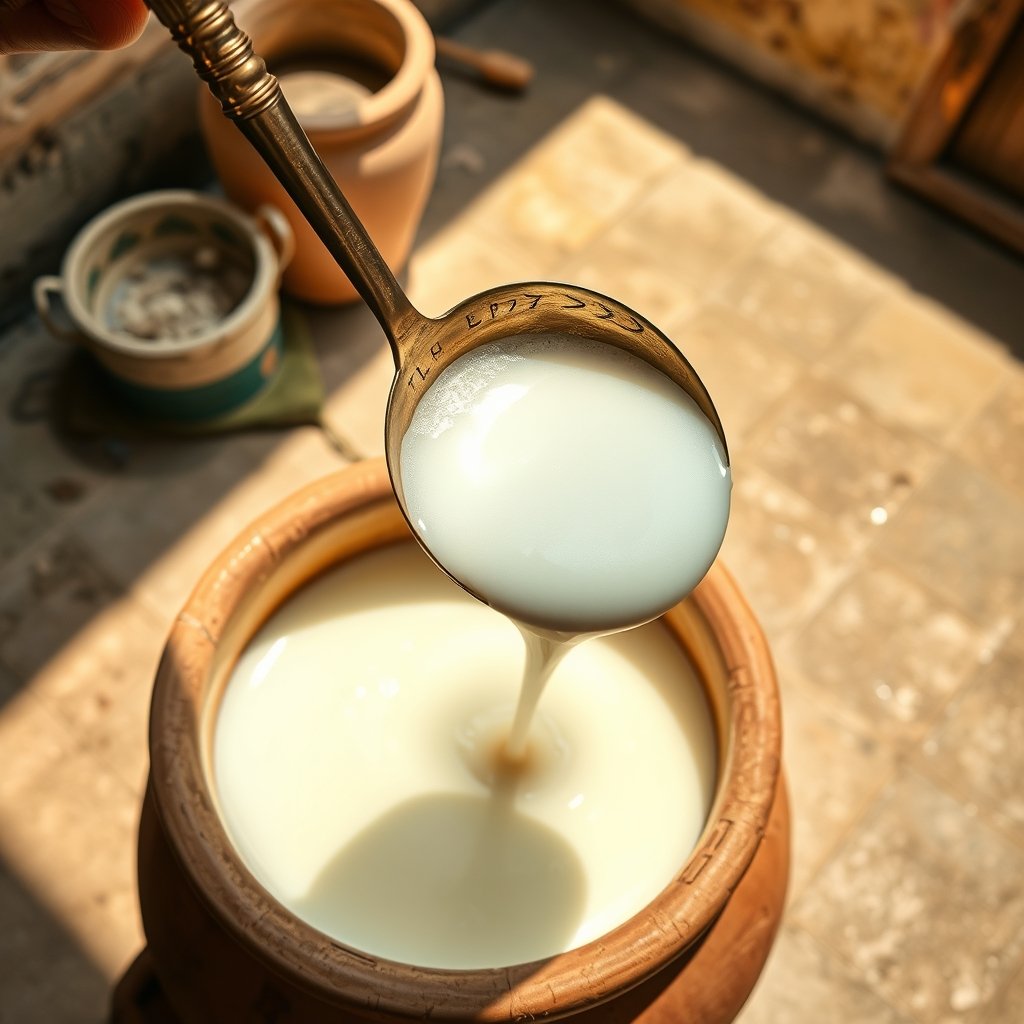
Ghee prices shift when raw milk costs change, as making one litre of traditional bilona fat requires…
-
 Cheap Desi Ghee India: Low Prices Mean Trade-offs
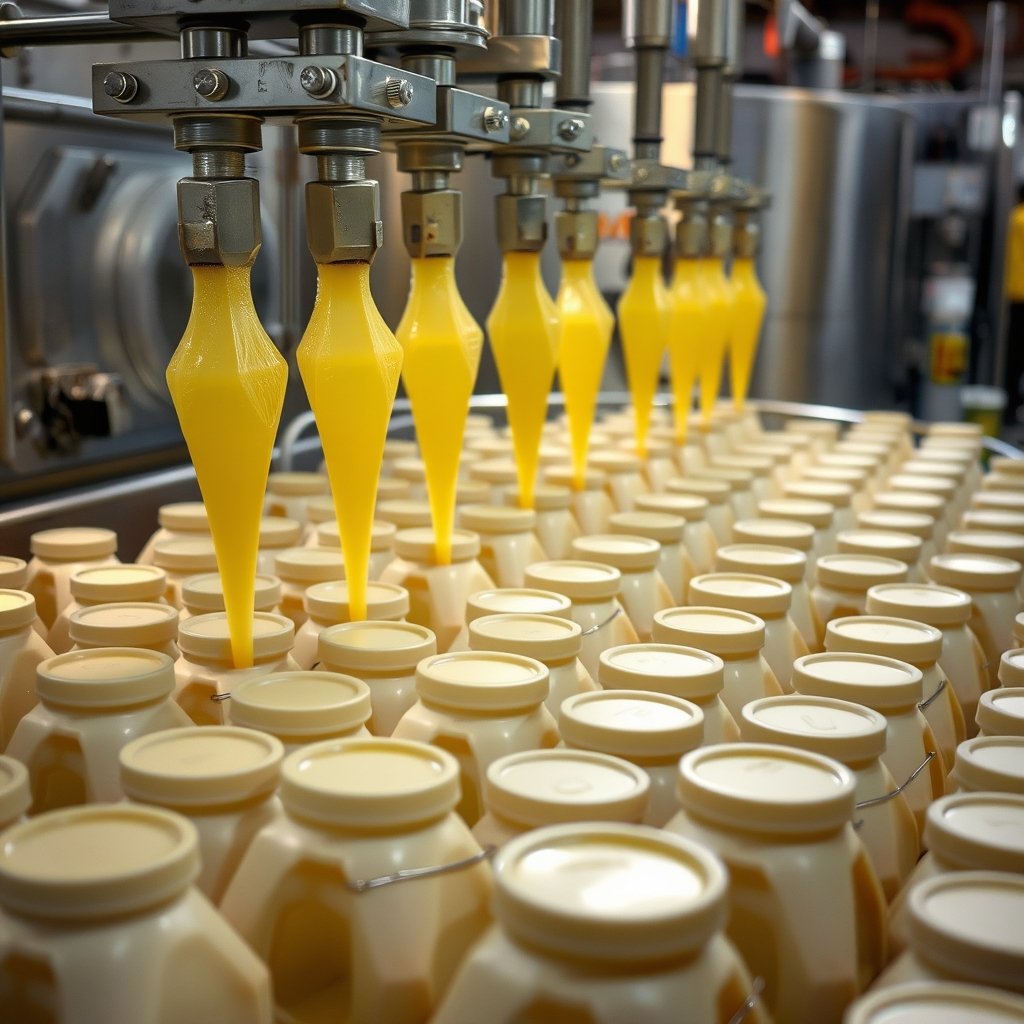
Cheap desi ghee in India usually sacrifices traditional bilona processing, A2 milk sourcing, and slow…
-
 Ghee Prices in India: Why Costs Vary by Method
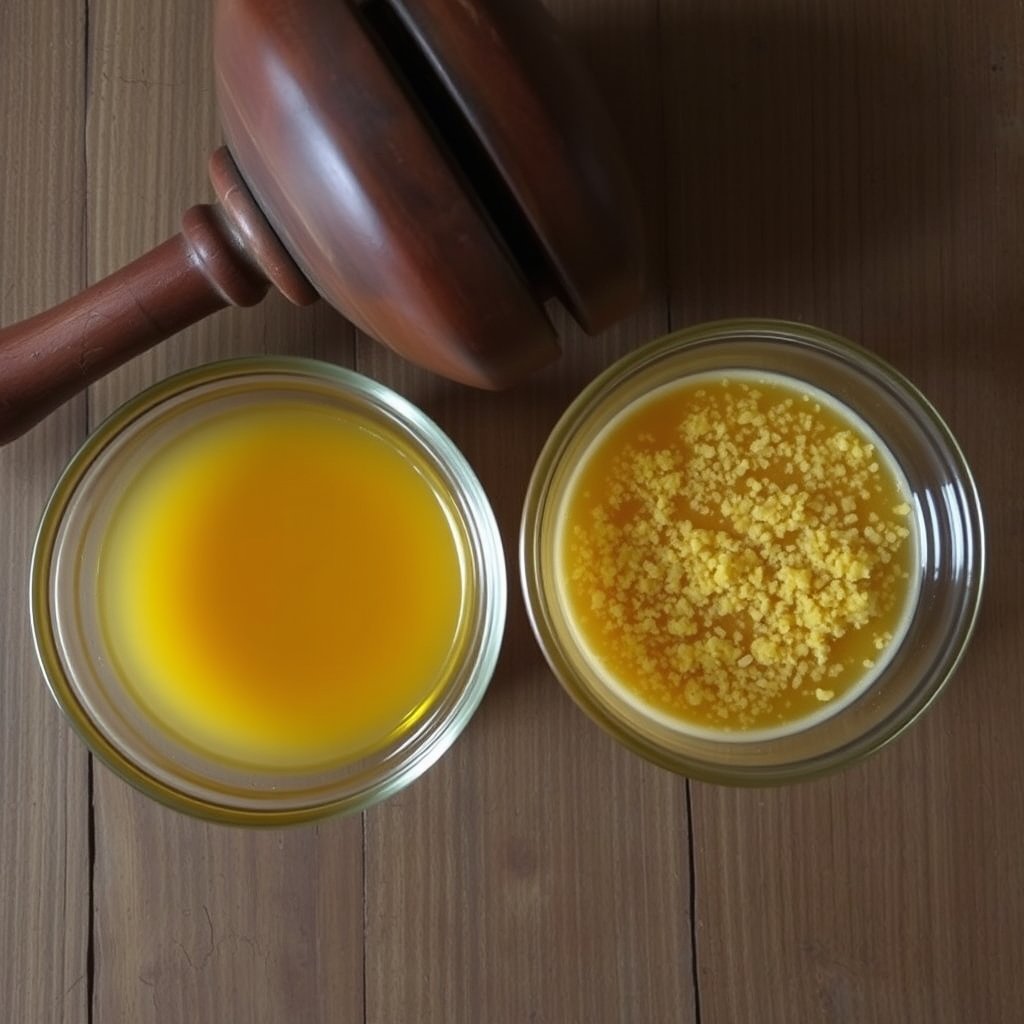
Ghee prices in India vary based on the cow breed, the volume of milk used per litre of ghee, and whether it…
