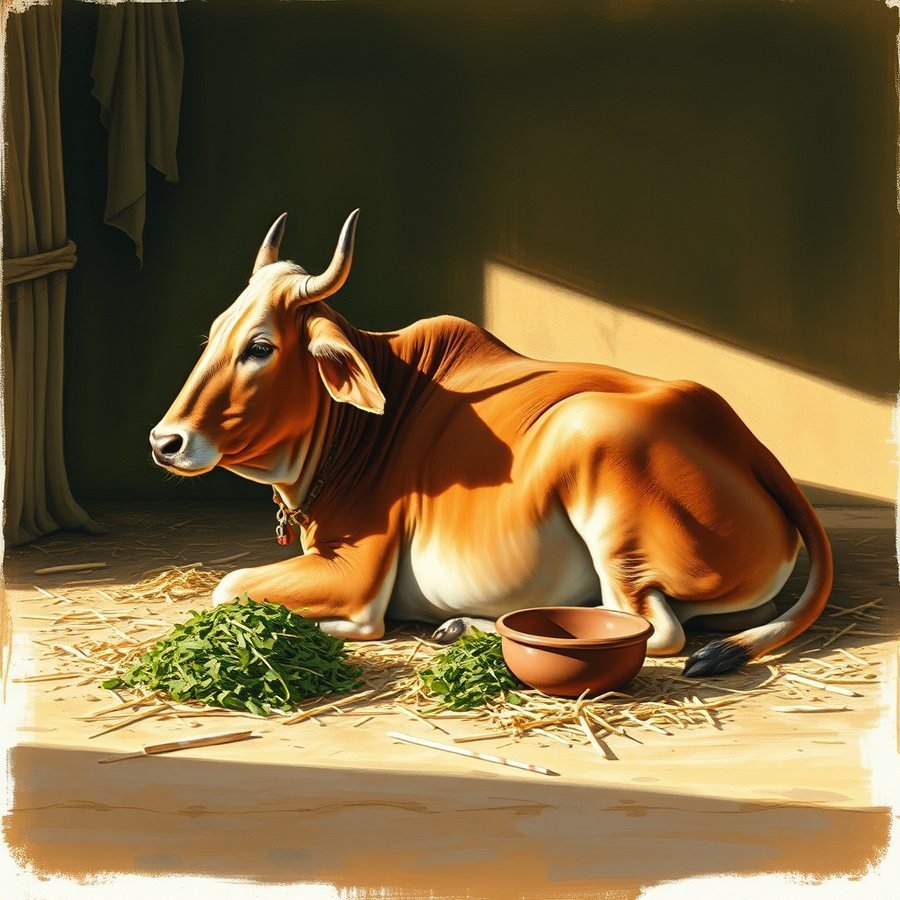
Why Indigenous Cow Breeds Decline: Dairy Yields
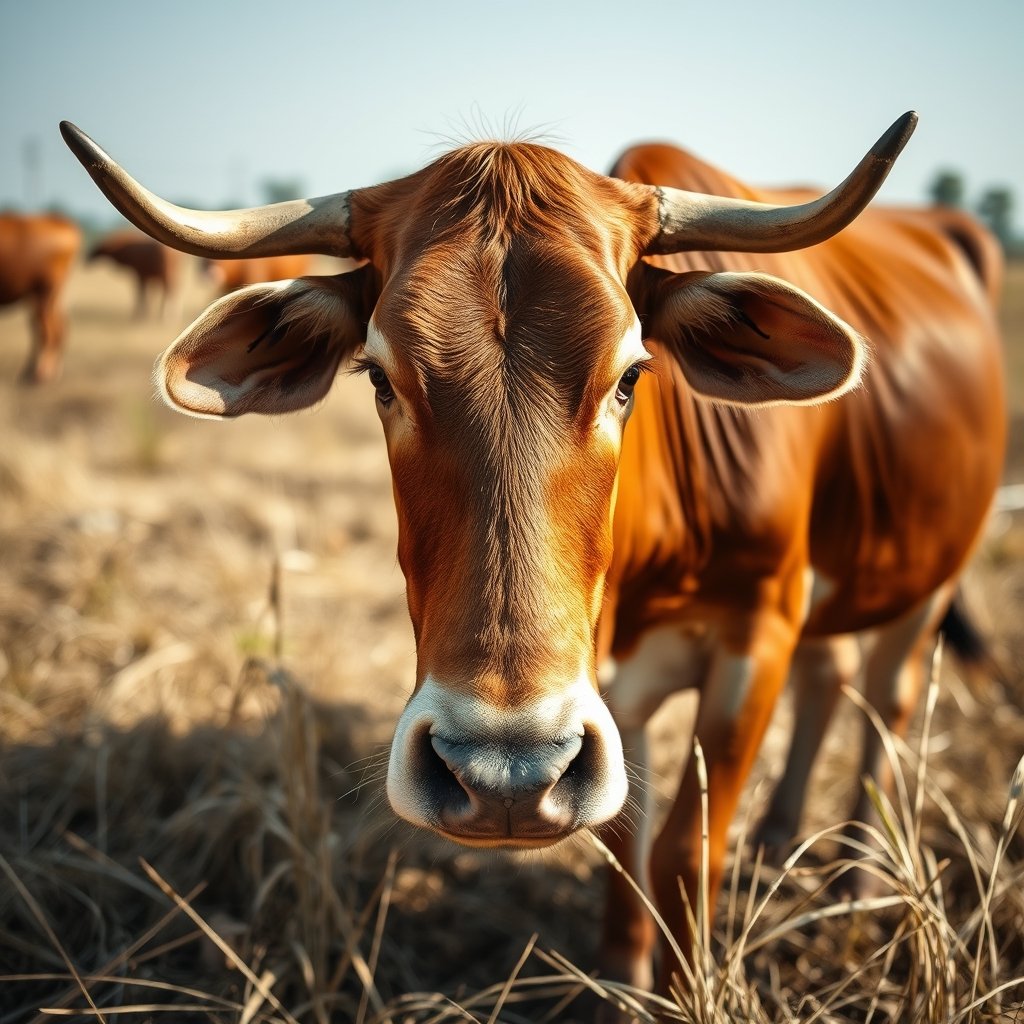
Indigenous Indian cow breeds are disappearing because industrial dairy economics favoured higher immediate milk output per animal over native traits, prompting commercial dairies to swap native herds for high-yield crossbred cattle.
For decades, agricultural policy and commercial dairy models prioritized volume above all else. Crossbred cows produced larger daily quantities of milk compared to indigenous breeds such as the Gir, Sahiwal, or Kankrej. As urban demand for fluid milk soared, smallholders and commercial dairies faced economic pressure to maximize daily output per animal. Feeding a native cow that produced a modest yield became financially difficult for farmers who were paid strictly by milk volume, regardless of fat composition, native hardiness, or the animal's natural life cycle.
Why Did Industrial Dairies Replace Native Indian Cows?
Industrial dairies replaced native cows because exotic crossbreeds delivered significantly higher daily milk volumes, which directly determined a dairy farm's daily cash flow. Native Zebu cattle yield lower volumes of milk each day compared to European crossbred stock. When dairy pricing systems rewarded raw volume rather than fat quality or A2 protein profiles, maintaining a herd of indigenous cows led to lower revenue per animal. Over time, breeding programs focused heavily on artificial insemination using crossbred lines, while native breeding bulls became scarce, causing indigenous cattle populations to drop across farming belts.
What Is Lost When a Native Cattle Breed Declines?
When a native cattle breed declines, agricultural ecosystems lose genetic resilience, climate adaptability, and traditional dairy craftsmanship. Indigenous breeds like Gir cattle evolved over centuries to withstand extreme tropical heat, resist local pests, and forage on native dry grasses. Their milk naturally contains A2 beta-casein protein, which forms the basis of traditional bilona ghee used in Indian home cooking and ayurvedic preparations. Furthermore, native cows yield rich dung and urine that maintain organic soil fertility. Replacing them with high-input crossbred animals alters sustainable farm cycles and weakens the genetic lineage of native livestock.
How Do Native Breeds Compare to Crossbred Cattle?
Native breeds and crossbred dairy cattle differ fundamentally in their milk output, heat tolerance, feed requirements, and long-term farm economics.
| Feature | Indigenous Breeds (e.g., Gir) | Exotic Crossbred Cattle |
|---|---|---|
| Daily Milk Output | Modest volume with high fat content | High volume optimized for fluid trade |
| Heat and Climate Adaptation | High tolerance to tropical heat | Requires physical cooling in summer |
| Fodder Requirements | Thrives on local grasses and dry fodder | Requires intensive commercial feeds |
| Milk Protein Type | Naturally produces A2 protein | Varies, often predominantly A1 protein |
| Lifetime Care Span | Maintained across full natural lifespan | Often retired early when yields drop |
Why Does Keeping Gir Cattle Require a Unique Economic Choice?
Keeping Gir cattle requires a distinct economic commitment because these cows yield lower daily milk volumes while requiring lifetime care regardless of whether they are actively lactating. Commercial dairy operations often sell off animals once their peak milking years pass to avoid ongoing fodder costs. For an ethical herd manager, a cow that stops giving milk remains on the farm, receiving the exact same feed, shelter, and medical care she received while milking, and she is never sold on. Because milk yields naturally decline as cows age, funding the care of retired cows increases the baseline cost of producing pure A2 bilona ghee, making native cattle farming a deliberate conservation choice rather than a high-volume commercial venture.
How Can You Support the Shelter and Care of Retired Herds?
You can support the shelter and care of retired herds by choosing pure A2 bilona ghee from ethical producers and contributing directly to cattle welfare efforts. Beyond caring for its own herd, Organic Farmz intends to establish a network of gaushalas in multiple locations to rescue injured street cows eating urban plastic. While this network remains an active plan for future expansion, current contributions directly fund feed, shelter, and medical treatment for animals in need. You can learn more about our ongoing initiatives and contribute directly to our Gau Seva work through bank transfer or UPI.
Taste the difference
Small-batch A2 Gir cow ghee, hand-churned to order and delivered across India. Read how we make it if you want the detail first.
Order a jarKeep reading
-
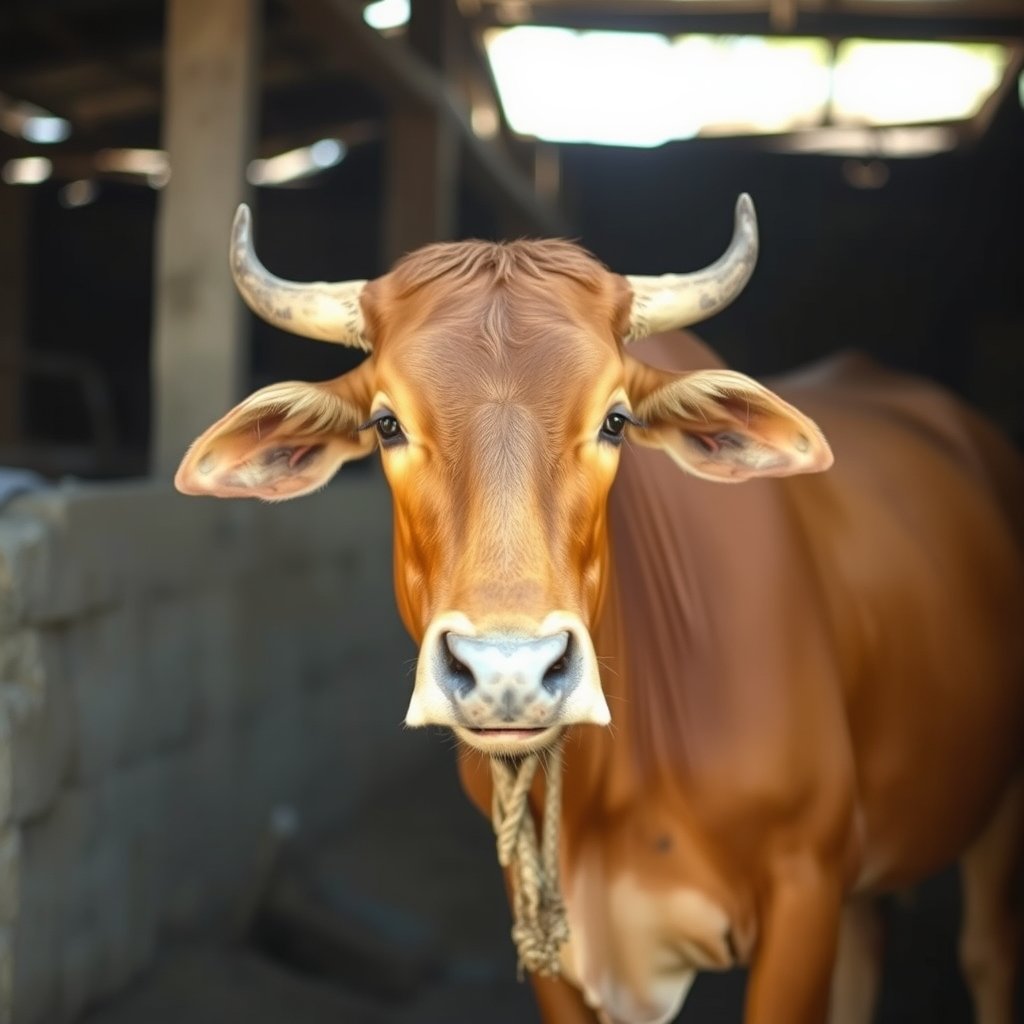 Dairy Cow Productive Life: High Yield Cuts Years
High-yield dairy farming shortens a cow's productive life because metabolic strain and physical stress…
-
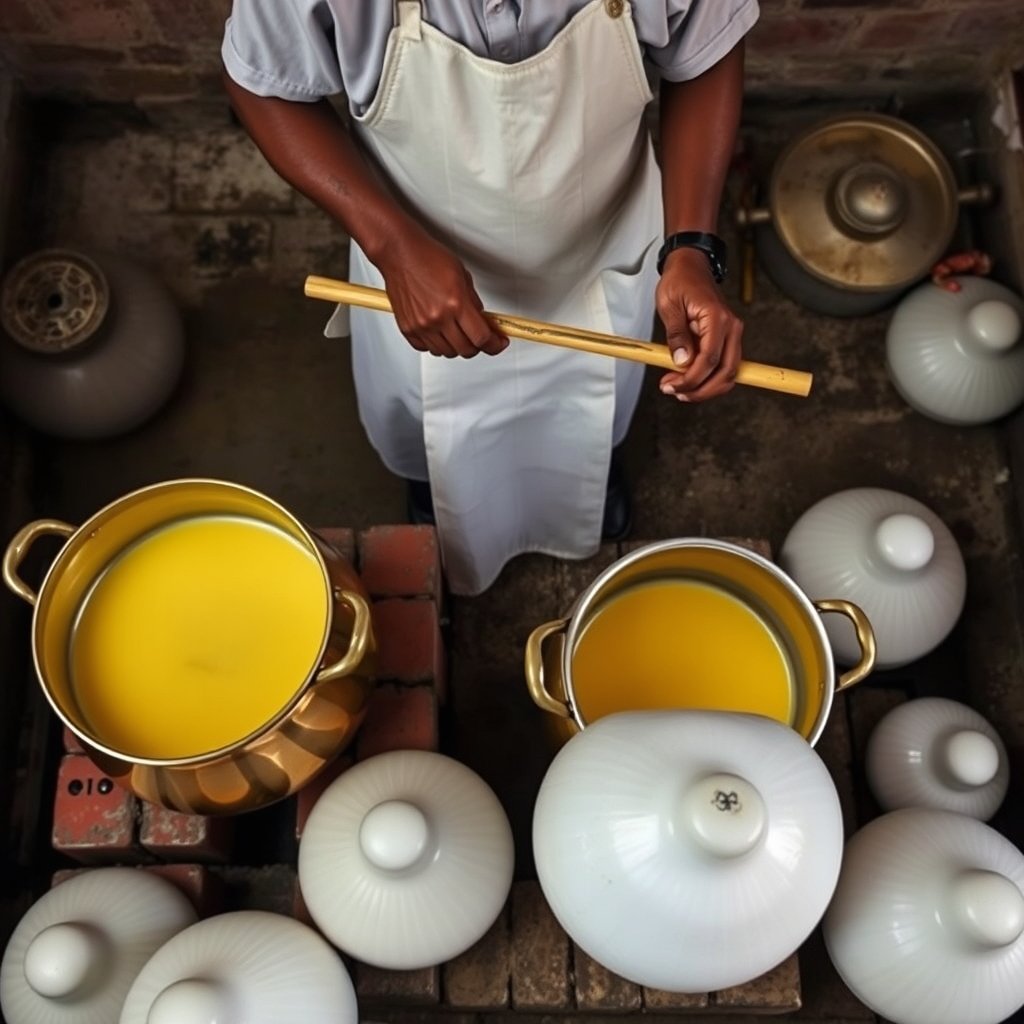 Why Institutions Own Cow Herds: Reliable Ghee Supply
Institutions manage indigenous cow herds to secure unadulterated milk fat and ensure traditional bilona ghee…
-
 Unclear Ghee Herd Origin: It Signals Mixed Dairy Fat
A ghee seller who will not name the herd source is usually buying pooled cream from commercial aggregators.…