
Dairy Cow Productive Life: High Yield Cuts Years
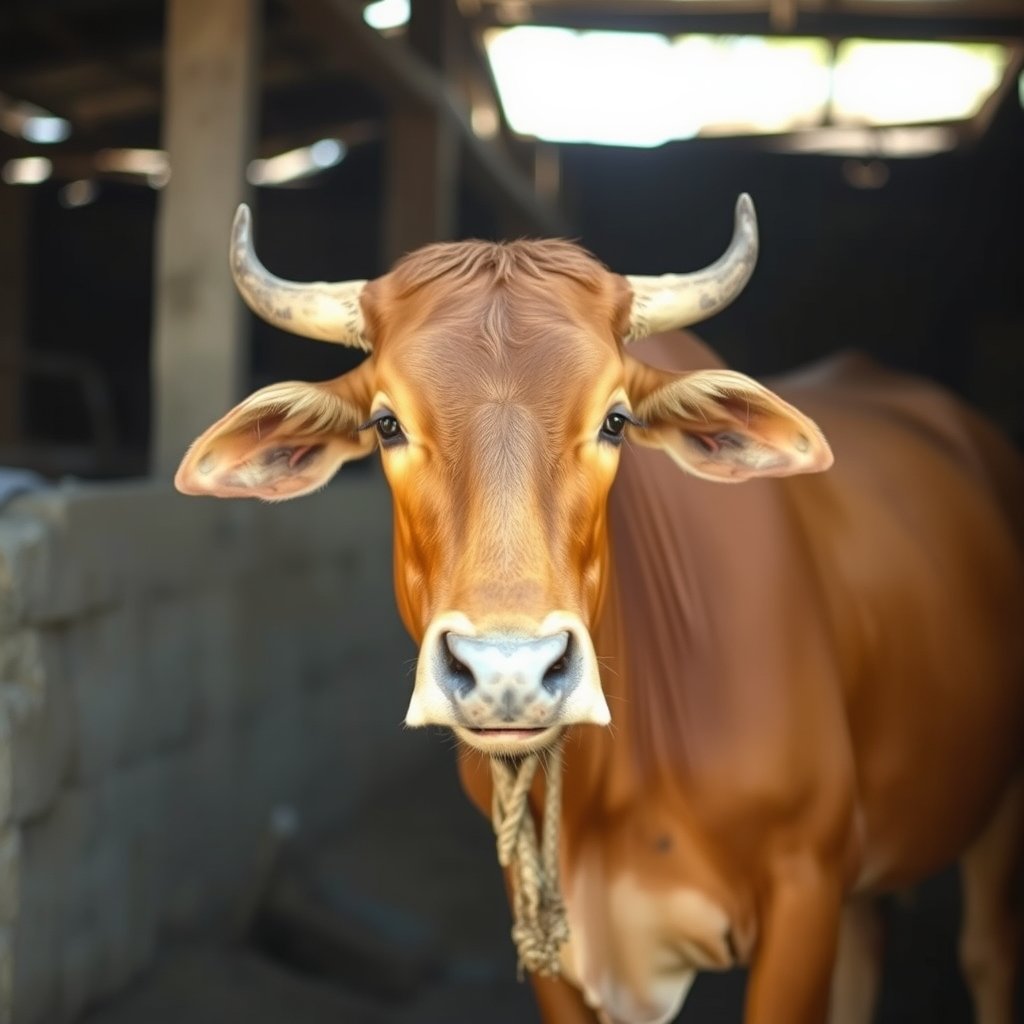
A dairy cow's productive life is shortened in high-yield systems because intensive milk output puts continuous metabolic strain on her body, causing physical wear long before her natural life ends. When farm management practices prioritize maximum daily milk volume, cows expend immense energy reserves to sustain peak daily output. Over consecutive lactations, this constant biological demand gradually depletes the animal's physical reserves, making it difficult to maintain body condition and health alongside routine milking schedules.
Why does high milk production affect a cow's health?
High milk production requires a cow to convert massive quantities of feed nutrients and body energy into milk every day. In high-yield commercial dairy setups, cows operate at peak physical capacity for extended periods. This continuous physiological exertion places heavy stress on digestion, joints, and overall metabolic health. Farmers operating under tight market pressures to maintain steady daily fluid volumes often struggle to balance high milk output with sufficient rest for the animal. Over time, the physical toll of continuous production leads to early wear, reduced energy, and physical fatigue, which limits the cow's active milking years sooner than expected.
How does yield pressure shorten a dairy cow's productive life?
Yield pressure shortens a cow's working life because economic structures in fluid milk production reward daily volume rather than long-term animal longevity. When an individual cow's output drops below commercial profitability, maintaining her within a high-yield dairy operation becomes economically difficult for standard suppliers. Because barn space, fodder, and labor costs are managed around active output, cows that yield less milk are often retired early to clear room for younger stock. This cycle is driven by consumer demand for low-cost, high-volume fluid milk rather than any natural biological limit of the cattle themselves.
How do high-yield systems compare to lifetime care models?
Comparing high-yield dairy production with a lifetime care model shows how farm goals alter animal housing, feeding, and retirement practices:
| Operational Aspect | High-Yield Dairy System | Lifetime Care Model |
|---|---|---|
| Primary Operational Goal | Maximising daily milk volume per cow | Preserving animal health and natural longevity |
| Response to Lower Milk Yield | Cow is retired or moved off the farm | Cow remains in the herd with unchanged care |
| Daily Feed Strategy | Rations balanced for high milk volume | Forage balanced for overall health and vitality |
| Long-Term Animal Care | Active only during milking years | Lifetime shelter, fodder, and veterinary support |
What happens when an A2 Gir cow stops milking at Organic Farmz?
When an indigenous A2 Gir cow on our farm stops giving milk, she remains a permanent member of our herd. She continues to live in the same shed, eats the same balanced green fodder and dry forage, and receives the exact same veterinary attention and daily care she had while she was milking. We never sell or transfer our retired cows off the farm. In traditional Indian agriculture and Ayurveda, cows are valued partners in farm life, where traditional bilona ghee churned from curd depends on calm, well-cared-for animals. Keeping our retired cows safe on the farm ensures that our ghee comes from a herd treated with quiet respect throughout every stage of life.
How do we support street cattle and rescued cows in India?
Beyond our own farm herd, our broader goal is to support homeless street cattle that have been injured in traffic, suffer from eating discarded plastic, or have no shelter available. Many urban cows wander roads without care or medical help. Our plan is to build a chain of dedicated Organic Farmz gaushalas across several regions to offer rescued street cows fresh feed, secure shelter, and ongoing medical care. This effort is planned as a growing network of sanctuaries rather than a single location, expanding as resources allow. You can learn more about our Gau Seva work and contribute directly toward feed, shelter, and medical care via UPI or bank transfer.
Taste the difference
Small-batch A2 Gir cow ghee, hand-churned to order and delivered across India. Read how we make it if you want the detail first.
Order a jarKeep reading
-
 Caring for an Old Cow: Daily Life and Herd Care
Caring for an old cow requires providing shade, soft green fodder, foot care, clean water, and peaceful herd…
-
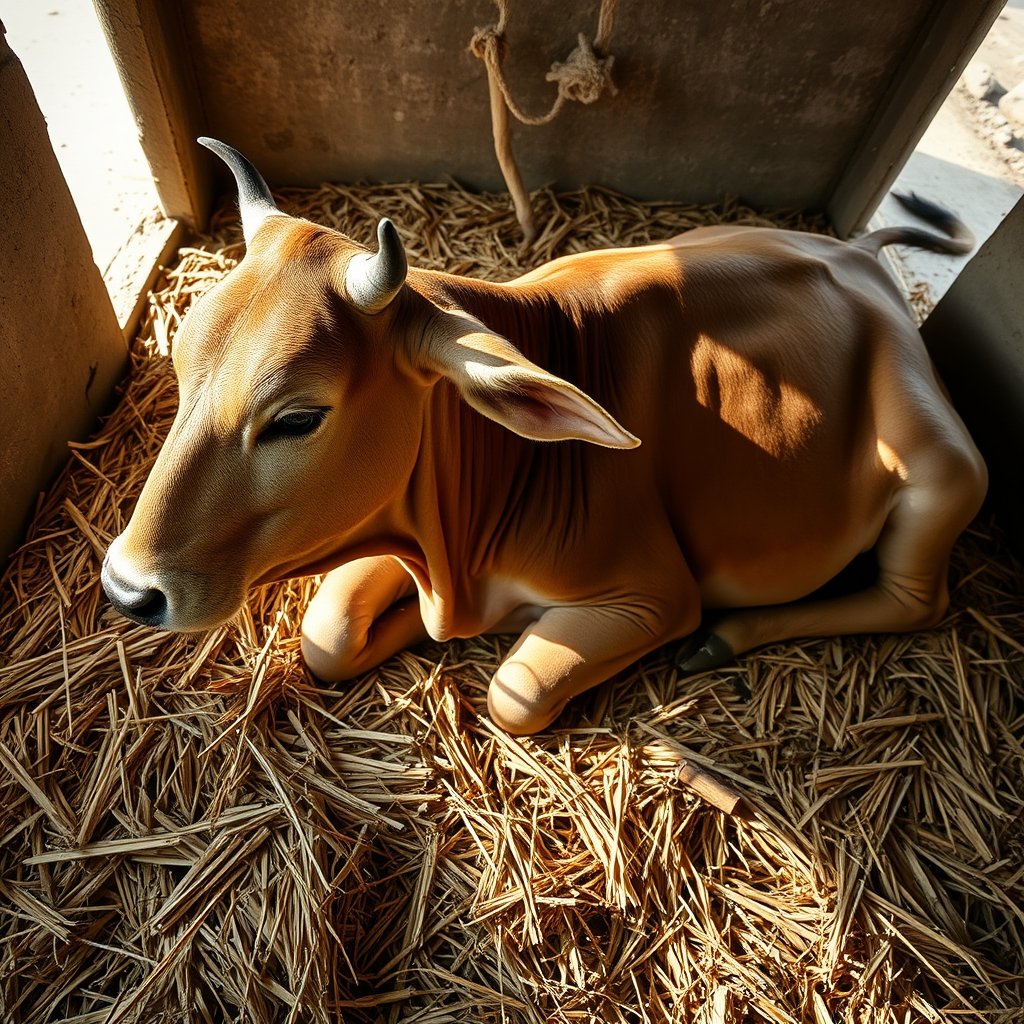 When a Cow Stops Milking: She Stays on the Farm
When a cow stops giving milk, standard dairies often sell her, but on our farm she remains housed, fed, and…
-
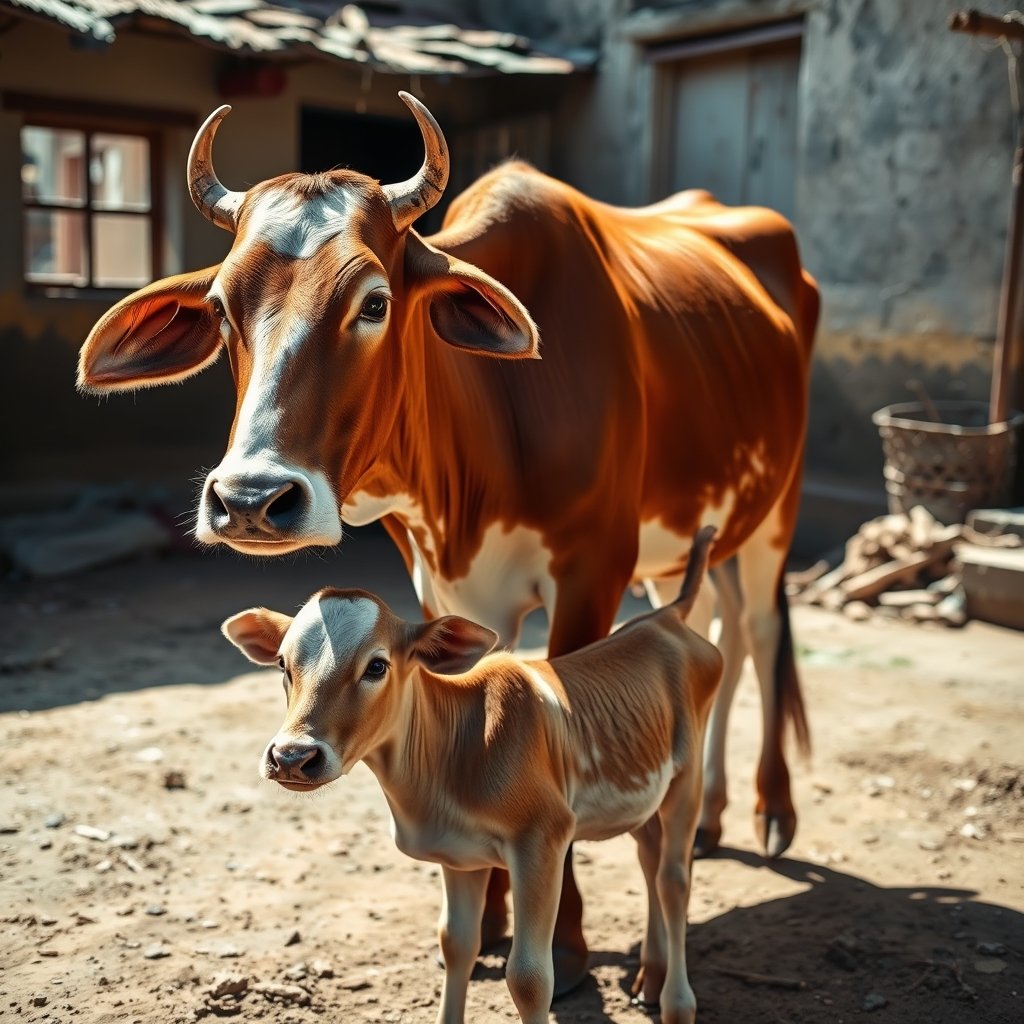 How to Know If Milk Is Ethical: Check Animal Care
An ethical dairy allows calves their share of milk, keeps non-milking cows for life, avoids forced breeding…


