
Sponsor a Cow in India: How Cow Sponsorship Works

Yes, you can sponsor a cow in India by contributing money directly towards her fodder, shed space, and veterinary care through an ethical dairy farm or dedicated gaushala care program. Cow sponsorship allows individuals to support cattle welfare without owning land or maintaining livestock themselves. Across India, many families and individuals sponsor cows for ethical, traditional, or personal reasons, helping shelters and conscious farms cover the recurring monthly cost of feeding and caring for non-commercial, rescued, or retired animals.
How does cow sponsorship work in India?
Cow sponsorship in India works as a regular or one-time financial contribution made by an individual to an organization that houses and cares for cattle. When you sign up to sponsor a cow, your money goes directly toward meeting the practical daily needs of either a specific animal or the general herd at a gaushala or farm shelter. Most sponsorship programs allow donors to transfer funds conveniently using digital payment options like UPI or direct bank transfer. Depending on how the specific farm operates, sponsors may receive regular health updates about the cow, visit the farm in person to spend time with the animals, or fund special feeding sessions on meaningful family occasions. Sponsorship models exist across independent cow sanctuaries, traditional community gaushalas, and conscious dairy farms that uphold lifelong care standards for their entire herd.
What does cow sponsorship money actually pay for?
Money provided through cow sponsorship primarily pays for three essential needs: nutritious feed, medical treatment, and physical shelter. Indigenous cows like A2 Gir cattle and rescued street animals require substantial daily nourishment consisting of fresh green grass, dry sorghum or wheat straw, cattle feed mixes, and essential mineral supplements. Healthcare forms another critical portion of sponsorship funds, covering routine veterinary checkups, seasonal vaccinations, wound care, and treatments for aging cows suffering from arthritis or digestion difficulties. Additionally, sponsorship support helps pay for shed repair, clean drinking water supply infrastructure, dry bedding, and fair daily wages for caretakers who tend to the cattle full-time.
How does sponsorship differ from general gaushala donations?
Sponsorship directly ties your contribution to the ongoing daily care and nourishment of individual animals or a specific herd, whereas general gaushala donations enter a broad administrative pool used for general expenses, construction, or operational overhead. Both forms of financial support aid animal welfare, but direct cow sponsorship emphasizes sustained, individual care over time.
| Feature | Individual Cow Sponsorship | General Gaushala Donation |
|---|---|---|
| Fund Allocation | Directly funds daily fodder, medical care, and upkeep for specific cattle | Pooled for overall facility expansion, staff costs, and general shelter upkeep |
| Care Focus | Sustained long-term living needs for individual resident cows | Broad animal rescues, site maintenance, and emergency response |
| Donor Visibility | Direct updates on animal wellbeing and feeding routines where provided | Standard institutional donation receipts and periodic activity reports |
What should you check before sponsoring a cow?
Before sponsoring a cow in India, you should verify the care center's physical presence, actual living conditions, and long-term commitment to non-milking animals. Confirm whether cows that reach the end of their milking years remain safely housed on the farm or risk being sold away to commercial traders. Look for complete financial transparency regarding how your contribution is spent, and check if the farm allows visitors to inspect the premises in person. Clean, well-ventilated sheds, ready access to shade, continuous clean water, and prompt veterinary care are key indicators of a genuine shelter. It is wise to avoid organizations that cannot explain where sponsorship money goes or lack clear care guidelines for old, sick, or non-yielding cattle.
How does care for non-milking cows work at Organic Farmz?
At Organic Farmz, cattle welfare is treated as a permanent commitment rather than a short-term commercial cycle. When a cow on our farm stops giving milk, she remains on the farm as part of our herd, enjoying the same shed accommodation, balanced feed, and routine veterinary care she received while milking, without ever being sold on. We maintain that caring for cows requires lifetime responsibility across every stage of their lives. Beyond our existing herd, our future plan includes establishing a chain of Organic Farmz gaushalas across different regions to rescue street cows that have been injured in traffic accidents, ingested plastic waste, or left abandoned. If you would like to help provide feed, medical care, and shelter for cattle, you can read more about our Gau Seva work and contribute directly using UPI or direct bank transfer on our site.
Taste the difference
Small-batch A2 Gir cow ghee, hand-churned to order and delivered across India. Read how we make it if you want the detail first.
Order a jarKeep reading
-
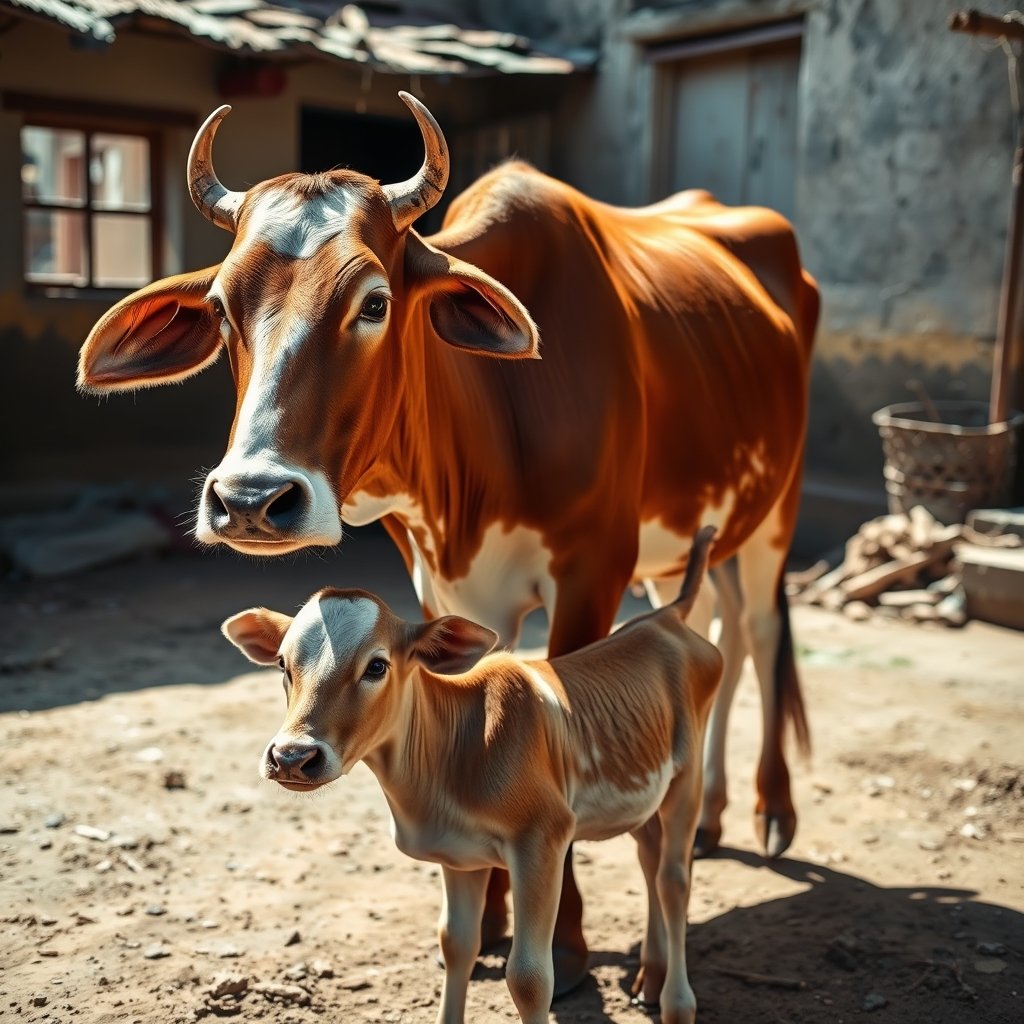 How to Know If Milk Is Ethical: Check Animal Care
An ethical dairy allows calves their share of milk, keeps non-milking cows for life, avoids forced breeding…
-
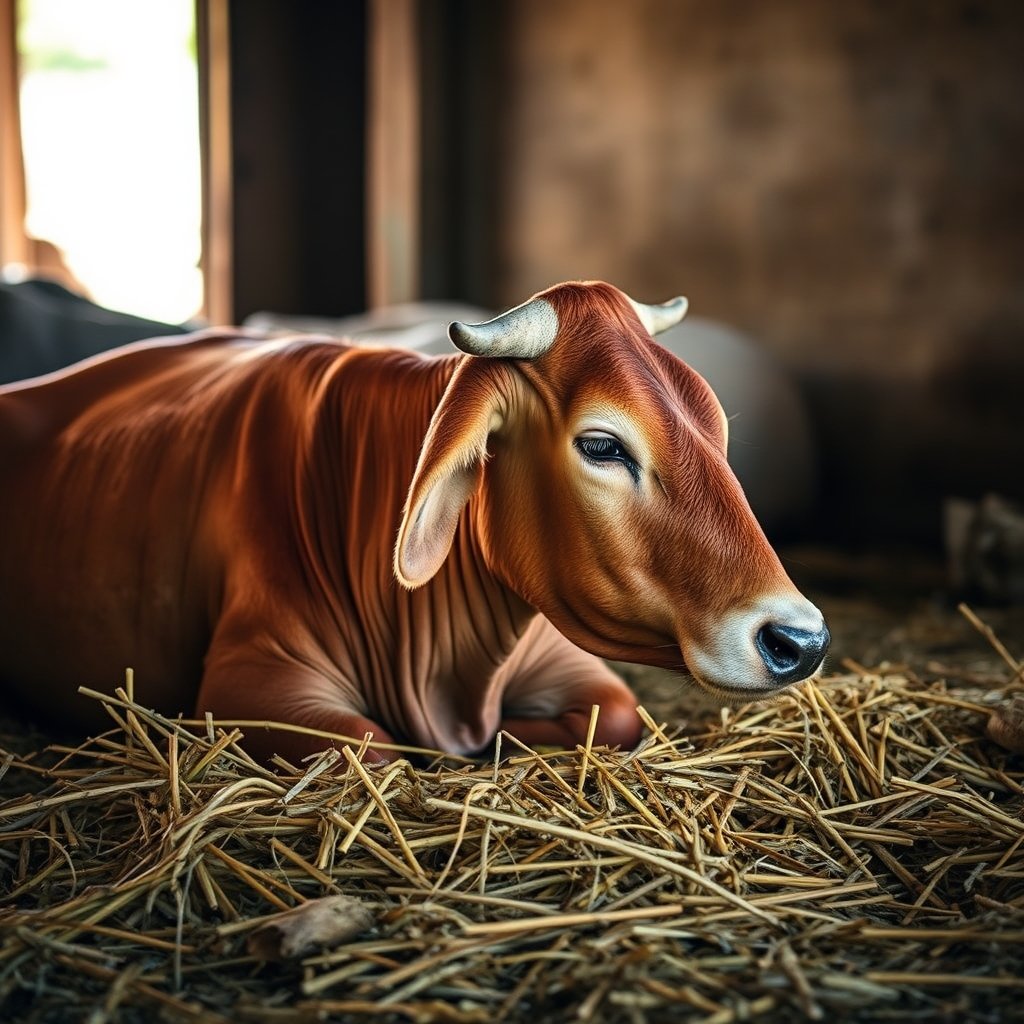 What Is a Gaushala? A Shelter for Homeless Cattle
A gaushala is a sanctuary that provides food, shelter, and medical care to old, stray, or abandoned cows…
-
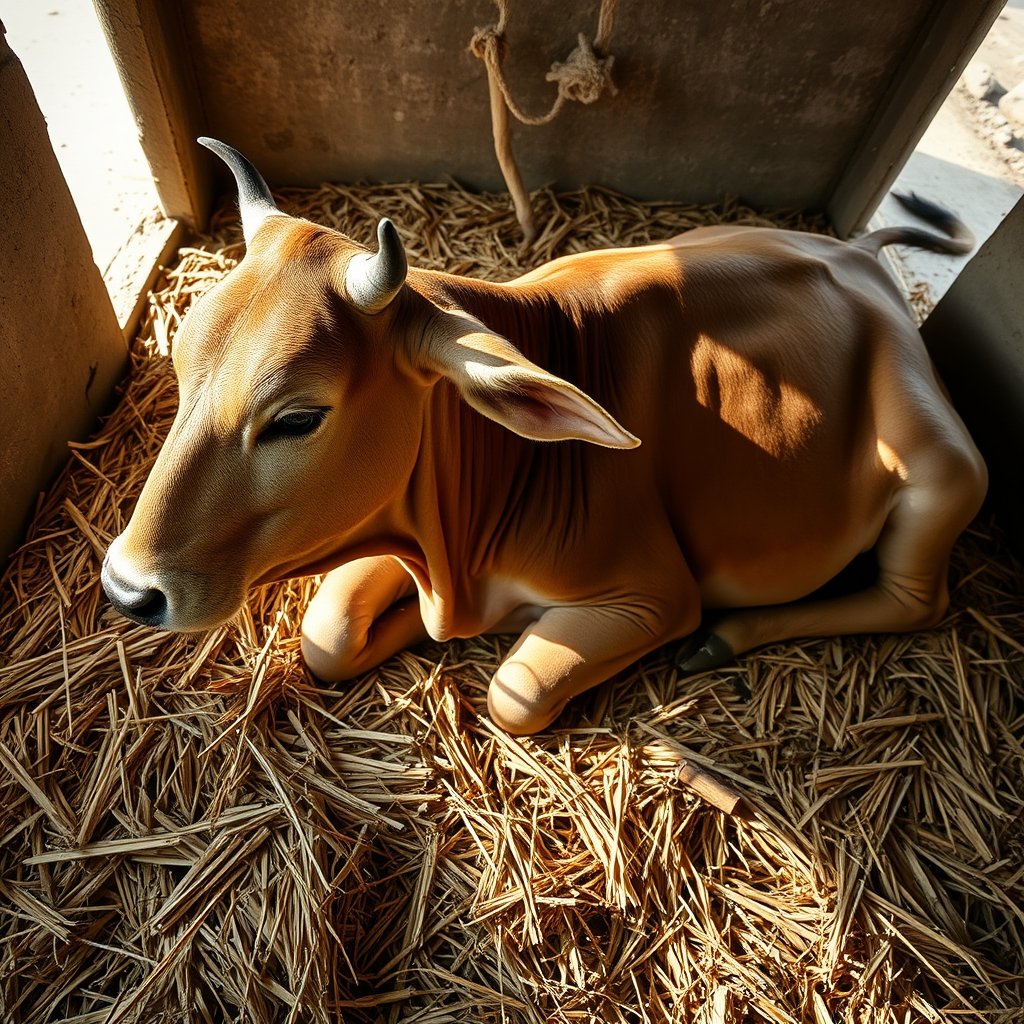 When a Cow Stops Milking: She Stays on the Farm
When a cow stops giving milk, standard dairies often sell her, but on our farm she remains housed, fed, and…


