
Nourishing Agni Without Excess Heat: Classical Ayurvedic Insights on Cultured Ghruta

The Paradox of Digestive Fire and Cooking Fats
In classical Ayurvedic thought, almost everything we experience in the body comes back to Agni, the internal digestive fire. When Agni burns steadily and clearly, the body breaks down meals thoroughly, extracts subtle nourishment, and avoids the heavy, sluggish feeling known as Ama. When Agni is weak, even light meals can feel leaden in the stomach. Yet, in modern cooking, fats are almost universally regarded as heavy, slow to break down, and demanding on the liver.
Ayurvedic texts, however, single out one notable exception to this rule: cow ghee, referred to respectfully in Sanskrit as Ghruta. Unlike mustard oil, sesame oil, or unclarified butter, pure cow ghee holds a rare combination of qualities. It is described as Agnideepaka, meaning it gently kindles and sustains the digestive flame, without causing the sharp, fiery aggravation that spicy foods or pungent oils tend to provoke.
Why Culturing Curd Changes the Nature of Fat
To understand why classical vaidyas praised ghee so consistently, one must look at how that fat was made. In ancient India, no household separated raw cream directly from fresh milk to make butter. That modern shortcut bypasses the foundational step that gives ghee its gentle, digestible character.
In the traditional bilona method, milk from indigenous Gir cows is first boiled, cooled, and cultured into whole-milk dahi overnight. Only after fermentation has taken place is the curd hand-churned with a wooden bilona to separate the makkhan, or cultured butter. This natural fermentation alters the fat on a subtle level. Ayurvedic practitioners describe this transformation through the concept of Samskara, the idea that mindful processing imparts new, lighter attributes to an ingredient. Culturing lends a mild lightness and a bio-friendly quality to the butterfat, so that when it is slowly clarified over a low flame, the resulting ghee does not coat the tongue or weigh down the stomach in the way direct-cream commercial fats often do.
Dipana and Pachana: The First Morsel on the Lunch Thali
For centuries, the everyday rhythm of an Indian family meal mirrored these classical principles without needing textbook terminology. Grandmothers insisted that the very first bite of lunch, especially the midday meal when the body's digestive capacity peaks alongside the sun, should carry a drop of warm, liquid ghee.
In classical terms, this practice serves two related functions: Dipana (awakening the appetite) and Pachana (aiding smooth breakdown). A single teaspoon of warm A2 Gir cow ghee poured over hot rice or stirred into a comforting bowl of split-moong dal softens dry grains, lubricates the stomach lining, and signals the digestive tract to prepare for the heavier elements of the meal. Because bilona ghee carries an aromatic sweetness and a soft, non-cloying texture, it invites the senses into a state of relaxed readiness, which is itself considered an essential component of proper digestion.
Balancing Pitta: The Gentle Cooling Potency
Perhaps the most fascinating distinction Ayurveda makes about cultured cow ghee is its energetic action, known as Sheeta Virya, or cooling potency. Most culinary substances that awaken Agni, such as fresh ginger, black pepper, and hing, are inherently hot in nature. If a person with a fiery constitution or elevated Pitta relies solely on hot spices to aid digestion, they often experience acidity, skin warmth, or irritability.
Ghruta represents the gentle middle path. While it kindles the digestive flame, its post-digestive effect is sweet (Madhura Vipaka) and its systemic action is soothing. It calms excess bodily heat, buffers the sharp acidity of aggressive spices, and protects the mucous membranes. This makes cultured A2 ghee particularly valuable during the warmest months of the year, or for households where individuals frequently experience heat-related digestive sensitivity.
Bringing Ancient Wisdom into Daily Home Cooking
Applying these Ayurvedic principles in your own kitchen does not require complicated rituals or exotic recipes. It begins with simple, mindful choices about how and when fat meets heat.
First, consider using A2 Gir cow ghee toward the end of your preparation rather than burning it at extreme temperatures. While ghee has a naturally high smoke point, its delicate fat-soluble essences and sweet aroma are preserved best when used to temper cumin, curry leaves, and coriander at moderate heat, or drizzled directly over hot food just before serving. Second, respect quantity. In Ayurvedic cooking, ghee is treated with reverence as a concentrated essence, not poured with a heavy hand. A single spoonful of authentic bilona ghee, sourced from well-cared-for Gir cows grazing peacefully, carries more flavor, aroma, and digestive gentleness than generous cups of highly refined industrial fats.
Taste the difference
Small-batch A2 Gir cow ghee, hand-churned to order and delivered across India. Read how we make it if you want the detail first.
Order a jarKeep reading
-
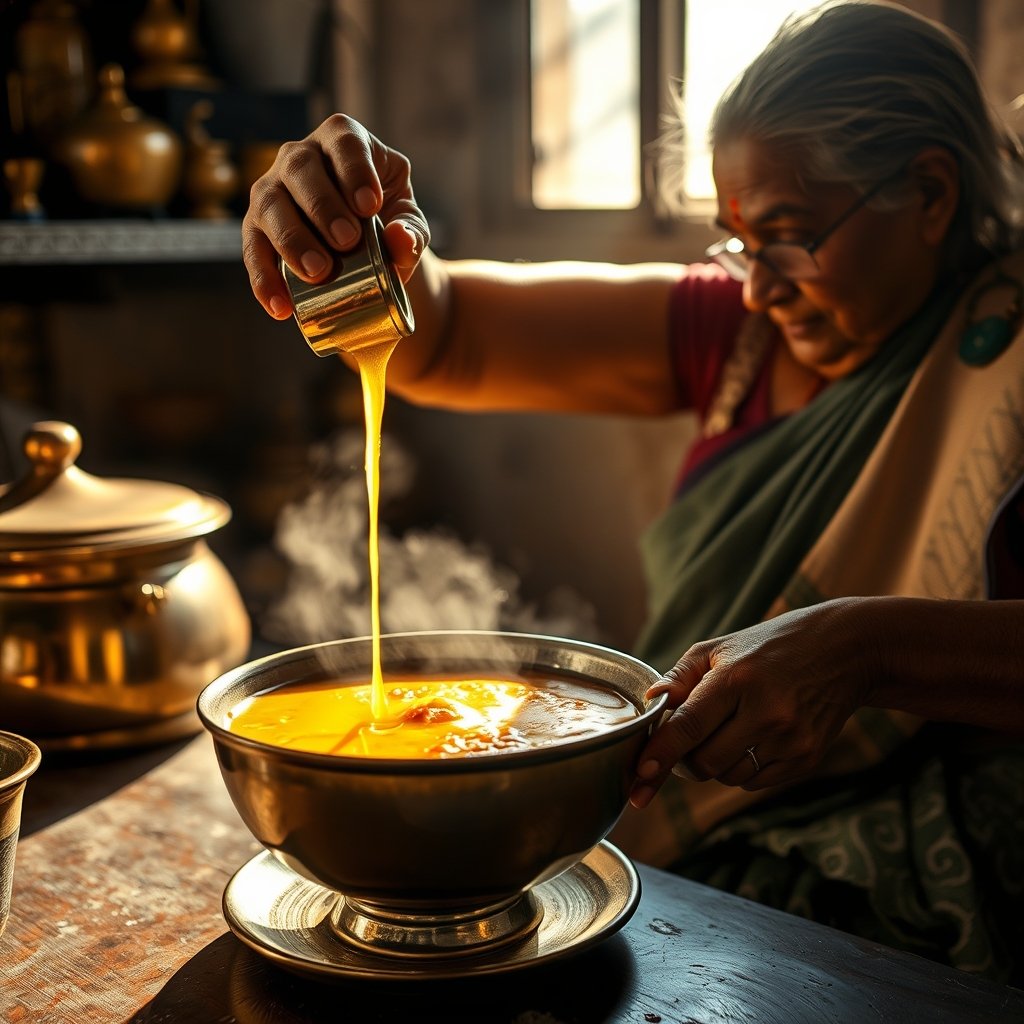 Ghee and Digestion: What Tradition Claims and What Is Known
Ghee has been used in Indian kitchens for centuries to make meals easier to digest. Here is a clear look at…
Ghee and Digestion: What Tradition Claims and What Is Known
Ghee has been used in Indian kitchens for centuries to make meals easier to digest. Here is a clear look at…
-
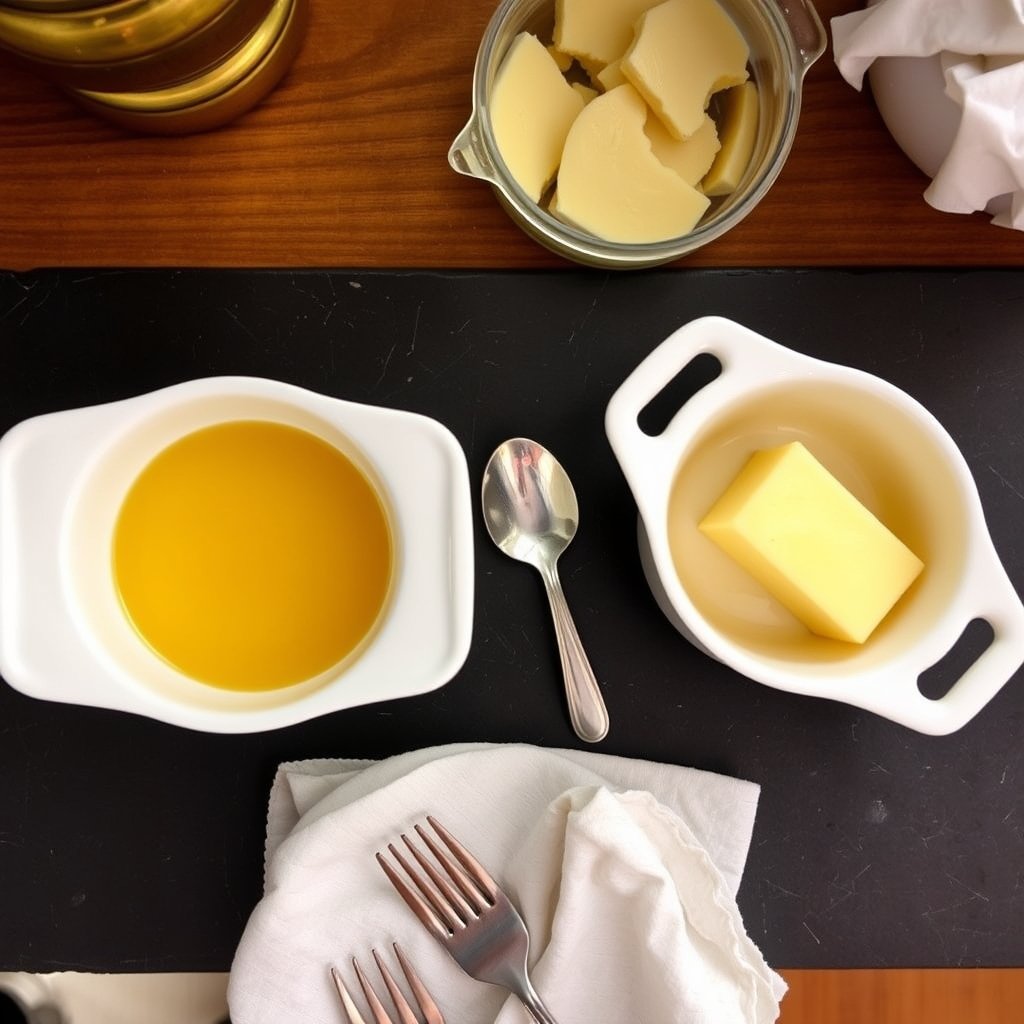 Ghee vs Butter: The Nutrition Numbers Side by Side
A direct side-by-side nutritional comparison of ghee and butter, breaking down calories, fat composition…
Ghee vs Butter: The Nutrition Numbers Side by Side
A direct side-by-side nutritional comparison of ghee and butter, breaking down calories, fat composition…
-
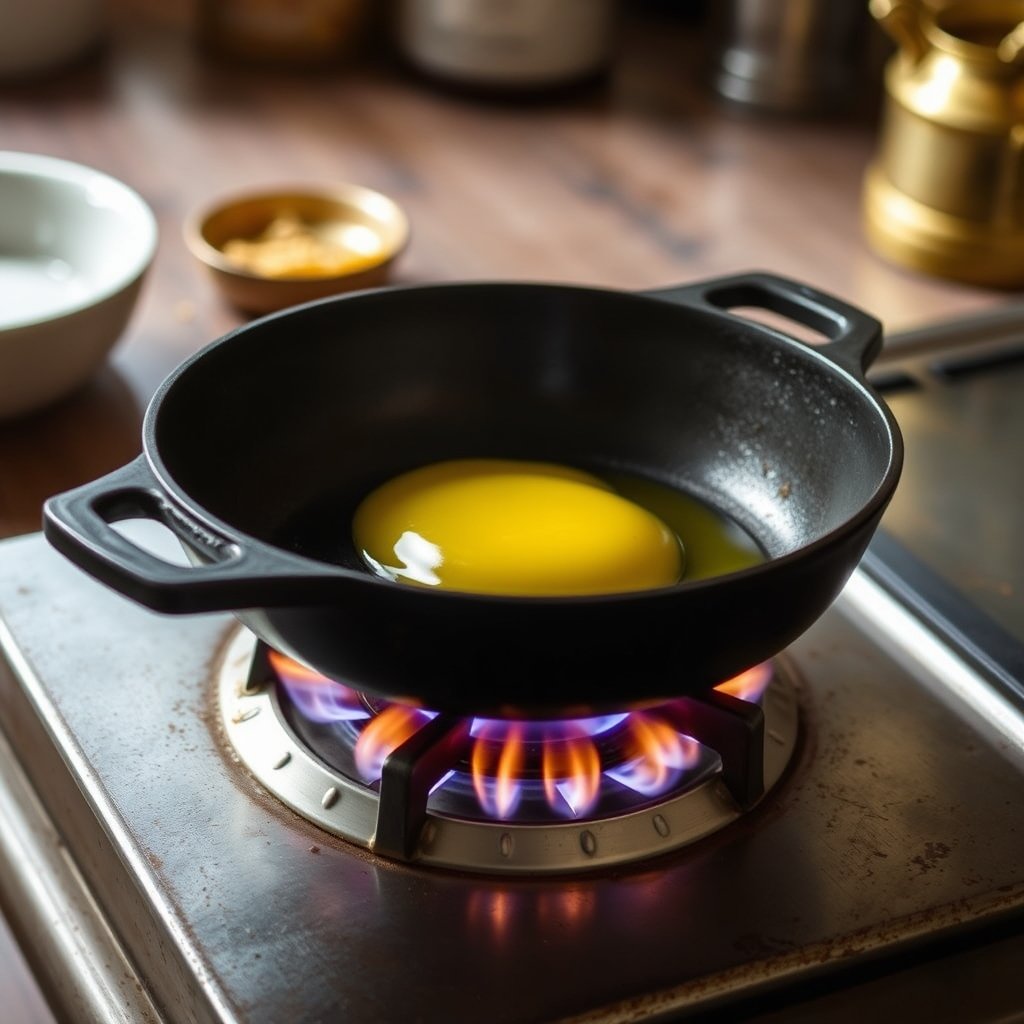 Smoke Point Explained: Choosing a Fat by Temperature
A fat's smoke point determines how hot your pan can get before the fat breaks down, and pure A2 bilona ghee…
Smoke Point Explained: Choosing a Fat by Temperature
A fat's smoke point determines how hot your pan can get before the fat breaks down, and pure A2 bilona ghee…