
Ghee in a Vegetarian Diet

Ghee is a traditional lacto-vegetarian food derived entirely from cow milk, making it fully suitable for any vegetarian diet that includes dairy products.
Because vegetarianism in India historically centers on lacto-vegetarian principles, milk and its derived products—such as curd, paneer, butter, and ghee—have formed a primary pillar of daily sustenance for generations. While ghee is not suitable for a strict vegan diet because it comes from an animal source, it contains no animal flesh, slaughter by-products, or non-vegetarian additives. For millions of people following a plant-focused lifestyle, ghee serves as the central culinary fat that ties meals together.
Is Ghee Considered Vegetarian or Vegan?
Understanding the distinction between vegetarian and vegan diets helps clarify where ghee belongs on your plate. A vegetarian diet generally excludes meat, poultry, seafood, and fish. Within this framework, lacto-vegetarians choose to consume dairy products, making foods like milk, buttermilk, paneer, and ghee integral to their daily eating habits.
A vegan diet, by contrast, avoids all animal-derived ingredients, including honey, gelatin, and all forms of dairy. Therefore, while ghee is 100% vegetarian, it is not vegan. In an Indian home context, when people speak of a vegetarian kitchen, they almost always refer to a lacto-vegetarian tradition where ghee holds an honoured place at the dining table.
Why Is Ghee Central to Indian Vegetarian Cooking?
Vegetarian meals rely heavily on grains, pulses, lentils, seasonal vegetables, and spices. While these plant-based ingredients offer diverse textures, complex carbohydrates, and essential fiber, many plant nutrients—specifically fat-soluble vitamins like A, D, E, and K—require a dietary fat medium for optimal cooking and natural culinary integration.
Ghee acts as a carrier fat in classical cooking. When you temper whole spices like cumin seeds, mustard seeds, cardamom, or cloves in hot ghee, the fat-soluble essential oils within the spices release their aroma and flavor directly into the fat. Drizzled over hot dal or mixed into steaming rice, ghee softens the astringent or bitter notes of certain leafy greens and root vegetables, rounding out the palate and making plant dishes satisfying.
In traditional Ayurveda, ghee is classified as a sattvic food—a clean, wholesome fat that promotes clarity, smooth digestion, and balance when consumed mindfully. It is often recommended alongside dry or high-fiber foods, such as millets, whole wheat flatbreads, and legume dishes, to provide lubrication and warmth to daily meals.
How Does Traditional Ghee Compare to Refined Vegetable Oils?
Vegetarians often choose between traditional animal-derived fats like ghee and seed-derived vegetable oils for daily cooking. The table below outlines how traditional cultured bilona ghee differs from standard refined vegetable oils in a home kitchen setting.
| Feature | Traditional A2 Gir Cow Bilona Ghee | Refined Vegetable Oils |
|---|---|---|
| Source | Whole A2 cow milk turned into curd and churned | Plant seeds (sunflower, soybean, palm, etc.) |
| Processing Method | Natural curd churning and gentle flame heating | Chemical solvent extraction, bleaching, and deodorising |
| Flavour & Aroma | Rich, nutty, aromatic, and naturally grain-textured | Neutral or bland with minimal natural aroma |
| High-Heat Cooking | High smoke point (~250°C) with stable fat structure | Varying smoke points; susceptible to breakdown under high heat |
| Traditional Context | Centuries-old staple in Indian lacto-vegetarian culinary tradition | Modern industrial fat introduced to kitchens in recent decades |
What Makes A2 Gir Cow Bilona Ghee Special for Vegetarians?
Not all ghee is prepared the same way. Commercial ghee often relies on industrial separator machines that extract cream directly from fresh milk, which is then melted quickly at high temperatures. In contrast, traditional Organic Farmz A2 Gir Cow Ghee follows the time-honoured bilona method.
In the bilona process, fresh milk from indigenous Gir cows is first boiled and naturally cultured into whole curd. This curd is churned bi-directionally using a wooden churner (bilona) to extract white butter, or makkhan. The makkhan is then gently warmed over a mild flame until the water evaporates and milk solids settle at the bottom, leaving behind pure, golden, aromatic ghee.
For a vegetarian family, choosing A2 Gir cow bilona ghee means bringing an unadulterated, traditionally crafted fat into the kitchen. The natural fermentation during the curdling step gives the ghee a mild, pleasing aroma and a distinct grainy texture without needing artificial additives, flavorings, or preservatives.
How Can You Use Ghee in Daily Plant-Based Cooking?
Incorporating ghee into daily vegetarian cooking is simple and versatile. Here are several practical ways to bring the rich flavor of bilona ghee to your routine meals:
1. The Classic Tadka: Heat a tablespoon of ghee in a small pan, add cumin, hing (asafoetida), and green chillies, and pour the sizzling mixture over freshly boiled arhar or moong dal right before serving.
2. Roti and Paratha Finishing: Lightly smear a small drop of warm ghee over hot phulkas, rotis, or stuffed parathas. It keeps the bread soft, enhances taste, and prevents it from drying out quickly.
3. Rice Dishes: Mix a spoonful of ghee into plain steamed basmati rice, khichdi, or vegetable pulao while hot. The fat coats every grain, separating them and elevating the dish's aroma.
4. Vegetable Sautéing: Use ghee to roast winter root vegetables like carrots, sweet potatoes, and pumpkin, or stir-fry simple seasonal sabzis like bhindi (okra) or aloo-gobi.
5. Traditional Desserts: Prepare classic vegetarian sweets like besan ladoo, suji halwa, or kheer using golden ghee as the primary fat base for roasting grains and nuts.
Taste the difference
Small-batch A2 Gir cow ghee, hand-churned to order and delivered across India. Read how we make it if you want the detail first.
Order a jarKeep reading
-
 Ghee for Toddlers and Growing Children: A Parent's Guide to Daily Cooking
Learn when and how to introduce A2 Gir cow ghee into your toddler's daily diet, with practical serving…
Ghee for Toddlers and Growing Children: A Parent's Guide to Daily Cooking
Learn when and how to introduce A2 Gir cow ghee into your toddler's daily diet, with practical serving…
-
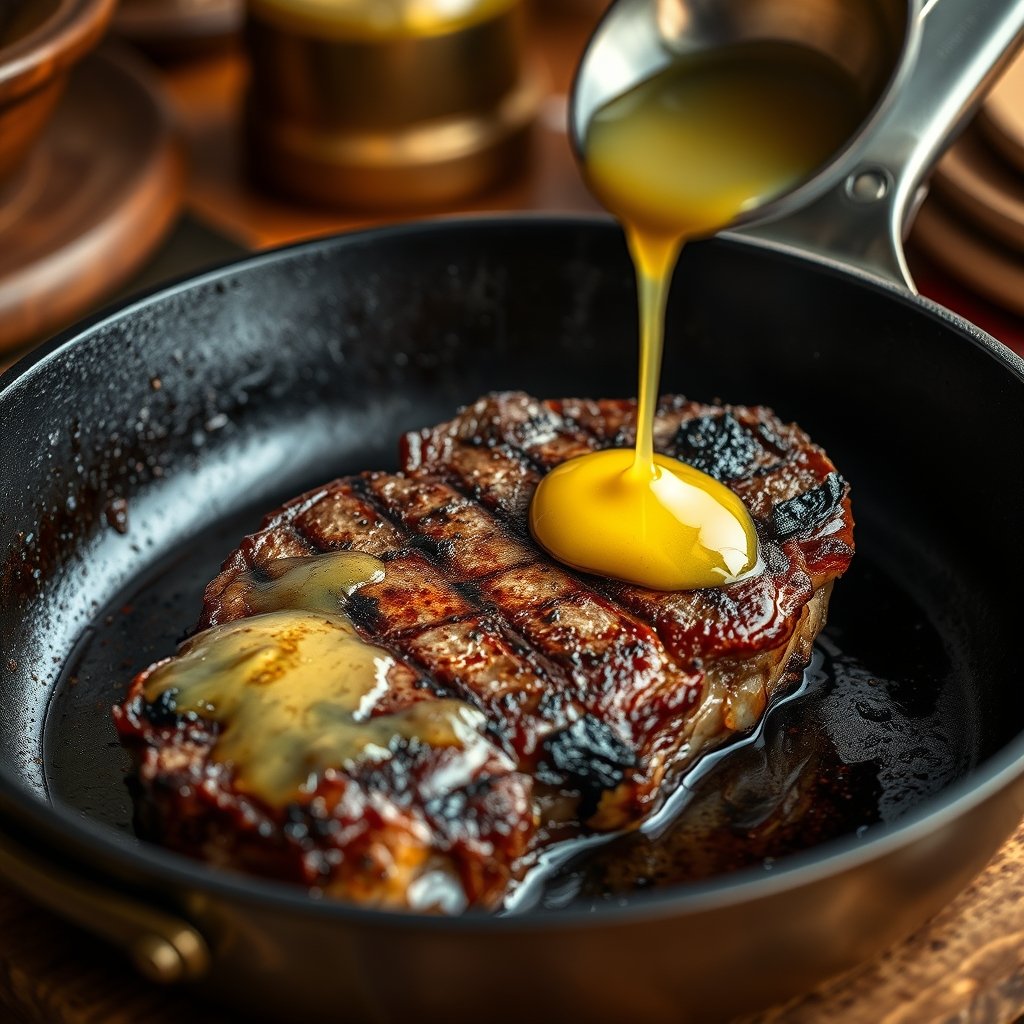 Is Ghee Keto-Friendly?
Yes, ghee is entirely keto-friendly because it is a pure fat source containing virtually zero carbohydrates…
Is Ghee Keto-Friendly?
Yes, ghee is entirely keto-friendly because it is a pure fat source containing virtually zero carbohydrates…
-
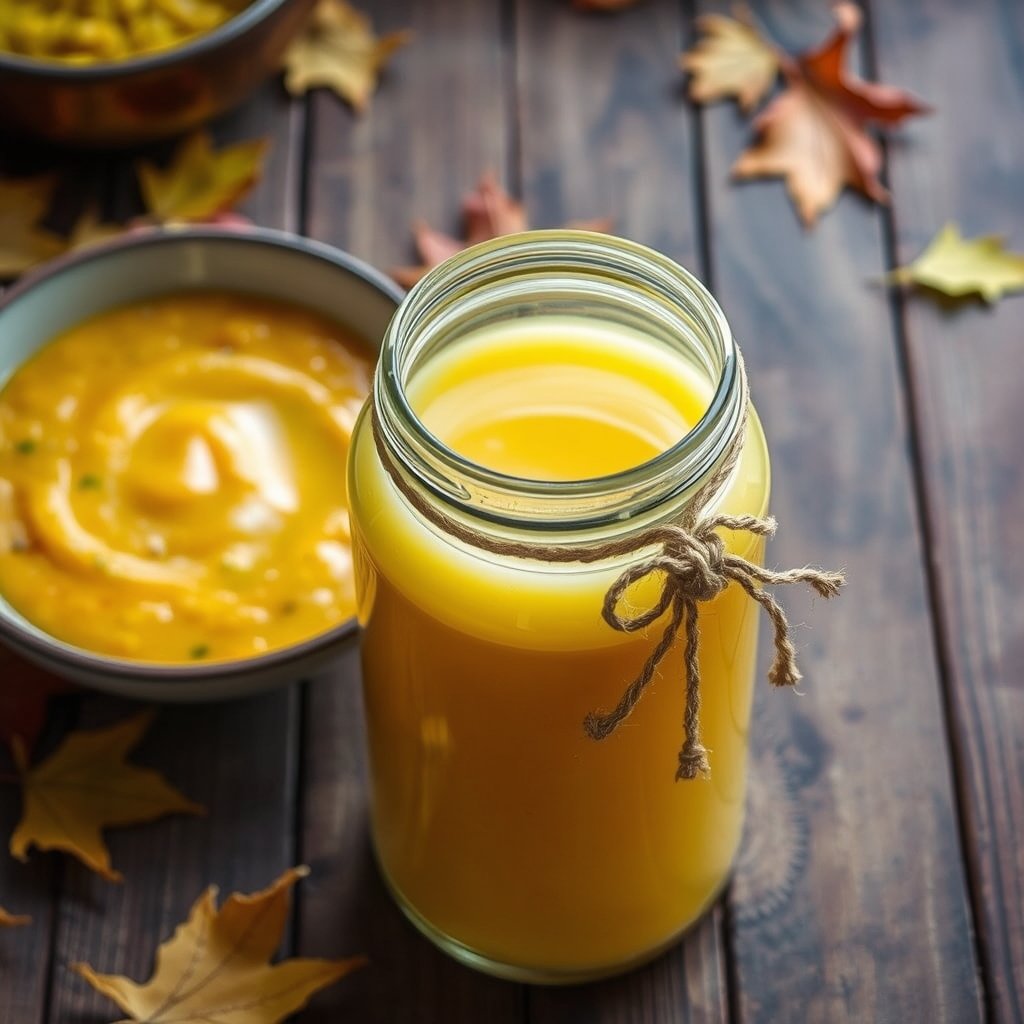 Ghee in Ritucharya: Eating With the Seasons
Discover how the traditional practice of Ritucharya uses A2 Gir cow bilona ghee to balance the body through…
Ghee in Ritucharya: Eating With the Seasons
Discover how the traditional practice of Ritucharya uses A2 Gir cow bilona ghee to balance the body through…