
Which Indian Cow Breeds Give A2 Milk?

Indigenous Indian cow breeds, classified under the species Bos indicus, naturally produce milk that contains the A2 beta-casein protein variant rather than the A1 variant commonly found in Western dairy breeds.
What Defines an Indigenous Indian Cow Breed?
Indian cattle breeds, often referred to as zebu or desi cows, are characterized by distinct physical features adapted over thousands of years to the Indian climate. They possess a prominent hump over their shoulders, loose pendulous skin under the neck known as a dewlap, and large drooping ears. These genetic traits evolved to help the animals regulate heat in tropical weather. Biochemically, native Indian cattle carry the genetic sequence responsible for expressing A2 beta-casein protein in their milk.
Which Indian Breeds Are Known for A2 Milk Production?
Several distinct breeds across different regions of India are celebrated for their milk quality, resilience, and connection to regional farming heritage:
1. Gir Cow: Native to the Gir hills and Kathiawar peninsula of Gujarat, the Gir cow is recognizable by its rounded forehead, long pendulous ears, and reddish-brown coat. It is renowned for its calm temperament and rich milk yield in traditional dairy farming.
2. Sahiwal: Originating in the dry regions of Punjab and Sindh, the Sahiwal is considered one of the best indigenous dairy breeds. It has a reddish-brown hide and produces milk with a high fat content, well-suited for traditional butter and ghee preparation.
3. Red Sindhi: Closely related to the Sahiwal, the Red Sindhi hails from Sindh and is adaptative to varied climates. Its deep red coat and sturdy frame make it a staple in traditional dairy regions across India.
4. Tharparkar: Coming from the Thar desert region of Rajasthan and Sindh, the Tharparkar is a white or light grey cow exceptionally adapted to harsh, arid conditions and sparse vegetation, producing clean, nutritious milk even in drought-prone landscapes.
5. Kankrej: Originating from the Rann of Kutch in Gujarat and adjacent parts of Rajasthan, the Kankrej is a large, powerful breed with distinctive lyre-shaped horns. It serves dual purposes for draft work and dairy.
6. Ongole and Hallikar: Found in Andhra Pradesh and Karnataka respectively, these south Indian breeds are primarily known for their draft strength, but their milk naturally carries the same A2 genetic profile as other native cattle.
Our cows are not use and throw
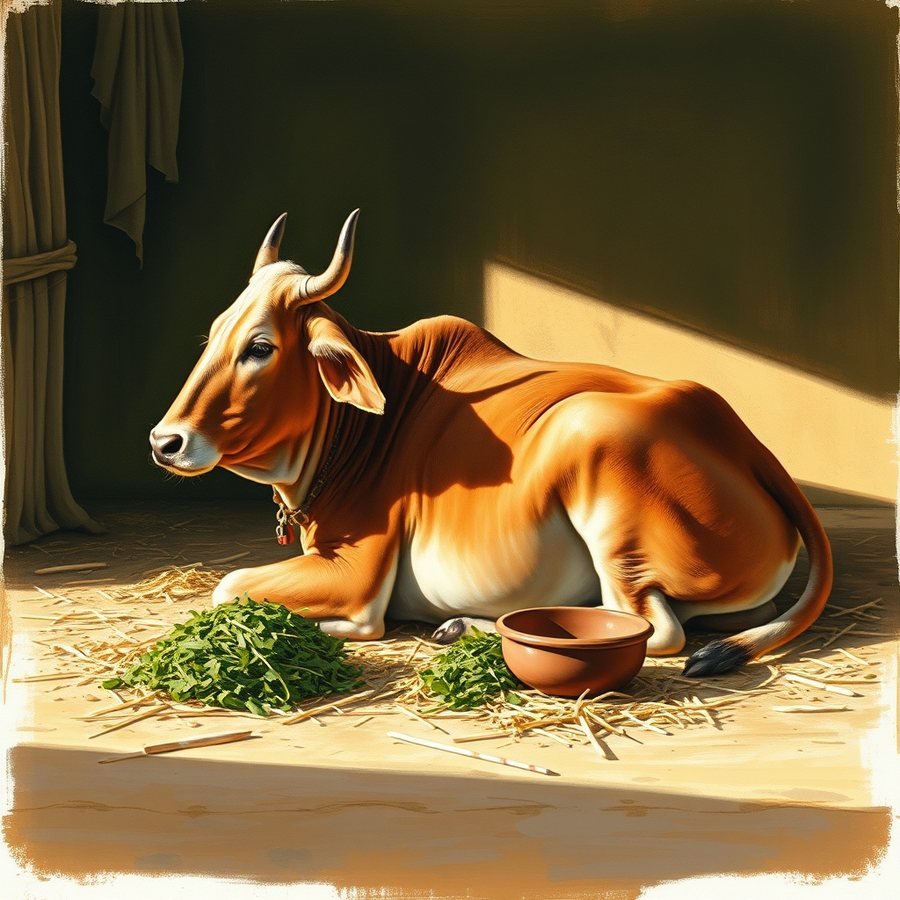
A cow that stops giving milk is still our cow. She stays on the farm, with the same feed, the same shed and the same medical care she had when she was milking. We do not sell her on and we do not let her go. That is the whole basis of the ghee we make — you cannot ask an animal for her milk and then abandon her for it.
Our mission goes further than our own herd. There are cows on the street who are injured every day, who eat plastic, who cry through the night with nobody coming. We want to take them in. The plan is a chain of Organic Farmz gaushalas in several places, so that help is not one shed in one city but something a hurt animal can actually reach.
This takes more than we can carry alone — land, fodder, vets, hands. Come and join our initiative. Anything you give goes to feed, treat and shelter these cows.

Scan with any UPI app
Bank transfer
- Account name Organic Farmz
- Bank Indian Bank
- Account number 8133177322
- IFSC code IDIB000K555
- UPI ID organicfarmz@ptaxis
On a phone, the button above opens your UPI app directly — a QR on the screen you are reading cannot be scanned by that same screen. On a laptop, scan the code with your phone instead.
How Do Native Indian Breeds Compare to Introduced Dairy Breeds?
Understanding the key differences between native Indian cattle and introduced commercial breeds helps clarify why specific breeds are favored for traditional ghee production.
| Trait | Native Indian Breeds (Bos indicus) | Exotic / Crossbred Breeds (Bos taurus) |
|---|---|---|
| Milk Protein Profile | Predominantly A2 beta-casein | Predominantly A1 or mixed beta-casein |
| Physical Adaptations | Humped back, wide dewlap, large ears | Humpless, straight neck line, smaller ears |
| Climate Tolerance | High resistance to heat and local humidity | Sensitive to heat stress in tropical climates |
| Traditional Ghee Suitability | High milk fat, ideal for curd churning | Higher water content, lower fat yield per liter |
Why Does Breed Matter in Traditional Bilona Ghee Making?
In traditional Indian home cooking and Ayurvedic culinary traditions, the choice of milk source forms the foundation of the final product. Milk from native humped cows like the Gir contains natural milk fat solids that ferment well when cultured into curd. When this curd is churned using wooden bilona rods, it separates into aromatic butter that renders into clear, golden ghee with a characteristic granular grain. Preserving indigenous breeds like the Gir ensures that these centuries-old culinary methods remain grounded in authentic ingredients.
Taste the difference
Small-batch A2 Gir cow ghee, hand-churned to order and delivered across India. Read how we make it if you want the detail first.
Order a jarKeep reading
-
 What Makes Gir Cows Different From Crossbred Dairy Cattle
Explore the anatomical, genetic, and milk profile differences between Gir cows and crossbred cattle, and why…
What Makes Gir Cows Different From Crossbred Dairy Cattle
Explore the anatomical, genetic, and milk profile differences between Gir cows and crossbred cattle, and why…
-
 Warm Milk with Bilona Ghee at Night
Discover the time-tested Ayurvedic ritual of drinking warm milk with hand-churned Bilona ghee before bed…
Warm Milk with Bilona Ghee at Night
Discover the time-tested Ayurvedic ritual of drinking warm milk with hand-churned Bilona ghee before bed…
-
 What 25 Litres of Milk Looks Like Next to One Litre of Ghee
Ever wondered about the real milk to ghee ratio? Discover why it takes 25 litres of fresh A2 Gir cow milk to…
What 25 Litres of Milk Looks Like Next to One Litre of Ghee
Ever wondered about the real milk to ghee ratio? Discover why it takes 25 litres of fresh A2 Gir cow milk to…
