
What Makes Gir Cows Different From Crossbred Dairy Cattle
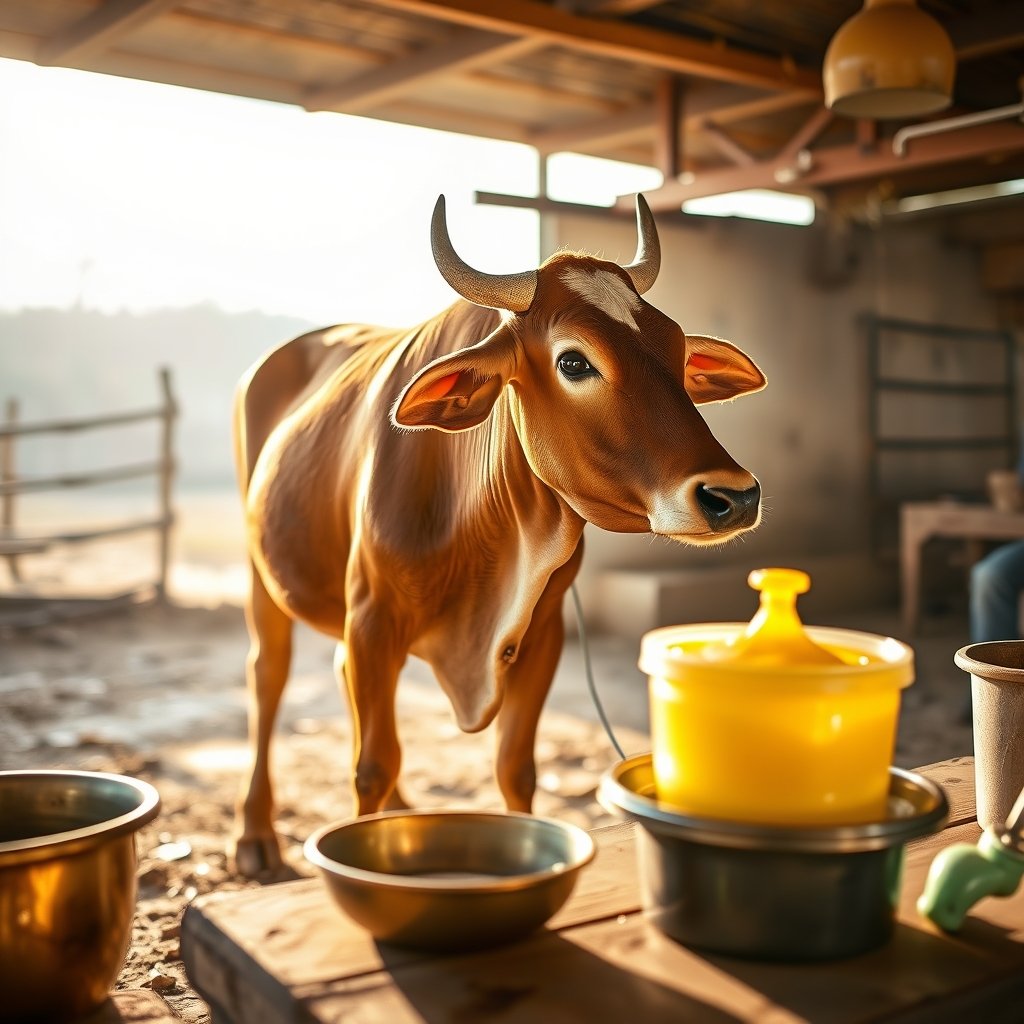
Gir cows differ from crossbred dairy cattle through their distinct humped anatomy, climate resilience, gentle temperament, and natural yield of milk containing exclusively A2 beta-casein protein.
What Physical Characteristics Set Gir Cows Apart?
The Gir cow is one of India's most recognizable zebu (Bos indicus) breeds, originating in the Kathiawar region of Gujarat. Its physical profile is shaped by thousands of years of natural adaptation to hot, semi-arid landscapes. A prominent, rounded forehead shields the eyes from direct sunlight, while long, leaf-like ears fold downward to deter insects. The large hump on its back stores fat reserves and supports thermoregulation, while a wide, loose dewlap under the chest dissipates heat efficiently. In contrast, crossbred dairy cattle—typically created by breeding European Bos taurus stock like Holstein-Friesian or Jersey with local cows—lack the hump, have shorter ears, and possess a compact dewlap suited for cooler climates.
How Does Milk Composition Compare Between Gir and Crossbred Cattle?
The chemical makeup of milk varies noticeably between purebred Gir cows and modern crossbred dairy stock. Gir cow milk is naturally rich in fat solids and carries the A2 beta-casein gene profile. Crossbred cattle, due to their Western genetic heritage, frequently produce milk containing A1 beta-casein or a mixture of A1 and A2 proteins.
Our cows are not use and throw
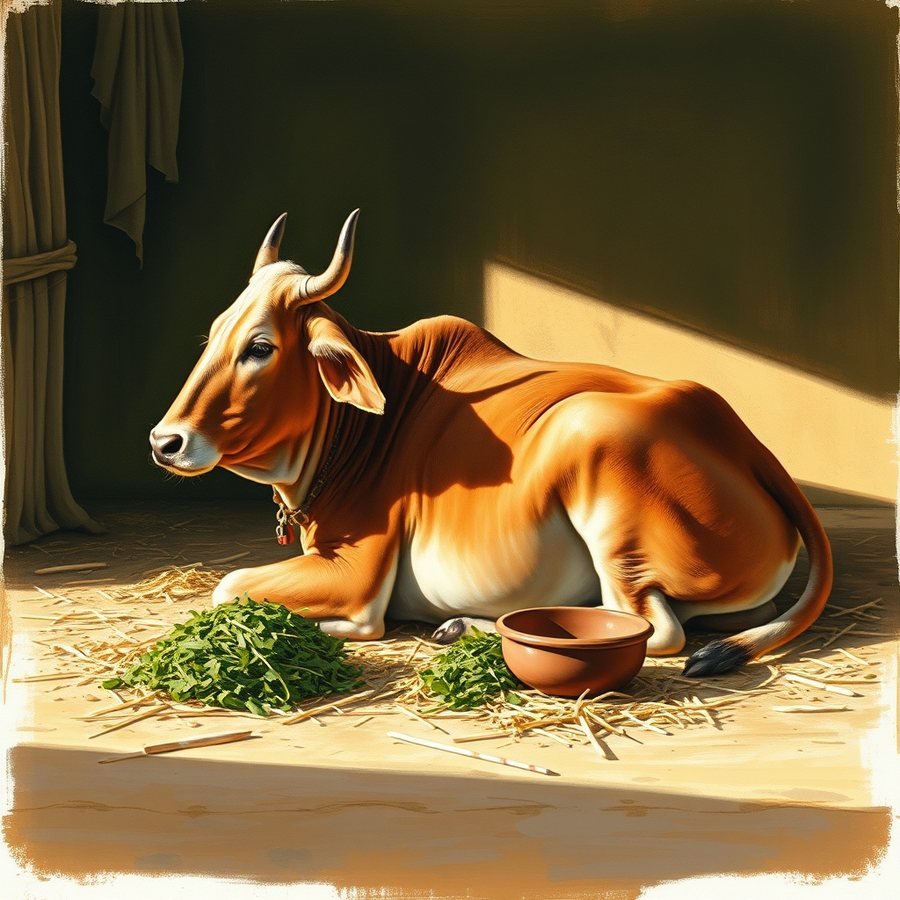
A cow that stops giving milk is still our cow. She stays on the farm, with the same feed, the same shed and the same medical care she had when she was milking. We do not sell her on and we do not let her go. That is the whole basis of the ghee we make — you cannot ask an animal for her milk and then abandon her for it.
Our mission goes further than our own herd. There are cows on the street who are injured every day, who eat plastic, who cry through the night with nobody coming. We want to take them in. The plan is a chain of Organic Farmz gaushalas in several places, so that help is not one shed in one city but something a hurt animal can actually reach.
This takes more than we can carry alone — land, fodder, vets, hands. Come and join our initiative. Anything you give goes to feed, treat and shelter these cows.

Scan with any UPI app
Bank transfer
- Account name Organic Farmz
- Bank Indian Bank
- Account number 8133177322
- IFSC code IDIB000K555
- UPI ID organicfarmz@ptaxis
On a phone, the button above opens your UPI app directly — a QR on the screen you are reading cannot be scanned by that same screen. On a laptop, scan the code with your phone instead.
How Do Gir Cows and Crossbred Cattle Compare Side by Side?
Comparing these two categories highlights the trade-offs between sheer volume and traditional composition in dairy farming.
| Feature | Purebred Gir Cow | Crossbred Dairy Cattle |
|---|---|---|
| Species Classification | Bos indicus (Zebu) | Bos taurus cross / hybrid |
| Anatomical Hump | Present and prominent | Absent or barely visible |
| Beta-Casein Type | A2 Protein exclusively | A1 or A1/A2 mixed |
| Average Daily Yield | Moderate (6–12 liters per day) | High (15–35 liters per day) |
| Feed & Grazing Preference | Prefers natural pasture and dry fodder | Requires high-protein commercial feed blends |
Why Is Gir Cow Milk Favored for Bilona Ghee?
While crossbred cows yield significantly higher volumes of fluid milk per day, dairy farmers and artisanal makers of traditional ghee prefer Gir cow milk for several functional reasons:
1. Fat Quality for Fermentation: Milk from Gir cows contains naturally emulsified milk fats that respond exceptionally well to lactic fermentation when turned into whole milk curd.
2. Butter Yield During Churning: When the curd made from Gir milk is churned bi-directionally with a wooden bilona, the fat globules coalesce smoothly into fresh makkhan, yielding a creamy butter structure.
3. Aroma and Granulation: The slow simmering of butter derived from Gir cow curd results in distinct golden grains (danedaar texture) and a deep, nutty aroma that characterizes traditional Indian home cooking.
Understanding these fundamental differences helps consumers appreciate why authentic A2 Gir cow ghee remains a carefully crafted food, reliant on native heritage cattle rather than high-yield industrial herds.
Taste the difference
Small-batch A2 Gir cow ghee, hand-churned to order and delivered across India. Read how we make it if you want the detail first.
Order a jarKeep reading
-
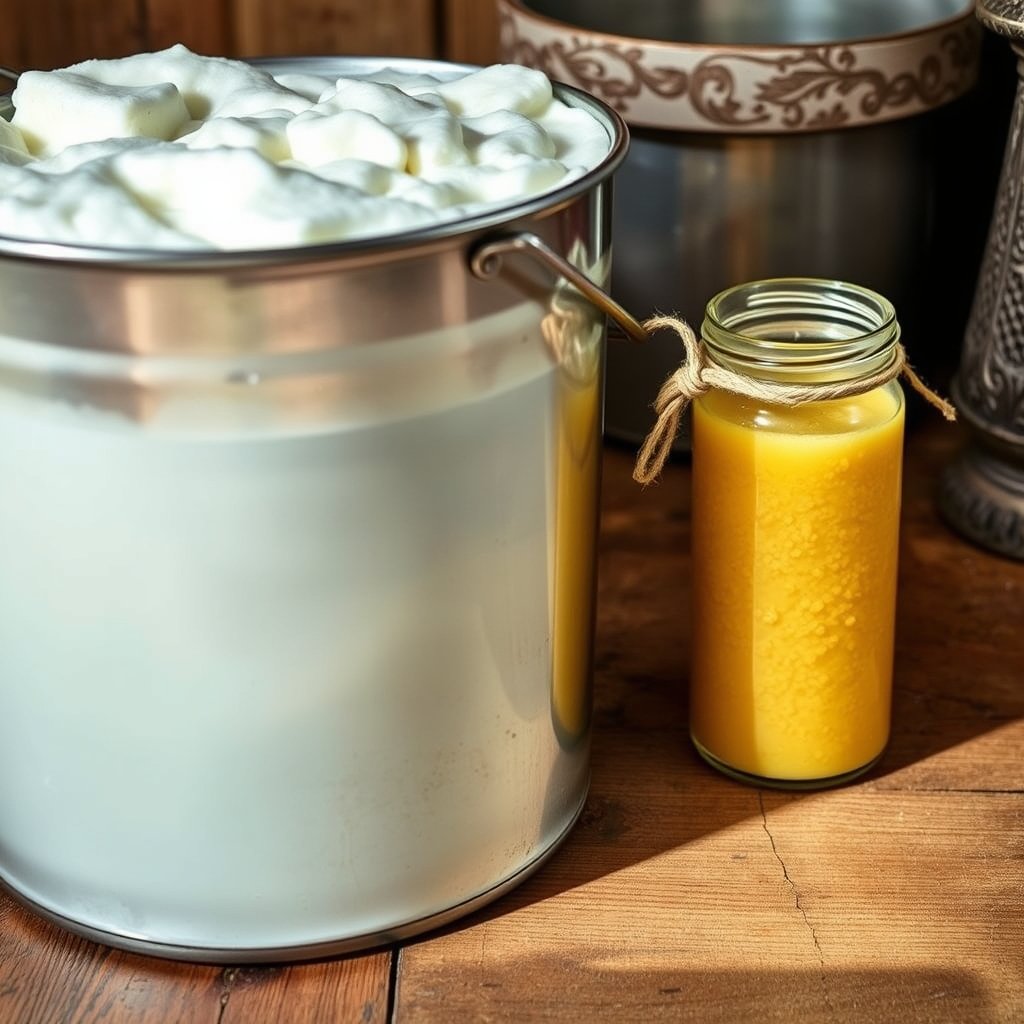 What 25 Litres of Milk Looks Like Next to One Litre of Ghee
Ever wondered about the real milk to ghee ratio? Discover why it takes 25 litres of fresh A2 Gir cow milk to…
What 25 Litres of Milk Looks Like Next to One Litre of Ghee
Ever wondered about the real milk to ghee ratio? Discover why it takes 25 litres of fresh A2 Gir cow milk to…
-
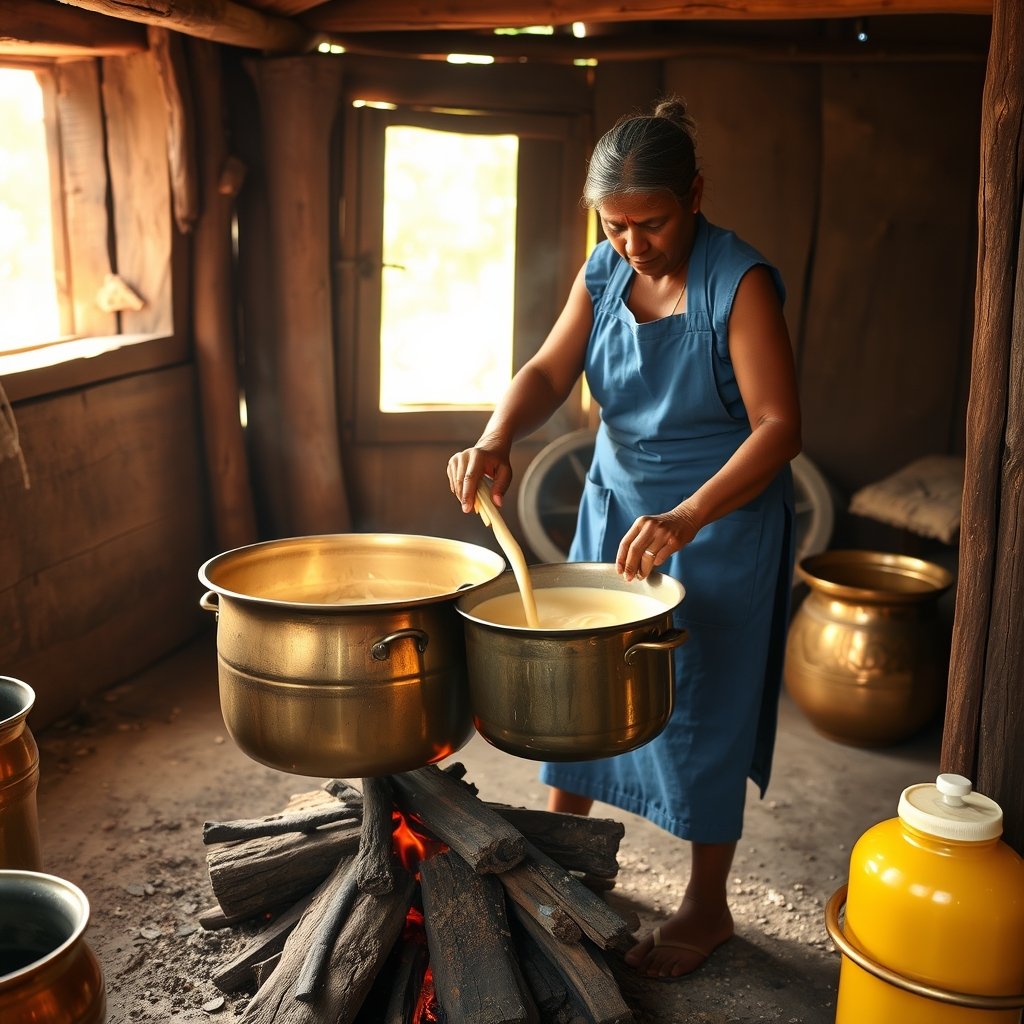 A Day at a Small Ghee Dairy
Ever wondered how a traditional bilona dairy operates? Step inside a day of small-batch ghee making, from…
A Day at a Small Ghee Dairy
Ever wondered how a traditional bilona dairy operates? Step inside a day of small-batch ghee making, from…
-
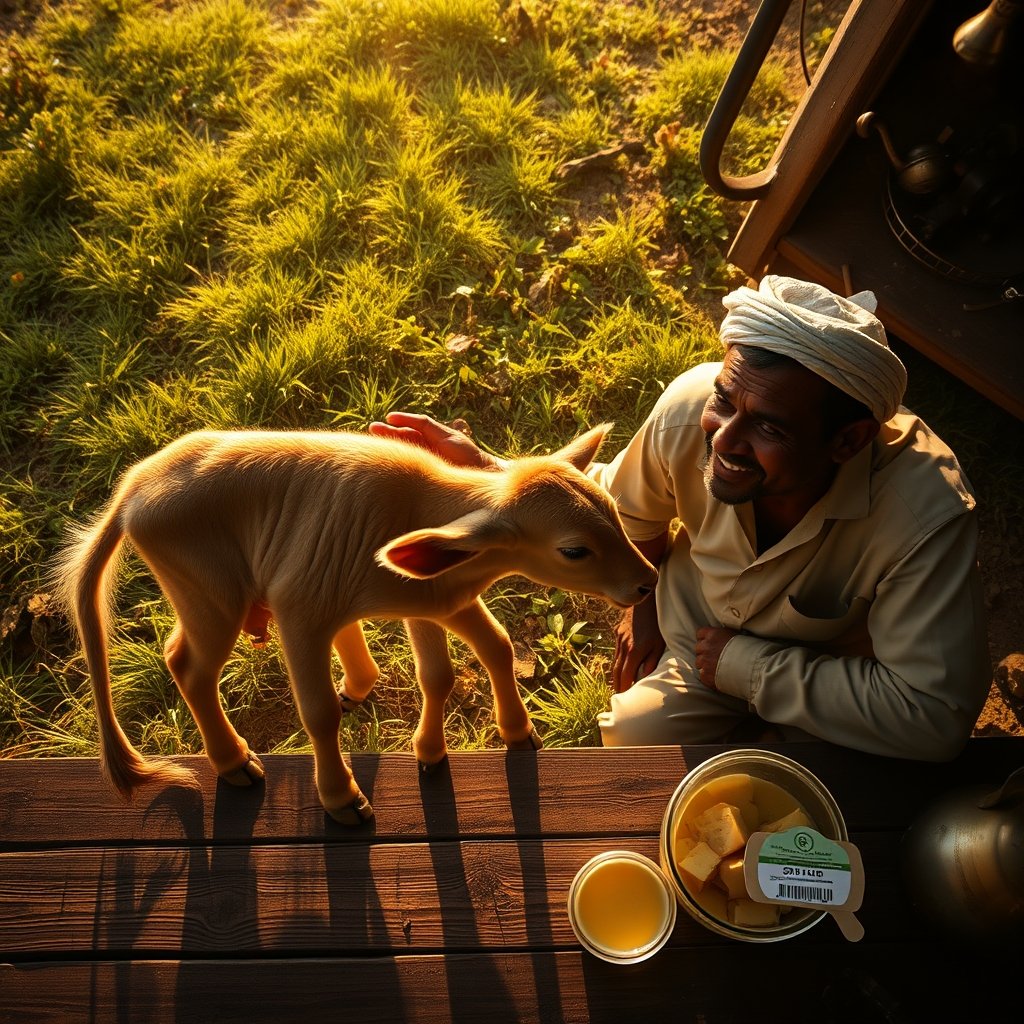 Why We Let Calves Drink First
Discover why allowing the calf to feed first is the cornerstone of ethical A2 dairy. Learn how this…
Why We Let Calves Drink First
Discover why allowing the calf to feed first is the cornerstone of ethical A2 dairy. Learn how this…
