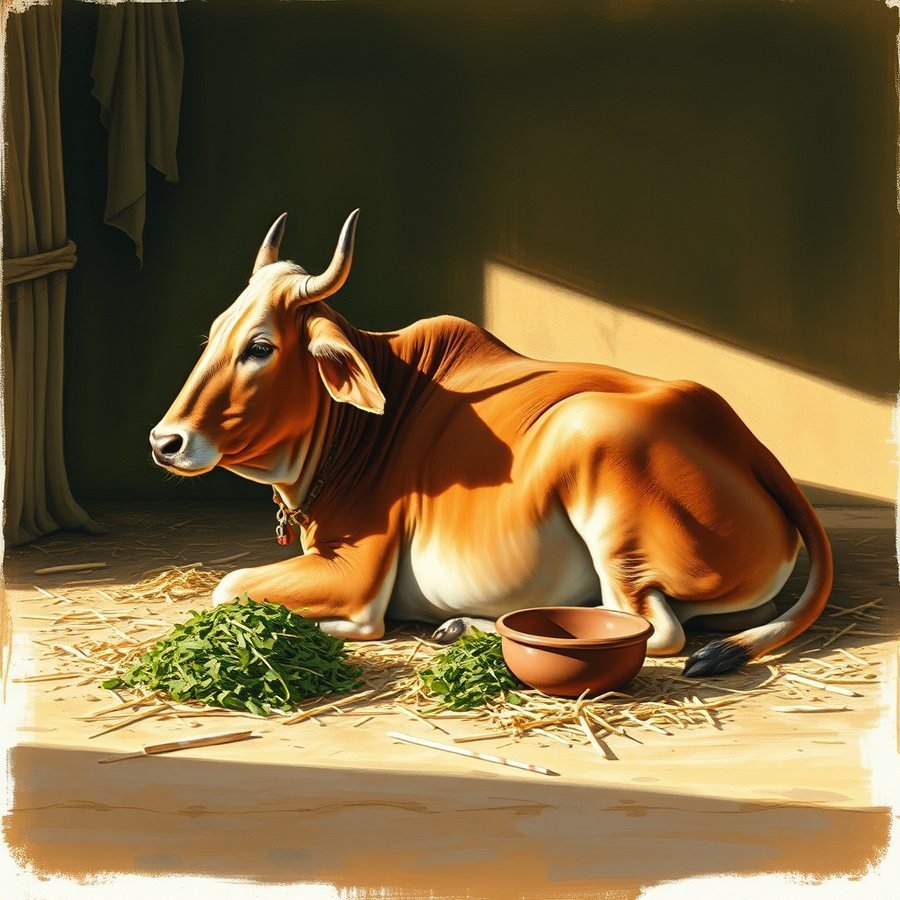
Volunteer at a Gaushala: Physical Work and Routine

Volunteering at a gaushala is physically demanding work centered on early morning routines, cleaning sheds, feeding cattle, and helping care for old or injured cows. While many people imagine quiet moments spent brushing peaceful animals, the daily reality is primarily manual labour. It requires rolling up your sleeves to handle wet dung, carrying heavy bundles of green fodder, scrubbing water troughs, and keeping the living quarters dry and clean.
What does a typical day of gaushala volunteering involve?
A typical day begins early in the morning, aligning with the feeding and care cycles of the herd. Volunteers start by sweeping out the straw, manure, and uneaten fodder left in the stalls overnight. Once the sleeping areas are clear, fresh dry bedding is laid down to keep the cattle comfortable and prevent skin infections. Next comes the preparation and distribution of feed, which involves mixing dry straw, green fodder, and balanced nutrition mixtures in large feeding troughs. Water channels and buckets must be thoroughly scrubbed and refilled with clean water. Throughout the day, routine sanitation continues alongside minor barn maintenance, ensuring the animals remain comfortable, dry, and protected from insects.
What tasks are volunteers permitted to perform?
Volunteers are generally assigned general farm maintenance, cleaning, fodder preparation, and basic grooming tasks while professional staff handle veterinary care and herd management. Because cows are large animals with unpredictable movements when startled, safety rules regulate what visitors can do. First-time volunteers handle tasks like carrying fodder, washing troughs, grooming calm cows with soft brushes, and clearing manure. Tasks involving medical treatment, wound dressing, managing sick animals, handling newborn calves, and assisting during calving are reserved entirely for experienced handlers and trained veterinary staff.
How does a one-time visit compare to recurring monthly volunteering?
A single visit provides helpful hands for a day, but recurring monthly volunteering builds operational familiarity and reliable support for the farm staff. When volunteers return regularly, farm managers do not need to repeat safety briefings and basic instructions every session. Returning volunteers understand animal behaviour better, recognize individual cows, and can independently manage routine chores without constant supervision.
| Aspect | One-Time Visit | Monthly Recurring Volunteering |
|---|---|---|
| Training Needed | Full safety briefing required each visit | Minimal instruction after initial orientation |
| Tasks Assigned | Basic cleaning and fodder sorting | Grooming, handling, and independent tasks |
| Staff Impact | Requires dedicated staff supervision | Relieves staff workload on routine maintenance |
| Animal Familiarity | Cows remain cautious around new visitors | Cows become accustomed to familiar handlers |
Why does long-term shelter care require ongoing support?
Cattle require consistent daily food, clean water, shelter maintenance, and veterinary care regardless of whether they produce milk. When a cow ages or stops producing milk, her daily care needs remain unchanged, requiring steady resources every single day. Gaushalas that take in stray, abandoned, or injured cows face continuous operational costs for medical care, surgical removal of ingested plastic, and specialized feed for aged animals. Without reliable, regular help and ongoing financial backing, shelters struggle to maintain high standards of sanitation and nutrition.
How does Organic Farmz support cattle welfare?
Our farm ensures that every cow remains in our care for her entire natural life, even after she stops producing milk. A cow that stops giving milk stays on the farm with the exact same feed, the same comfortable shed, and the same medical attention she received while milking, and she is never sold on. Beyond our existing herd, our intention is to build a chain of gaushalas across multiple locations to rescue street cows that have been injured in traffic or harmed by eating plastic waste with no one to care for them. Direct support for feed, treatment, and shelter infrastructure can be contributed via UPI or bank transfer through our Gau Seva work page.
Taste the difference
Small-batch A2 Gir cow ghee, hand-churned to order and delivered across India. Read how we make it if you want the detail first.
Order a jarKeep reading
-
 Giving to a Gaushala: Avoid Being Taken for a Ride
Donate to a gaushala safely by visiting the premises unannounced, confirming regular vet care, and checking…
-
 Sponsor a Cow in India: How Cow Sponsorship Works
You can sponsor a cow in India by funding daily feed, shelter, and medical care through verified gaushalas…
-
 What Is a Gaushala? A Shelter for Homeless Cattle
A gaushala is a sanctuary that provides food, shelter, and medical care to old, stray, or abandoned cows…