
The Technique of Moyan: How Bilona Ghee Creates Flaky Layers in Indian Doughs

What Is Moyan?
If you have ever wondered why a festive mathri breaks into delicate, crumbly layers while a poorly made one turns out hard or chewy, the answer often lies in a single preparation step known across northern and central India as moyan (sometimes spelled moin). Moyan refers to the technique of rubbing fat directly into dry flour before any liquid is added to form a dough. It is a foundational method in traditional Indian halwai craft and daily home cooking alike, used whenever a crisp, layered, or melt-in-the-mouth texture is needed for samosa crusts, kachoris, nimki, baati, or sweet shakarpara.
While modern commercial recipes frequently shortcut this process with vegetable oil or industrial shorteners, traditional cooks remain steadfast about using genuine bilona ghee. The choice of fat and the way it is worked into the dry grains determine not just the taste, but the fundamental structure of the finished dough.
How Ghee Interacts With Flour Proteins
To understand why moyan works so well, it helps to look at what happens when flour meets liquid in the mixing bowl. Wheat flour contains proteins—primarily glutenin and gliadin—that bond together when hydrated and worked, creating stretchy gluten networks. Elasticity is ideal when you are making soft rotis or chewy flatbreads, but it is the enemy of flaky, crisp pastries.
When you rub bilona ghee thoroughly into dry flour, the lipid molecules form a thin protective coating over individual starch particles and protein strands. This barrier limits how much water can bind directly with the flour proteins when you finally knead the dough. During cooking, as heat rises in the oven or pan, the fat pockets melt and release steam, pushing the flour layers apart and creating tiny air pockets. The result is the prized khasta texture: crisp and structural on the outside, yet delicate when bitten into.
Why Bilona Ghee Outperforms Other Fats
Not all fats behave the same way during the moyan process. Refined vegetable oils remain liquid at room temperature and tend to soak quickly into flour, making the dough overly heavy or unpleasantly greasy. Modern hydrogenated fats offer firmness but lack natural flavor and leave a waxy coating on the palate.
Traditional bilona ghee, made by slow-churning cultured curd from Gir cow milk, sits in an ideal semi-solid state at ambient room temperature. Its natural fat structure distributes smoothly between raw flour granules without making the mixture sticky. Furthermore, the light lactic undertones and subtle aroma of cultured ghee infuse the raw dough directly, ensuring that every layer of the fried or baked pastry carries a warm, buttery fragrance from within rather than just on the outer skin.
The Hand Test: Getting Your Ratios Right
Experienced home cooks rarely rely on rigid measuring cups when adding moyan to dry flour. Instead, they rely on a simple visual and tactile test known in kitchen lore as muthhi me bandhna, or holding the flour in a closed fist.
To practice this in your own kitchen, begin by adding melted, room-temperature bilona ghee to your bowl of flour—typically about two tablespoons of ghee for every cup of flour, depending on how delicate you want the dough to be. Use both hands to lift the flour and rub it between your palms for three to five minutes until the mixture resembles coarse sand.
To test if you have added enough fat, take a handful of the flour and press it firmly inside your closed palm. If the flour holds together as a cohesive lump without crumbling on its own, but breaks apart cleanly when gently pressed with your thumb, your fat-to-flour balance is correct. If it falls apart immediately upon opening your hand, it requires a small spoonful more of ghee; if it feels wet or greasy, extra flour should be gently folded in.
Ayurvedic Context on Digestibility and Dry Grains
In classical Ayurvedic kitchen wisdom, whole grains and refined flours are classified as dry and heavy in nature. When flour is shaped into dough and baked or deep-fried without sufficient fat internally, it can prove heavy on the digestive fire and absorb excess surface oil during frying.
Incorporating cultured bilona ghee into the dry grain before kneading softens this inherent dryness. Because cultured ghee is processed through fermentation before churn, it integrates easily into foods without creating a feeling of sluggishness. The fat is evenly bound inside the dough matrix, allowing the food to cook uniformly and crisp up cleanly without retaining excess oil.
Bringing Tradition Back to Everyday Doughs
Taking those extra five minutes to rub bilona ghee into dry flour before adding water transforms ordinary pantry ingredients into classic, authentic savories. Whether you are baking savory spiced biscuits, making crisp puris for a family gathering, or folding kachori dough on a festival morning, mastering the technique of moyan connects your kitchen directly to centuries of proven Indian culinary technique.
Taste the difference
Small-batch A2 Gir cow ghee, hand-churned to order and delivered across India. Read how we make it if you want the detail first.
Order a jarKeep reading
-
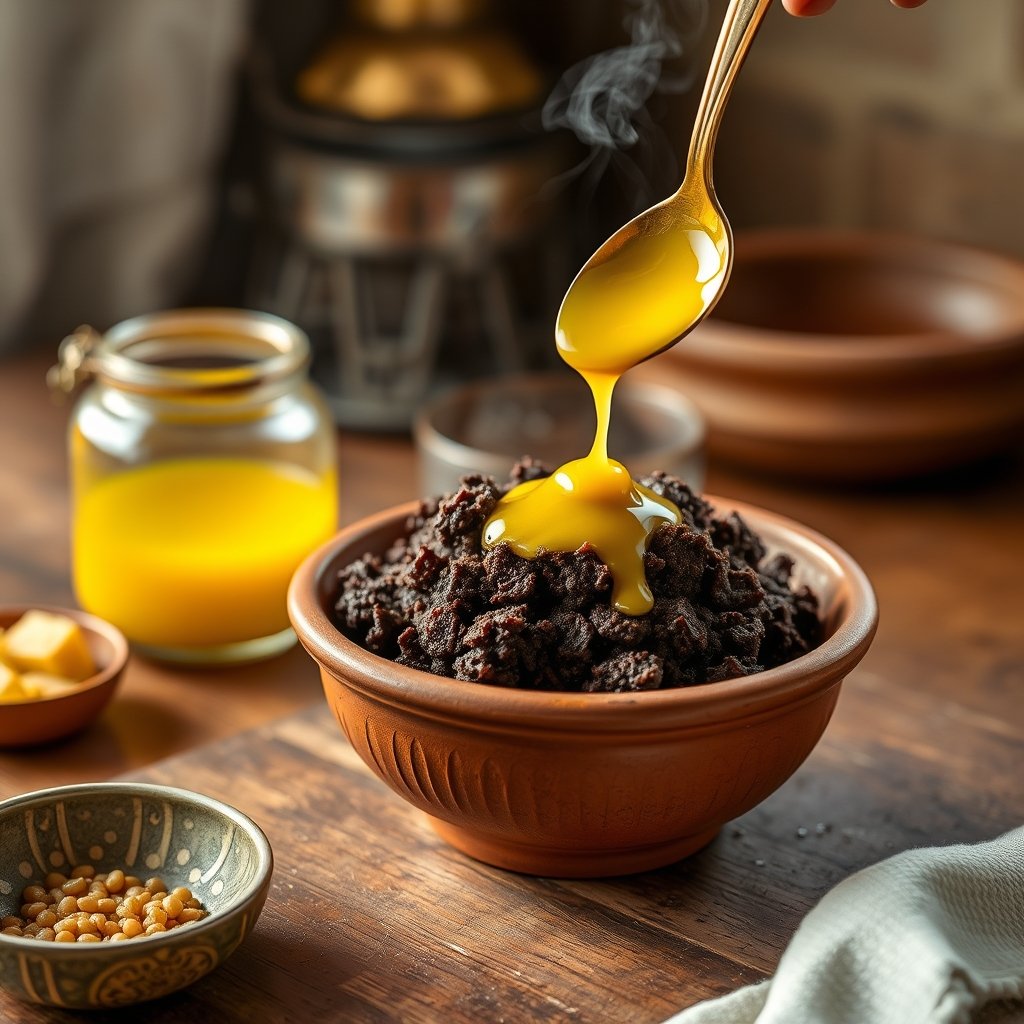 Millets and Bilona Ghee: Why Ancient Grains Need Traditional Fats
Explore why traditional Bilona ghee is the essential companion to ancient Indian millets like Bajra, Jowar…
Millets and Bilona Ghee: Why Ancient Grains Need Traditional Fats
Explore why traditional Bilona ghee is the essential companion to ancient Indian millets like Bajra, Jowar…
-
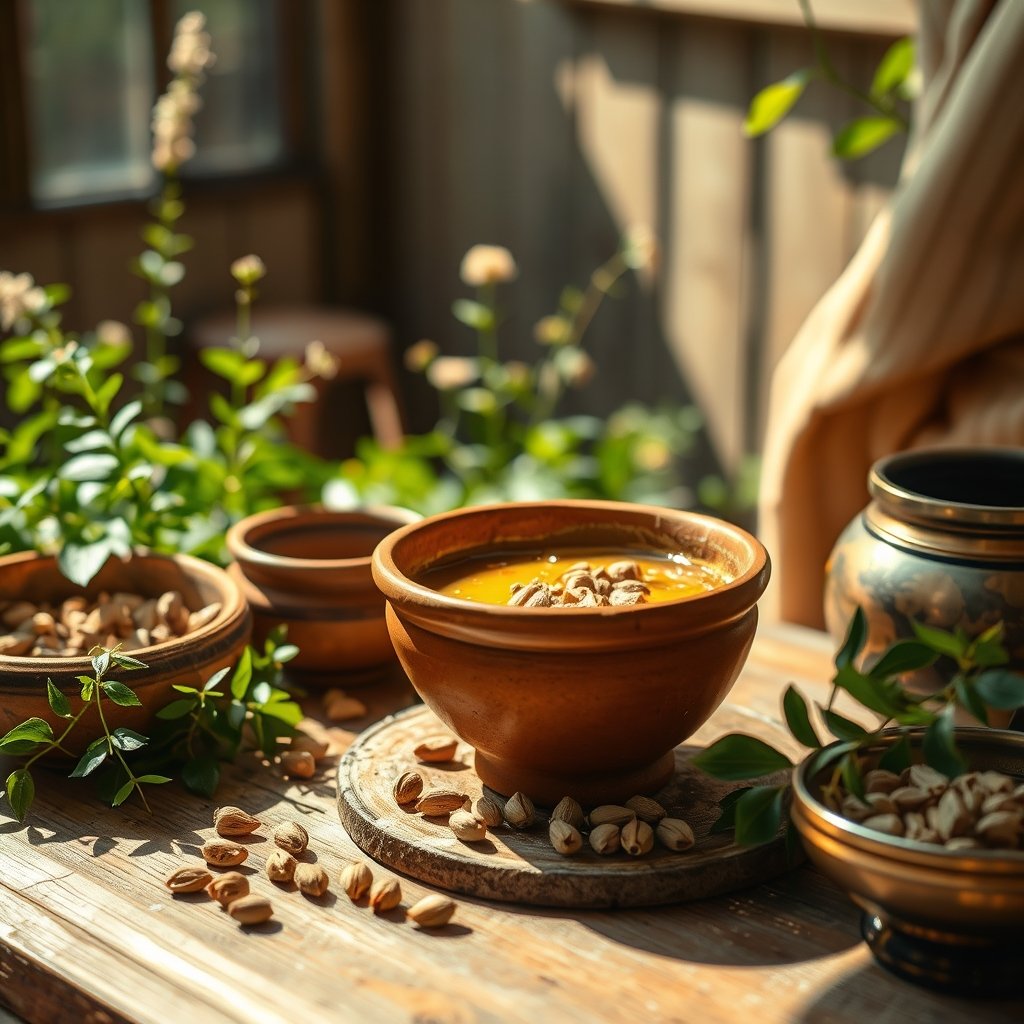 Nourishing Agni Without Excess Heat: Classical Ayurvedic Insights on Cultured Ghruta
Classical Ayurveda holds a unique view on cultured cow ghee: while most cooking fats dampen digestive fire…
Nourishing Agni Without Excess Heat: Classical Ayurvedic Insights on Cultured Ghruta
Classical Ayurveda holds a unique view on cultured cow ghee: while most cooking fats dampen digestive fire…
-
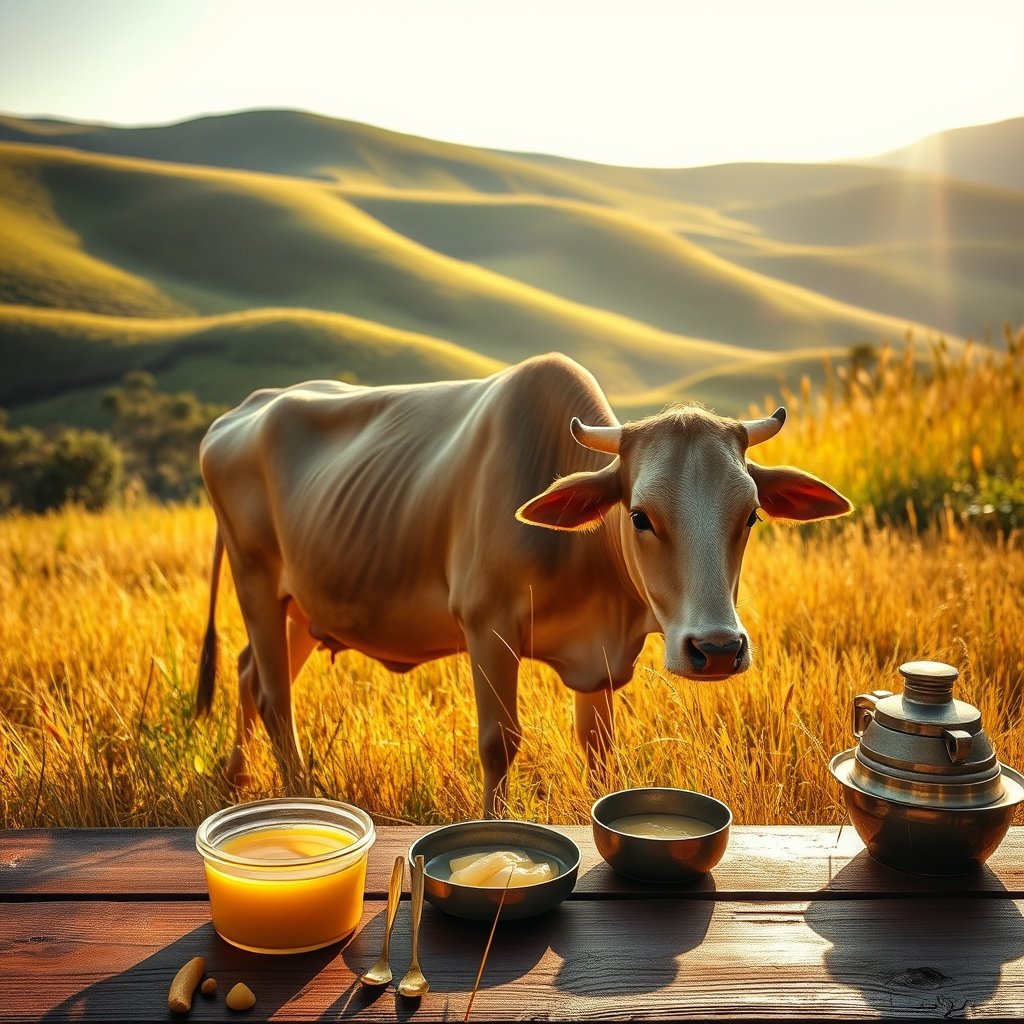 How Seasons Change the Milk, and the Ghee
Milk quality, fat profile, and the resulting ghee shift throughout the year as an indigenous cow's forage…
How Seasons Change the Milk, and the Ghee
Milk quality, fat profile, and the resulting ghee shift throughout the year as an indigenous cow's forage…