
Practising Dinacharya: Starting the Morning with Warm Water and Ghee

What Dinacharya Teaches About the Early Hours
In traditional Indian philosophy, how one meets the dawn sets the tone for everything that follows. The classical Ayurvedic framework calls this daily rhythm Dinacharya—a series of mindful, unhurried actions designed to align our internal clock with the movements of the sun. Long before breakfast is prepared or spices begin to temper in the kadhai, Dinacharya focuses on waking the senses, clearing accumulated sluggishness, and easing the digestive tract into wakefulness.
Among the quietest practices in this routine is drinking a cup of warm water infused with a small spoonful of pure ghee. For generations, grandmothers across Gujarat, Rajasthan, and Maharashtra kept a small brass or ceramic pot of cultured cow ghee right next to the stove, ready for the first morning boil. While modern wellness trends often label this practice under complicated new banners, in an Indian home it has always been a gentle, understated gesture of internal lubrication and balance.
Why Ghee with Warm Water, Not Cold
Classical Ayurvedic texts like the Charaka Samhita describe sneha—a word that translates both to unctuousness or oiliness, and to warmth or love. The body is thought to accumulate dryness overnight as respiration and cellular repair continue in the dark. Drinking chilled or iced water first thing in the morning shocks the digestive fire, known as agni, dampening its gentle flicker. In contrast, warm water acts as a carrier, soothing the stomach lining and encouraging normal downward motility.
When a teaspoon of cultured cow ghee is stirred into hot water, the fat softens into fine golden droplets across the surface. This emulsification ensures that the fat enters the digestive tract gently rather than as a heavy mass. Ayurveda views this combination as a subtle cleanser and lubricator that helps soften mucosal tissues, prepares the stomach for nutrient assimilation later in the day, and calms excess Vata—the biological principle associated with dry, rough, and mobile qualities that often peak during early morning.
Cultured Bilona Ghee Versus Industrial Fat in the Morning
If you choose to drink ghee on an empty stomach, the origin and preparation of that fat matter immensely. Most commercial ghee found on grocery shelves is produced by spinning raw industrial cream through high-speed mechanical separators. This factory fat has never undergone fermentation; it retains the heavy, sweet, difficult-to-digest nature of raw milk cream, and when consumed in water, it can feel greasy and leave a thick residue on the tongue.
At Organic Farmz, our ghee is crafted strictly according to the bilona method using whole milk from indigenous Gir cows. We first turn the milk into curd through slow overnight fermentation, allowing native lactic cultures to pre-digest the milk sugars and proteins. We then churn this cultured curd with a two-way wooden bilona to separate the makkhan, which is finally clarified over a slow wood fire. This traditional fermentation changes the character of the ghee entirely. Cultured bilona ghee is light, aromatic, and easy on the belly. It blends harmoniously into warm water without cloying heaviness, releasing a gentle, nutty fragrance that feels soothing rather than overwhelming.
How to Integrate the Practice into a Modern Household
Adopting this morning rhythm does not require a complete lifestyle overhaul or rigid discipline. The ritual is humble and takes only three minutes once the kettle is warm. Here is how it is traditionally done in home kitchens:
First, heat a cup of plain drinking water until it is warm to the touch—comfortable enough to sip slowly, like a light tea, rather than scalding hot. Pour it into a ceramic, clay, or glass cup. Avoid boiling water, as extreme heat is believed in Ayurveda to degrade the subtle properties of pure ghruta.
Next, add half a teaspoon to one full level teaspoon of Organic Farmz A2 Gir cow bilona ghee. Stir briskly until the fat melts and disperses across the water. Sit down quietly to sip it rather than drinking it while rushing around to pack school lunchboxes or check work messages. Inhale the warm, toasted aroma of the cultured fat. Allow your body twenty to thirty minutes of quiet digestion before sitting down for tea, coffee, or your morning breakfast.
Listening to the Body: Quantity, Timing, and Patience
A central tenet of both Dinacharya and everyday kitchen wisdom is moderation. More is not better. A single small spoon of well-made bilona ghee is sufficient to moisten the internal tract and signal to the stomach that gentle nourishment has arrived. If you are entirely new to having fat in the morning, start with just a quarter teaspoon to observe how your digestion responds. Those with sluggish appetites on heavy, cloudy monsoon mornings might even add a tiny pinch of freshly ground dry ginger or black pepper to assist the movement.
This practice is not an overnight cure-all or an aggressive cleanse. Instead, it is an enduring Indian home habit—a patient, respectful way to greet the morning by giving the body warmth, real food, and the grounding comfort of authentic bilona ghee.
Taste the difference
Small-batch A2 Gir cow ghee, hand-churned to order and delivered across India. Read how we make it if you want the detail first.
Order a jarKeep reading
-
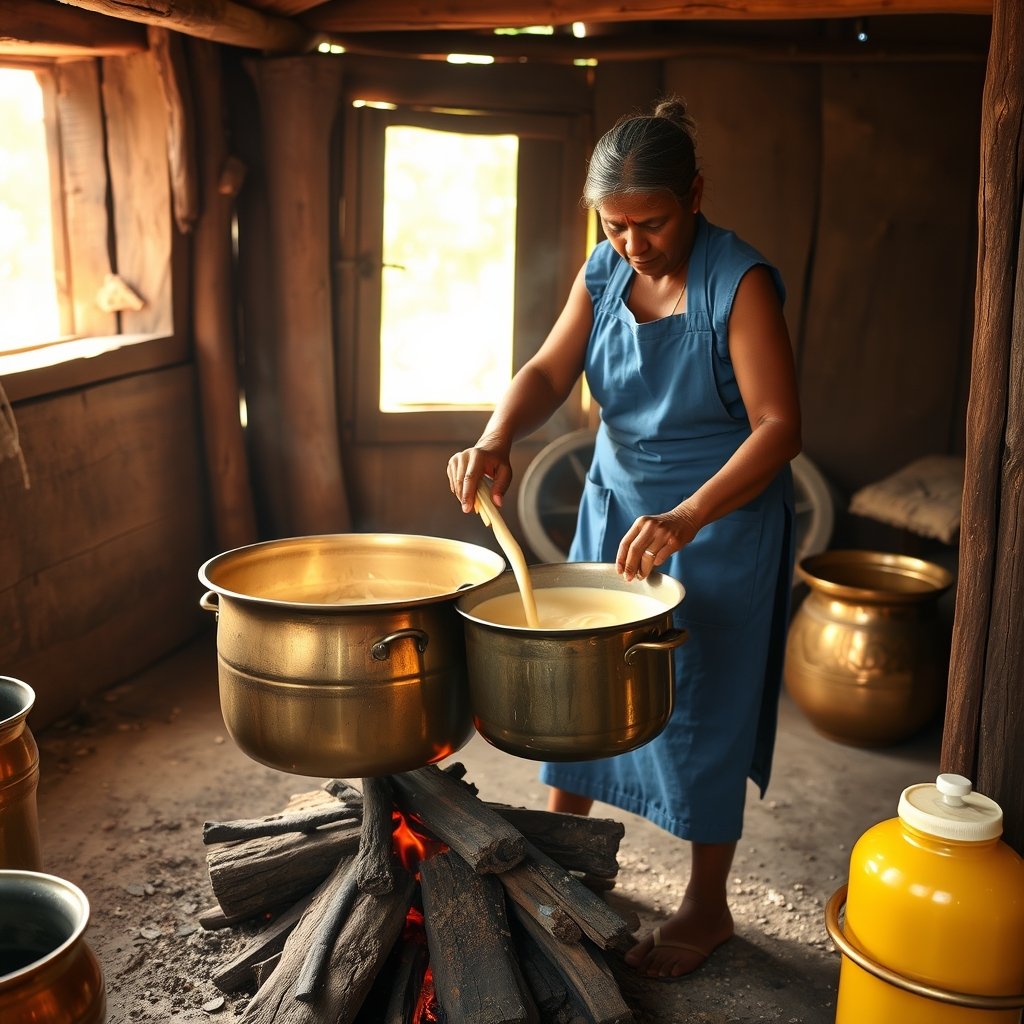 A Day at a Small Ghee Dairy
Ever wondered how a traditional bilona dairy operates? Step inside a day of small-batch ghee making, from…
A Day at a Small Ghee Dairy
Ever wondered how a traditional bilona dairy operates? Step inside a day of small-batch ghee making, from…
-
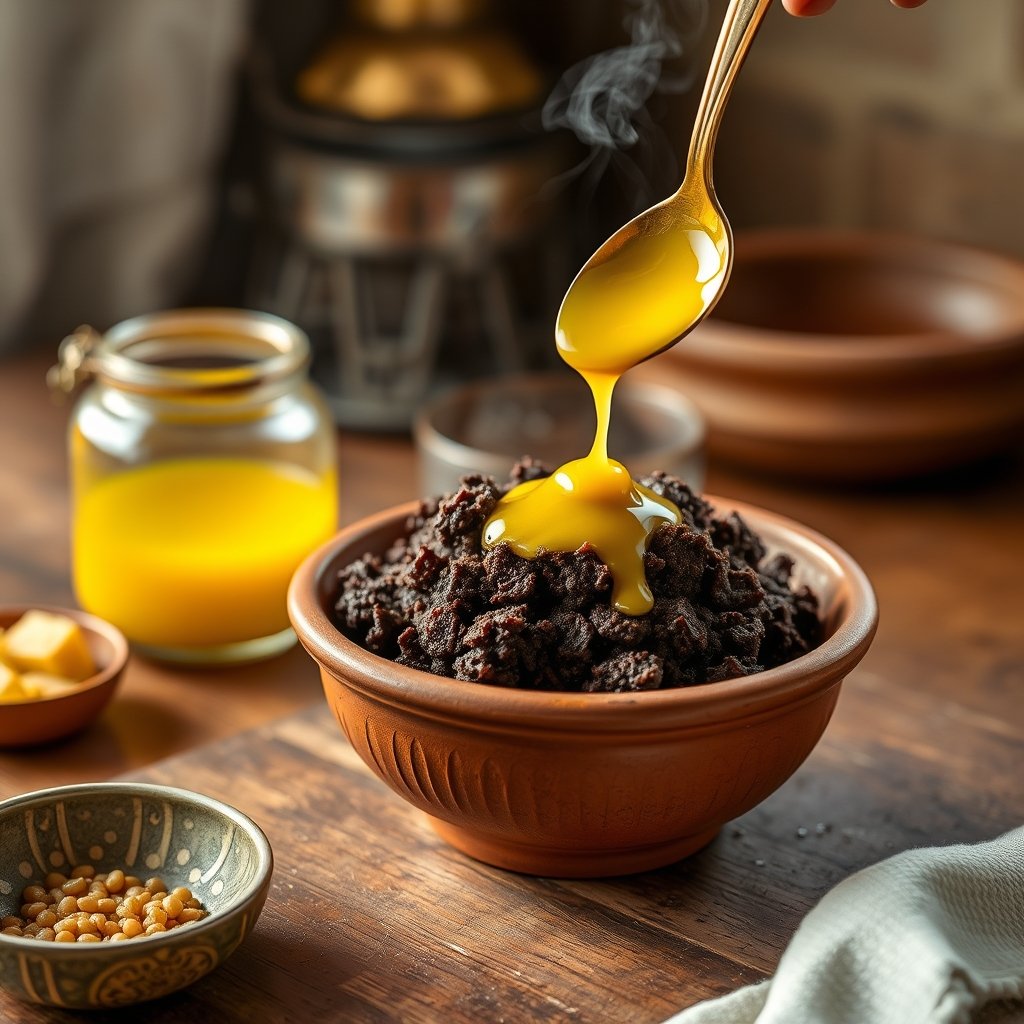 Millets and Bilona Ghee: Why Ancient Grains Need Traditional Fats
Explore why traditional Bilona ghee is the essential companion to ancient Indian millets like Bajra, Jowar…
Millets and Bilona Ghee: Why Ancient Grains Need Traditional Fats
Explore why traditional Bilona ghee is the essential companion to ancient Indian millets like Bajra, Jowar…
-
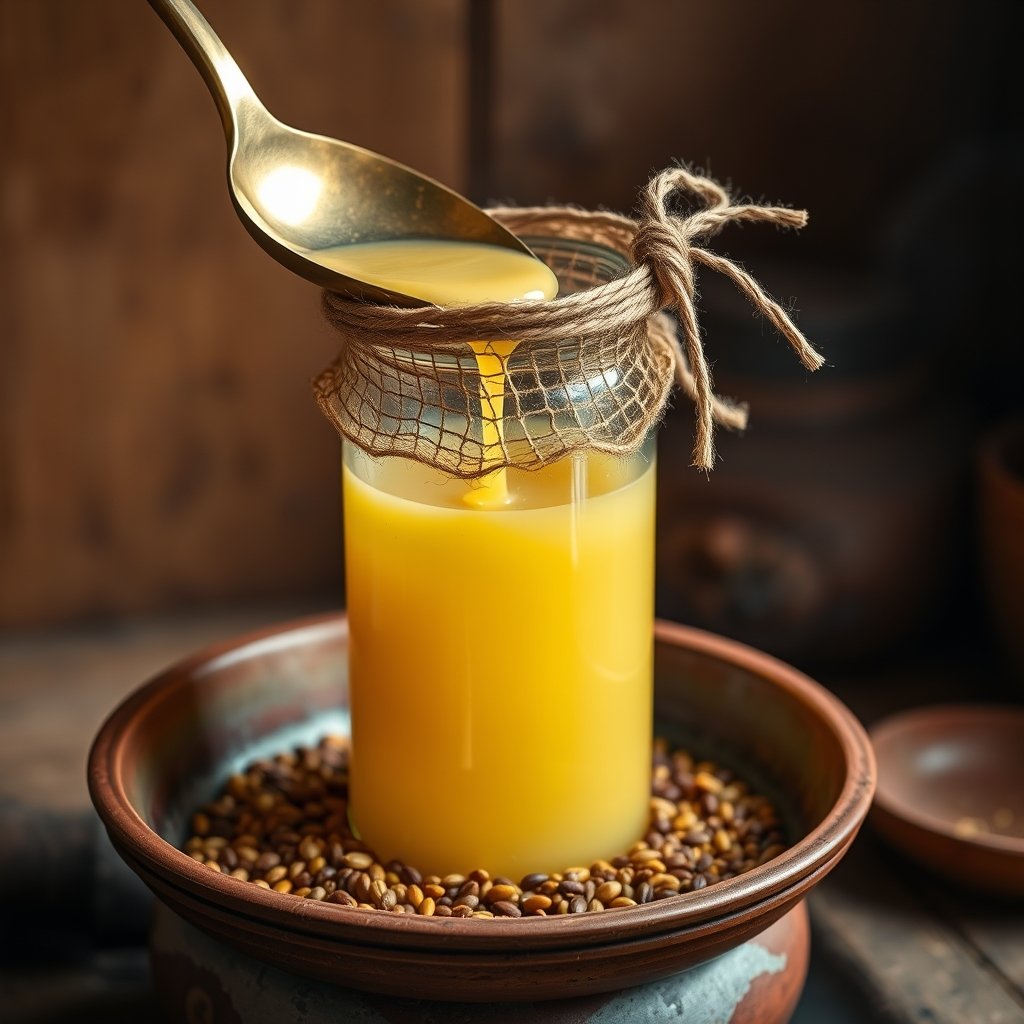 Understanding Sanskara: How Bilona Ghee Carries the Power of Your Kitchen Spices
In classical Indian cooking, ghee is more than just a fat for frying. Discover the traditional concept of…
Understanding Sanskara: How Bilona Ghee Carries the Power of Your Kitchen Spices
In classical Indian cooking, ghee is more than just a fat for frying. Discover the traditional concept of…