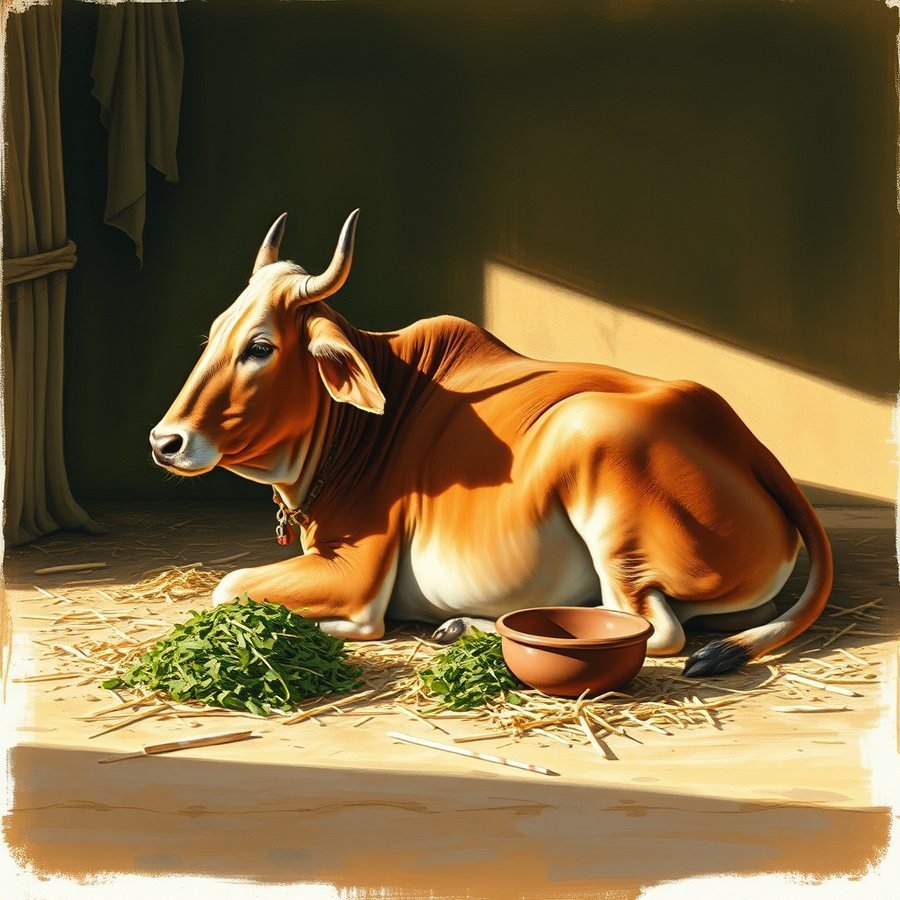
Cattle Fodder in Summer India: Managing May Heat

Cattle fodder in summer in India relies on supplementing dwindling green fields with high-quality dry fodder, grain mashes, continuous clean water, and well-shaded feeding areas to maintain herd nutrition during peak May heat. As rising temperatures dry out open pastures across the country, dairy farms and cow shelters must adapt daily management to ensure every animal receives adequate hydration and digestible feed without suffering thermal stress.
Why does green fodder become scarce in May?
In most regions of India, May marks the hottest period of the pre-monsoon summer, causing soil moisture levels to drop rapidly across agricultural lands. Natural grazing fields lose their green cover, and farm crops like berseem or hybrid napier grass yield lower quantities unless supported by extensive field irrigation. As local water tables fall and surface canals run low, fresh green forage becomes increasingly limited in rural markets. Farms adapt by drawing on stored dry roughage such as wheat straw (bhusa), sorghum stalks (karbi), or paddy straw. While dry roughage supplies necessary bulk fiber, it lacks the moisture and natural nutrients of fresh grass, requiring caretakers to balance daily rations with protein mixes and hydration support.
How do feeding hours shift during peak summer heat?
Cattle naturally reduce their feed intake during the hottest hours of the day because digesting complex plant fiber generates internal metabolic heat. To protect cows from digestive discomfort and heat stress, farm managers shift main feeding routines to early morning and late evening. The first large feed of green crops and grain mash is served before sunrise, allowing animals to feed comfortably during cool morning hours. A second primary feeding takes place after sunset when air temperatures fall and shelter roofs cool down. Throughout the afternoon, cattle rest under shade with minimal movement, while fresh, cool water remains available continuously.
What is the difference between green fodder and dry roughage in summer?
Managing summer cattle diets involves balancing fresh green crops with cured dry stalks to preserve rumen health and maintain hydration. The comparison table below highlights how these two fodder categories function during the summer months:
| Parameter | Green Fodder (e.g., Napier, Jowar) | Dry Roughage (e.g., Wheat Straw, Karbi) |
|---|---|---|
| Moisture Content | High natural moisture content that aids hydration | Low moisture content requiring abundant drinking water nearby |
| Summer Supply | Limited availability depending on farm irrigation access | Widely available from harvested crops and dry storage stacks |
| Digestive Function | Provides easy digestibility, protein, and natural vitamins | Provides essential coarse fiber for healthy rumen digestion |
How do water and shade protect cattle health in May?
High ambient temperatures increase a cow's daily water intake significantly, making clean hydration and ambient cooling the top priority during May. Water troughs must be cleaned frequently to stop algae growth in warm weather and continuously replenished with cool water from sheltered supply tanks or deep wells. Direct sun on metal roof sheets raises barn temperatures quickly, so caretakers install thatch roofing, bamboo screens, and overhead water misters to lower ambient heat under sheds. Air circulation fans help clear heavy afternoon heat from resting stalls. Maintaining low shed temperatures ensures older animals and retired cows retain body weight and avoid heat exhaustion throughout the dry season.
How does Organic Farmz support cattle care and rescue?
At Organic Farmz, lifetime herd care forms the foundation of our daily work. A cow that stops giving milk stays on our farm with the exact same feed, comfortable shed space, and dedicated veterinary attention she received during her milking years, and she is never sold or passed on. Looking beyond our current herd, our long-term plan is to establish a network of gaushalas across different regions to shelter street cows—those left vulnerable to traffic injuries, plastic consumption, and abandonment in cities. While expanding this shelter network remains an ongoing effort, our daily focus stays fixed on complete herd welfare. Readers who wish to support feed, shelter, and medical care for rescued cows can read more about our Gau Seva work and contribute directly via UPI or bank transfer through our website.
Taste the difference
Small-batch A2 Gir cow ghee, hand-churned to order and delivered across India. Read how we make it if you want the detail first.
Order a jarKeep reading
-
 Storing Ghee in Delhi Heat: Keep Jars Dry in Shade
Ghee turns completely liquid in Delhi heat above 35°C, which is normal. Keep the glass jar in a dark, dry…
-
 Injured Cow Treatment India: Who Rescues Street Cattle
An injured street cow in India is treated by local animal helplines, municipal veterinary officers, or…
-
 What Is a Gaushala? A Shelter for Homeless Cattle
A gaushala is a sanctuary that provides food, shelter, and medical care to old, stray, or abandoned cows…