
Nankhatai with Bilona Ghee: Cream Solid Fat with Sugar
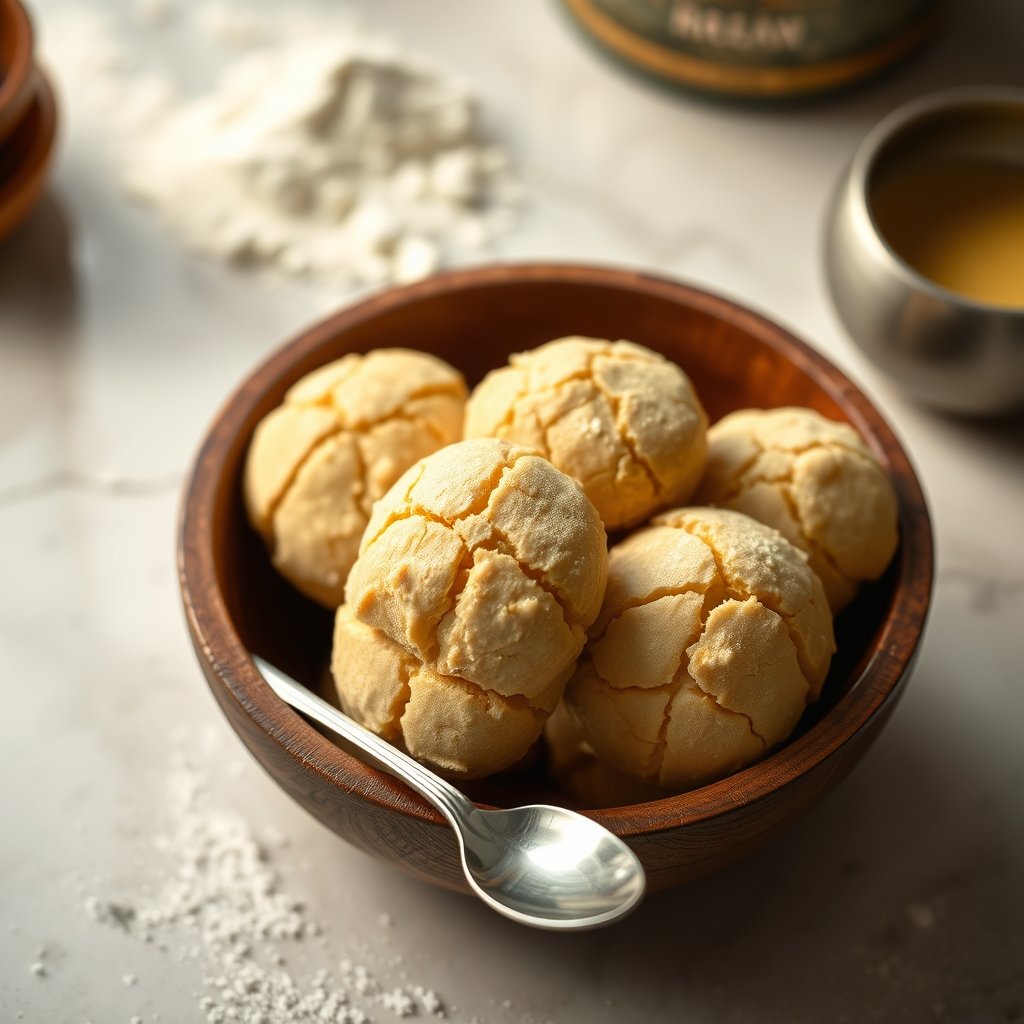
Why is semi-solid ghee necessary for baking nankhatai?
Nankhatai depends entirely on aeration during the initial creaming step, which is only possible when ghee is in a soft, semi-solid state at room temperature. If you melt the ghee into a clear golden liquid before whipping it with sugar, it cannot trap air bubbles. Liquid fat results in a dense, greasy cookie that spreads excessively on the baking tray and loses its distinctive domed shape. Conversely, if the ghee is chilled rock-hard from the refrigerator, it will clump and prevent the sugar crystals from dissolving smoothly. The ideal consistency resembles soft butter—firm enough to hold its shape on a spoon, yet yielding willingly under a whisk. When cultured A2 Gir cow bilona ghee is creamed at this semi-solid consistency with fine powdered sugar for five to seven minutes, the mixture transforms into a pale, feather-light cream. This trapped air expands gently in the heat of the oven, yielding a tender crumb that crumbles instantly on the tongue without needing artificial leavening agents like baking powder.
How does bilona ghee change the texture of nankhatai compared to butter?
Bilona ghee produces a short, crumbly structure without the chewiness associated with commercial butter because it is completely free of moisture. Standard butter contains approximately fifteen to sixteen percent water alongside milk solids. When mixed with wheat flour or besan, that water binds with protein molecules to develop gluten networks, which create a chewy or crisp bite rather than a melt-in-mouth texture. Bilona ghee, made by simmering cultured curd butter until every drop of water evaporates, consists purely of clarified fat. When worked into flour, the fat coats individual starch granules, preventing gluten formation entirely. Additionally, the subtle lactic tang from cultured curd butter and the nutty notes developed during slow copper-vessel simmering infuse the nankhatai with an authentic halwai-style aroma that uncultured vegetable fats or plain butter cannot replicate.
Our cows are not use and throw
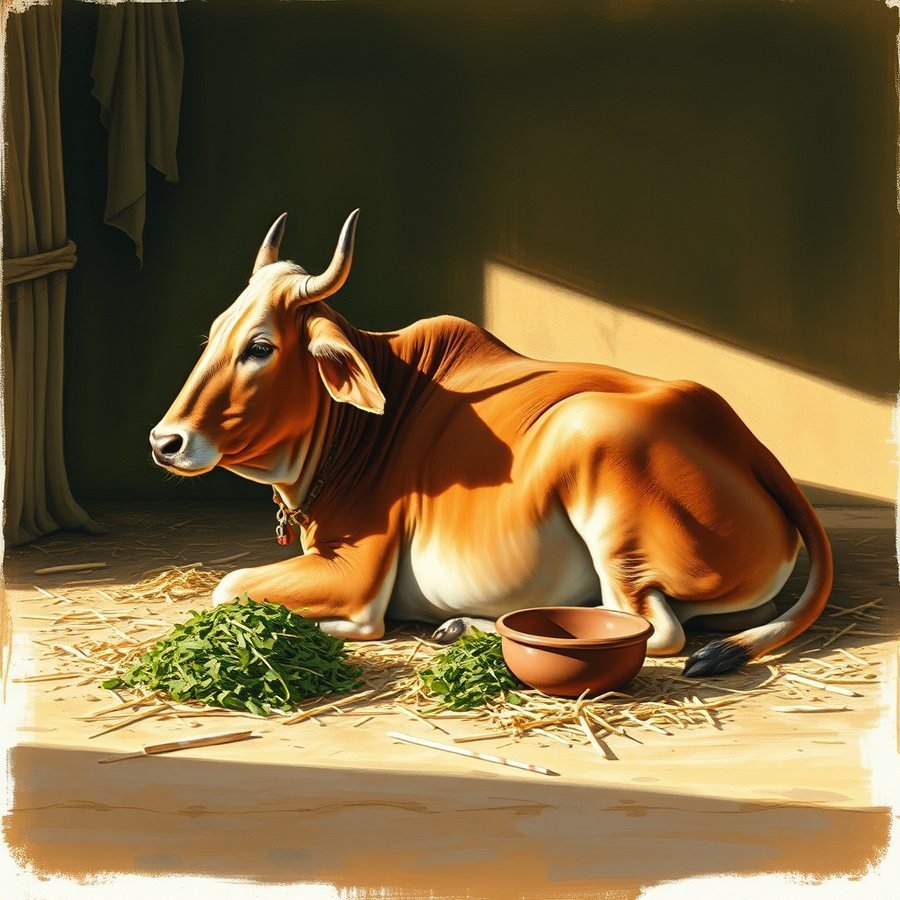
A cow that stops giving milk is still our cow. She stays on the farm, with the same feed, the same shed and the same medical care she had when she was milking. We do not sell her on and we do not let her go. That is the whole basis of the ghee we make — you cannot ask an animal for her milk and then abandon her for it.
Our mission goes further than our own herd. There are cows on the street who are injured every day, who eat plastic, who cry through the night with nobody coming. We want to take them in. The plan is a chain of Organic Farmz gaushalas in several places, so that help is not one shed in one city but something a hurt animal can actually reach.
This takes more than we can carry alone — land, fodder, vets, hands. Come and join our initiative. Anything you give goes to feed, treat and shelter these cows.

Scan with any UPI app
Bank transfer
- Account name Organic Farmz
- Bank Indian Bank
- Account number 8133177322
- IFSC code IDIB000K555
- UPI ID organicfarmz@ptaxis
On a phone, the button above opens your UPI app directly — a QR on the screen you are reading cannot be scanned by that same screen. On a laptop, scan the code with your phone instead.
What is the correct ratio of ghee to flour in traditional nankhatai?
The standard traditional formula for balanced nankhatai uses a fat-to-flour weight ratio of roughly one part ghee to two parts dry ingredients. A classic household recipe combines half a cup of semi-solid A2 bilona ghee (around 100 grams) with one cup of refined flour or whole wheat flour (around 120 grams), supplemented by two tablespoons of gram flour (besan) and one tablespoon of fine semolina (sooji). Besan introduces a rich roasted flavour, while semolina adds a delicate crunch that contrasts with the tender interior. Powdered sugar is matched closely to the fat quantity, usually around half a cup (around 70 to 80 grams). Adhering to these proportions ensures that the dough binds together gently without requiring added milk or water, both of which would ruin the shortbread texture by activating wheat gluten.
Should you chill the dough before shaping and baking nankhatai?
Chilling the shaped nankhatai dough balls in the refrigerator for fifteen to twenty minutes before baking stops them from flattening prematurely in the oven. Room-temperature dough contains softened fats that melt rapidly the moment heat hits the tray, causing the cookies to puddle into flat discs before the flour structure sets. Brief refrigeration firms up the A2 bilona ghee, allowing the outer shell of the cookie to hold its raised dome while the interior cooks gradually. Preheat your oven to 160 degrees Celsius (320 degrees Fahrenheit) and place the chilled dough portions on a parchment-lined baking sheet, leaving an inch of space between each piece. Marking a light cross on top of each ball and pressing a sliver of pistachio or cardamom pod into the center provides a traditional finishing touch without distorting the shape.
How do you tell when nankhatai is fully baked without drying it out?
Nankhatai is fully baked when the base turns light golden-brown and tiny cracks appear across the top dome, usually taking twelve to fifteen minutes at 160 degrees Celsius. The top surface of the biscuit should remain pale or ivory; if the top turns deep brown, the ghee inside has overheated, leading to a dry and bitter cookie. When you remove the tray from the oven, the nankhatai will feel very soft and fragile to the touch because the hot fat is still liquid. Avoid moving them immediately. Allow the biscuits to rest untouched on the hot tray for ten minutes, during which time the cooling bilona ghee solidifies, setting the crumb firmly. Once completely cooled to room temperature, transfer the nankhatai to an airtight glass jar, where they will stay fresh and fragrant for up to three weeks.
Taste the difference
Small-batch A2 Gir cow ghee, hand-churned to order and delivered across India. Read how we make it if you want the detail first.
Order a jarKeep reading
-
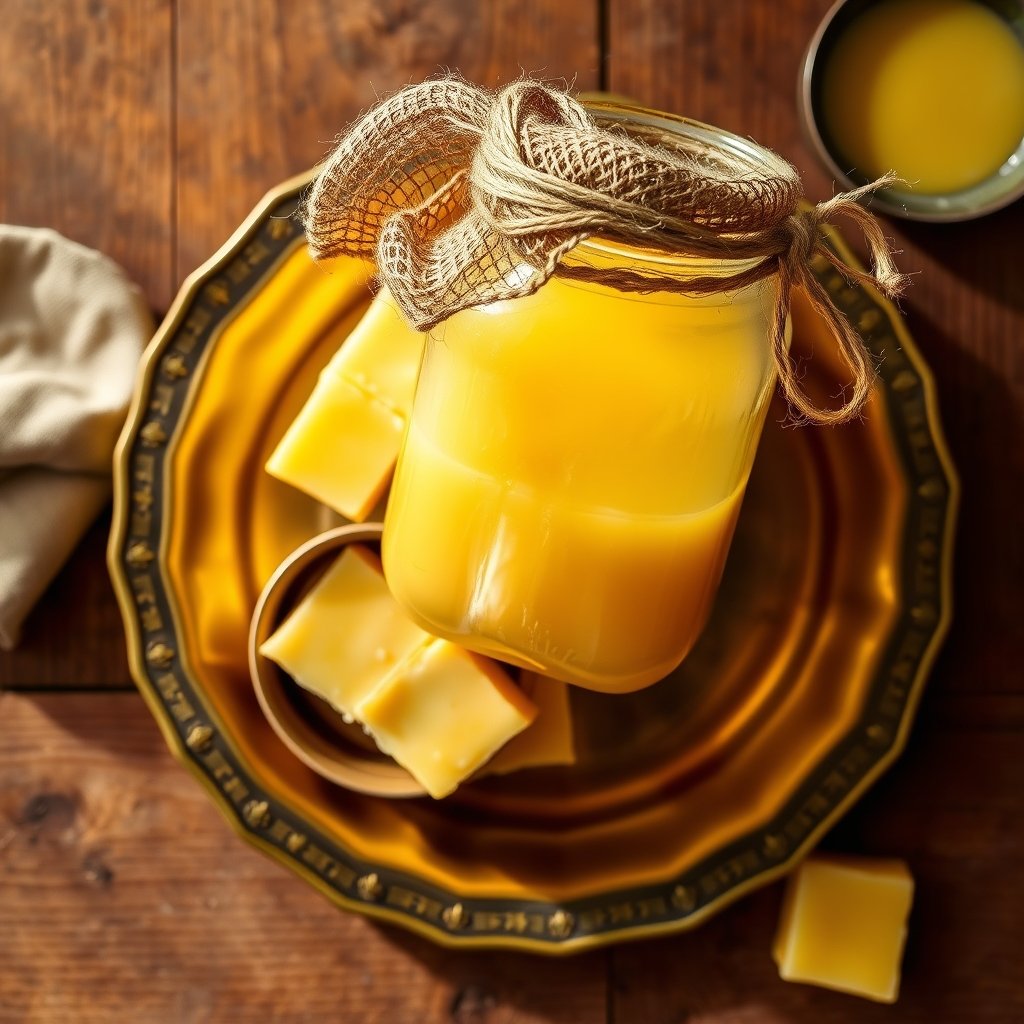 Ghee for Sweets: Barfi, Peda and Mysore Pak
Discover how traditional bilona A2 Gir cow ghee shapes the texture, aroma, and mouthfeel of classic Indian…
-
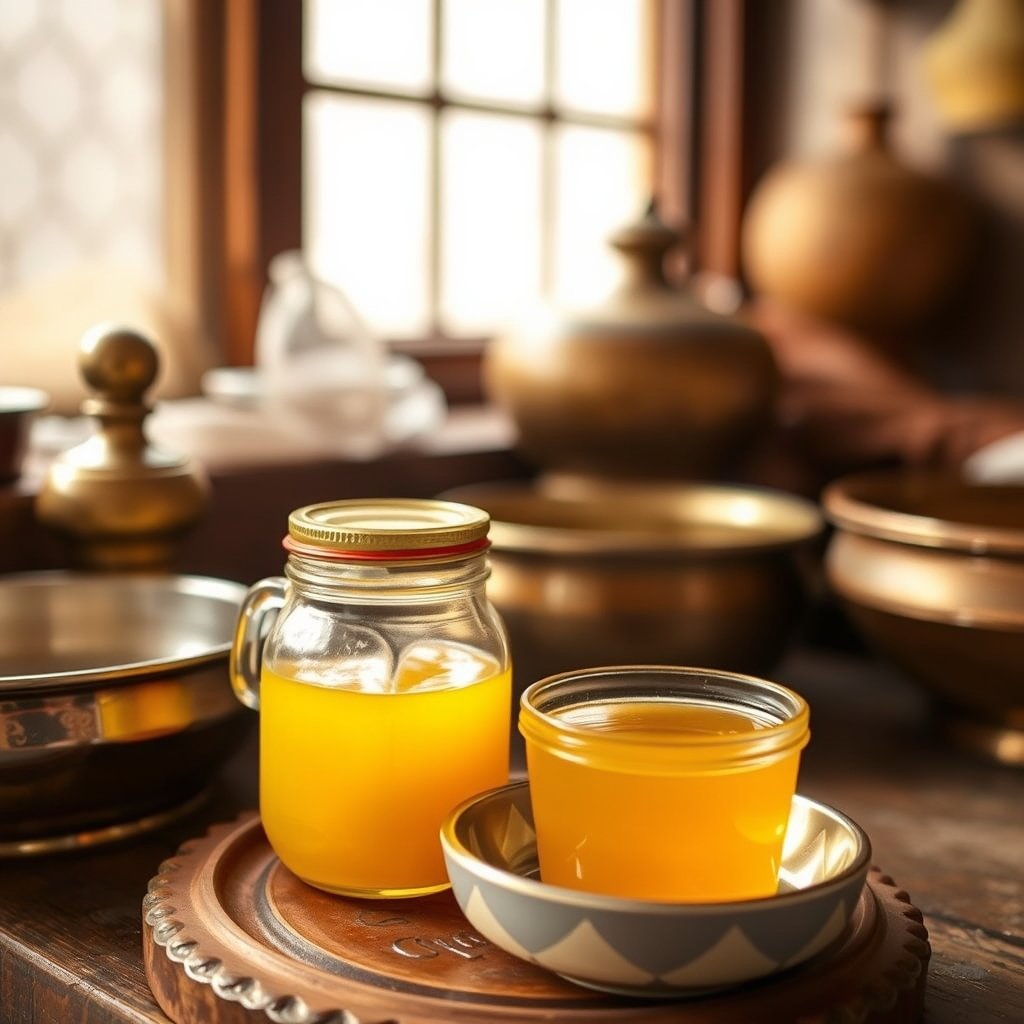 Ghee vs Mustard Oil for Cooking
Compare A2 bilona ghee and mustard oil for Indian cooking. Learn their smoke points, flavor profiles, and…
-
 Ghee or Butter on the Monthly Grocery Bill: Ghee Lasts Longer
Ghee is the more efficient choice for a monthly grocery budget because its 100% fat content and lack of…
