
Is Organic Certification on Ghee Worth It? Not Alone
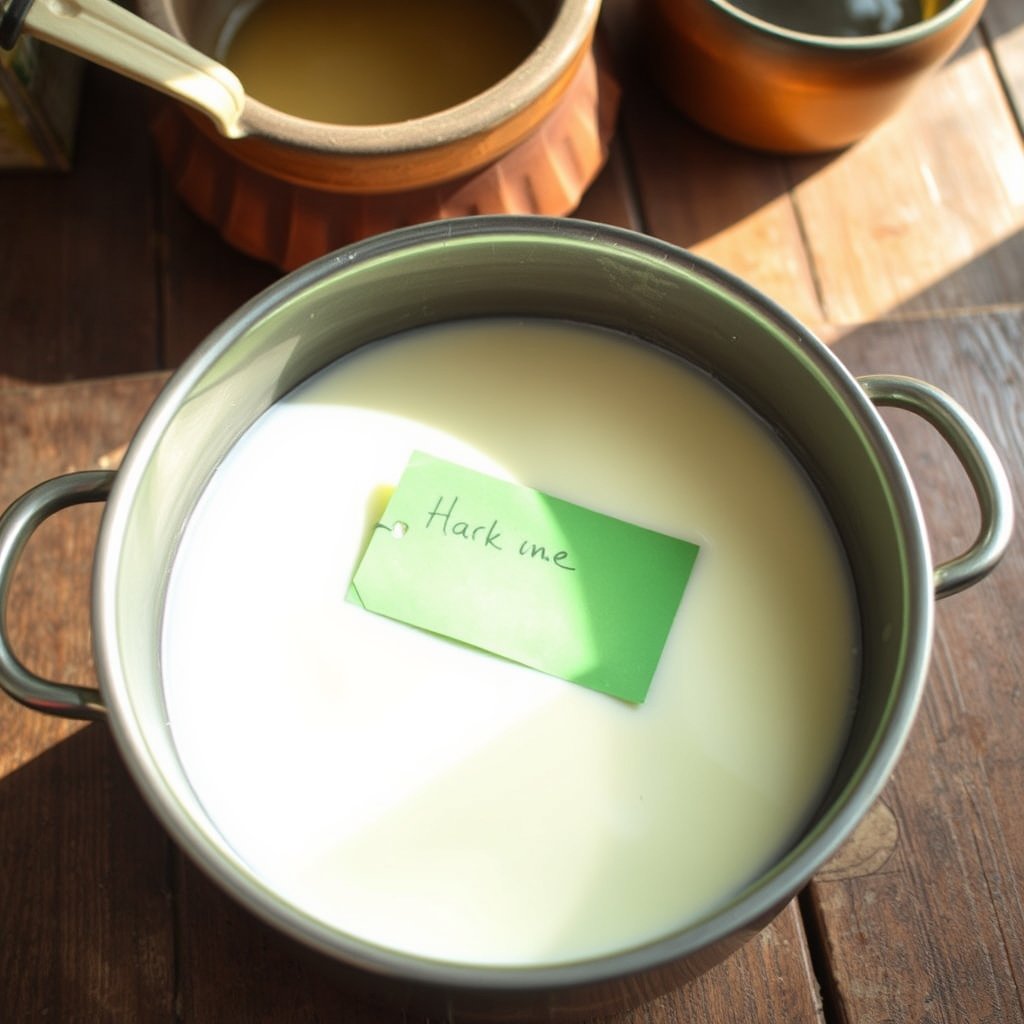
Organic certification on ghee is only worth paying for if the jar also comes from a verified, traditional bilona process and a known herd, because an organic label alone does not guarantee how the butter was extracted or how the cows were treated. A certified seal confirms that the cattle ate fodder free from synthetic chemical fertilizers and pesticides, but it says nothing about whether the dairy uses industrial cream separators, crossbred cattle, or ethical farm practices.
What does organic certification actually cover on a jar of ghee?
An organic certification focuses almost entirely on agricultural inputs, soil management, and the chemical purity of the cow's feed. To earn an organic mark, a dairy farm must feed its herd grass, fodder, and grains grown without synthetic sprays, chemical fertilizers, or genetically modified seeds. The certification audits land history, water sources, and pasture boundaries to ensure chemical drift from neighboring farms is minimized. It also restricts the routine, prophylactic use of synthetic hormones or unprescribed antibiotics in the herd. When you pay a premium for certified organic ghee, you are primarily paying for an audit trail that confirms the cow grazed on clean pasture and ate chemical-free green fodder. This is a valuable baseline for food safety, yet it covers only the starting point of the milk.
What does an organic label fail to tell you about the ghee?
An organic label tells you nothing about the cow breed, the calf's welfare, or how the dairy converts milk into fat. Most commercially certified organic ghee in supermarkets comes from large industrial dairies that house hundreds of crossbred or foreign-origin cows. These cows are machine-milked, and their milk is fed into mechanical cream separators. A cream separator uses high-speed centrifugal force to strip raw cream directly from unboiled milk, leaving behind skimmed milk. The separated cream is then boiled in massive industrial steam kettles to make ghee in a matter of hours. The organic certification considers this efficient processing entirely acceptable. The green seal does not verify whether calves were allowed to nurse, whether cows grazed freely in open sunshine, or whether the fat came from native A2 breeds like Gir cows or modern hybrid cattle.
Our cows are not use and throw

A cow that stops giving milk is still our cow. She stays on the farm, with the same feed, the same shed and the same medical care she had when she was milking. We do not sell her on and we do not let her go. That is the whole basis of the ghee we make — you cannot ask an animal for her milk and then abandon her for it.
Our mission goes further than our own herd. There are cows on the street who are injured every day, who eat plastic, who cry through the night with nobody coming. We want to take them in. The plan is a chain of Organic Farmz gaushalas in several places, so that help is not one shed in one city but something a hurt animal can actually reach.
This takes more than we can carry alone — land, fodder, vets, hands. Come and join our initiative. Anything you give goes to feed, treat and shelter these cows.

Scan with any UPI app
Bank transfer
- Account name Organic Farmz
- Bank Indian Bank
- Account number 8133177322
- IFSC code IDIB000K555
- UPI ID organicfarmz@ptaxis
On a phone, the button above opens your UPI app directly — a QR on the screen you are reading cannot be scanned by that same screen. On a laptop, scan the code with your phone instead.
How does industrial organic ghee compare with traditional bilona ghee?
Understanding the difference between an audited commercial product and a traditional farm preparation helps you decide where your grocery budget should go.
| Feature | Certified Commercial Organic Ghee | Traditional A2 Gir Bilona Ghee |
|---|---|---|
| Milk Source | Aggregated milk pools, often HF or Jersey crossbreeds | Single-herd native Gir cows grazing on diverse grasses |
| Fat Extraction | Centrifugal cream separator running on raw milk | Whole milk cultured into curd, churned with a wooden bilona |
| Heating Method | Industrial steam-jacketed vats under high heat | Slow simmering over gentle, open heat in heavy vessels |
| Calf Welfare | Calves often bucket-fed milk replacer to maximize yield | Two teats reserved for the calf before any milking begins |
| Aroma and Texture | Uniform, mild, often greasy or flat aftertaste | Coarse, golden grains (danedaar) with a rich, nutty aroma |
Why does the churning method matter as much as the cow's feed?
The method of making ghee alters its physical composition, aroma, and digestibility in traditional Indian cooking and ayurvedic practice. Ayurveda does not define true ghee (ghrita) as simple melted butterfat skimmed from fresh milk. Real ghrita requires five distinct steps: boiling fresh milk, cooling it to room temperature, culturing it into whole-milk curd with a natural starter, churning that curd with a bi-directional wooden churner (bilona) to harvest makkhan, and gently simmering the makkhan until the milk solids settle. Culturing the milk into curd ferments the fats and breaks down proteins naturally before the fat is ever heated. When commercial brands use organic cream separation, they skip the entire culturing stage. You receive certified organic milk fat, but you miss out on the nutty fragrance, granular danedaar texture, and culinary depth that only live culturing and slow wood-fire clarification can create.
How should you evaluate a jar of ghee before buying?
You should evaluate a ghee maker by their herd transparency, their churning technique, and the aroma in the jar rather than relying solely on a label. Ask the producer whether they churn cultured curd or boil fresh cream. Inquire about the cow breed—native Indian humped breeds like Gir produce milk naturally rich in A2 beta-casein, which home cooks have favored for generations. Look into how the farm treats its calves and aging cows. Clean pasture and chemical-free fodder should be standard baseline ethics for any genuine small-batch farm, not an excuse to inflate the price of machine-stripped industrial cream. For daily dal tadka, spreading over warm phulkas, or blending into morning dishes, a jar of handcrafted bilona ghee from grass-grazed Gir cows provides an honest, fragrant food that no mass-produced certification stamp can replicate on its own.
Taste the difference
Small-batch A2 Gir cow ghee, hand-churned to order and delivered across India. Read how we make it if you want the detail first.
Order a jarKeep reading
-
 Is Bilona Ghee Worth the Money? Yes, for Flavor and Aroma
Bilona ghee is worth the investment if you value traditional aroma, A2 protein, and hand-churned quality…
-
 Who Should Not Buy Bilona Ghee: Three Main Reasons
You should not buy bilona ghee if you prefer neutral flavors, need a cheap cooking oil for deep-frying, or…
-
 Ghee Manufacturer MOQ: Why We Will Not Publish One
A traditional ghee manufacturer will not publish a minimum order quantity because batch volumes depend on…
