
Is Bilona Ghee Worth the Money? Yes, for Flavor and Aroma
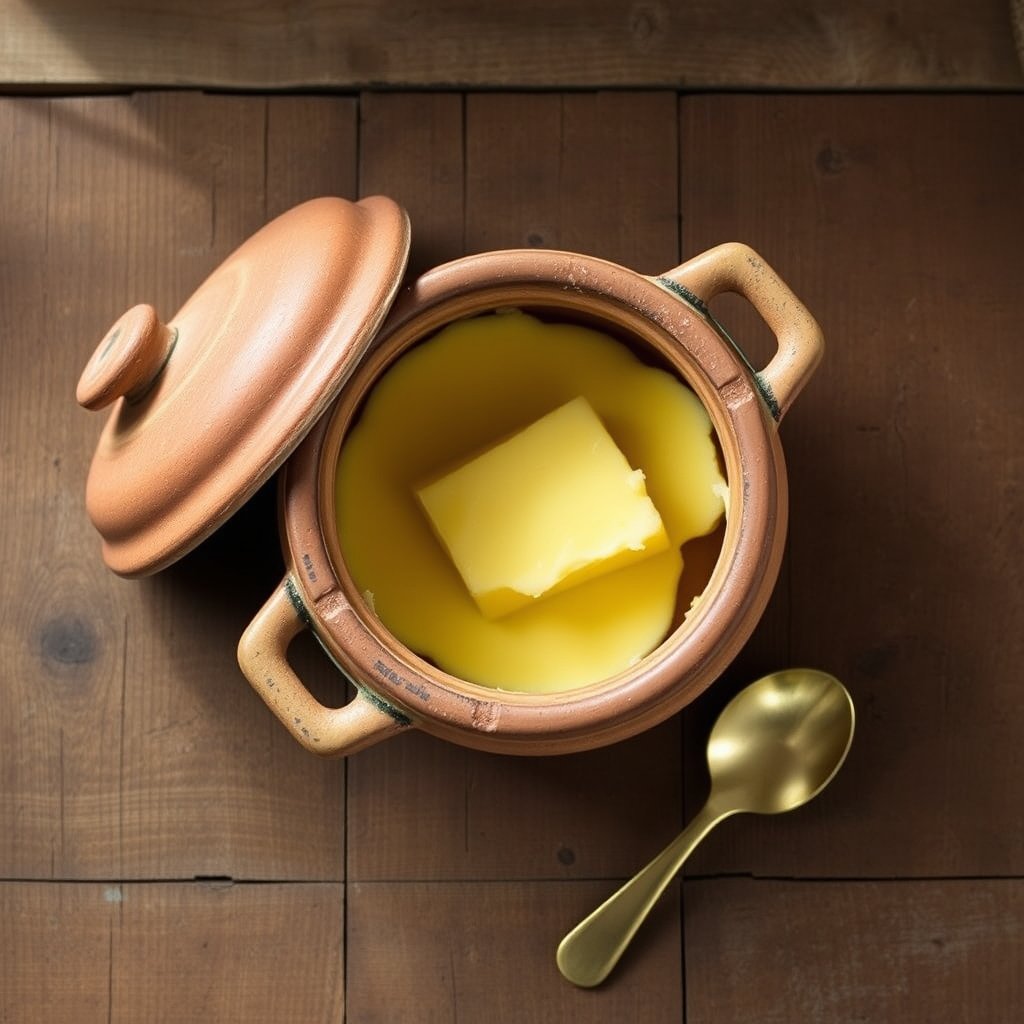
Is Bilona ghee really worth the higher price point?
Bilona ghee is worth the extra money for households that prioritize the complex aroma, naturally granular texture, and the nutritional integrity of slow-cooked A2 fats. When you purchase ghee made by the traditional bilona method, you are not just paying for a cooking fat; you are paying for a labor-intensive process that requires significantly more milk and time than industrial alternatives. For many Indian families, the decision to spend more on bilona ghee is rooted in the desire for a product that tastes like the ghee made by previous generations—rich, nutty, and free from the waxy consistency often found in mass-produced jars. While the cost is higher, the concentration of flavor means you often need to use less of it to achieve the same sensory satisfaction in your cooking.
What is the difference between industrial ghee and bilona ghee?
The primary difference lies in the starting material and the method of extraction. Most commercial ghee is made by heating milk cream (malai) at very high speeds and temperatures until the fats separate. This is a fast, efficient way to produce large quantities of ghee, but it bypasses the fermentation step. In contrast, the bilona method follows the traditional Ayurvedic path: whole milk is converted into curd, which is then churned to separate the butter (makkhan). This butter is then clarified over a slow fire. This extra step of culturing the milk into curd changes the molecular structure of the fat and results in a more aromatic final product.
| Feature | Industrial Ghee | Bilona Method Ghee |
|---|---|---|
| Base Ingredient | Milk Cream (Malai) | Cultured Curd (Dahi) |
| Churning Method | High-speed Centrifuge | Slow Wooden Churn (Bilona) |
| Heat Level | High Temperature | Slow, Controlled Flame |
| Texture | Smooth or Waxy | Naturally Granular (Danedaar) |
Why does the bilona process require more resources?
The price of bilona ghee is a direct reflection of the volume of milk required and the human labor involved. To produce just one liter of authentic bilona ghee, approximately 25 to 30 liters of A2 Gir cow milk are required. In the industrial process, machines can extract fat more aggressively from lower-quality milk sources, reducing the cost per liter. The bilona method also involves a 24-hour cycle of boiling milk, setting curd, manual or slow-motor churning, and careful clarification. Because this is done in small batches rather than massive silos, the economies of scale are different. You are paying for the time of the artisan who monitors the flame to ensure the milk solids caramelize perfectly without burning, which is where that distinct "danedaar" or grainy texture comes from.
Our cows are not use and throw

A cow that stops giving milk is still our cow. She stays on the farm, with the same feed, the same shed and the same medical care she had when she was milking. We do not sell her on and we do not let her go. That is the whole basis of the ghee we make — you cannot ask an animal for her milk and then abandon her for it.
Our mission goes further than our own herd. There are cows on the street who are injured every day, who eat plastic, who cry through the night with nobody coming. We want to take them in. The plan is a chain of Organic Farmz gaushalas in several places, so that help is not one shed in one city but something a hurt animal can actually reach.
This takes more than we can carry alone — land, fodder, vets, hands. Come and join our initiative. Anything you give goes to feed, treat and shelter these cows.

Scan with any UPI app
Bank transfer
- Account name Organic Farmz
- Bank Indian Bank
- Account number 8133177322
- IFSC code IDIB000K555
- UPI ID organicfarmz@ptaxis
On a phone, the button above opens your UPI app directly — a QR on the screen you are reading cannot be scanned by that same screen. On a laptop, scan the code with your phone instead.
When should you choose cheaper, regular ghee instead?
It is important to be honest about your kitchen needs. If you are using ghee primarily as a high-heat frying medium—for example, deep-frying pakoras or puris in large quantities—the subtle aromatic profile of bilona ghee may be lost in the process. In such cases, the extra expense might not feel justified because the heat of deep-frying can overwhelm the delicate nuances of cultured ghee. Regular A2 ghee or even high-quality standard ghee is perfectly functional for high-volume frying. However, for those who use ghee as a finishing touch, the value proposition shifts back toward bilona. If your ghee usage is focused on topping hot rotis, stirring into dal, or making traditional sweets where the fat is a primary flavor carrier, the premium for bilona is a direct investment in the taste of the meal.
Does the use of A2 Gir cow milk justify the cost?
The source of the milk is the other half of the pricing equation. Gir cows are an indigenous Indian breed known for producing A2 milk, which contains the A2 beta-casein protein. These cows typically produce much less milk per day than the high-yield crossbred or Holstein cows used in commercial dairy farming. Because the supply of A2 Gir cow milk is limited and the cows require specific care and grazing to maintain the quality of their milk, the raw material cost is inherently higher. When this premium milk is combined with the slow bilona method, the result is a ghee that is easier on the digestive system for many people and carries the fat-soluble vitamins A, D, E, and K in their most stable form.
How can you maximize the value of bilona ghee in your kitchen?
To make your investment in bilona ghee go further, treat it as a finishing oil rather than a basic cooking grease. Instead of using it to sauté onions at the start of a recipe, add a teaspoon to your dish just before serving. This preserves the aromatic compounds that are the hallmark of the bilona process. You will find that the scent of the ghee blooms when it hits warm rice or a hot paratha, allowing you to enjoy the luxury of the product without using large volumes. Storing the ghee in a cool, dark place in a glass jar also ensures that the flavor remains intact for months, preventing the oxidation that can happen with plastic packaging or exposure to direct sunlight. When used mindfully, a single jar of bilona ghee can elevate months of home cooking, making the cost per meal relatively low.
Taste the difference
Small-batch A2 Gir cow ghee, hand-churned to order and delivered across India. Read how we make it if you want the detail first.
Order a jarKeep reading
-
 Is Organic Certification on Ghee Worth It? Not Alone
Organic certification is worth paying for only if the ghee is also made from cultured curd butter, because…
-
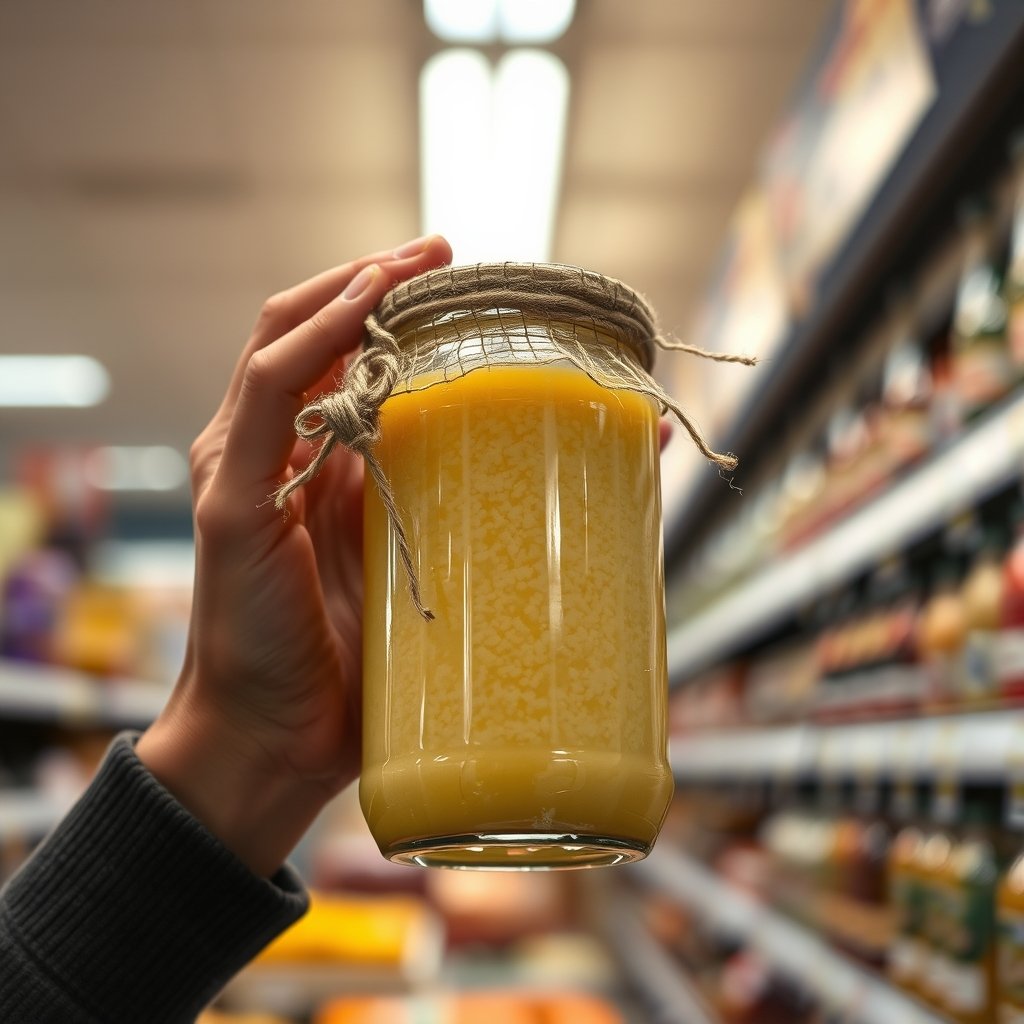 Comparing Ghee Brands in a Shop: Check Method and Aroma
Compare ghee brands by checking the label for the bilona method and observing the grain size and aroma to…
-
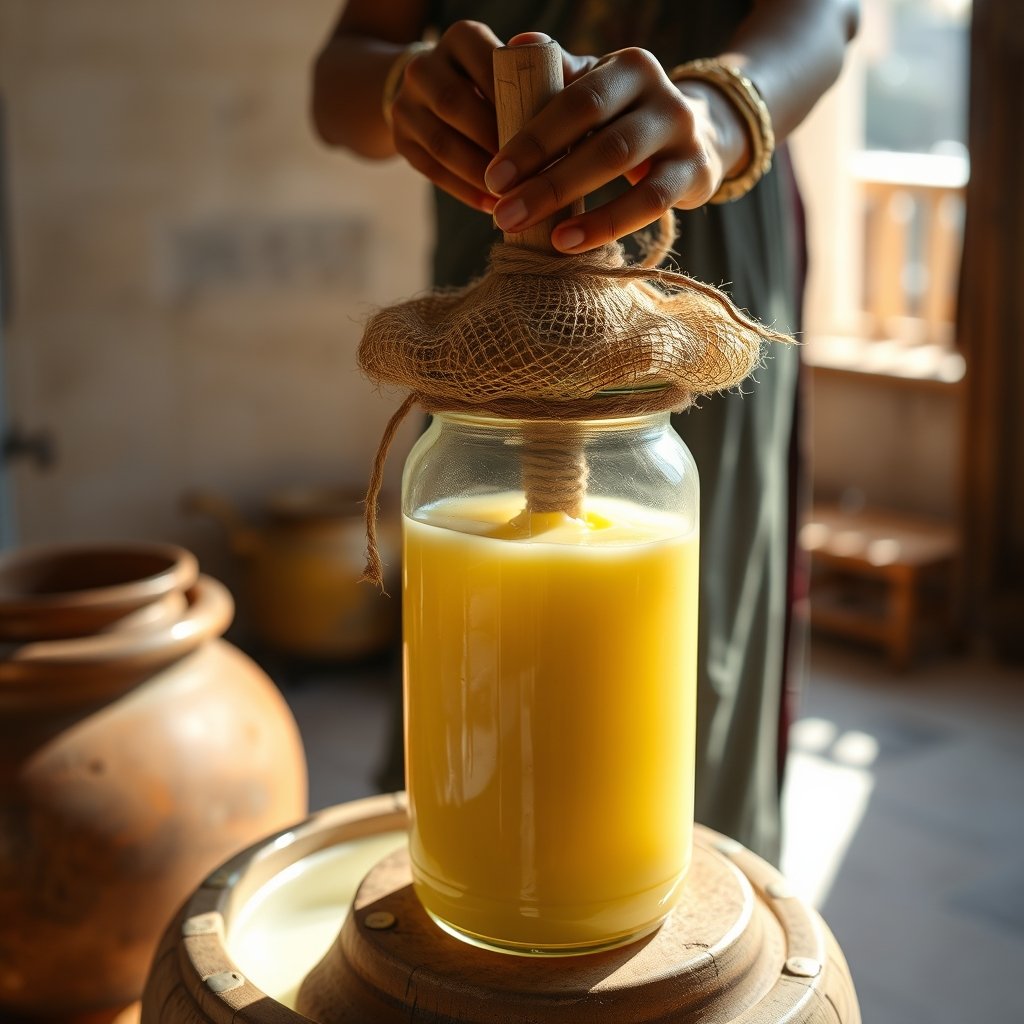 What a Fair Price for Bilona Ghee Looks Like in 2026
Wondering why authentic A2 Gir cow bilona ghee costs what it does? Explore the realistic market price for…
