
How Much Ghee to Buy First: Order the Smallest Jar

You should order the single smallest jar available when buying ghee from a new maker for the first time. Even if your household consumes ghee daily on rotis, dals, and khichdi, starting with the maker's minimum offered unit keeps your commitment low while giving you enough fat to judge its true kitchen performance, natural settling, and fragrance before stocking your pantry.
Why should you start with the smallest jar?
You should start with the smallest jar because authentic A2 Gir cow ghee made through the traditional bilona method carries distinct culinary notes and textural characteristics that vary from maker to maker. Industrial ghee is blended and homogenized to ensure absolute uniformity, but traditional bilona ghee comes from cultured whole milk curd, hand-churned or slow-churned with a wooden bilona, and clarified over gentle firewood heat. These artisan touches yield genuine batch variations influenced by seasonal grazing, forage changes, and fire temperature. Ordering a single small vessel allows your kitchen to experience the maker's distinct curd culture, churning style, and simmering depth without the risk of storing an unwanted surplus if the profile does not match your family's personal palate.
What should you inspect in your trial jar?
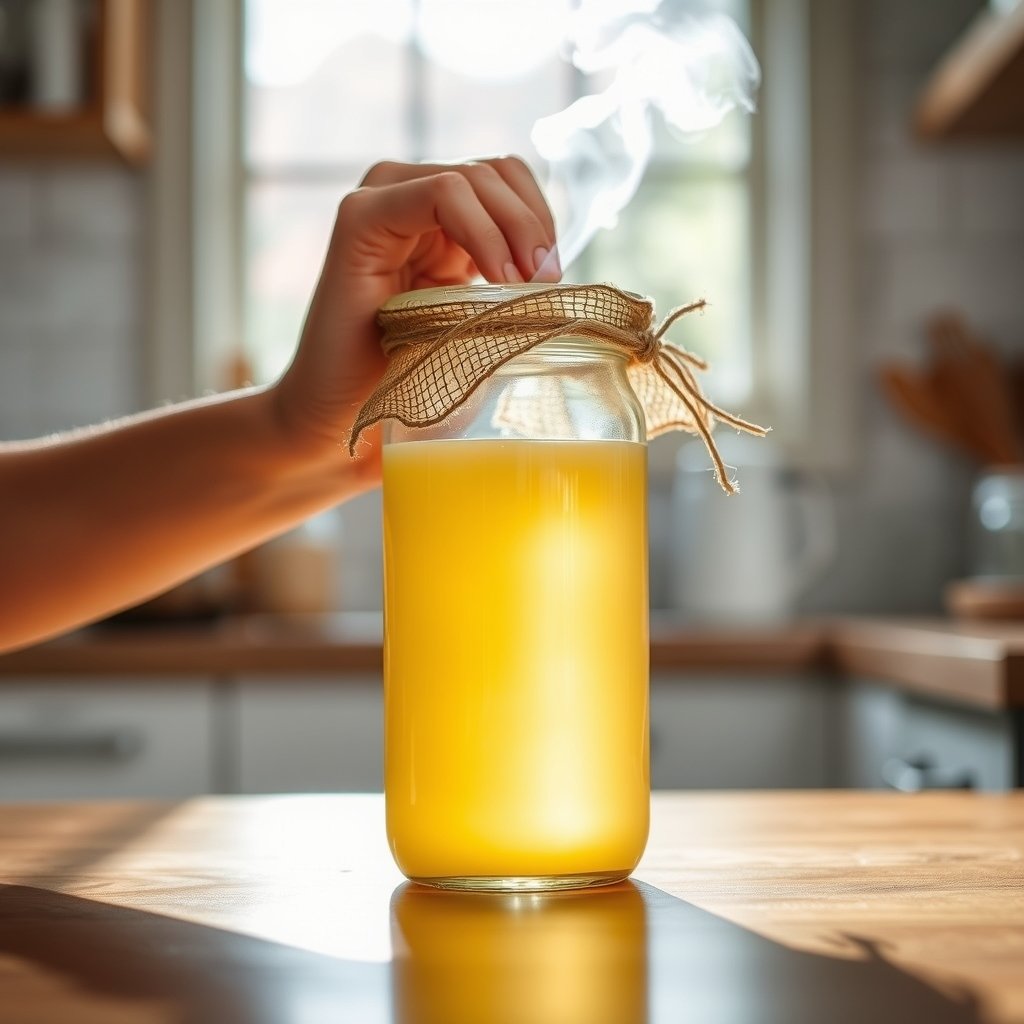
You should inspect the resting aroma, the physical grain structure, and the heat melting point of your trial jar across several everyday meals. The moment you break the seal at room temperature, note the scent. Bilona ghee derived from cultured curd should release a nutty, mildly toasted, and slightly lactic aroma rather than a flat, greasy butter smell or a sharp burnt note. Next, observe the grain, known traditionally as danedaar texture. True clarified butter forms delicate, sand-like crystals as it cools undisturbed. When you scoop a small portion onto hot phulkas or a bowl of steaming moong dal, observe how rapidly and cleanly it melts. Pure cow ghee liquefies near human body temperature without leaving a waxy coating on the roof of your mouth or lingering greasiness on your tongue.
Our cows are not use and throw

A cow that stops giving milk is still our cow. She stays on the farm, with the same feed, the same shed and the same medical care she had when she was milking. We do not sell her on and we do not let her go. That is the whole basis of the ghee we make — you cannot ask an animal for her milk and then abandon her for it.
Our mission goes further than our own herd. There are cows on the street who are injured every day, who eat plastic, who cry through the night with nobody coming. We want to take them in. The plan is a chain of Organic Farmz gaushalas in several places, so that help is not one shed in one city but something a hurt animal can actually reach.
This takes more than we can carry alone — land, fodder, vets, hands. Come and join our initiative. Anything you give goes to feed, treat and shelter these cows.

Scan with any UPI app
Bank transfer
- Account name Organic Farmz
- Bank Indian Bank
- Account number 8133177322
- IFSC code IDIB000K555
- UPI ID organicfarmz@ptaxis
On a phone, the button above opens your UPI app directly — a QR on the screen you are reading cannot be scanned by that same screen. On a laptop, scan the code with your phone instead.
How does small-batch bilona ghee behave differently?
Small-batch bilona ghee behaves differently because it retains the natural fatty acid balance and curd solids characteristic of traditional Indian pasture-raised Gir cow milk. Unlike commercial cream-separated fats that rely on centrifuges and intense steam jackets, bilona ghee is clarified slowly from makkhan obtained by churning dahi. In ayurvedic food philosophy, this cultured preparation honors digestive fire, or agni, because the sour curd stage transforms the heavy qualities of raw milk fat into an easily assimilated cooking medium. You will notice that small-batch preparations respond actively to seasonal ambient room temperatures. In warm months, the jar will soften or turn partially liquid with dense grains settled at the bottom; during cooler months, it sets into a firm, creamy golden block. Experiencing this natural temperature reactivity in a small test vessel helps you understand how the fat lives in your specific climate and shelf setup.
How do a first-time trial order and a regular reorder compare?
A first-time trial order focuses entirely on sensory verification and kitchen fit, whereas a regular reorder prioritizes pantry continuity and cooking economy.
| Evaluation Factor | First-Time Trial Order | Subsequent Reorders |
|---|---|---|
| Order Size | Maker's smallest available container | Full pantry supply based on monthly use |
| Primary Purpose | Evaluate aroma, grain, melting, and taste | Daily cooking, tadkas, baking, and table service |
| Storage Location | Countertop or stove-side for immediate inspection | Dedicated cool, dark pantry shelf until needed |
| Risk Profile | Zero waste if the flavor profile doesn't suit | Cost-effective replenishment of a proven staple |
When is your household ready to order more?
Your household is ready to place a larger reorder after you have cooked three distinct preparations with the test jar: a simple tadka over yellow dal, a smear over fresh rotis, and a slow-cooked khichdi or rice dish. In a dry tadka, pure bilona ghee releases its nutty base while blooming jeera, hing, and mustard seeds without smoking prematurely. When brushed on warm flatbreads, it should sink cleanly into the crumb to keep the bread tender rather than sitting as a shiny, heavy slick on top. If the flavor enhances your food, settles lightly, and receives full approval from every generation at your dining table, you have all the verification you need to transition from testing to your regular household reordering rhythm.
Taste the difference
Small-batch A2 Gir cow ghee, hand-churned to order and delivered across India. Read how we make it if you want the detail first.
Order a jarKeep reading
-
 Your First Jar of A2 Ghee: What to Expect When You Open It
Opening your first jar of authentic A2 ghee reveals a rich aroma, varying natural golden hues, a fine grainy…
-
 Monthly Grocery List Ghee: Buy 500ml Per Person
Slot ghee into your monthly ration list at 500ml per person for daily cooking, or order 1-litre glass jars…
-
 Ghee Sample Batch Before Order: Taste Before You Sign
A ghee sample batch before order allows you to verify aroma and texture before signing. Tasting a physical…
