
How a Returned Jar Is Cleaned: Sterilisation Steps
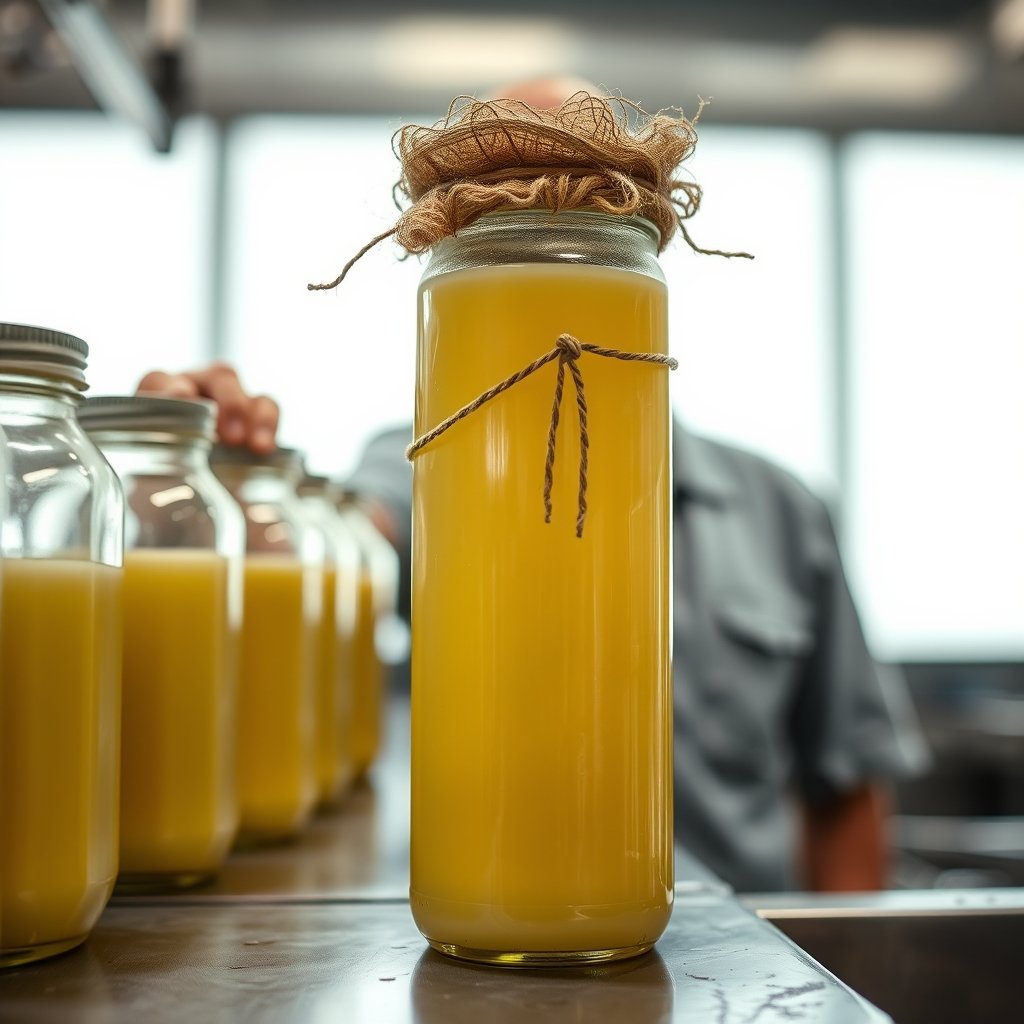
Returned glass jars are sterilised through a structured hygienic process that involves sorting, deep soaking, washing, thermal sterilisation, light-panel inspection, and retiring any glass that shows chips or cloudiness.
When reusing glass packaging for traditional Indian kitchen staples like A2 Gir cow ghee made by the bilona method, hygiene relies entirely on the thoroughness of the washing line. Glass is an inert material that does not absorb butterfat or residual aromas, making it suited for safe, repeated food contact when cleaned systematically.
How are returned ghee jars prepared for washing?
The cleaning cycle begins the moment returned packaging arrives at the facility. Every container is sorted to confirm its structural state and origin. Jars are placed in soaking vats filled with warm water to loosen dried ghee residue and dissolve outer labels and adhesives. Soaking allows butterfat solids stuck around the rim to soften gently without harsh mechanical scrubbing that could scratch the glass interior.
What happens during the washing and sterilisation stage?
Once labels and heavy fat residues detach, jars move into a high-pressure wash cycle. Rotary water jets spray inside and outside each container to scour away remaining surface films. After washing, containers undergo thermal sterilisation where high-temperature steam purifies all interior and exterior surfaces. Steam treatment leaves the glass chemically neutral and odour-free without relying on heavy synthetic fragrance masking agents.
How is glass inspected before refilling?
Sterilised containers pass over an illuminated light table for quality checking. Technicians inspect every unit against bright background illumination to detect micro-chipping along lid threads, hair-line cracks, or permanent cloudiness in the glass matrix. Any jar that exhibits structural defects or surface wear is retired from circulation rather than filled, ensuring only flawless glass re-enters the packaging line.
Our cows are not use and throw

A cow that stops giving milk is still our cow. She stays on the farm, with the same feed, the same shed and the same medical care she had when she was milking. We do not sell her on and we do not let her go. That is the whole basis of the ghee we make — you cannot ask an animal for her milk and then abandon her for it.
Our mission goes further than our own herd. There are cows on the street who are injured every day, who eat plastic, who cry through the night with nobody coming. We want to take them in. The plan is a chain of Organic Farmz gaushalas in several places, so that help is not one shed in one city but something a hurt animal can actually reach.
This takes more than we can carry alone — land, fodder, vets, hands. Come and join our initiative. Anything you give goes to feed, treat and shelter these cows.

Scan with any UPI app
Bank transfer
- Account name Organic Farmz
- Bank Indian Bank
- Account number 8133177322
- IFSC code IDIB000K555
- UPI ID organicfarmz@ptaxis
On a phone, the button above opens your UPI app directly — a QR on the screen you are reading cannot be scanned by that same screen. On a laptop, scan the code with your phone instead.
How does home jar washing compare to professional sterilisation?
Cleaning glass in a domestic kitchen removes visible residue, but commercial preparation for traditional dairy fats uses structured sanitation steps to ensure food safety.
| Step | Household Washing | Professional Sterilisation |
|---|---|---|
| Fat Removal | Manual sponge scrubbing | Warm soak & high-pressure rotary jets |
| Sanitation Method | Standard tap water & dish soap | Thermal steam sterilisation |
| Quality Defect Check | Casual visual check | Backlit light-panel structural inspection |
| Damaged Glass Handling | Kept until obvious cracks occur | Retired immediately if chipped or cloudy |
Why are only brand-specific jars accepted for reuse?
Reclaiming glass requires strict consistency in physical shape, glass thickness, and lid threading. Only original Organic Farmz containers are accepted into the facility because the washing racks, rotary jets, and inspection stations are calibrated to these exact glass dimensions. Accepting mixed glass from outside sources would disrupt process consistency and prevent the kitchen from vouching for jar hygiene and cap seals.
How does the jar return process work for customers?
Participating in jar reclamation is simple for households buying bilona ghee. Customers state how many empties they have in a WhatsApp message, and a courier is sent to their door at no extra charge. There are no minimum jar counts, and returned jars generate a store credit toward the next order that never expires. To view the current credit value offered per jar, check the Green India jar return details on the homepage.
Taste the difference
Small-batch A2 Gir cow ghee, hand-churned to order and delivered across India. Read how we make it if you want the detail first.
Order a jarKeep reading
-
 How Returned Glass Jars Are Sterilised: Process
Returned glass jars are sterilised through sorting, soaking, thorough washing, heat processing, and light…
-
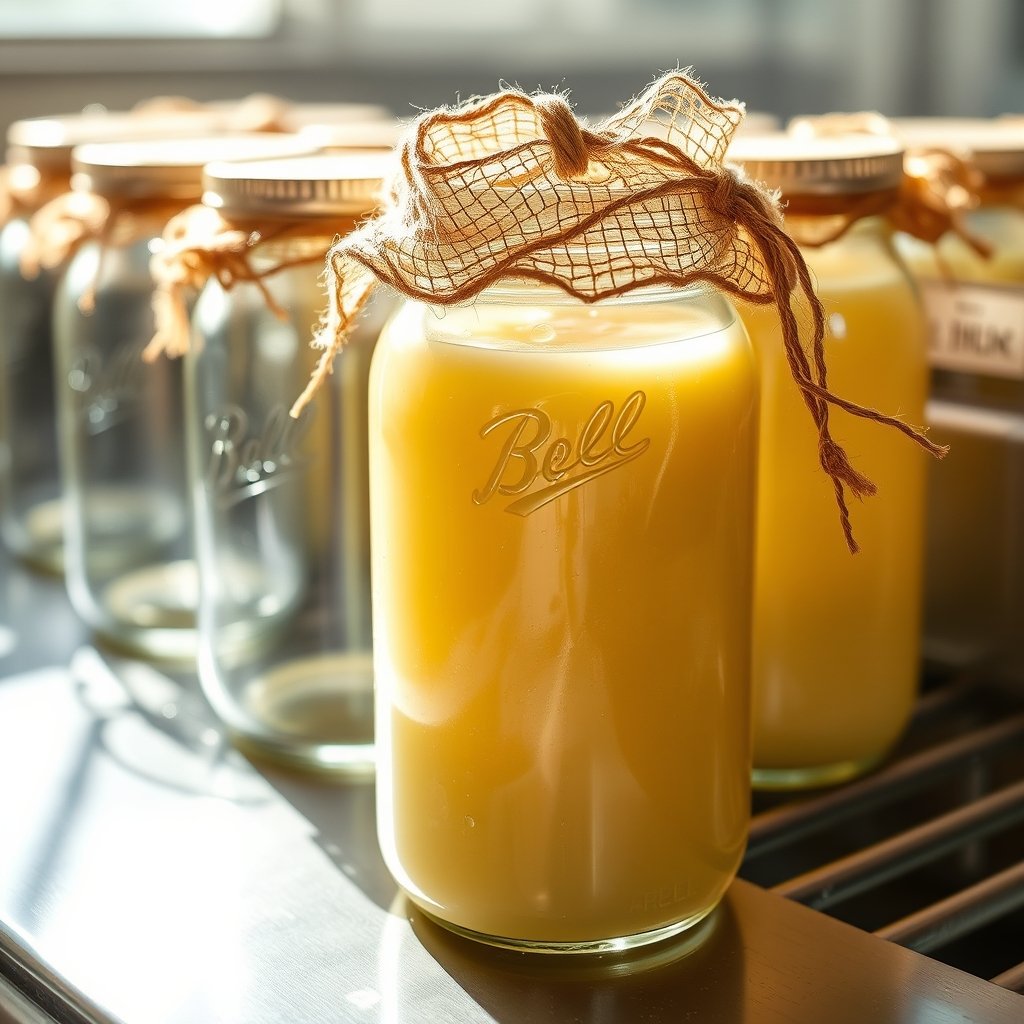 Reuse vs Recycle Glass: Why Reusing Wins for Jars
Reusing glass saves far more energy than recycling because it avoids high-temperature remelting and keeps…
-
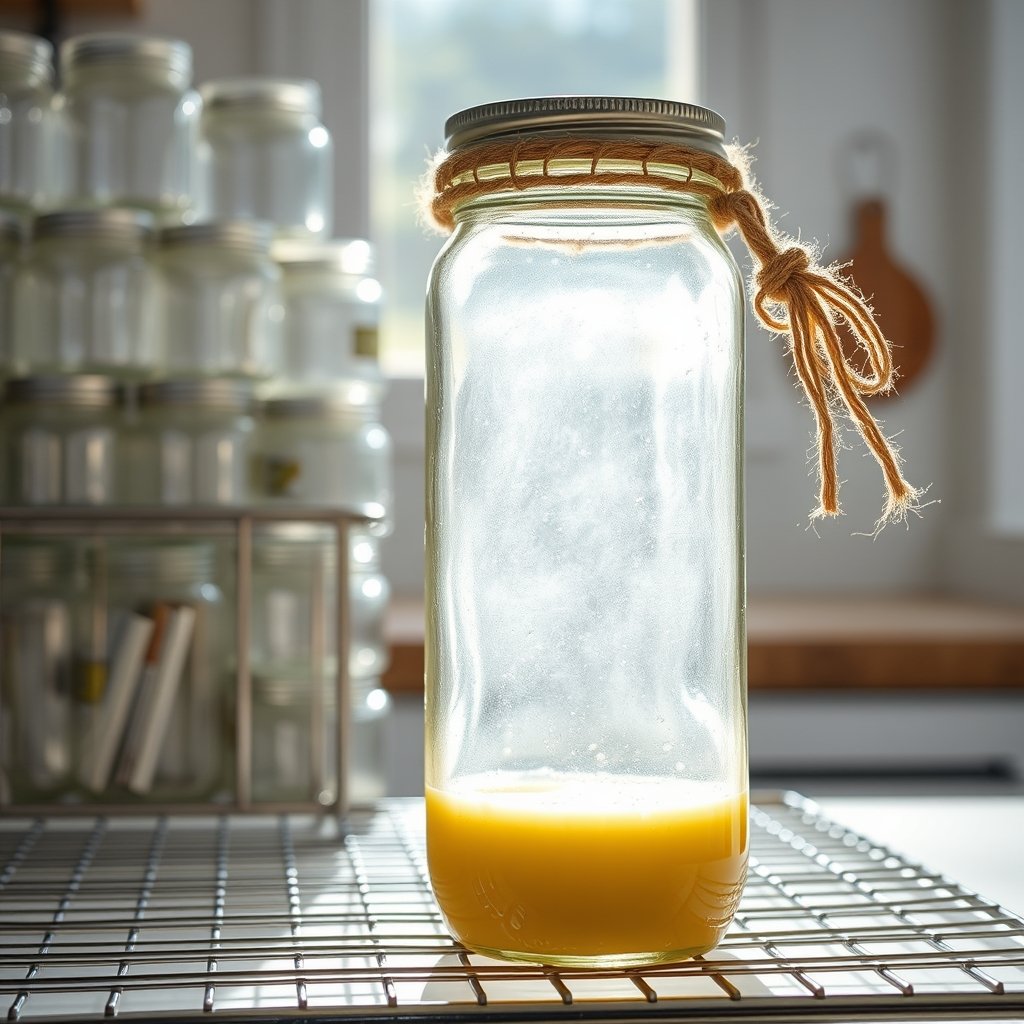 How Many Times Can Glass Jars Be Reused? Until Damaged
A glass jar can be safely reused indefinitely until it shows chips, cracks, cloudiness, or thread wear that…
