
Reuse vs Recycle Glass: Why Reusing Wins for Jars
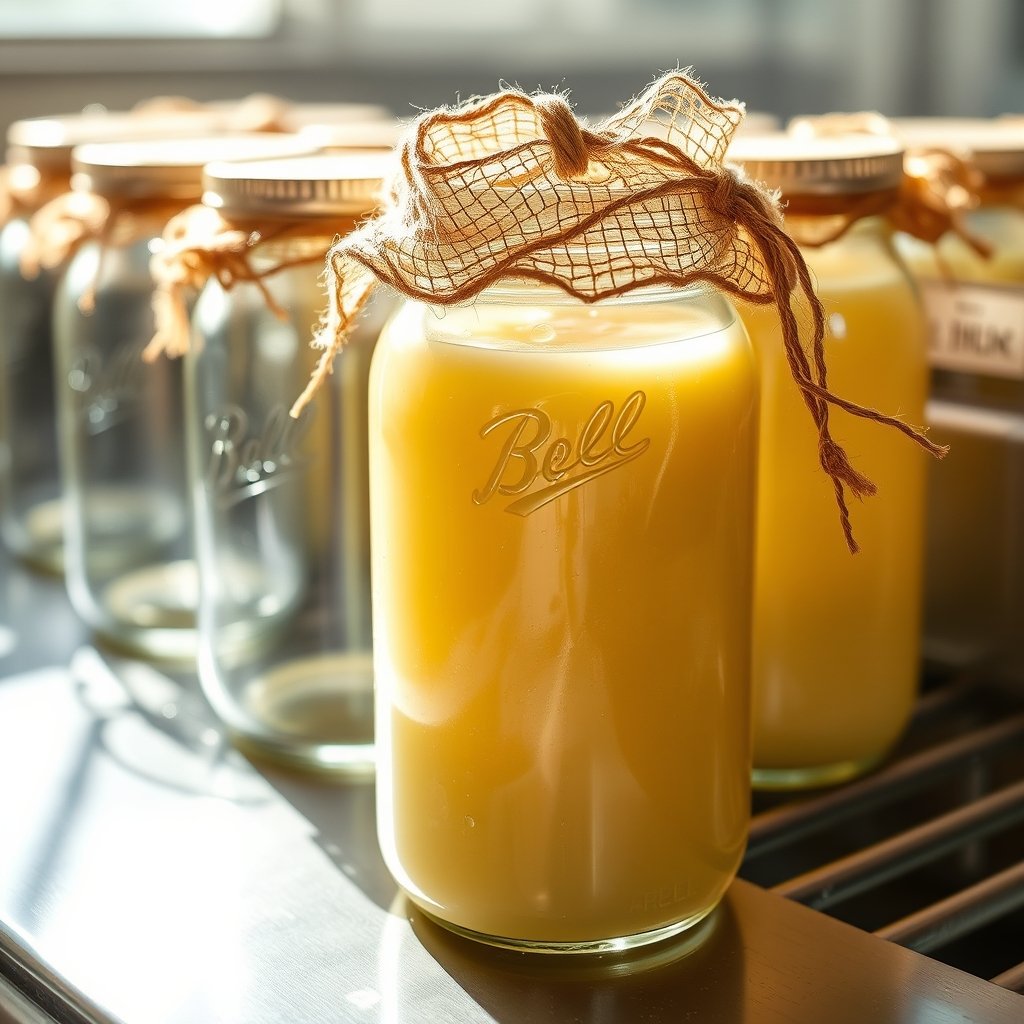
Reusing glass wins over recycling because it preserves the original vessel and skips the energy-intensive process of crushing, melting, and remolding existing glass. While both practices prevent glass containers from lingering in landfills, reusing keeps intact jars in active circulation with minimal processing, whereas recycling requires intense furnace heat to break down cullet into raw material for brand-new bottles.
Why is reusing glass better than recycling it?
Reusing glass is better than recycling because reuse sits higher on the waste hierarchy by avoiding the thermal energy needed to melt glass down. When a glass container is recycled, it must be collected, sorted by colour, crushed into cullet, and heated in industrial furnaces to form fresh molten glass. Reusing skips every furnace step completely. An intact glass jar simply requires thorough washing, hot-water sterilisation, and careful inspection before it can hold fresh food again. This direct turn saves significant industrial power, reduces manufacturing emissions, and keeps sturdy glass containers doing their intended job for as long as the material remains clear and unblemished.
| Factor | Glass Recycling | Glass Reuse |
|---|---|---|
| Energy Requirement | High energy needed to crush and melt glass in furnaces | Low energy needed for washing, sanitising, and inspecting |
| Material Transformation | Breaks down jar into cullet to remould new glass | Keeps the existing jar intact without structural changes |
| Municipal Infrastructure | Requires sorting plants and dedicated collection lines | Relies on direct doorstep collection and producer return loops |
| Waste Hierarchy Position | Lower priority (recovery of raw material) | Higher priority (prevention of material waste) |
Our cows are not use and throw

A cow that stops giving milk is still our cow. She stays on the farm, with the same feed, the same shed and the same medical care she had when she was milking. We do not sell her on and we do not let her go. That is the whole basis of the ghee we make — you cannot ask an animal for her milk and then abandon her for it.
Our mission goes further than our own herd. There are cows on the street who are injured every day, who eat plastic, who cry through the night with nobody coming. We want to take them in. The plan is a chain of Organic Farmz gaushalas in several places, so that help is not one shed in one city but something a hurt animal can actually reach.
This takes more than we can carry alone — land, fodder, vets, hands. Come and join our initiative. Anything you give goes to feed, treat and shelter these cows.

Scan with any UPI app
Bank transfer
- Account name Organic Farmz
- Bank Indian Bank
- Account number 8133177322
- IFSC code IDIB000K555
- UPI ID organicfarmz@ptaxis
On a phone, the button above opens your UPI app directly — a QR on the screen you are reading cannot be scanned by that same screen. On a laptop, scan the code with your phone instead.
Why is kerbside glass recycling limited in Indian cities?
Kerbside glass recycling is limited in most Indian cities because municipal waste systems rarely offer segregated doorstep collection for heavy household glass. Mixed dry waste collection often leads to broken glass fragments, which become contaminated with organic matter and present safety hazards for informal waste collectors. Because glass is heavy to transport and yields lower scrap values per kilogram compared to metals or hard plastics, local waste collectors frequently prioritize other packaging materials. Without localized sorting hubs and specialized crushing facilities nearby, post-consumer glass jars often end up in neighbourhood bins or local dumps rather than reaching glass manufacturing plants.
How does direct jar reuse work for ghee packaging?
Direct jar reuse works by creating a closed-loop return system between the home kitchen and the dairy facility. Sturdy glass containers protect traditional A2 Gir cow bilona ghee from air, moisture, and light without absorbing odors or leaching unwanted compounds into the butterfat. Once a household finishes a jar, direct return logistics allow that exact jar to travel back to the farm kitchen. By focusing exclusively on containers designed for its own filling line, a producer ensures every jar fits standard capping equipment and withstands thorough sanitisation protocols without structural stress.
How can you return your empty Organic Farmz ghee jars?
You can return your empty jars by letting the farm team know how many clean, empty glass jars you have ready in a simple WhatsApp message. A doorstep courier pickup is arranged at no cost to you, with no minimum jar count required for the service. When the returned jars arrive at the farm, each jar goes through washing, high-temperature sterilisation, and visual inspection; any jar that shows cloudiness, cracks, or chips is retired immediately. A discount is then issued toward your next jar of A2 Gir cow bilona ghee, and because this credit never expires, you can use it whenever you choose to restock your kitchen pantry. To see how to send your empty jars back today, read full details on the Green India jar return.
Taste the difference
Small-batch A2 Gir cow ghee, hand-churned to order and delivered across India. Read how we make it if you want the detail first.
Order a jarKeep reading
-
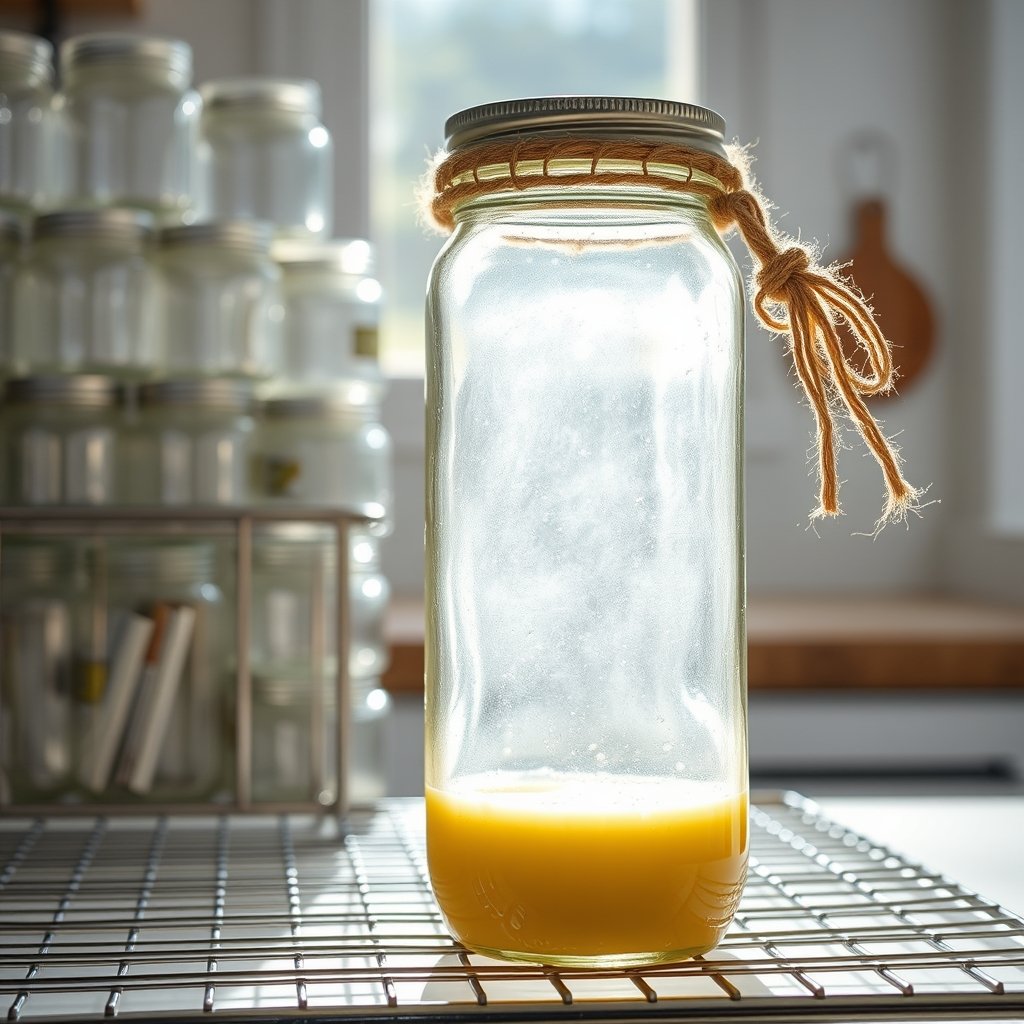 How Many Times Can Glass Jars Be Reused? Until Damaged
A glass jar can be safely reused indefinitely until it shows chips, cracks, cloudiness, or thread wear that…
-
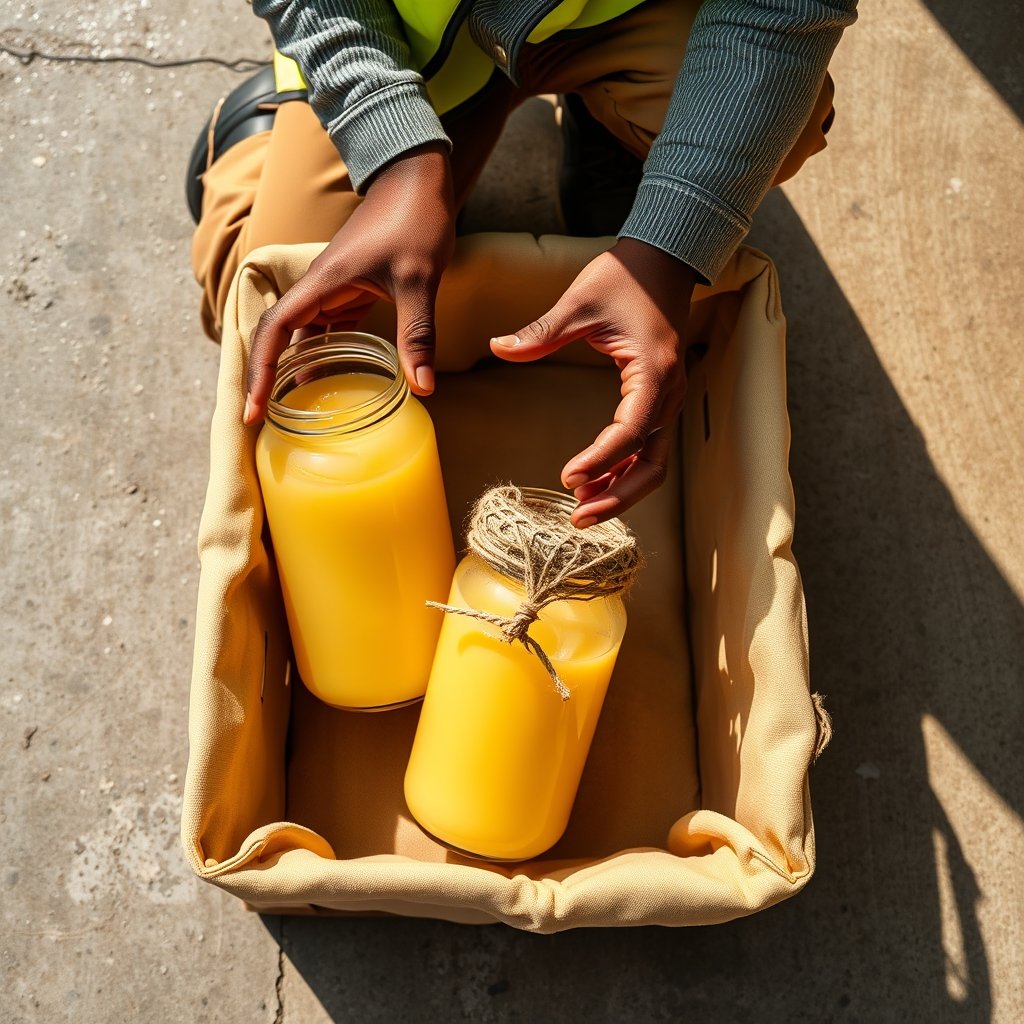 Ghee Jar Return Scheme: How Doorstep Pickups Work
A ghee jar return scheme lets you message your empty jar count for a free doorstep courier pickup, earning a…
-
 Glass vs Plastic: Glass Is Greener Only If Reused
Glass is greener than plastic only if reused multiple times, as heavier glass takes more transport fuel…
