
Glass vs Plastic: Glass Is Greener Only If Reused

Glass is greener than plastic for food packaging only when the glass jar is reused multiple times, because single-use glass requires more energy to manufacture and more fuel to transport while plastic leaves persistent waste in land and water after discard. In an honest assessment of food containers, neither material is perfect straight off the factory line. Glass starts with a heavy environmental footprint during production and shipping, while plastic carries a lower transport footprint but creates long-term disposal problems. Understanding how these two materials compare across their full lifecycle helps households make practical decisions for daily kitchen staples like cooking oils and ghee.
Why does glass have a higher initial transport impact than plastic?
Glass is heavy and rigid, requiring thick walls to handle standard transit across distribution networks. Because a single empty glass container weighs far more than an equivalent plastic tub, trucks carrying glass food jars consume more fuel per unit of food delivered. The high melting temperatures needed to shape raw sand into glass containers also demand significant energy during production. When a glass jar is thrown into a waste bin after a single use, the energy expended to make and haul that heavy container is entirely lost, making single-use glass less fuel-efficient than light plastic on its very first journey from farm to home.
How does plastic compare to glass across its life cycle?
Plastic containers are lightweight, flexible, and take less energy to manufacture and transport, but they present severe challenges once discarded. Derived from synthetic petrochemicals, plastic packaging breaks down extremely slowly into microparticles rather than degrading back into natural organic matter. In many kitchen routines and regional waste streams, discarded food plastic ends up in landfills or open dumps where stray animals can ingest it. Furthermore, thin plastic tubs can absorb food fats, retain old food odours, and degrade under heat, making them difficult to sanitize for safe long-term food storage at home.
| Factor | Glass Packaging | Plastic Packaging |
|---|---|---|
| Transport Weight | Heavier, requiring more fuel per shipment | Lighter, requiring less shipping fuel per unit |
| Food Safety & Taste | Non-porous, leaves zero chemical leaching or odour transfer | Can absorb fats, stain, or soften under kitchen heat |
| Reuse Potential | Can be washed, sterilised, and refilled indefinitely until damaged | Harder to sterilise thoroughly, degrades with hot washing |
| End-of-Life Impact | Inert material that does not release toxins into soil or water | Persists for generations, fragmenting into microplastics |
Our cows are not use and throw

A cow that stops giving milk is still our cow. She stays on the farm, with the same feed, the same shed and the same medical care she had when she was milking. We do not sell her on and we do not let her go. That is the whole basis of the ghee we make — you cannot ask an animal for her milk and then abandon her for it.
Our mission goes further than our own herd. There are cows on the street who are injured every day, who eat plastic, who cry through the night with nobody coming. We want to take them in. The plan is a chain of Organic Farmz gaushalas in several places, so that help is not one shed in one city but something a hurt animal can actually reach.
This takes more than we can carry alone — land, fodder, vets, hands. Come and join our initiative. Anything you give goes to feed, treat and shelter these cows.

Scan with any UPI app
Bank transfer
- Account name Organic Farmz
- Bank Indian Bank
- Account number 8133177322
- IFSC code IDIB000K555
- UPI ID organicfarmz@ptaxis
On a phone, the button above opens your UPI app directly — a QR on the screen you are reading cannot be scanned by that same screen. On a laptop, scan the code with your phone instead.
How many times must a glass jar be reused to be greener than plastic?
A glass jar becomes greener than a plastic tub only when it stays in circulation for multiple uses rather than being discarded after its contents are consumed. Each extra cycle of washing and refilling spreads the initial manufacturing energy and shipping weight across a larger volume of food. When households reuse glass jars for storing pulses, spices, and home preserves—or return them to the producer for professional cleaning—the environmental balance shifts decisively in favour of glass. Reusing existing glass avoids the raw material extraction and furnace emissions required to manufacture brand new containers from scratch.
Why does oil and ghee packaging make glass choice critical?
Traditional Indian kitchen fats like A2 Gir cow ghee prepared through the slow bilona method require packaging that preserves subtle aroma, fat structure, and natural grain without chemical interference. Glass is completely non-porous and chemically inert, meaning it will never react with warm ghee, absorb moisture from humid air, or transfer plasticiser smells into the fat. In Ayurveda and traditional Indian culinary history, pure glass or ceramic vessels were favoured because they kept stored fats clean and stable across changing seasonal weather without degrading the contents inside.
How does the Organic Farmz jar return scheme work?
To make glass packaging genuinely sustainable, Organic Farmz runs a system where customers send back their empty glass jars to be refilled. When your ghee jar is empty, you simply send a WhatsApp message stating how many empties you have waiting at home. A doorstep courier pickup is arranged at no cost to you, and a discount credit is applied directly toward your next order of ghee, with no expiration date and no minimum jar count required. At the kitchen, every returned jar undergoes thorough washing, high-temperature sterilisation, and manual inspection. Any jar showing chips, cracks, or cloudiness is retired safely, while sound jars are refilled with fresh bilona ghee. To maintain hygienic standards, only original Organic Farmz jars are accepted into this program. You can check the current discount value per jar on the Green India jar return page and keep your kitchen glass circulating cleanly for years.
Taste the difference
Small-batch A2 Gir cow ghee, hand-churned to order and delivered across India. Read how we make it if you want the detail first.
Order a jarKeep reading
-
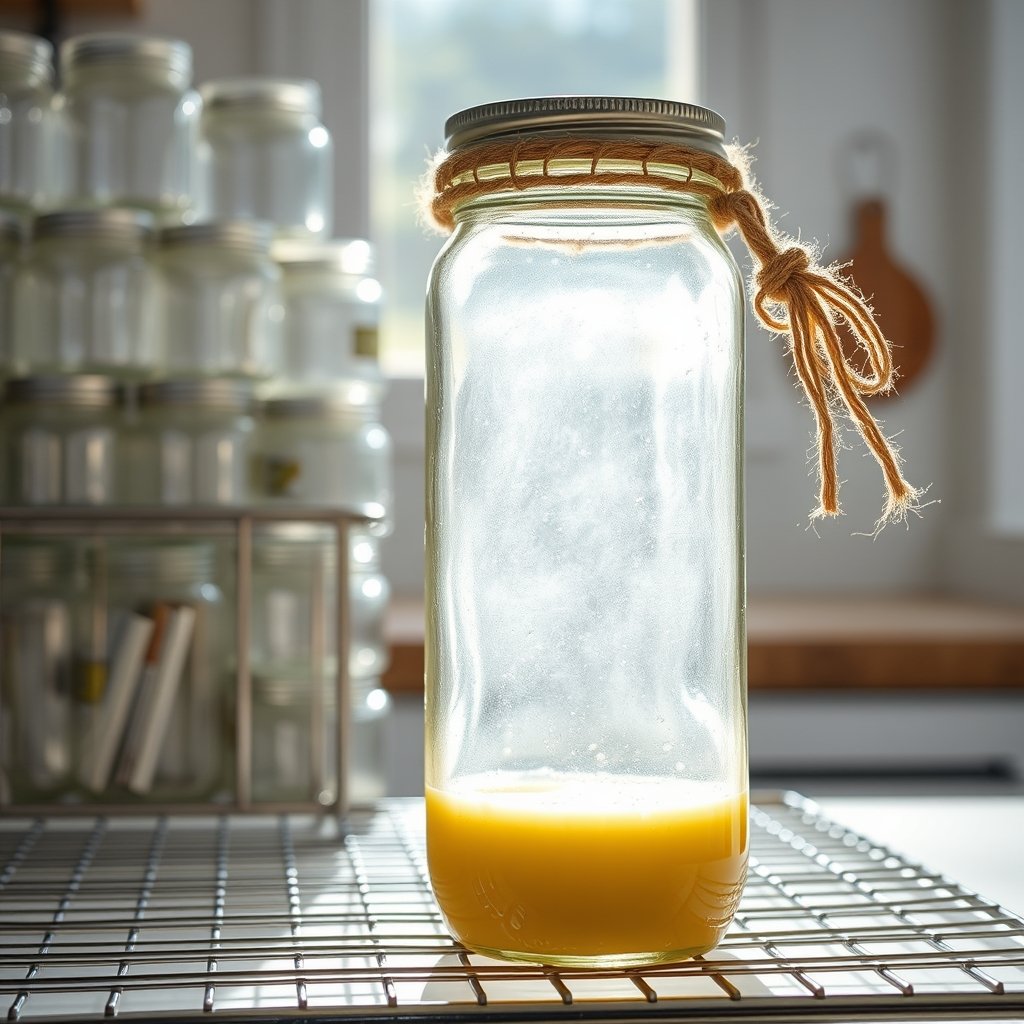 How Many Times Can Glass Jars Be Reused? Until Damaged
A glass jar can be safely reused indefinitely until it shows chips, cracks, cloudiness, or thread wear that…
-
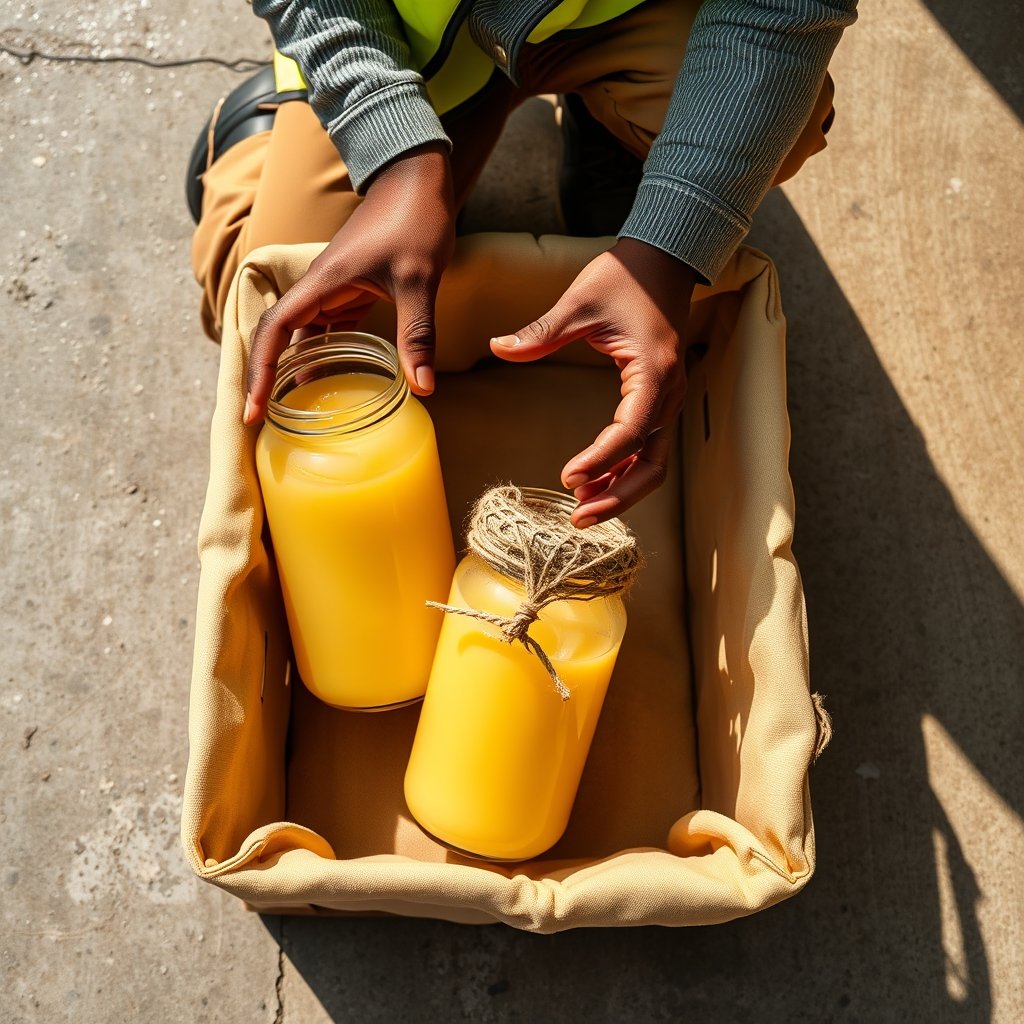 Ghee Jar Return Scheme: How Doorstep Pickups Work
A ghee jar return scheme lets you message your empty jar count for a free doorstep courier pickup, earning a…
-
 How Returned Glass Jars Are Sterilised: Process
Returned glass jars are sterilised through sorting, soaking, thorough washing, heat processing, and light…
