
How Returned Glass Jars Are Sterilised: Process

Returned glass jars are sterilised through a dedicated multi-step routine of physical sorting, deep soaking to loosen fat layers, thorough washing, thermal steam processing, and individual light inspection before refill. Reusing durable glass packaging reduces kitchen waste, but ensuring food safety requires a strict, repeatable sanitisation process rather than simple home washing. Every container that re-enters the kitchen must reach the exact hygiene standard as a brand-new container before it is filled with traditional A2 Gir cow ghee made by the bilona method.
What happens when a returned jar arrives at the farm?
When returned glass jars arrive at the production facility, workers sort them individually before any cleaning begins. Only jars manufactured specifically for Organic Farmz are accepted into this line, because the kitchen staff knows the exact glass thickness, structural strength, and neck shape of these containers. Sorting separates containers with hairline cracks, chipped rims, or non-food contamination. Any container showing physical damage or irreversible cloudiness is immediately retired from the line for glass recycling rather than cleaning.
How are stubborn ghee residues removed from glass?
Ghee residues are removed by soaking returned containers in deep tanks of hot water mixed with plant-safe cleaning agents until clinging butterfats soften and release from the walls. Because traditional bilona ghee contains rich natural fats that solidify on cool glass surfaces, standard cold water rinsing cannot break down the oily layer. After soaking, each jar undergoes mechanical scrub washing to clear internal corners, outer walls, and neck threads. Multiple rinses with clear water follow to carry away all wash solutions, leaving the glass completely bare before thermal sanitisation begins.
How are returned jars sterilised for kitchen reuse?
Returned glass jars are sterilised using high-heat thermal steam that clears microscopic surface contaminants without leaving chemical residues behind. Clean jars pass through a automated steam chamber where pressurized heat covers all interior and exterior glass surfaces. Thermal sterilisation ensures that the container is fully sanitised before coming into contact with fresh food. Once thermal processing is complete, jars dry in an enclosed drying room fed with filtered air to prevent dust or ambient particles from landing on the warm glass.
Our cows are not use and throw

A cow that stops giving milk is still our cow. She stays on the farm, with the same feed, the same shed and the same medical care she had when she was milking. We do not sell her on and we do not let her go. That is the whole basis of the ghee we make — you cannot ask an animal for her milk and then abandon her for it.
Our mission goes further than our own herd. There are cows on the street who are injured every day, who eat plastic, who cry through the night with nobody coming. We want to take them in. The plan is a chain of Organic Farmz gaushalas in several places, so that help is not one shed in one city but something a hurt animal can actually reach.
This takes more than we can carry alone — land, fodder, vets, hands. Come and join our initiative. Anything you give goes to feed, treat and shelter these cows.

Scan with any UPI app
Bank transfer
- Account name Organic Farmz
- Bank Indian Bank
- Account number 8133177322
- IFSC code IDIB000K555
- UPI ID organicfarmz@ptaxis
On a phone, the button above opens your UPI app directly — a QR on the screen you are reading cannot be scanned by that same screen. On a laptop, scan the code with your phone instead.
How does thermal sterilisation compare to home washing?
A standard kitchen sink wash works well for daily cooking vessels, but commercial thermal sterilisation delivers the controlled hygiene needed for long-term food storage. The process removes all fat traces and prepares the glass for an airtight seal.
| Cleaning Stage | Household Sink Wash | Farm Thermal Sterilisation |
|---|---|---|
| Fat Breakdown | Manual scrubbing with soap and warm tap water | Deep soaking in temperature-controlled wash tanks |
| Sterilisation Method | Hot tap rinse without temperature regulation | High-heat thermal steam treatment in sealed chambers |
| Drying Environment | Open air dish rack exposed to room dust | Enclosed drying chamber with filtered airflow |
| Quality Verification | Quick visual check by hand | High-intensity light inspection for clarity and rim chips |
Why are some returned glass jars retired instead of refilled?
Returned glass jars are retired whenever inspection reveals physical wear, micro-cracks, rim chips, or permanent glass hazing under inspection lights. After sterilisation and drying, an inspector holds every container against a high-intensity lamp. The inspector checks the rim where the lid seal rests, looking for microscopic chips that could prevent a tight seal. They also inspect the clarity of the walls. Glass that has developed structural stress marks or cloudy patches is permanently removed from the line to maintain packaging integrity for Indian home cooking and ayurvedic uses.
How can you return your empty glass jars?
You can return your empty glass containers by arranging a doorstep pickup through the Green India jar return initiative. To start a return, send a simple WhatsApp message stating how many empty jars you have ready for collection. A courier is sent to your door at no cost to you, taking the packed glass containers directly back to the kitchen. Every returned jar earns a store discount on your next order of traditional bilona ghee, with no minimum quantity required and no expiration date on your credit. The current discount value per jar is listed on the main page, where you can check details before requesting your pickup.
Taste the difference
Small-batch A2 Gir cow ghee, hand-churned to order and delivered across India. Read how we make it if you want the detail first.
Order a jarKeep reading
-
 Glass vs Plastic: Glass Is Greener Only If Reused
Glass is greener than plastic only if reused multiple times, as heavier glass takes more transport fuel…
-
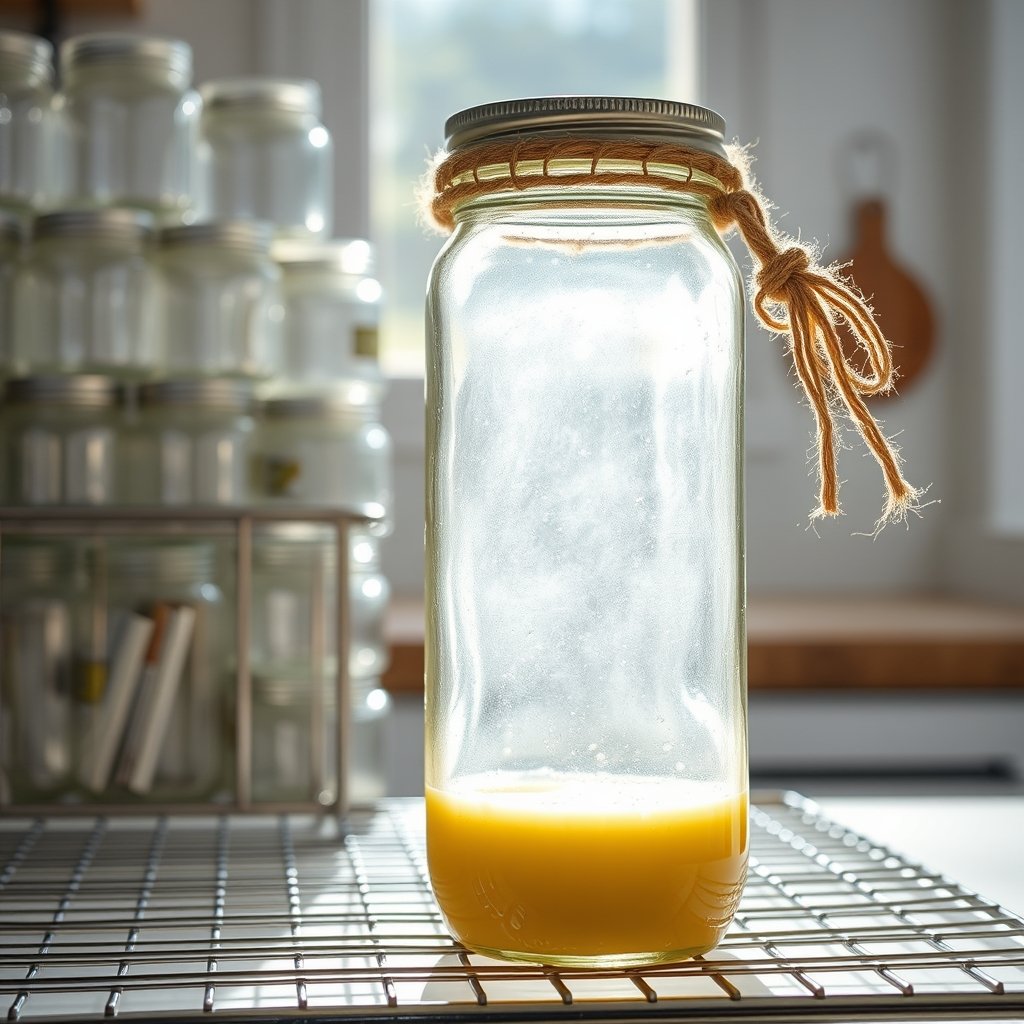 How Many Times Can Glass Jars Be Reused? Until Damaged
A glass jar can be safely reused indefinitely until it shows chips, cracks, cloudiness, or thread wear that…
-
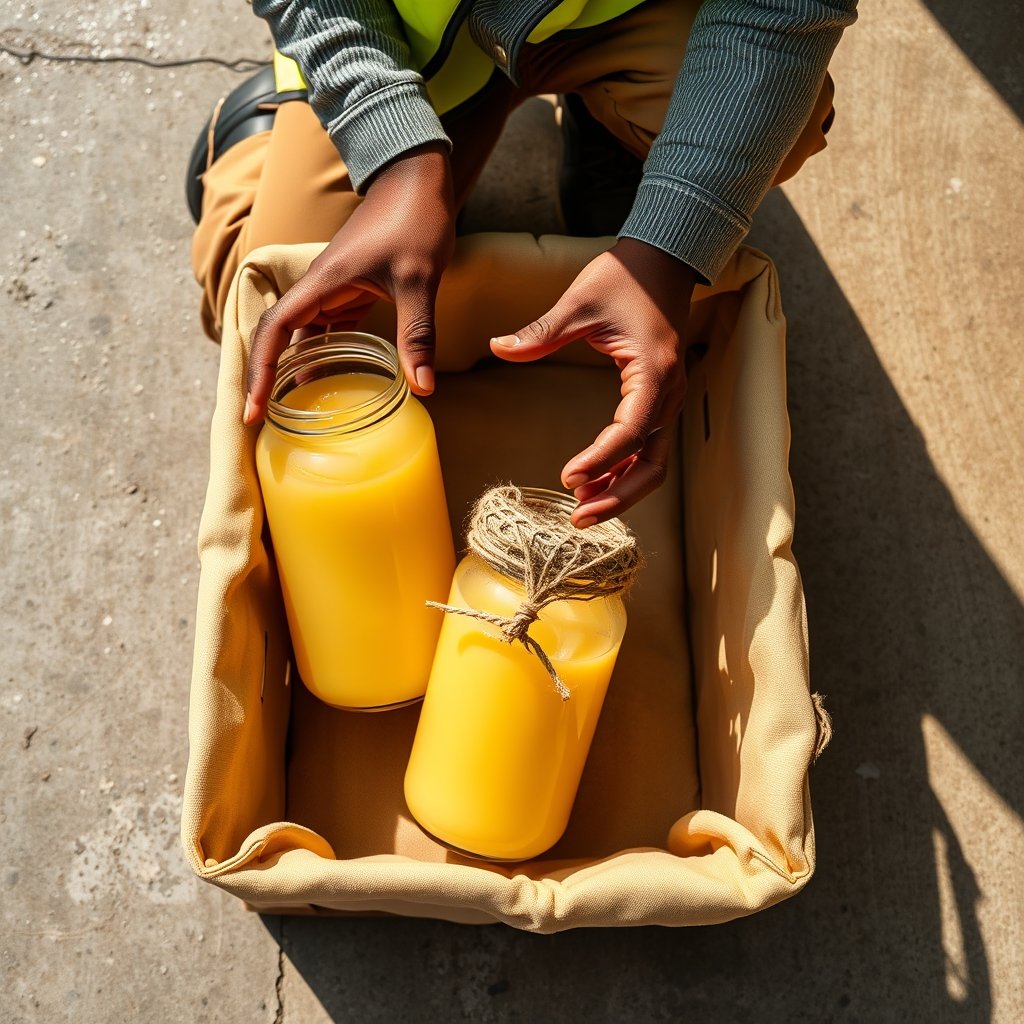 Ghee Jar Return Scheme: How Doorstep Pickups Work
A ghee jar return scheme lets you message your empty jar count for a free doorstep courier pickup, earning a…
