
Ghee Without Batch Number: Traceability Protects You
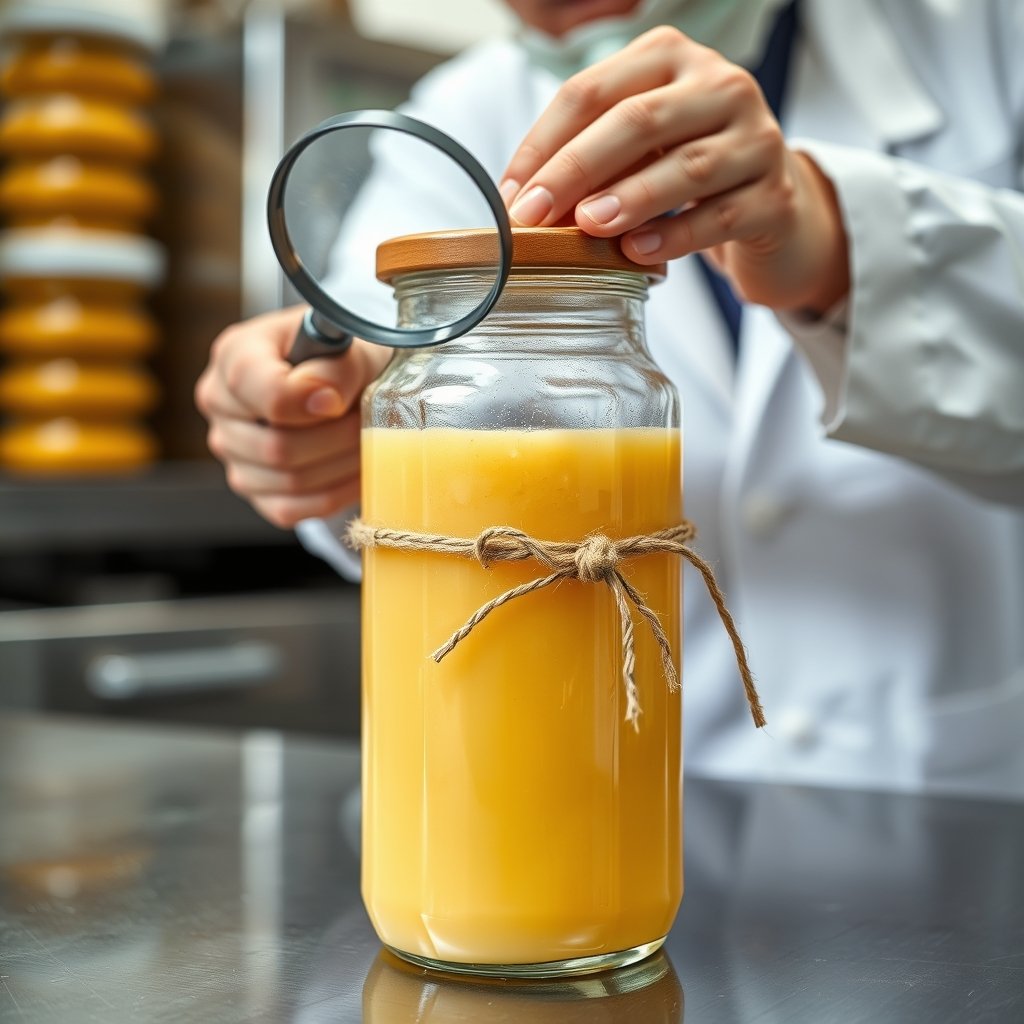
Buying a ghee jar without a batch code leaves you unable to verify when the fat was churned, which milk lot was used, or how to claim a replacement if the product is spoiled. A missing batch number strips away the chain of custody, leaving you with no technical proof of when or how the butter fat was processed.
Why is a batch code printed on a ghee jar?
A batch code serves as the unique identification number linking a specific jar of ghee to its precise production run, milk procurement log, and churning date. Mandated by food safety authorities such as the Food Safety and Standards Authority of India (FSSAI), this code enables makers to monitor every step of the supply chain. In authentic A2 Gir cow ghee production, milk is collected daily, cultured into curd overnight, hand-churned using the traditional bilona method, and simmered over mild heat to separate pure fat. The batch code records these daily operational parameters, ensuring that if a specific day's milk yield or curd fermentation varies, the producer can reference the exact logs for that lot.
What risks do you take with an unmarked ghee jar?
Cooking with an unmarked jar of ghee exposes your home kitchen to unverified shelf age, uncertain storage history, and zero customer support recourse. Without a clear batch mark, you cannot determine if the ghee sitting on your pantry shelf was churned two weeks ago or stored in an unregulated warehouse for over a year. Exposure to heat and light over extended periods breaks down butterfat, leading to oxidation and unpleasant rancid smells. If you open a jar and notice a sour aroma, strange grain texture, or off-taste while tempering dal or making festive sweets, the brand cannot investigate the issue without a batch reference. Uncoded packaging prevents targeted quality checks, effectively shifting all product defect risks onto the consumer.
Our cows are not use and throw

A cow that stops giving milk is still our cow. She stays on the farm, with the same feed, the same shed and the same medical care she had when she was milking. We do not sell her on and we do not let her go. That is the whole basis of the ghee we make — you cannot ask an animal for her milk and then abandon her for it.
Our mission goes further than our own herd. There are cows on the street who are injured every day, who eat plastic, who cry through the night with nobody coming. We want to take them in. The plan is a chain of Organic Farmz gaushalas in several places, so that help is not one shed in one city but something a hurt animal can actually reach.
This takes more than we can carry alone — land, fodder, vets, hands. Come and join our initiative. Anything you give goes to feed, treat and shelter these cows.

Scan with any UPI app
Bank transfer
- Account name Organic Farmz
- Bank Indian Bank
- Account number 8133177322
- IFSC code IDIB000K555
- UPI ID organicfarmz@ptaxis
On a phone, the button above opens your UPI app directly — a QR on the screen you are reading cannot be scanned by that same screen. On a laptop, scan the code with your phone instead.
How does a batch code connect to traditional bilona production?
Traditional bilona ghee is prepared in small, distinct batches rather than continuous industrial streams, making lot numbering essential for quality control. Because true bilona ghee relies on natural curd fermentation of A2 Gir cow milk, micro-variations in seasonal grass feed, local weather, and slow-churning times occur naturally from batch to batch. Printing a batch code reflects a commitment to small-batch craft standards. It demonstrates that the maker tracks each pot of curd churned, monitors the final clarify temperature during simmering, and inspects the resulting golden granules before sealing the glass jars. In Ayurvedic tradition, purity and origin are central to food quality, and a traceable batch code respects this need for clear sourcing.
How do batch-coded jars compare to uncoded jars?
Evaluating the differences between coded and uncoded ghee packaging highlights how labeling directly impacts kitchen safety and transparency.
| Feature | Jar With Batch Code | Jar Without Batch Code |
|---|---|---|
| Milk Origin Traceability | Linked to specific farm procurement logs | Unknown milk source and unverified herd location |
| Production Date | Clearly printed with churn date and shelf life | Undated, making freshness impossible to check |
| Quality Recourse | Brand can isolate issues and replace jars | No manufacturer tracking or replacement support |
| Regulatory Compliance | Meets standard food labeling guidelines | Non-compliant with standard food safety codes |
What should you do if your ghee jar has no batch code?
If a ghee jar arrives at your kitchen missing its batch code or manufacturing details, refrain from using it until you contact the brand. Reach out to customer service with your order details or purchase receipt to ask for the corresponding lot information. Responsible producers who craft authentic A2 Gir cow bilona ghee maintain complete digital records of dispatch dates and will happily resolve label errors or replace unmarked stock. In your daily home cooking, always insist on clearly stamped glass jars to guarantee that your household consumes fresh, pure ghee made with complete transparency.
Taste the difference
Small-batch A2 Gir cow ghee, hand-churned to order and delivered across India. Read how we make it if you want the detail first.
Order a jarKeep reading
-
 Reading Dairy Seals: Standard Symbols on Ghee Jars
Dairy seals on ghee jars confirm licensing and standard compliance. Check packaging for clear registration…
-
 Private Label Ghee: Both FSSAI Numbers Required
A private label ghee jar must show both the brand owner's FSSAI license number and the manufacturer's FSSAI…
-
 Glass vs Plastic: Glass Is Greener Only If Reused
Glass is greener than plastic only if reused multiple times, as heavier glass takes more transport fuel…
