
Ghee Rice: The Simplest Way to Taste Your Ghee
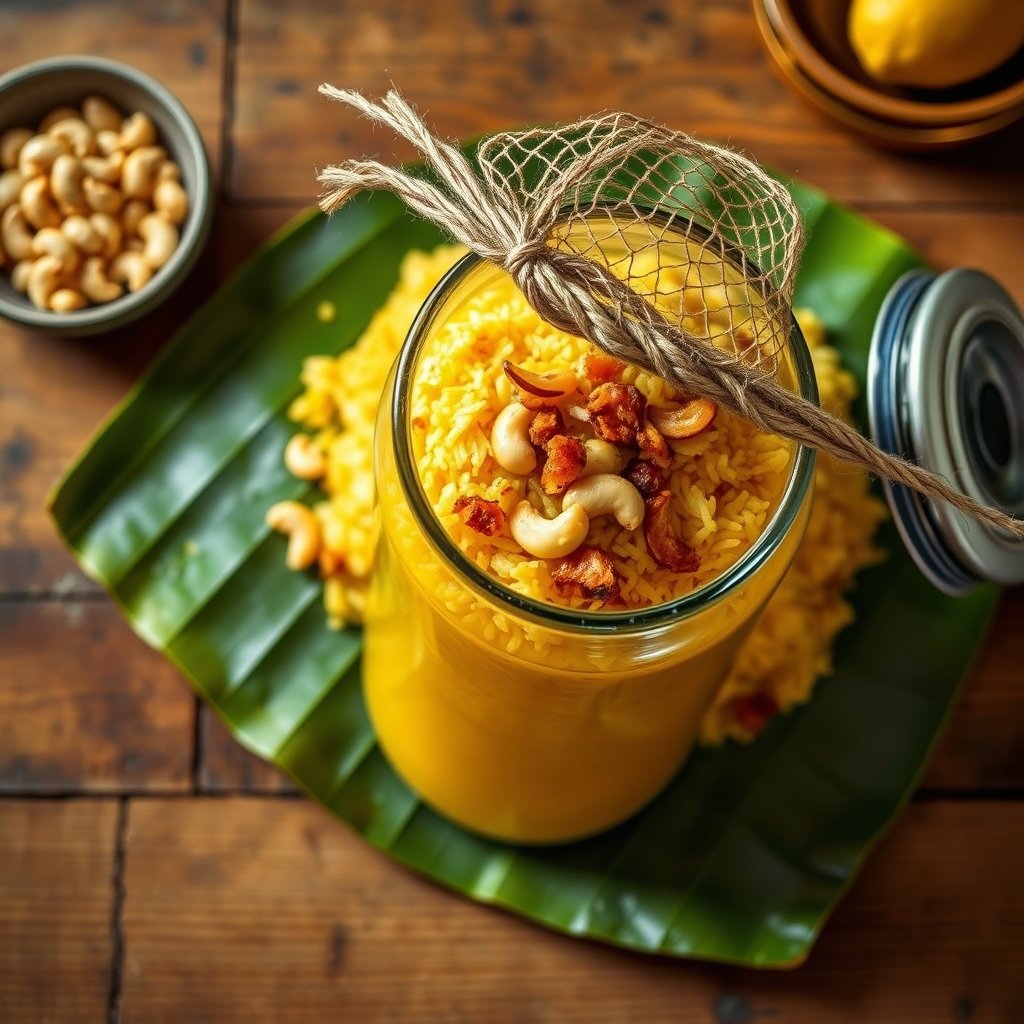
Ghee rice is made by sautéing whole spices and rinsed long-grain rice in warm ghee before simmering the grains in water until tender and infused with aroma. When cooked with minimal spices, this understated dish acts as the ultimate test for your fat of choice. Because there are no heavy masala powders or sour tomato bases to overpower the palate, every grain of rice absorbs and displays the quiet sweetness, subtle nutty notes, and granular finish of true bilona ghee.
What Ingredients Do You Need for Simple Ghee Rice?
To make classic South Indian style Neychoru or simple home-style ghee rice, you need basic cupboard staples that allow the fat's natural perfume to take center stage:
- 1 cup long-grain Basmati rice (or aromatic short grains like Jeerakasala or Seeraga Samba)
- 2 tablespoons pure A2 Gir cow ghee made using the traditional bilona method
- Whole spices: 1 bay leaf, 2 green cardamom pods, 3 cloves, and a 1-inch cinnamon stick
- 1/2 cup thinly sliced red onions or shallots
- 2 cups fresh water
- Salt to taste
- 10 cashews and 10 raisins for garnish (optional)
How Do You Prepare Ghee Rice Step by Step?
The recipe follows a gentle cooking sequence that ensures grains remain separate while fully absorbing the fragrant ghee.
First, wash one cup of rice under cool water until the water runs clear, then soak it in fresh water for 20 minutes. Drain completely. Soaking softens the outer starch layer, helping the grains expand evenly without breaking when tossed in warm fat.
Second, place a heavy-bottomed pot or handi over medium-low heat and melt two tablespoons of bilona A2 Gir cow ghee. Add the whole spices—the cardamom, cloves, cinnamon, and bay leaf. Let them crackle for twenty seconds until their oils warm up in the ghee. The fat catches those woodsy, sweet notes immediately.
Third, add the sliced onions to the pot. Cook slowly over medium heat until they turn soft and translucent, leaning slightly golden at the edges. If you wish to add garnishes, fry the cashews and raisins in the ghee first until golden, remove them with a slotted spoon, and proceed with the onions in the remaining fat.
Fourth, gently pour the drained rice directly into the pan. Stir for one to two minutes using a soft wooden spoon. Sautéing raw rice in ghee coats each individual grain with a thin layer of fat, preventing cooked rice from clumping and locking in a buttery depth.
Fifth, add two cups of water and salt to taste. Bring the water to a gentle boil, then turn the flame to its lowest setting. Cover the pot tightly with a fitted lid and let it simmer undisturbed for 10 to 12 minutes. Once the liquid is absorbed, turn off the stove and let the pot rest covered for another 5 minutes to steam. Fluff gently with a fork and serve hot.
How Does Bilona A2 Ghee Compare to Other Cooking Fats in Rice?
Using hand-churned cultured ghee yields a noticeably different taste and texture compared to refined oils or commercial cream-separated fats.
| Feature | Bilona A2 Gir Cow Ghee | Refined Cooking Oil | Commercial Cream-Separated Ghee |
|---|---|---|---|
| Aroma & Taste | Deep, cultured warmth with natural nutty undertones | Neutral taste; relies entirely on added spices | Mild greasy aroma; lacks slow-cooked curd depth |
| Texture on Rice | Coats grains lightly with a soft, non-sticky sheen | Slick outer coat; can render rice oily if overused | Dense coat that can settle heavily at the bottom |
| Traditional Process | Made by churning cultured curd with a two-way bilona | Industrial chemical extraction and refining | Direct cream separation heated at high temperatures |
Why Does Bilona A2 Gir Cow Ghee Make a Difference in Rice Dishes?
In simple dishes like ghee rice, the method of fat extraction dictates the entire eating experience. Traditional bilona ghee starts by boiling milk from Gir cows, setting it into curd, and churning that curd bi-directionally to yield fresh makkhan (butter). This butter is then slowly cooked over a low flame until the water evaporates and rich, golden granules settle at the bottom.
This patient process creates a complex, naturally fragrant profile that commercial single-step fats cannot match. When stirred into warm basmati, bilona ghee melts instantly into the hot grain, releasing lingering notes of toasted milk solids and sweet meadow grass. The natural granule structure coats each grain evenly, leaving a clean, pleasant finish on the tongue.
How Can You Serve Ghee Rice According to Ayurvedic Cooking?
In Ayurvedic home traditions, rice paired with ghee is prized as a grounding, balanced meal that is easy on the digestive tract. The warm, lubricating nature of ghee softens cooked grains and helps carry the subtle spices into the dish.
To keep the meal comforting and easy to digest, pair your ghee rice with a simple yellow moong dal, a mild coconut milk gravy, or roasted seasonal vegetables. Using gentle whole spices like cardamom and cinnamon helps warm the digestive system while complementing the sweet, rich nature of pure A2 Gir cow ghee. Serving the dish hot ensures the fat remains fluid and delightfully aromatic from the first bite to the last.