
Ghee Lamps: Why Diyas Use Ghee, Not Oil
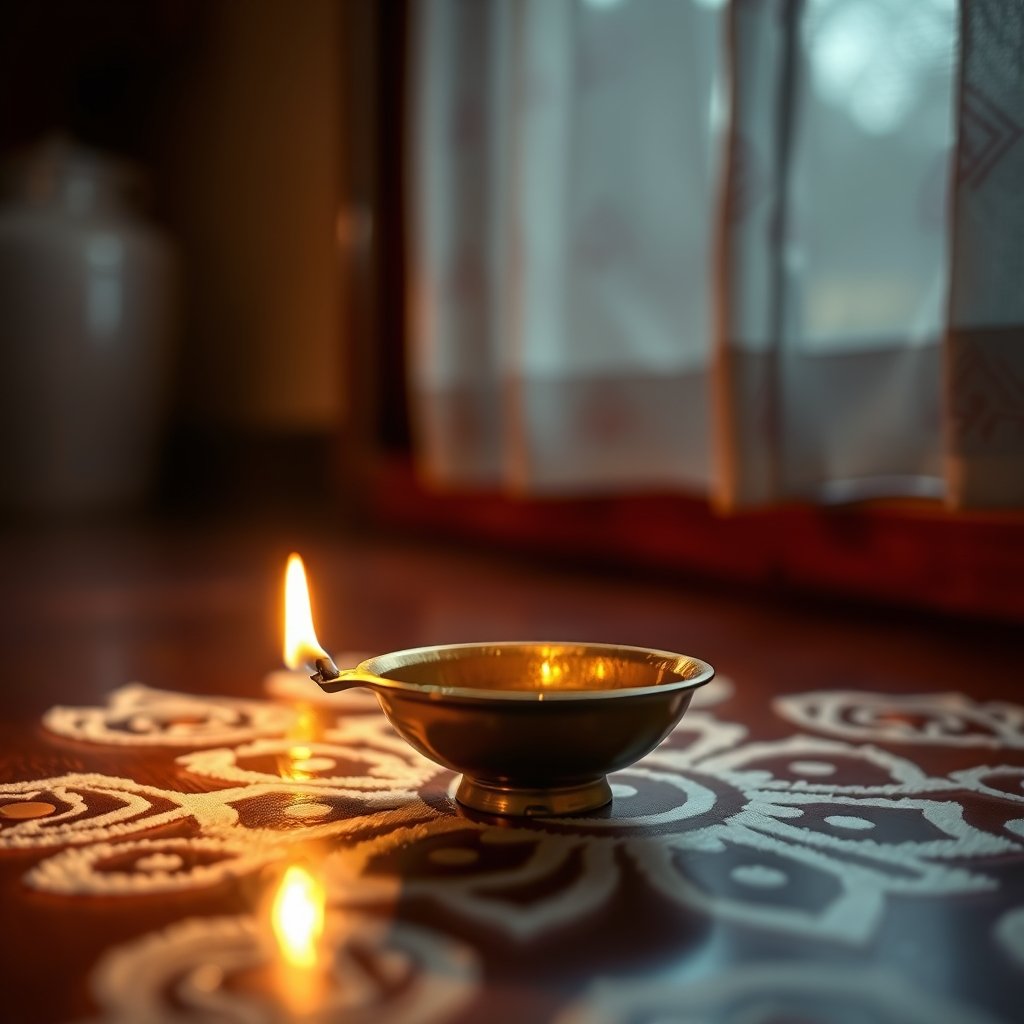
Diyas use ghee instead of oil primarily because pure cow ghee produces a clean, steady, virtually soot-free flame while releasing a faint, comforting fragrance that tradition associates with calm and clarity. Across generations of Indian homes, placing a brass or clay lamp filled with golden ghee at the altar has remained a daily rhythm, preferred whenever possible over common pressed seed oils.
Why does tradition prefer ghee over vegetable oils for lighting diyas?
In Indian classical thought, foods and materials are understood through their subtle qualities. Ghee, especially when prepared from the curd of indigenous cow milk through the traditional bilona churning method, is classified as strictly sattvic. Sattvic items are regarded as peaceful, pure, and uplifting, making them the natural choice when lighting a lamp for prayer, meditation, or morning contemplation.
Vegetable oils such as mustard oil or sesame (til) oil also have an ancient place in Indian homes, yet they carry different attributes. Mustard oil is pungent and warming, often reserved for specific festivals, outdoor courtyards, or protective customs. Til oil is deeply respected in temple worship across South India, where its grounding nature is treasured. However, for everyday household shrines, quiet family prayer corners, and quiet evening aartis, cow ghee has always stood first. Tradition views ghee as the complete offering: transformed from pasture grass to milk, turned into curd, churned by hand into butter, and gently simmered into liquid clarity.
How does the flame of a ghee diya differ from an oil lamp?
The physical behavior of a burning ghee diya differs noticeably from one fueled by plant oils. Pure clarified butter consists almost entirely of stable milk fats with moisture and milk solids simmered away. When drawn through a hand-rolled cotton wick, ghee vaporizes smoothly without sputtering.
The flame of a ghee lamp is distinctive: it produces a luminous, warm golden light that burns steadily without flickering erratically in still indoor air. Crucially, a well-trimmed ghee wick leaves very little soot on nearby brass idols, walls, or marble mandir ledges. Vegetable oils, by contrast, contain diverse fatty acid structures and trace plant compounds that tend to leave a dark ring of carbon residue around the rim of the diya and on overhead surfaces over time. The aroma is also quiet and pleasant, carrying a warm, faintly nutty note rather than the pungent or heavy scent that pressed seed oils leave in closed rooms.
How do ghee and oil compare in a diya?
Both ghee and plant oils have honored places in Indian rituals, but their physical and aromatic differences are easy to observe in everyday use.
| Feature | Cow Ghee Diya | Sesame or Mustard Oil Diya |
|---|---|---|
| Flame Quality | Clear, warm golden, quiet, and exceptionally steady | Brighter or sharper flame; can flicker more easily in light drafts |
| Soot & Residue | Minimal soot; leaves brass clean and easy to wash | Leaves dark carbon deposit around the rim and on nearby walls |
| Aroma | Soft, sweet, nutty fragrance that dissipates cleanly | Strong earthy or pungent aroma that lingers in closed rooms |
| Ayurvedic Classification | Sattvic: gentle, soothing, and clarifying | Rajasic or Tamasic: warming, heavy, and grounding |
| Solidification | Naturally solidifies in cooler months; melts as wick warms | Remains liquid across most temperatures year-round |
How do you prepare a ghee diya so it burns steadily?
Preparing a ghee diya properly ensures it burns completely without drowning the wick or extinguishing prematurely. Begin with a clean clay or brass lamp. If you are using solid ghee in the winter, warm a spoonful gently until it turns liquid, or simply press a small portion of soft ghee directly around the base of the wick.
The choice of wick matters as much as the fat. Long hand-rolled wicks made of raw, unbleached cotton draw ghee evenly. For round brass lamps, a standing flower wick (phool batti) works particularly well. Dip the tip of the wick thoroughly into liquid ghee before lighting so the flame catches immediately without burning down the dry cotton thread first. Keep the flame sheltered from direct fan drafts to allow the fat to feed upward at an even, leisurely pace.
Does bilona ghee make a practical difference in ritual lamps?
Many families wonder whether using handcrafted bilona ghee from indigenous Gir cows is necessary for a simple lamp, or if standard commercial ghee suffices. From a purely functional standpoint, any pure, unadulterated cow ghee will burn cleanly. However, Indian ritual culture has never separated utility from reverence.
Traditional bilona ghee is prepared by culturing whole Gir cow milk into curd, churning it with a wooden bilona to separate makkhan, and heating that butter slowly over a low hearth. Because it is never subjected to harsh industrial solvent processing or high-heat fractionation, it retains its natural aromatic profile and honest purity. Lighting a diya with pure A2 Gir cow ghee honors the labor and natural cycle behind the jar, filling the home with a quiet, grounding light that feels true to the purpose of the ritual.
Taste the difference
Small-batch A2 Gir cow ghee, hand-churned to order and delivered across India. Read how we make it if you want the detail first.
Order a jarKeep reading
-
 Traditional Uses of Ghee Beyond Cooking
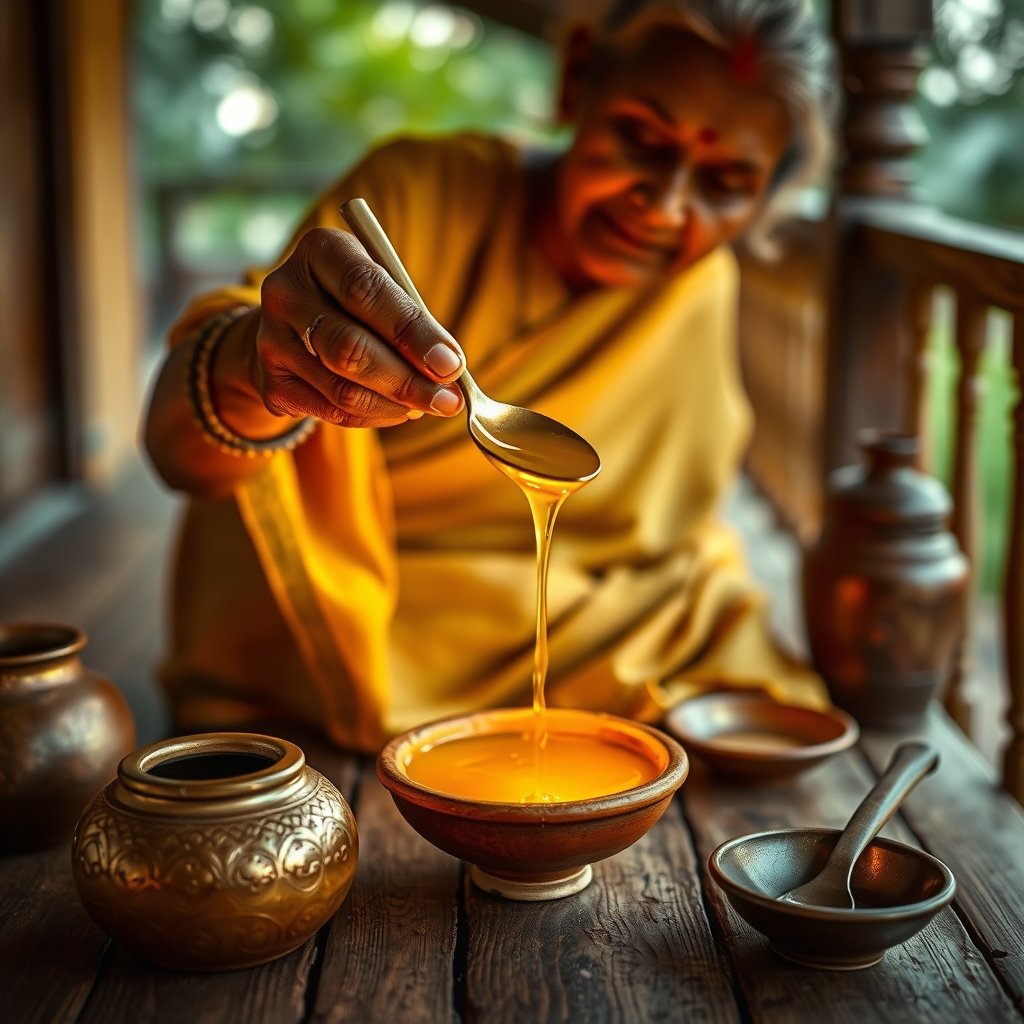
Ghee has long been used in Indian households for applications outside of the kitchen, including massage and…
Traditional Uses of Ghee Beyond Cooking
Ghee has long been used in Indian households for applications outside of the kitchen, including massage and…
-
 Why Real Ghee Has a Smell and Refined Fats Do Not
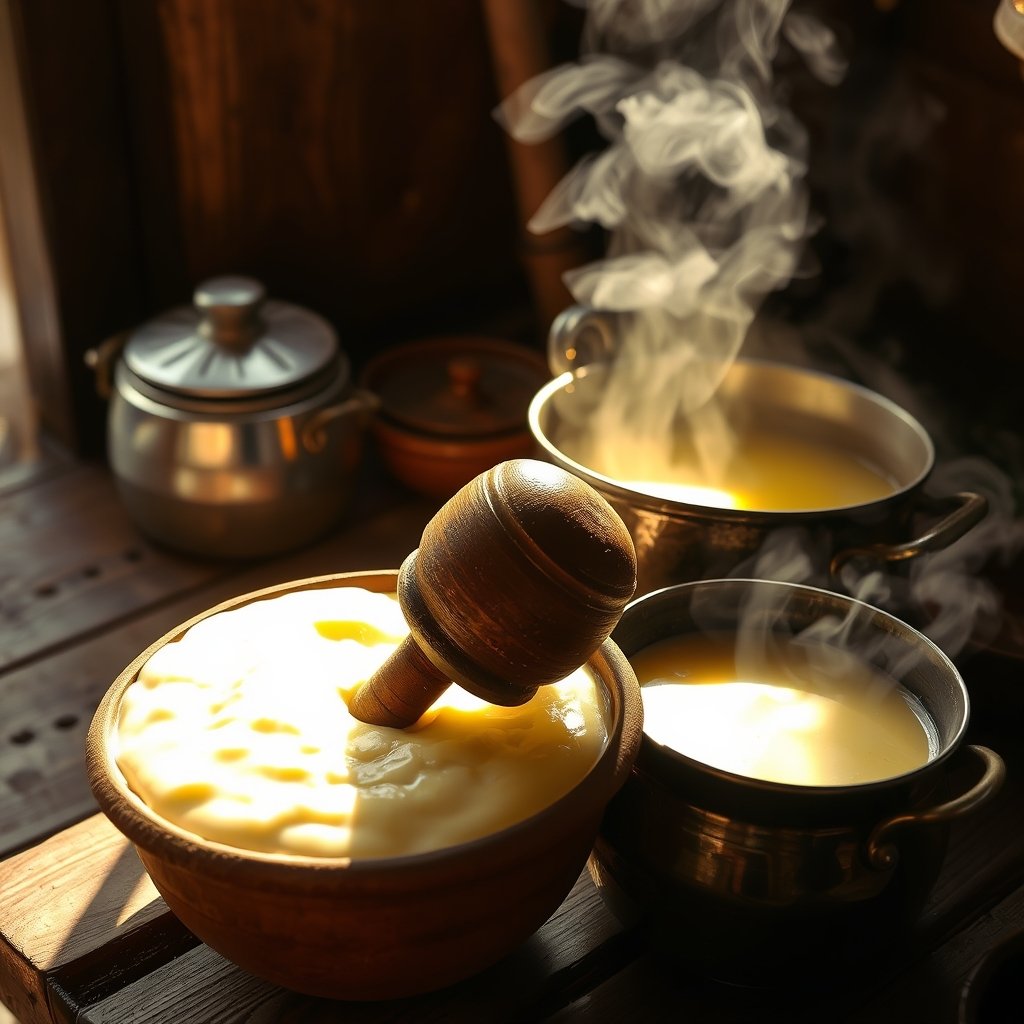
Discover why traditional bilona ghee carries a rich, nutty aroma while modern refined fats are odorless, and…
Why Real Ghee Has a Smell and Refined Fats Do Not
Discover why traditional bilona ghee carries a rich, nutty aroma while modern refined fats are odorless, and…
-
 Which Ghee Is Best for Babies to Adults: Choosing by Use, Not Hype
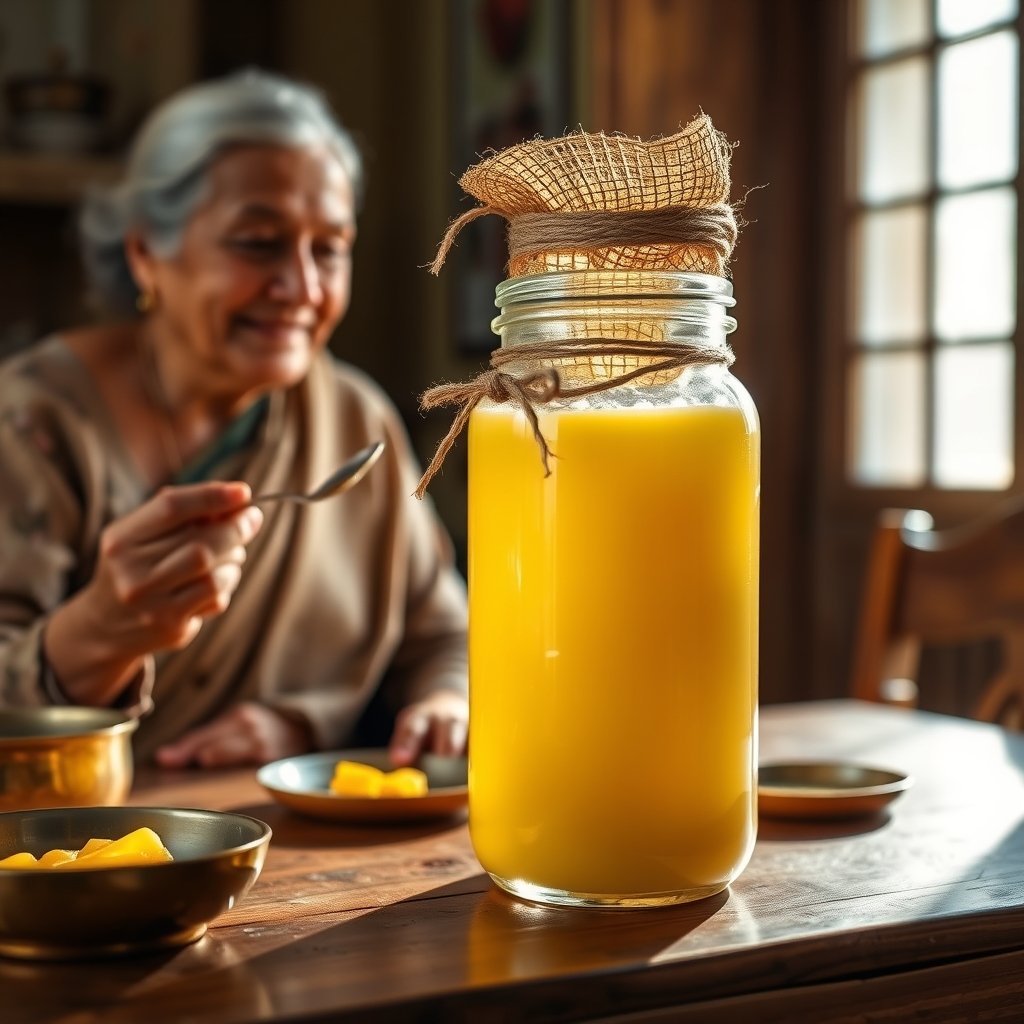
When searching for the best ghee for your family, the answer lies in the traditional bilona method and A2…
Which Ghee Is Best for Babies to Adults: Choosing by Use, Not Hype
When searching for the best ghee for your family, the answer lies in the traditional bilona method and A2…