
Best Ghee for Pooja, Diyas and Prasad: A2 Gir Cow Ghee
What makes a ghee suitable for pooja and diyas?
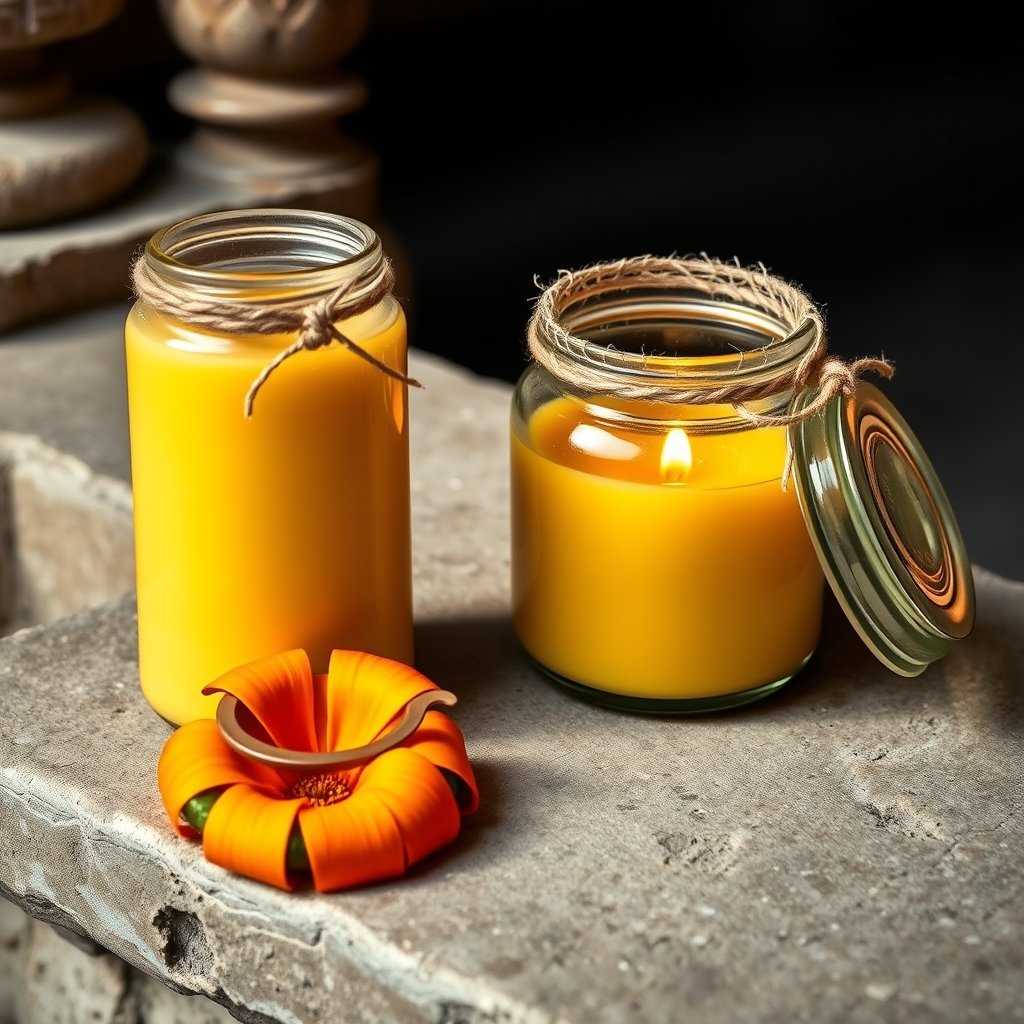
The best ghee for pooja, diyas and prasad is pure A2 Gir cow ghee made by the traditional bilona method because it burns cleanly, leaves minimal residue in brass lamps, and holds a steady flame. When lighting a diya during daily morning rituals or evening aarti, families look for a fat source that lights easily with a cotton wick and stays lit without sputtering or smoking excessively. Pure dairy fats derived from indigenous cow milk perform reliably in brass and earthenware lamps, creating the bright, steady illumination that traditional Indian households cherish.
Why do traditional households prefer A2 Gir cow ghee for rituals?
Traditional Indian homes prefer A2 Gir cow ghee for rituals because it aligns with ancient ayurvedic texts that emphasize purity and unadulterated ingredients for sacred spaces. The milk of indigenous Gir cows contains exclusively A2 beta-casein protein, which carries deep cultural and dietary significance across generations. When this milk is turned into curd, churned into makkhan, and slowly heated into ghee according to traditional bilona steps, the resulting golden liquid retains its natural aroma and integrity. Using this artisanal fat in the puja room reflects a commitment to offering only the finest quality items to the deities.
How does bilona ghee behave in a cotton wick diya?
Bilona ghee behaves exceptionally well in a cotton wick diya by melting smoothly, traveling steadily up the thread, and burning with a clear, calm flame. Unlike heavily processed or solvent-extracted fats that can clog wicks or produce an acrid smell as they heat up, slow-churned A2 ghee burns with a subtle, pleasant warmth. It liquefies evenly around the flame, ensuring that the lamp stays lit for extended periods during long festive ceremonies or continuous akhand jyoti practices without requiring constant tending.
Our cows are not use and throw
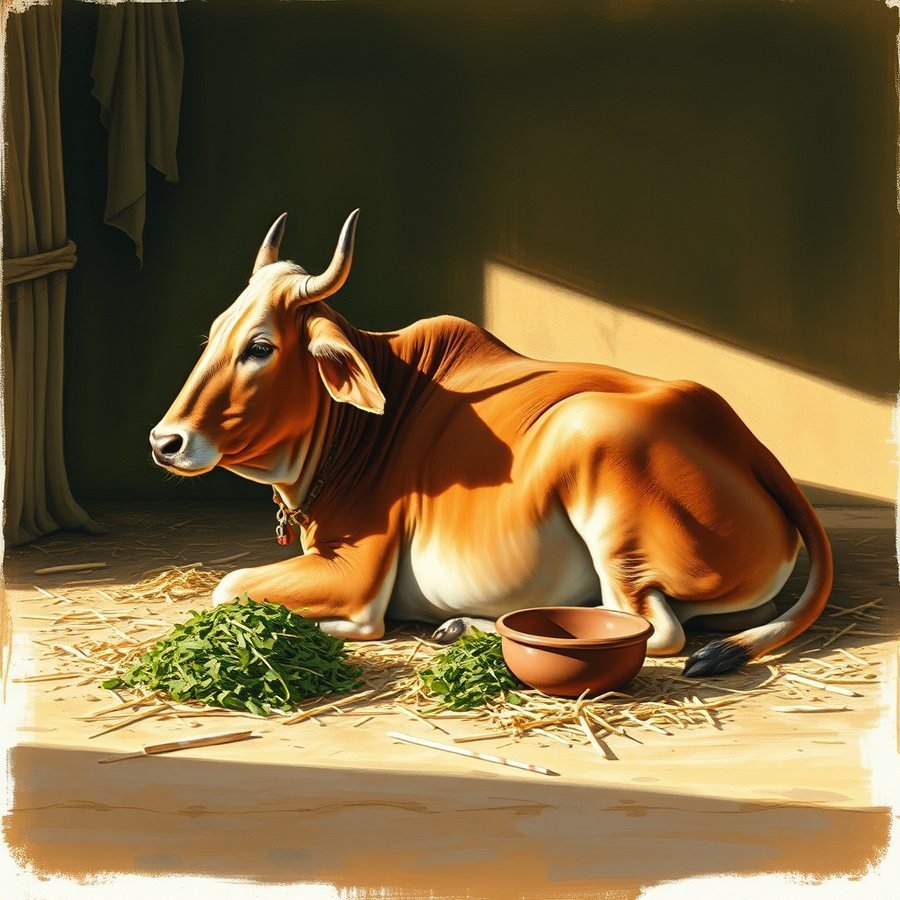
A cow that stops giving milk is still our cow. She stays on the farm, with the same feed, the same shed and the same medical care she had when she was milking. We do not sell her on and we do not let her go. That is the whole basis of the ghee we make — you cannot ask an animal for her milk and then abandon her for it.
Our mission goes further than our own herd. There are cows on the street who are injured every day, who eat plastic, who cry through the night with nobody coming. We want to take them in. The plan is a chain of Organic Farmz gaushalas in several places, so that help is not one shed in one city but something a hurt animal can actually reach.
This takes more than we can carry alone — land, fodder, vets, hands. Come and join our initiative. Anything you give goes to feed, treat and shelter these cows.

Scan with any UPI app
Bank transfer
- Account name Organic Farmz
- Bank Indian Bank
- Account number 8133177322
- IFSC code IDIB000K555
- UPI ID organicfarmz@ptaxis
On a phone, the button above opens your UPI app directly — a QR on the screen you are reading cannot be scanned by that same screen. On a laptop, scan the code with your phone instead.
What are the differences between lamp ghee and cooking ghee?
While families often use the same jar of high-quality A2 Gir cow ghee for both kitchen preparations and temple offerings, lamp ghee and kitchen ghee serve distinct roles in daily household life.
| Feature | For Diyas and Temple Use | For Kitchen Cooking and Prasad |
|---|---|---|
| Primary Focus | Steady flame, clean burn, minimal soot | Rich aroma, granular texture, taste |
| Heating Behavior | Melts evenly on the cotton wick | Melts smoothly into hot dal, rice, or sweets |
| Cultural Role | Symbolizes purity and light in rituals | Nourishes the family as wholesome food |
Why is pure ghee essential for preparing prasad?
Pure ghee is essential for preparing prasad because food offered to the divine must be unblemished, authentic, and prepared with care. Whether making halwa, peda, lladu, or simple sweet rice, the fat used dictates both the spiritual purity and the taste of the offering. A2 Gir cow ghee brings a rich, authentic flavor profile to prasad recipes, connecting modern kitchens to traditional temple culinary practices. Families share this blessed food among relatives and neighbors, making the quality of the ingredients a matter of both devotion and hospitality.
How should you store ghee kept specifically for the puja room?
Ghee kept specifically for the puja room should be stored in a clean, dedicated glass or steel container away from direct sunlight and moisture. Because puja spaces often feature incense, camphor, and oil lamps, keeping the ghee jar tightly sealed prevents it from absorbing ambient aromas that might alter its delicate scent. Using a clean, dry spoon every time you ladle out a small portion for a new wick or a batch of prasad ensures the remaining contents stay fresh and pure for weeks of daily worship.
Taste the difference
Small-batch A2 Gir cow ghee, hand-churned to order and delivered across India. Read how we make it if you want the detail first.
Order a jarKeep reading
-
 Ghee Lamps: Why Diyas Use Ghee, Not Oil
Traditional Indian households light diyas with ghee rather than vegetable oil because ghee burns cleaner…
-
 D2C Ghee Brand India: The Work Is Front of House
Launching a D2C ghee brand in India succeeds or fails on customer service, packaging, and brand reach rather…
-
 A2 Ghee in Gurgaon: Buy Direct or Pick Retail
To buy A2 ghee in Gurgaon, choose direct maker delivery for fresh bilona batches or high-end retail stores…
