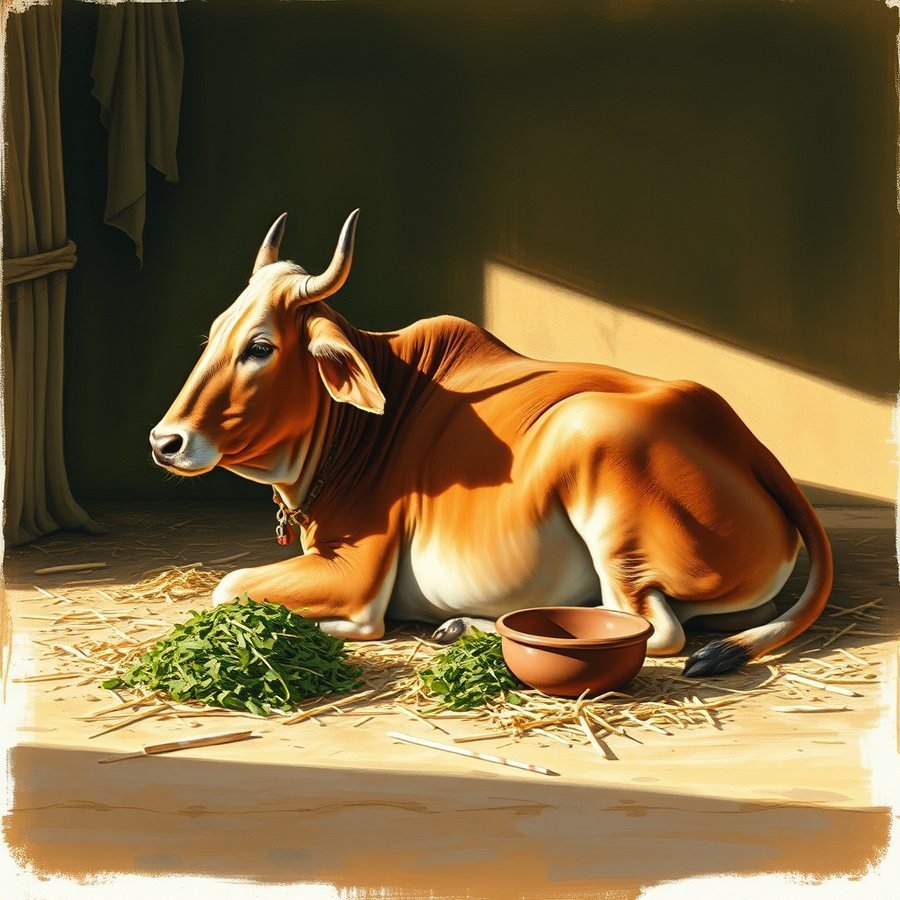
Ghee Label Welfare Claims: 5 Words That Say Nothing

Standard ghee label terms such as pure, natural, desi, traditional, and farm fresh describe butterfat origin or kitchen processing methods, but they offer zero indication of how the cows are cared for, fed, or treated when they stop giving milk.
Which common terms on a ghee jar fail to guarantee animal welfare?
Front-of-pack descriptions on dairy jars often use words that sound ethical, but each term has a narrow definition that ignores cattle living conditions.
1. Pure: Pure simply means the jar contains one hundred percent milk fat without added vegetable oils, starch, or artificial colorings. It is a food composition standard, not a guarantee of how cattle are handled.
2. Natural: Natural indicates that the butterfat has not undergone chemical bleaching, solvent extraction, or synthetic deodorisation. While natural processing preserves authentic aroma for Indian home cooking, it does not mandate pasture access or veterinary standards.
3. Desi: Desi specifies indigenous Indian cow breeds like Gir or Sahiwal rather than exotic crossbreeds. Native breed fat is valued in Ayurveda and traditional cooking, but native cows can still experience neglect if farm management lacks clear welfare rules.
4. Traditional: Traditional refers to classic culinary methods, such as boiling milk, setting curd overnight, and churning butter using the bilona method. It describes kitchen heritage rather than calf nursing rights or herd retirement policy.
5. Farm Fresh: Farm fresh signifies that raw milk came directly from dairy holdings rather than commercial collection centers. It suggests shorter transit times, but reveals nothing about whether old cows remain protected on the farm.
How do standard marketing claims compare with actual welfare criteria?
Food labeling regulations focus on dietary safety and fat purity, leaving animal husbandry practices entirely unstated on front labels.
| Label Claim | What It Standardly Means | What It Leaves Unanswered |
|---|---|---|
| Pure Ghee | 100% milk fat free of added oils | Whether cows receive medical care or shade |
| Desi Cow Ghee | Sourced from indigenous Indian breeds | Whether old cows are kept or sold away |
| Traditional Bilona | Made from hand-churned curd butter | Whether calves get fed before milking |
| Farm Fresh Ghee | Direct dairy sourcing without re-melting | Whether street or injured cows get shelter |
Because official food standards regulate product composition rather than animal care, buyers looking for ethical dairy must look past label adjectives and evaluate farm practices directly.
What questions should you ask a producer instead of reading label adjectives?
Evaluating genuine cattle care requires asking direct operational questions about daily farm routines and long-term herd management.
First, ask whether calves receive mother's milk directly before daily milking begins. Ethical dairy management ensures calves are fed adequately rather than separated at birth.
Second, ask what happens to a cow when her daily milk yield decreases or stops entirely. A farm focused solely on dairy economics often sells non-milking cows, whereas an ethical farm maintains lifetime care regardless of productivity.
Third, inquire about housing, fodder quality, and veterinary attention during seasonal weather changes, such as peak summer heat or heavy monsoon rains.
How does Organic Farmz handle herd retirement and cattle rescue?
Clear cattle welfare requires accountable farm policies rather than vague label descriptors.
When a cow in the Organic Farmz herd stops producing milk, she remains on the farm as a permanent member of the herd. She receives the exact same feed, the same shed space, and the same veterinary care she enjoyed while milking, and she is never sold off to animal markets.
Beyond maintaining its own milking and retired cattle, the brand works to shelter street cows that have been injured in road accidents, abandoned without care, or harmed by eating plastic waste. The long-term objective is to establish a network of dedicated Organic Farmz gaushalas across multiple regions so more rescued animals receive safe shelter and medical attention. Anyone wishing to support daily feed, shelter maintenance, and veterinary care can review or contribute directly via UPI or bank transfer by reading about our Gau Seva work on the homepage.
Taste the difference
Small-batch A2 Gir cow ghee, hand-churned to order and delivered across India. Read how we make it if you want the detail first.
Order a jarKeep reading
-
 How to Know If Milk Is Ethical: Check Animal Care
An ethical dairy allows calves their share of milk, keeps non-milking cows for life, avoids forced breeding…
-
 Caring for an Old Cow: Daily Life and Herd Care
Caring for an old cow requires providing shade, soft green fodder, foot care, clean water, and peaceful herd…
-
 Does the Calf Get Milk? Ethical Farms Feed First
Ethical Indian dairies allow calves to drink directly from their mother before milking begins, leaving two…