
Ghee in Ritucharya: Eating With the Seasons
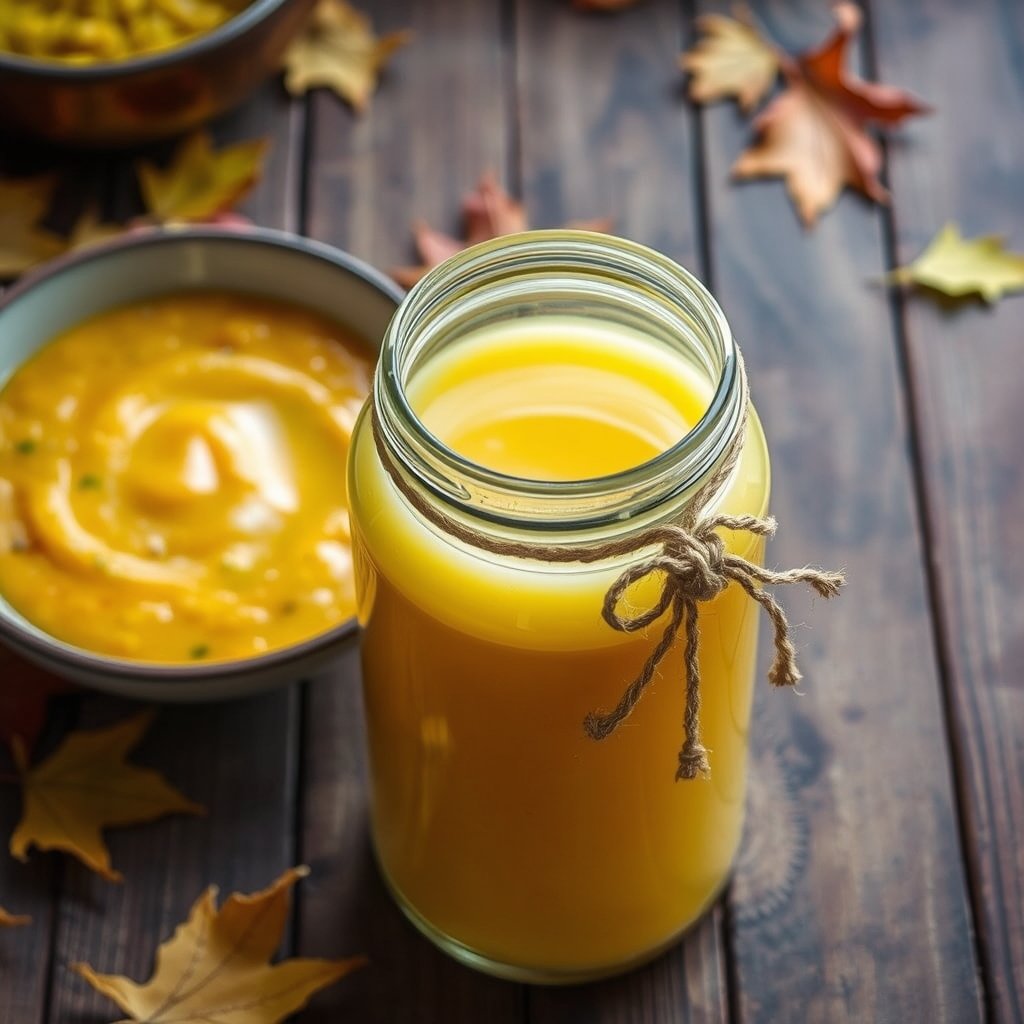
Ritucharya is the traditional Ayurvedic practice of aligning your daily diet and lifestyle with the changing seasons, and A2 Gir cow ghee serves as a steady, balancing source of nourishment that helps your digestive fire and body adapt to these environmental shifts throughout the year.
As the weather shifts from the intense heat of summer to the dampness of the monsoon, and finally into the crisp cold of winter, our internal state changes as well. In Indian home cooking, fats are not used mindlessly. Instead, they are chosen to support our digestion, known as Agni, which naturally fluctuates with the external temperature. Pure bilona ghee, made from the A2 milk of Gir cows, acts as a natural stabilizer in your kitchen, providing gentle warmth when it is cold and soothing properties when the seasonal heat rises.
What Is Ritucharya and How Does Seasonal Eating Work?
The word Ritucharya comes from two Sanskrit words: 'Ritu', meaning season, and 'Charya', meaning discipline or regimen. It is a systematic framework that divides the year into six distinct seasons (Shada Ritus), guiding us on what to eat, what to avoid, and how to cook. In modern life, we often eat the same foods all year round, thanks to refrigeration and global shipping. However, our bodies still respond deeply to the natural rhythms of the earth.
According to this seasonal philosophy, the year is split into two halves: Uttarayana (the northern solstice, where the sun draws energy from the earth, weakening our natural strength) and Dakshinayana (the southern solstice, where the moon dominates, restoring moisture and strength to nature). Throughout both cycles, our digestive capacity rises and falls. Ghee is one of the very few ingredients recommended across almost all seasons because of its unique ability to balance all three doshas (Vata, Pitta, and Kapha) when used in the correct quantity.
How Does Ghee Support the Body Across Different Seasons?
During the cold seasons of Hemanta (early winter) and Shishir (late winter), our internal digestive fire is at its strongest. The body naturally craves heavier, nutrient-dense foods to keep warm. This is the time when rich preparations like gond laddoos, panjiri, and heavy dals cooked with a generous dollop of A2 ghee are easily digested. The fats in ghee lubricate the joints, which tend to feel stiff in the cold, and keep the skin from drying out from cold winds.
Conversely, during Grishma (summer) and Varsha (monsoon), our digestive fire becomes naturally sluggish. In the summer heat, the body needs cooling, easily digestible foods. Rather than heavy frying, ghee is used sparingly in summer to temper cooling summer gourds like bottle gourd (lauki) or ridge gourd (torai) with cumin and turmeric. During the monsoon, when dampness increases the risk of digestive sluggishness, a small amount of warm ghee helps stimulate the appetite without overwhelming the stomach.
In Sharad Ritu (autumn), as the heat of summer dissipates, the accumulated Pitta (heat) in the body can flare up. Ayurveda recommends ghee during this transition because of its natural sweet taste and cooling energy (Sheeta virya), which helps soothe internal dryness and acidity.
How Does Ghee Usage Change Between Cold and Warm Seasons?
To understand how to adapt your ghee consumption, it helps to compare how it is used during the peak cold months versus the peak warm and wet months of the year.
| Season Category | State of Digestive Fire (Agni) | Primary Role of Ghee | Typical Kitchen Uses |
|---|---|---|---|
| Cold Seasons (Winter / Hemanta & Shishir) | Strong and robust | Provides deep nourishment, warmth, and joint lubrication | Slow-roasted wheat flour halwa, panjiri, and heavy winter dals |
| Warm & Wet Seasons (Summer & Monsoon / Grishma & Varsha) | Weak and sluggish | Maintains gentle digestion and prevents internal dryness | Light tadka on summer gourds, brushed lightly on simple rotis |
Why Is Bilona A2 Ghee Best Suited for Seasonal Transitions?
Not all ghee behaves the same way in the body during seasonal shifts. Commercial ghee made by heating cream (malai) with industrial centrifuges is heavy, greasy, and lacks the delicate molecular structure of traditional bilona ghee. When seasons change, our digestive tract is already vulnerable. Introducing a heavy, hard-to-digest fat can lead to bloating, sluggishness, and indigestion.
Traditional A2 Gir cow ghee is made using the bilona method, where whole milk is boiled, curdled, and then hand-churned to obtain butter (makhan), which is then slowly clarified over a wood fire. This culturing process introduces lactic acid and breaks down the fats into easily digestible short-chain and medium-chain fatty acids. Because it has been fermented as curd before being turned into ghee, it is incredibly light on the stomach, making it the perfect fat to support your body when transitioning from one season to the next.
How Can You Incorporate Ghee Into Your Daily Ritucharya Routine?
Adapting your ghee consumption to Ritucharya does not require complex recipes; it simply requires mindfulness in your everyday Indian home cooking. In the dry, windy autumn days, start your morning with a cup of warm water mixed with half a teaspoon of liquid A2 ghee to lubricate your throat and digestive tract from within.
When winter arrives, do not shy away from using ghee to roast your whole grains, nuts, and seeds. This is the time to prepare traditional winter sweets that rely on ghee to deliver sustained energy. As spring (Vasanta) sets in and the body naturally tries to clear out winter's accumulated Kapha, reduce the quantity of ghee slightly, using just enough to bloom your spices like mustard seeds, ginger, and asafoetida for a light, warming tadka. By adjusting how much and how you cook with ghee, you honor your body's seasonal needs, ensuring comfort and balance all year round.