
Batch to Batch Variation in Ghee: Natural and Expected

Why does my new jar of ghee taste different from the last one?
Batch variation in bilona ghee is a natural occurrence caused by shifts in the cows' seasonal diet, the lactation cycle of the herd, and the manual nature of the traditional simmering process. Unlike industrial ghee, which is standardized in large factories to ensure every jar is identical, authentic A2 Gir cow ghee reflects the environment in which it was produced. If you find that one jar has a deeper nutty aroma or a slightly more golden hue than the previous one, it is usually an indication that the ghee was made from fresh milk collected during a different time of year or simmered for a few minutes longer over the flame.
How does seasonal fodder affect ghee color and aroma?
The primary reason for taste and color differences in ghee is the changing diet of the Gir cows. During the monsoon months in India, pastures are lush with green grass, which is rich in chlorophyll and natural pigments. Milk produced during this time often results in ghee with a more pronounced yellow tint and a fresh, grassy undertone. In contrast, during the dry summer months, cows may transition to dry fodder or specialized concentrates, which can result in a paler, milder-tasting ghee. Because a traditional farm does not use artificial coloring agents like annatto or carotene to fix the color, the ghee remains a direct reflection of what the cow ate that week.
What role does the bilona method play in batch variation?
The traditional bilona method involves turning milk into curd, churning that curd to obtain makhun (butter), and then boiling that butter to separate the fats from the milk solids. Because this is done in relatively small batches—often between 20 to 50 liters at a time—the human element plays a significant role. The intensity of the heat, whether from a gas burner or a traditional wood-fired chulha, can vary slightly. A few extra minutes on the flame can lead to a deeper caramelization of the milk solids, resulting in a nuttier, more intense aroma. This artisanal approach prioritizes the integrity of the process over the sterile uniformity of mass production.
Is variation a sign of poor quality or authenticity?
In the world of traditional Indian dairy, batch-to-batch variation is actually a hallmark of authenticity rather than a sign of poor quality. When a product is 100% natural and free from stabilizers, it cannot be identical every time. Inconsistency refers to a drop in purity, such as the presence of moisture or off-smells, whereas variation refers to the natural spectrum of flavor and texture inherent in raw agricultural products. When you buy a jar of bilona ghee that tastes slightly different from the last, you are experiencing the true rhythm of the farm and the natural biological cycles of the Gir cows.
Our cows are not use and throw
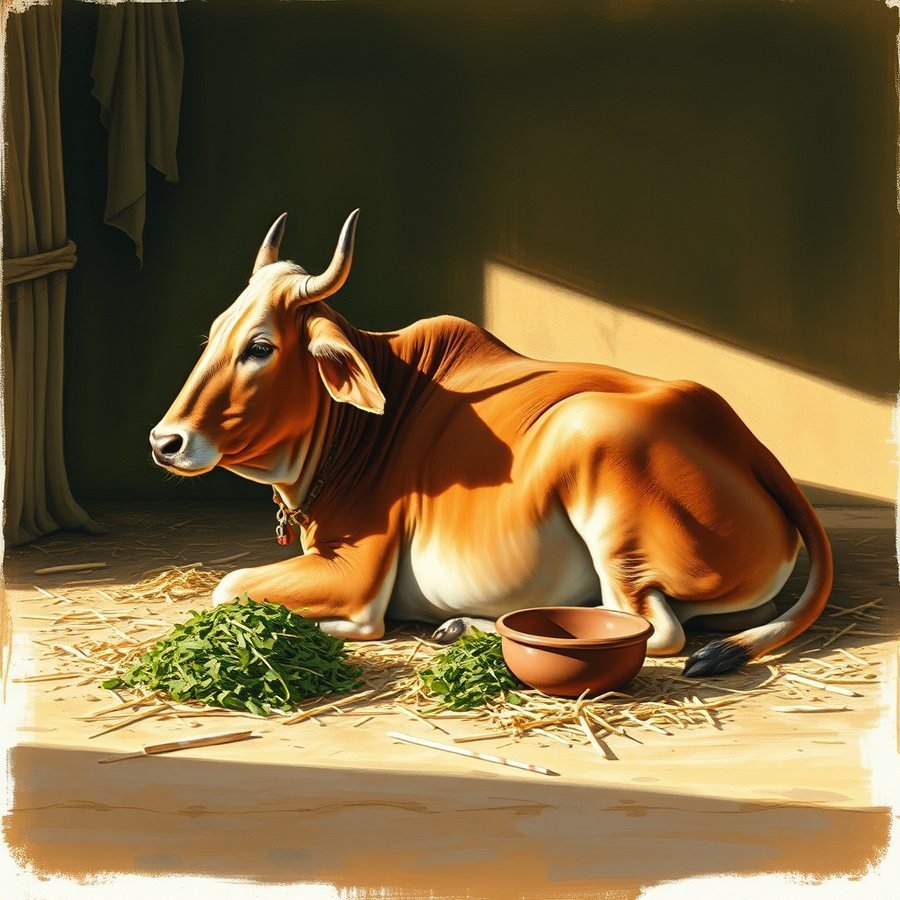
A cow that stops giving milk is still our cow. She stays on the farm, with the same feed, the same shed and the same medical care she had when she was milking. We do not sell her on and we do not let her go. That is the whole basis of the ghee we make — you cannot ask an animal for her milk and then abandon her for it.
Our mission goes further than our own herd. There are cows on the street who are injured every day, who eat plastic, who cry through the night with nobody coming. We want to take them in. The plan is a chain of Organic Farmz gaushalas in several places, so that help is not one shed in one city but something a hurt animal can actually reach.
This takes more than we can carry alone — land, fodder, vets, hands. Come and join our initiative. Anything you give goes to feed, treat and shelter these cows.

Scan with any UPI app
Bank transfer
- Account name Organic Farmz
- Bank Indian Bank
- Account number 8133177322
- IFSC code IDIB000K555
- UPI ID organicfarmz@ptaxis
On a phone, the button above opens your UPI app directly — a QR on the screen you are reading cannot be scanned by that same screen. On a laptop, scan the code with your phone instead.
How does the simmering time change the flavor profile?
The final stage of making ghee is the most critical for determining its flavor. As the makhun melts and the water evaporates, the milk solids begin to settle at the bottom of the vessel. The maker must decide exactly when to take the pot off the heat. If it is removed the moment the oil clears, the ghee will have a mild, creamy taste. If it is left for a minute longer, the solids begin to brown, imparting a toasted, rich flavor often preferred in North Indian festive cooking. Because this is a sensory task involving smell and sight, small differences between batches are inevitable and often welcomed by those who appreciate home-style cooking.
Natural Bilona Variation vs. Industrial Standardization
| Feature | Traditional Bilona Ghee | Industrial Processed Ghee |
|---|---|---|
| Source Material | Cultured curd from A2 milk | Bulk cream or butterfat |
| Color Source | Natural fodder (seasonal) | Often standardized with additives |
| Aroma Profile | Rich, nutty, and variable | Uniform and often mild |
| Batch Size | Small, artisanal lots | Massive, multi-ton vats |
| Flavor Control | Determined by heat and feed | Mechanical and chemical control |
Why does the texture of bilona ghee change between jars?
The texture of ghee, specifically its graininess or 'danedar' quality, depends heavily on the cooling rate after the ghee has been cooked. If a batch of ghee is poured into jars on a particularly cold winter evening in North India, it may crystalize quickly, leading to smaller, firmer grains. If the same ghee is bottled during a humid monsoon afternoon, it may cool slowly, allowing larger, softer crystals to form. This does not change the nutritional value or the purity of the ghee; it simply changes how the fat molecules have bonded together as they solidified. Stirring the jar or melting it slightly will often reveal the same consistent base fat.
How should you use ghee that tastes slightly different?
Different batches of ghee can be used to highlight different aspects of your cooking. A lighter, milder batch is often perfect for delicate sweets or for stirring into a bowl of dal where you don't want the ghee to overpower the spices. A darker, more robustly flavored batch is excellent for sautéing vegetables, making parathas, or as a finishing touch on bajra rotis. Embracing these variations allows you to connect more deeply with the source of your food, understanding that nature rarely produces two things exactly the same way twice. In Ayurveda, the essence of the food is tied to its purity and the care taken during its creation, both of which are preserved in the traditional bilona process.
Taste the difference
Small-batch A2 Gir cow ghee, hand-churned to order and delivered across India. Read how we make it if you want the detail first.
Order a jarKeep reading
-
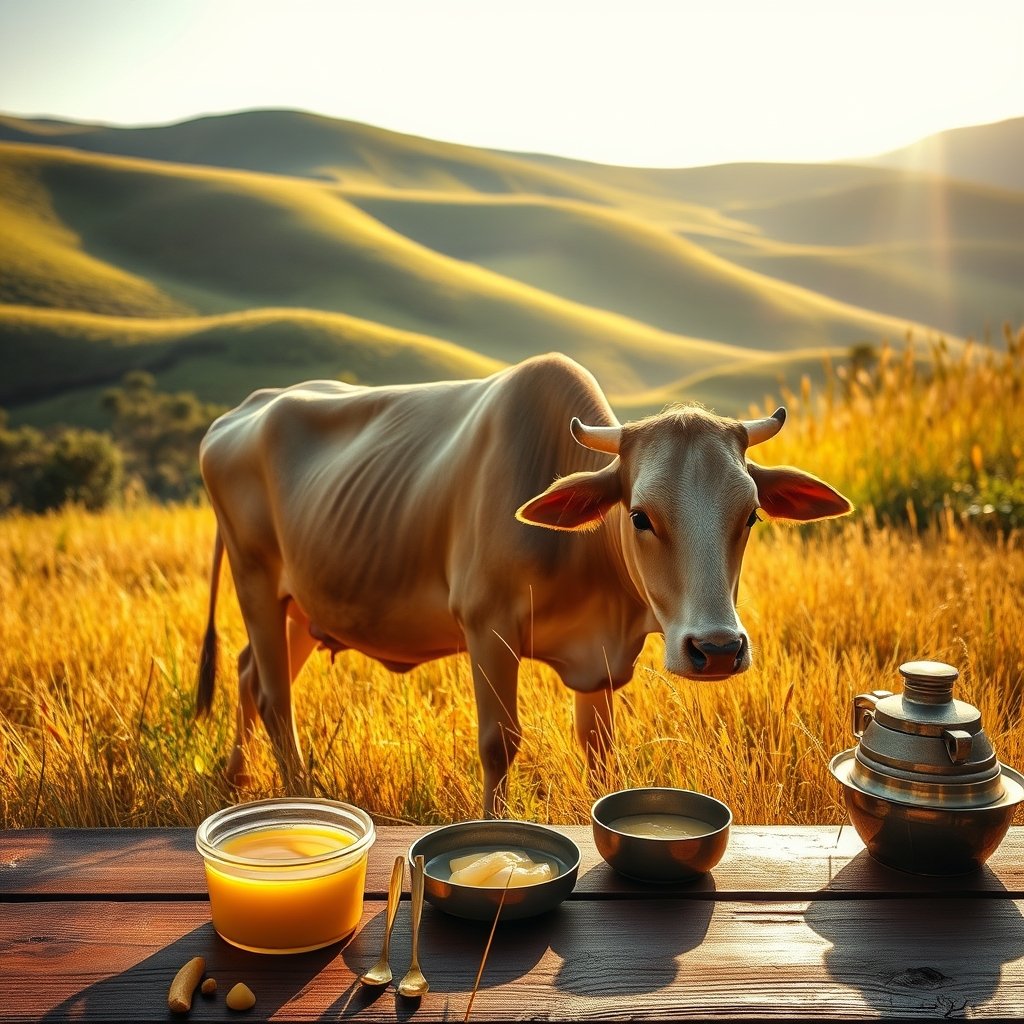 How Seasons Change the Milk, and the Ghee
Milk quality, fat profile, and the resulting ghee shift throughout the year as an indigenous cow's forage…
-
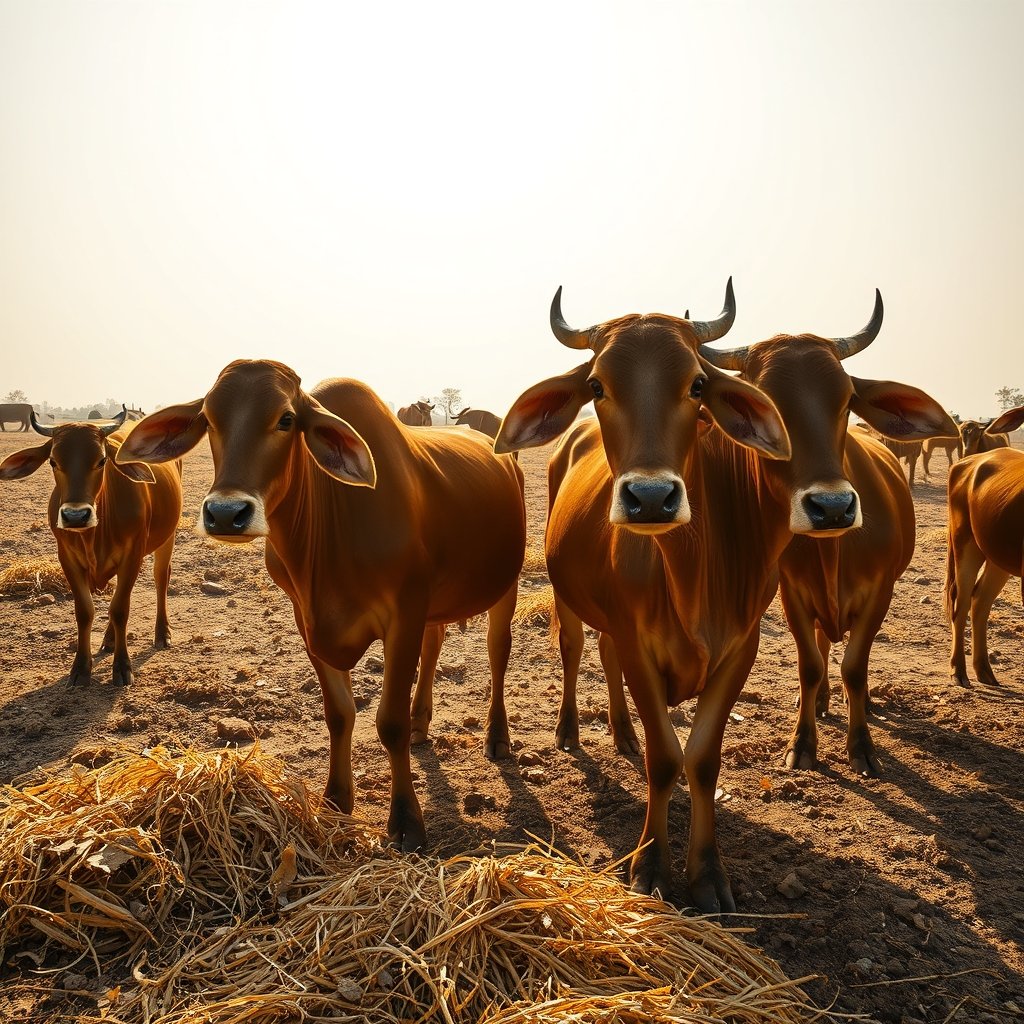 Ghee Price Seasonal Variation: Why Summer Costs More
Ghee prices rise in summer because heat reduces milk yields and increases fodder costs, making high-quality…
-
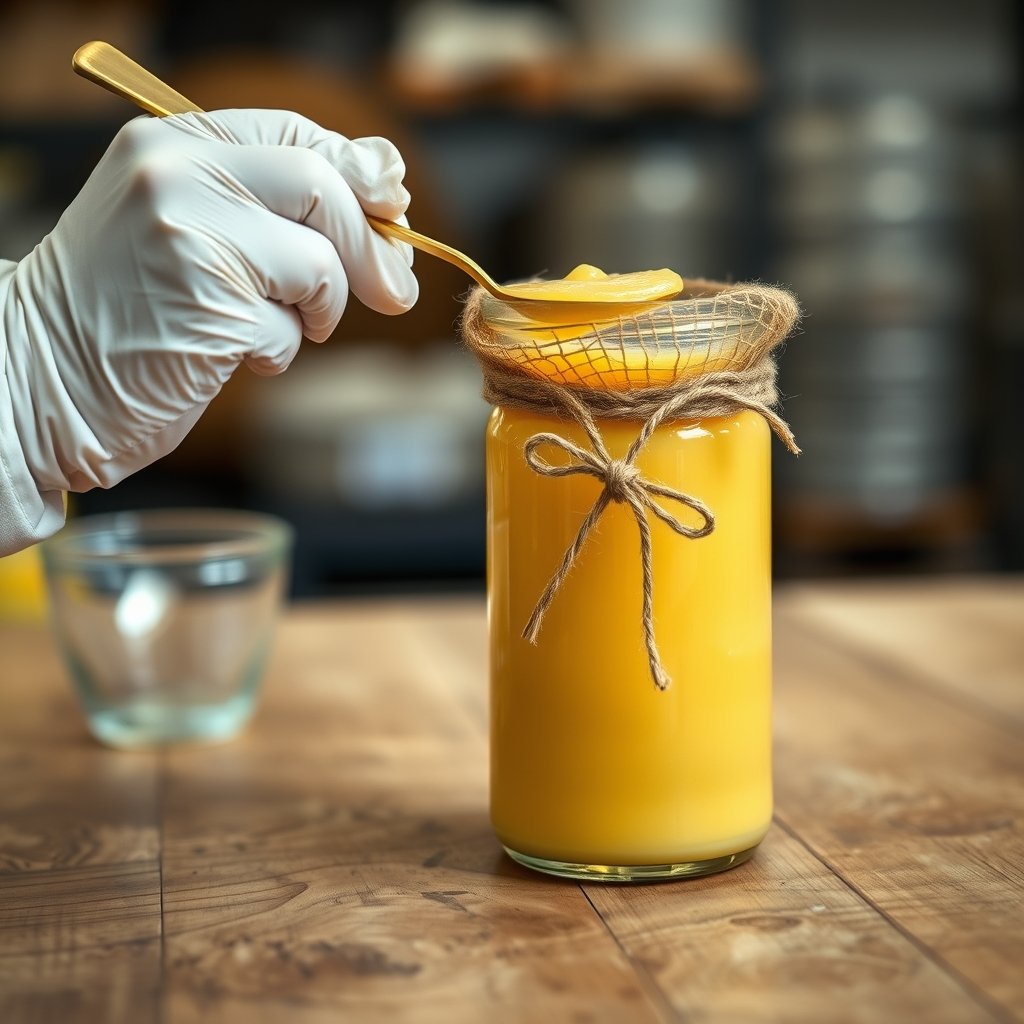 Ghee Sample Batch Before Order: Taste Before You Sign
A ghee sample batch before order allows you to verify aroma and texture before signing. Tasting a physical…
