
Anupana: Why Ayurveda Pairs Ghee With Other Foods
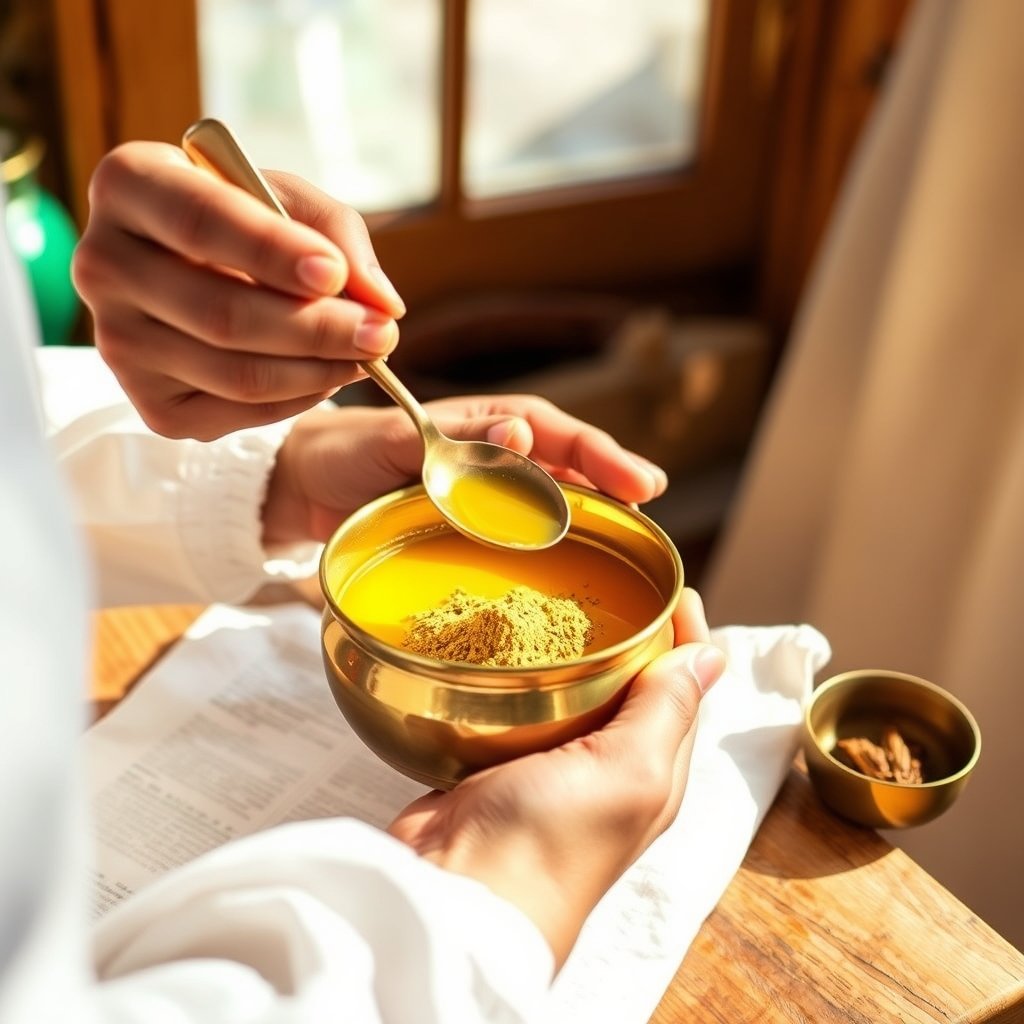
Anupana is a traditional Ayurvedic term for a vehicle or fluid medium taken alongside or after food or herbal preparations, and ghee is frequently chosen because fat-soluble compounds dissolve cleanly into its natural lipid structure. Rather than consuming spices or herbs in isolation, traditional Indian cooking relies on specific pairings so that nutrients move smoothly through the body without irritating the digestive tract.
What Does Anupana Mean in Ayurvedic Cooking?
The word anupana translates literally to 'that which is taken with or after' a meal or beverage. In classical texts, anupana is likened to a river current that carries a boat; the food or herb is the cargo, while the carrier medium determines how easily it travels through the system. Depending on the season, the meal, and the individual's needs, an anupana can be warm water, buttermilk, fresh milk, honey, or ghee.
When a fat like ghee is used as an anupana, it acts as a lubricant and solvent. Many active aromatic components in spices such as turmeric, black pepper, cumin, and nutmeg are fat-soluble. Consuming these spices raw with water often leaves them unabsorbed or harsh on an empty stomach. Melting them into pure ghee creates an integrated mixture that the stomach accepts gently.
Why Is A2 Gir Cow Ghee Chosen as a Carrier?
Not all fat behaves the same way when used as a carrier. In classical tradition, ghee made from the milk of indigenous cows—specifically through the curd-churned bilona process—holds a primary place because of its purity and physical structure.
Traditional bilona ghee begins with whole milk from Gir cows, which naturally contains A2 beta-casein protein. The milk is set into curd overnight and then churned bi-directionally with a wooden churner to separate the butter. When this cultured butter is slowly simmered over a low flame, the milk solids settle out completely, leaving behind a clean, golden fat with fine granules and a delicate roasted aroma. Because it contains virtually no leftover moisture or raw curd solids, bilona ghee blends seamlessly with dry ground spices, warm water, or warm milk without curdling or feeling greasy on the palate.
How Is Ghee Paired With Warm Water, Milk, and Spices?
In an Indian home, anupana principles are used daily in small kitchen routines without needing elaborate herbal formulas. A few common ways ghee serves as a carrier include:
- Spiced Milk at Night: Stirring a teaspoon of A2 Gir cow ghee and a pinch of nutmeg or turmeric into warm milk creates a soothing evening beverage. The ghee softens the heavy quality of milk while carrying the spice aromas.
- Morning Warm Water: Half a teaspoon of melted ghee stirred into a cup of warm water taken early in the morning is a routine practiced in many Indian households to gently warm the digestive tract before breakfast.
- Ghee with Black Pepper and Turmeric: Heating coarsely crushed black pepper and turmeric in a spoonful of ghee creates a simple paste often taken during weather transitions. The lipid medium ensures the throat feels comfortable while swallowing the sharp spices.
- Tadka in Daily Meals: The familiar practice of heating mustard seeds, cumin, and curry leaves in warm ghee before pouring it over cooked lentils is a culinary expression of anupana. The fat extracts the essential oils from the spices and coats the grains of dal evenly.
How Does Ghee Compare to Warm Water as an Anupana?
Different carriers serve distinct purposes depending on what is being consumed. Below is a comparison between warm water and A2 cow ghee when used as an anupana in daily routines.
| Property | Warm Water as Anupana | Ghee as Anupana |
|---|---|---|
| Primary Mechanism | Hydrates and rinses gently | Dissolves fat-soluble compounds |
| Solubility Type | Ideal for water-soluble herbs and juices | Ideal for fat-soluble spices (turmeric, pepper, cumin) |
| Mouthfeel & Texture | Light, clean, non-coating | Smooth, warm, light coating |
| Best Combined With | Honey, lemon, simple herbal decoctions | Warm milk, whole ground spices, cooked grains |
| Kitchen Use Case | Early morning hydration or post-meal sip | Tadka, golden milk, spiced pastes |
How Can You Use Anupana Principles in Everyday Cooking?
To use ghee as an anupana at home, keep the focus on simple, fresh preparations. Use gentle, low heat when blooming dry spices in ghee so that the subtle nuttiness of the bilona fat is preserved rather than burned. Store your ghee in an airtight glass or stainless steel jar at room temperature away from moisture, ensuring that every spoonful added to your warm milk or daily dal is completely fresh and pure.