
Machine vs Bilona Ghee: Spot Real Bilona by Grain Size
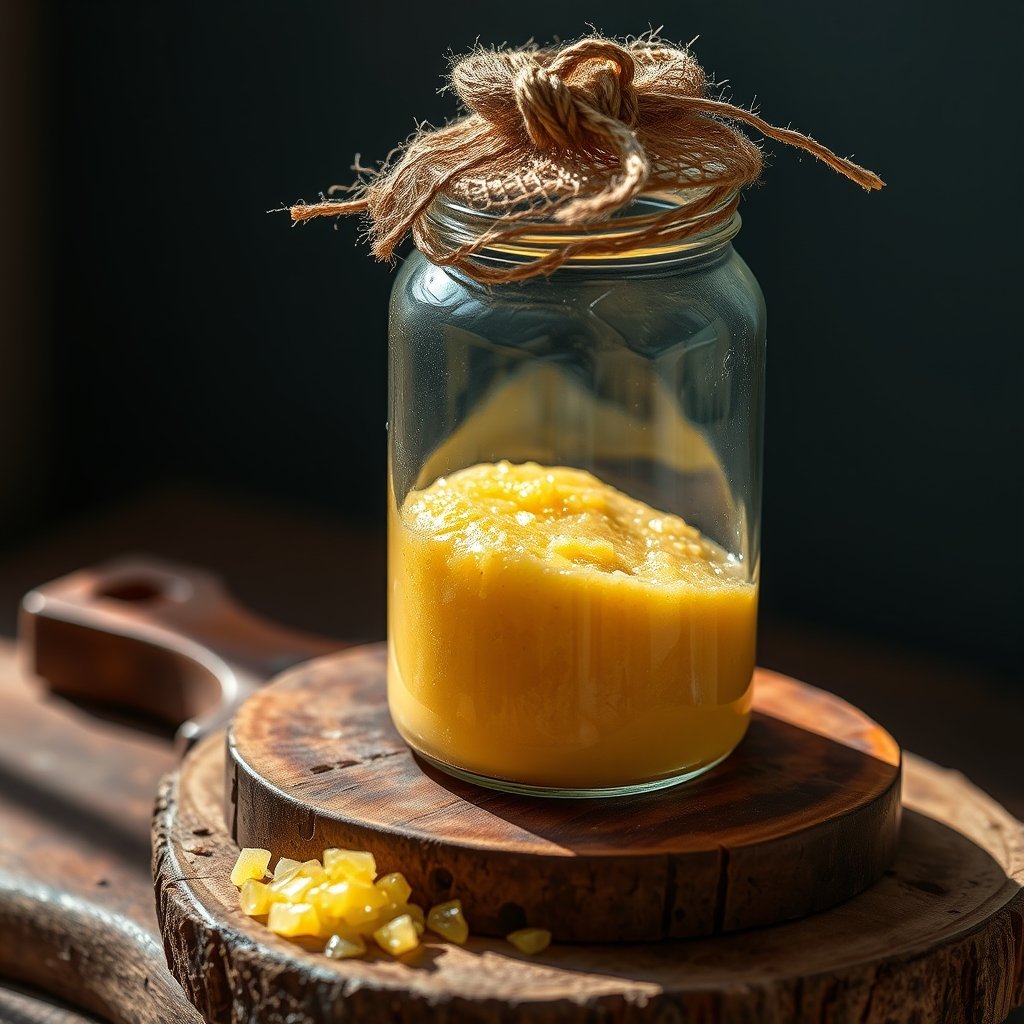
How can you tell the difference between machine and bilona ghee?
You can spot the difference between machine-churned and hand-churned (bilona) ghee by observing the size of the grains, the complexity of the aroma, and the behavior of the fat at room temperature. Real bilona ghee has a characteristic 'danedaar' or granular texture because it is made from cultured curd, whereas machine-made ghee—typically processed from fresh cream—appears smooth, uniform, or even waxy. When you open a jar of hand-churned A2 Gir cow ghee, the scent is deeply nutty and toasted, a result of the fermentation process that machine-made varieties usually skip.
What is the visual difference in texture?
The texture is perhaps the most reliable physical indicator for a buyer. In the traditional bilona method, the milk is turned into curd, which is then churned to separate the butter (makhana). This butter contains specific fat globules that, when simmered slowly over a low flame, crystallize into distinct, sand-like grains as they cool. Machine-made ghee is often produced using a centrifuge to separate cream directly from milk. This cream is then boiled at high temperatures. Because it lacks the bacterial culture of curd, the fat molecules do not crystallize in the same way, resulting in a product that looks more like solid shortening or liquid oil with no structural 'grain.'
Does the aroma vary between the two methods?
Yes, the aroma of hand-churned bilona ghee is significantly more intense and layered than that of machine-churned versions. This is due to the 'Sanskara' or the process of transformation in Ayurveda. By turning the A2 milk into curd first, the fats undergo a mild fermentation. When this cultured butter is heated, it releases a rich, popcorn-like fragrance that can fill a room. Machine-made ghee, being made from uncultured cream, usually smells faintly of cooked milk or has a neutral, flat scent. If the ghee has almost no smell at all, it is likely a mass-produced, machine-processed variety.
How does the color compare?
While color can be influenced by the cow's diet, bilona ghee made from Gir cows often has a rich, golden-yellow hue. This comes from the beta-carotene in the grass the cows consume, which is preserved through the gentle, low-heat simmering process. Machine-made ghee is often processed using high-pressure steam or rapid heating, which can sometimes result in a paler, more washed-out yellow or a very dark, burnt brown if the temperature wasn't controlled. However, color alone is not a foolproof test, as it changes with the seasons; the graininess and aroma are better indicators.
Our cows are not use and throw

A cow that stops giving milk is still our cow. She stays on the farm, with the same feed, the same shed and the same medical care she had when she was milking. We do not sell her on and we do not let her go. That is the whole basis of the ghee we make — you cannot ask an animal for her milk and then abandon her for it.
Our mission goes further than our own herd. There are cows on the street who are injured every day, who eat plastic, who cry through the night with nobody coming. We want to take them in. The plan is a chain of Organic Farmz gaushalas in several places, so that help is not one shed in one city but something a hurt animal can actually reach.
This takes more than we can carry alone — land, fodder, vets, hands. Come and join our initiative. Anything you give goes to feed, treat and shelter these cows.

Scan with any UPI app
Bank transfer
- Account name Organic Farmz
- Bank Indian Bank
- Account number 8133177322
- IFSC code IDIB000K555
- UPI ID organicfarmz@ptaxis
On a phone, the button above opens your UPI app directly — a QR on the screen you are reading cannot be scanned by that same screen. On a laptop, scan the code with your phone instead.
What should you look for on the label?
When reading a label, look for the words 'cultured' and 'bilona.' If a label simply says 'Ghee' or 'Clarified Butter' without mentioning the curd-to-butter process, it is almost certainly machine-made from cream. In the Indian market, machine-made ghee is often referred to as 'cream-ghee' or 'malai-ghee.' Authentic bilona ghee will often specify the use of a wooden churner (madhani) and the fact that it is made in small batches. Large-scale industrial brands rarely use the bilona method because it is labor-intensive and requires roughly 25 to 30 liters of milk to produce just one liter of ghee.
Why does the bilona method create distinct grains?
The 'danedaar' texture is a sign of purity and slow processing. In the bilona method, the ghee is not flash-cooled. It is allowed to come to room temperature naturally in glass or steel containers. This slow cooling allows the fat crystals to grow and bind together into the grainy texture that Indian households have prized for generations. Machine-made ghee is often chilled rapidly to speed up packaging, which breaks the crystallization process and leaves the ghee feeling greasy or pasty on the palate.
Comparison Table: Machine-Made vs. Bilona Ghee
| Feature | Bilona (Hand-Churned) | Machine-Made (Cream) |
|---|---|---|
| Base Material | Cultured Curd | Fresh Cream (Malai) |
| Texture | Granular (Danedaar) | Smooth or Waxy |
| Aroma | Nutty, Rich, Toasted | Mild, Milky, or Neutral |
| Processing Heat | Low (Wood-fire/Chulha) | High (Industrial Steam) |
| Digestion (Tradition) | Considered Light (Laghu) | Considered Heavy |
Which ghee is better for traditional Indian cooking?
For traditional Indian home cooking and Ayurvedic practices, bilona ghee is the preferred choice because of its superior flavor profile. When you add a dollop of hand-churned A2 ghee to hot dal or khichdi, the grains melt slowly, releasing a fragrance that enhances the spices. Machine-made ghee provides the fat needed for frying but lacks the 'soul' or the depth of flavor required for festive sweets like halwa or laddoos. Because bilona ghee is already cultured, it also tends to have a longer shelf life at room temperature compared to cream-based ghee, which can sometimes develop a sour smell over time if not stored perfectly.
Taste the difference
Small-batch A2 Gir cow ghee, hand-churned to order and delivered across India. Read how we make it if you want the detail first.
Order a jarKeep reading
-
 Grass-Fed Ghee vs Grain-Fed: Does It Show in the Jar?
Discover how a cow's natural pasture diet changes the color, aroma, and texture of your ghee, and why the…
-
 Why Good Ghee is Danedaar and Grainy
Ever wondered why traditional bilona ghee has a lovely, grainy texture while commercial alternatives often…
-
 Why We Do Not Keep Ghee in Stock
A look into why fresh, made-to-order A2 Gir cow ghee is prepared in small batches after you order rather…
