
Ghee vs Butter: The Nutrition Numbers Side by Side

When compared side by side per 100 grams, ghee contains roughly 890 to 900 calories and nearly 100 grams of pure fat, while butter contains around 717 calories, 81 grams of fat, and roughly 16 to 18 grams of water.
This fundamental difference exists because making ghee involves slowly heating butter until all its moisture evaporates and the remaining milk solids brown and are strained out. What stays in the jar is pure clarified fat, which makes ghee more calorie-dense and fat-concentrated than the butter from which it originated.
How Do Ghee and Butter Compare Nutritiously Side by Side?
To understand how these two kitchen fats differ on paper, it helps to look at standard laboratory nutrition profiles for unsalted dairy butter and traditional ghee. Because butter retains liquid water and proteins, its total weight is distributed across fat, moisture, and milk solids. Ghee leaves almost nothing behind except fat-soluble compounds and lipids.
| Nutritional Component (per 100g) | Unsalted Butter | Traditional Ghee |
|---|---|---|
| Energy (Calories) | ~717 kcal | ~880 - 900 kcal |
| Total Fat | ~81 g | ~99.5 g |
| Saturated Fat | ~51 g | ~62 g |
| Monounsaturated Fat | ~21 g | ~29 g |
| Polyunsaturated Fat | ~3 g | ~4 g |
| Moisture / Water | ~16 - 18 g | < 0.5 g |
| Milk Solids (Lactose & Casein) | ~1.5 - 2 g | Traces only |
| Vitamin A | ~684 mcg | ~840 mcg |
Why Does Moisture Content Make Such a Big Difference in the Numbers?
When you cook with butter, nearly a fifth of every spoonful is water. As butter heats up in a skillet, that trapped liquid boils off, creating the characteristic sizzle and foam. Because butter contains this moisture, its caloric density per gram is lower than that of pure ghee. However, that same moisture limits butter's culinary applications, giving it a much lower smoke point of around 150°C (302°F) compared to ghee's smoke point of roughly 250°C (482°F).
The absence of moisture also gives ghee its remarkable shelf stability. Microorganisms require water to multiply. By slowly simmering butter to remove moisture, traditional Indian kitchens created a lipid that stays stable at ambient room temperatures without spoiling, making it an enduring household staple long before electricity and refrigeration existed.
What Happens to Milk Solids During Clarification?
In fresh butter, milk solids—primarily lactose (milk sugar) and casein (milk protein)—are suspended in the lipid emulsion. When butter is slowly clarified, these solids sink to the bottom of the pot, gently caramelise under low heat, and are strained out through fine mesh or cloth.
For individuals sensitive to dairy, this straining step changes the practical usability significantly. While butter carries around 1.5 to 2 grams of milk solids per 100 grams, well-made traditional ghee contains only minimal trace residues. This absence of protein and sugar is also why ghee does not burn easily when heated for high-temperature Indian cooking, such as tempering spices in a pan or searing foods.
How Does Traditional Bilona A2 Ghee Fit Into This Profile?
Not all ghee is crafted identically. In the traditional bilona method practiced in Indian rural households, fresh A2 milk from Gir cows is first cultured into dahi (yogurt). This fermented dahi is then churned bi-directionally using a wooden bilona to separate fresh makkhan (cultured butter). Finally, this cultured makkhan is gently heated over a low flame to yield pure A2 Gir cow ghee.
Because the starting material is cultured makkhan rather than sweet industrial cream, the natural fermentation process breaks down milk sugars before boiling even begins. Furthermore, A2 Gir cow milk naturally contains the A2 beta-casein protein variant. While the macro-nutritional numbers (calories and total fat grams) remain similar to standard ghee, the traditional cultured bilona process yields a rich, granular texture and deep nutty aroma that modern industrial shortcuts cannot match.
How Does Ayurveda View the Use of These Two Fats?
In Ayurvedic tradition, both fresh butter (makkhan) and ghee (ghrita) have distinct roles in daily home cooking and seasonal eating. Fresh, unsalted makkhan is traditionally described as cooling and light, often enjoyed fresh over warm rotis or seasonal flatbreads.
Ghee, on the other hand, is considered a ideal medium for daily nourishment and a traditional anupana (carrier) for spices and herbs. Ayurveda values ghee for its ability to carry deep flavors into a dish and support comfortable digestion without creating heavy sluggishness. Rather than viewing ghee merely as a tally of calories, traditional Indian food culture treats it as a balancing daily fat to be eaten mindfully in small, regular portions.
Which Fat Best Serves Your Kitchen Needs?
Choosing between ghee and butter depends largely on what you are preparing in your kitchen. If you need a fat for high-heat tempering, stir-frying sabzis, or deep roasting grains like besan or semolina, ghee is the ideal choice because it will not scorch, foam, or smoke easily.
Butter remains useful for low-heat baking or spreading on fresh bread where its gentle moisture and milkiness are desired. But for high-heat Indian cooking, room-temperature pantry storage, and everyday nourishing meals, a jar of traditional A2 bilona ghee delivers clear fat purity, authentic kitchen heritage, and rich flavor in every spoon.
Taste the difference
Small-batch A2 Gir cow ghee, hand-churned to order and delivered across India. Read how we make it if you want the detail first.
Order a jarKeep reading
-
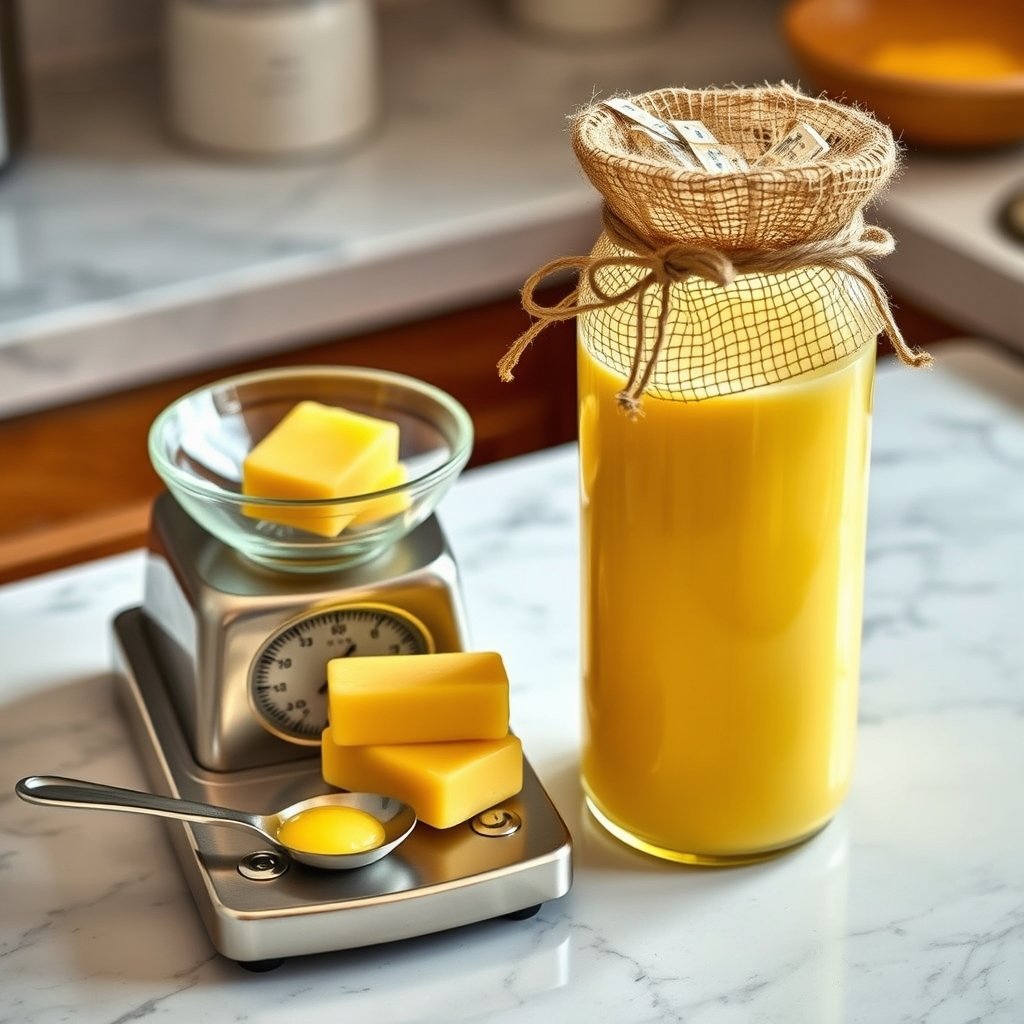 What Is Actually in Ghee: A Nutrition Breakdown
A clear, practical breakdown of ghee nutrition facts, detailing fat composition, vitamins, short-chain fatty…
What Is Actually in Ghee: A Nutrition Breakdown
A clear, practical breakdown of ghee nutrition facts, detailing fat composition, vitamins, short-chain fatty…
-
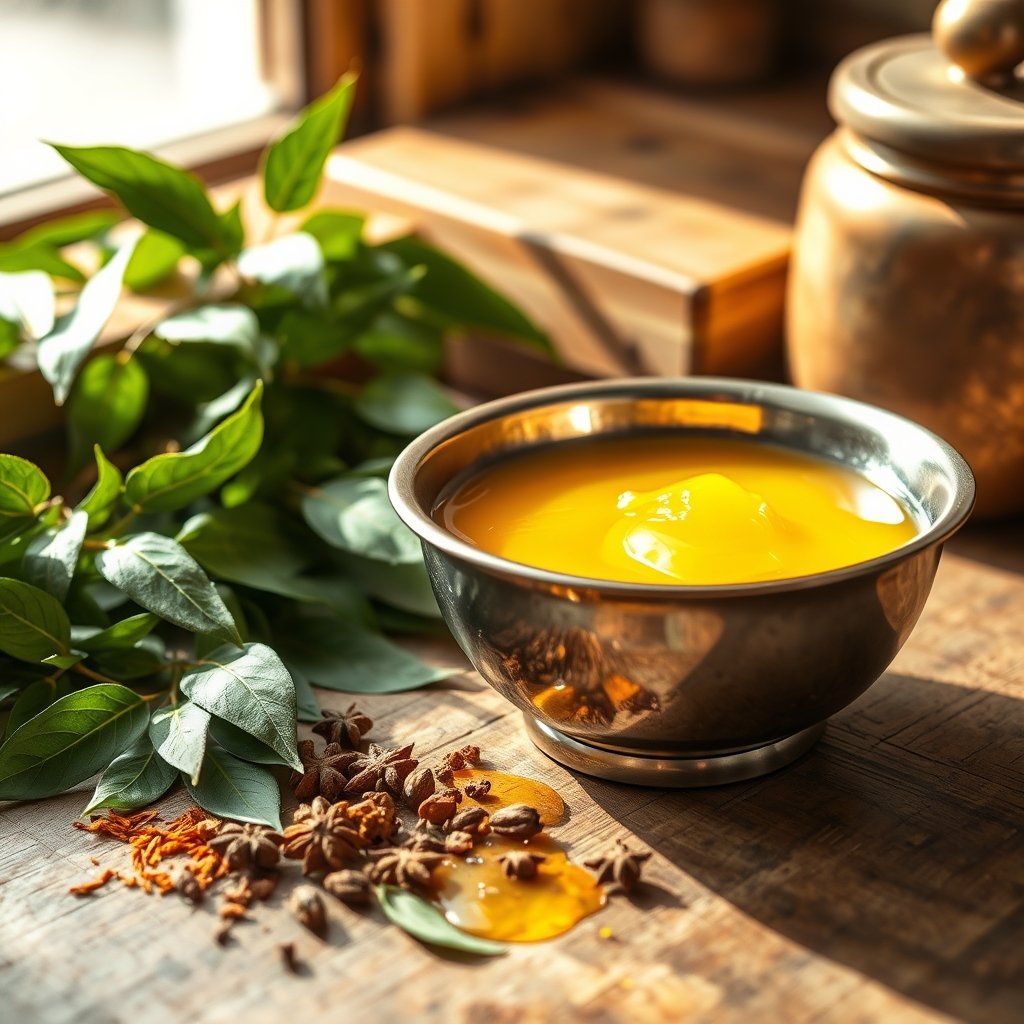 Fat-Soluble Vitamins in Ghee: A, D, E and K
Discover which fat-soluble vitamins naturally occur in A2 Gir cow ghee made through the traditional bilona…
Fat-Soluble Vitamins in Ghee: A, D, E and K
Discover which fat-soluble vitamins naturally occur in A2 Gir cow ghee made through the traditional bilona…
-
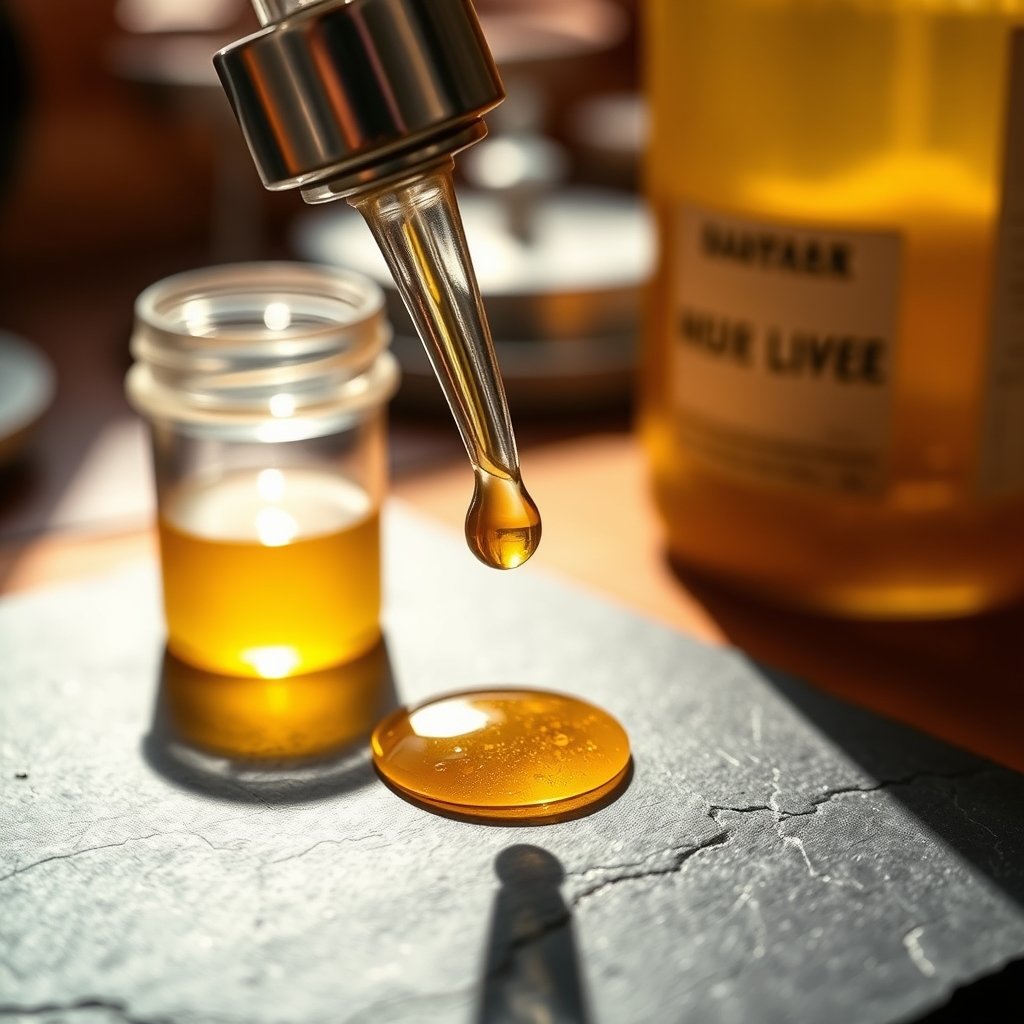 What Are Short-Chain Fatty Acids in Ghee?
Learn what short-chain fatty acids like butyric acid are in ghee, how they differ from long-chain fats, and…
What Are Short-Chain Fatty Acids in Ghee?
Learn what short-chain fatty acids like butyric acid are in ghee, how they differ from long-chain fats, and…