
Ghee for Athletes and High-Activity Diets
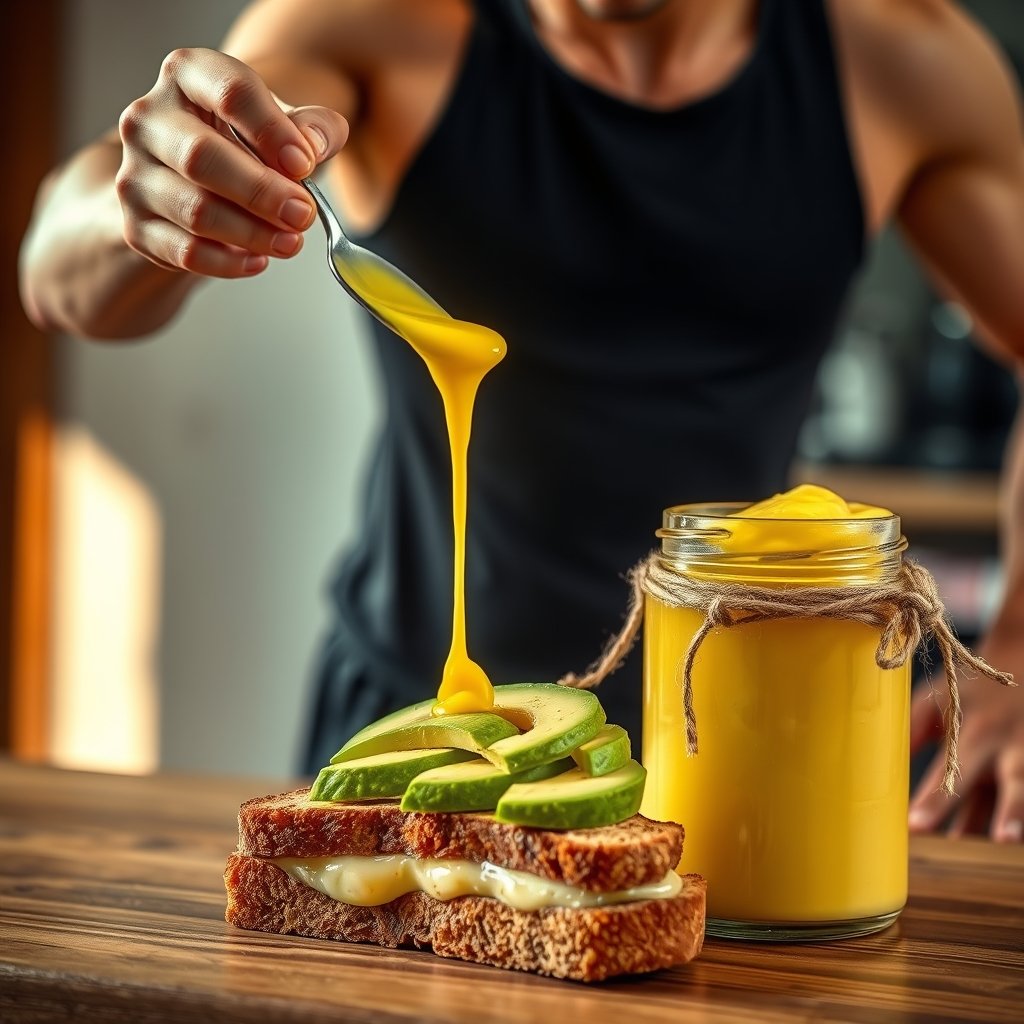
How does ghee serve as a fuel source for high-intensity training?
Ghee provides athletes with a calorie-dense, stable source of energy and essential fat-soluble vitamins that support the high metabolic demands of rigorous physical training. Unlike carbohydrates, which the body burns through quickly, fats like ghee offer a sustained release of energy. For someone training several hours a day, the primary challenge is often consuming enough high-quality fuel to prevent fatigue. Ghee is an efficient way to increase caloric intake without adding bulk to the meal, making it easier for athletes to meet their daily energy requirements.
Because ghee is a clarified fat, it is free of milk solids like lactose and casein. This makes it a preferred choice for athletes who need a clean fuel source that doesn't cause the sluggishness or digestive discomfort sometimes associated with heavier dairy products. In the context of a high-activity diet, the stability of ghee is also a major factor; it remains stable at high temperatures, which means the fatty acids do not oxidize easily during the cooking of large, calorie-rich meals.
Why is the traditional bilona method better for an athlete’s gut?
The bilona method involves turning A2 Gir cow milk into curd, then churning that curd into butter (makhan), and finally simmering it to produce ghee. This fermentation step is crucial for people with active lifestyles. Athletes often have sensitive digestive systems due to the physical stress of training. Industrial ghee, which is often made by heating cream directly, can be harder to digest. In contrast, bilona ghee is prepared from curd, which breaks down the fats into a more bioavailable form. This means the energy is accessible to the body faster and with less digestive effort, allowing the athlete to focus on performance rather than processing a heavy meal.
How does ghee compare to refined oils for an active person?
When choosing a cooking fat for a fitness-focused diet, the method of extraction and the heat stability of the fat are the two most important factors. Many refined oils used in modern kitchens undergo chemical bleaching and high-heat processing before they ever reach the pan. Ghee, particularly when made via the bilona method, is a mechanical and heat-based extraction that preserves the integrity of the fat.
| Feature | Bilona A2 Gir Cow Ghee | Refined Vegetable Oil |
|---|---|---|
| Processing Method | Traditional curd-churning (Bilona) | Chemical solvent extraction |
| Heat Stability | High smoke point (~250°C) | Varies; prone to oxidation |
| Digestibility | Easily absorbed; fermented base | Often heavy and processed |
| Aroma & Taste | Rich, nutty, and natural | Neutral and often chemically deodorized |
Which vitamins in ghee are most important for physical performance?
Ghee is a natural carrier for fat-soluble vitamins, specifically vitamins A, D, E, and K. For an athlete, these are not just supplementary; they are foundational. Vitamin D is essential for bone health and muscle function, which are under constant pressure during high-impact sports. Vitamin E acts as a natural antioxidant that supports the body's recovery after oxidative stress from intense exercise. Vitamin K is vital for bone density. Because these vitamins are fat-soluble, consuming them alongside a high-quality fat like A2 Gir cow ghee ensures they are properly absorbed by the body. This is why traditional Indian diets often involve drizzling ghee over nutrient-rich vegetables and dals.
How was ghee used traditionally in Indian wrestling cultures?
In the traditional Indian wrestling pits, known as Akhadas, ghee has been a cornerstone of the diet for centuries. Pehelwans (wrestlers) relied on ghee not just for calories, but for what Ayurveda calls 'Shnehana' or internal lubrication. Training in an Akhada involves intense friction, joint stress, and muscle exertion. The traditional belief is that a diet rich in pure A2 cow ghee helps keep the joints supple and the body resilient against the wear and tear of daily grappling. It was often consumed in large quantities, mixed with milk or used to prepare energy-dense snacks like besan or badam ladoos, providing the strength (Balya) needed for their demanding routines.
What are some practical ways to add ghee to a fitness meal plan?
Incorporating ghee into a high-activity diet does not require a complete overhaul of your eating habits. For a pre-workout meal, a small amount of ghee can be stirred into a bowl of oats or khichdi to provide long-lasting energy. Post-workout, adding a teaspoon of ghee to your dal or spreading it on whole-grain rotis helps in satiety and ensures the absorption of nutrients from the rest of your meal. Some athletes also prefer a traditional 'bulletproof' style approach by adding a half-teaspoon of ghee to their morning coffee or warm water to kickstart their metabolic fire (Agni) without a heavy insulin spike. The key is consistency and choosing the right quality, ensuring the ghee is free from additives and made from A2 milk to support overall wellbeing.
Taste the difference
Small-batch A2 Gir cow ghee, hand-churned to order and delivered across India. Read how we make it if you want the detail first.
Order a jarKeep reading
-
 Is Ghee Vegan? The Short Answer and Why
No, ghee is not vegan because it is an animal-derived product made entirely from milk fat. Explore the…
Is Ghee Vegan? The Short Answer and Why
No, ghee is not vegan because it is an animal-derived product made entirely from milk fat. Explore the…
-
 Ghee in a Vegetarian Diet
Discover how A2 Gir cow ghee fits into a balanced lacto-vegetarian diet, enhancing flavor, traditional…
Ghee in a Vegetarian Diet
Discover how A2 Gir cow ghee fits into a balanced lacto-vegetarian diet, enhancing flavor, traditional…
-
 Ghee for Toddlers and Growing Children: A Parent's Guide to Daily Cooking
Learn when and how to introduce A2 Gir cow ghee into your toddler's daily diet, with practical serving…
Ghee for Toddlers and Growing Children: A Parent's Guide to Daily Cooking
Learn when and how to introduce A2 Gir cow ghee into your toddler's daily diet, with practical serving…